
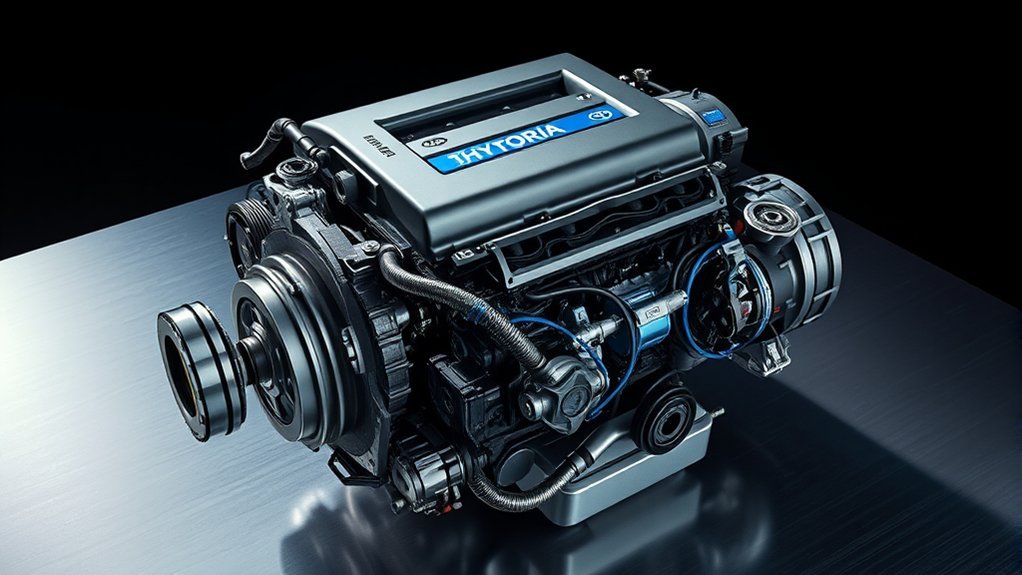
The Toyota Camry Hybrid powertrain blends a 2.5-liter four-cylinder gas engine with Toyota’s fifth-generation hybrid system, electric motor-generators, an electronically controlled CVT, and regenerative braking. In current U.S. ninth-generation Camry models, the system makes 225 net combined horsepower with front-wheel drive and 232 horsepower with available Electronic On-Demand All-Wheel Drive.
Quick Answer
The Camry Hybrid works by letting a gas engine and electric motor-generators share the job of moving the car. At low speeds it can use electric power, during stronger acceleration it blends gas and electric power, and when braking it recovers energy to recharge the hybrid battery.
Key Takeaways
- The current Camry is hybrid-only in the U.S., using a 2.5-liter four-cylinder engine and Toyota’s fifth-generation hybrid system.
- Front-wheel-drive models use two motor-generators and make 225 net combined horsepower; AWD models add a rear electric motor and make 232 horsepower.
- The eCVT does not shift like a traditional automatic; it continuously blends engine and motor power for smooth acceleration.
- Regenerative braking captures energy that would otherwise be wasted as heat and sends it back to the traction battery.
What Is the Toyota Hybrid System?
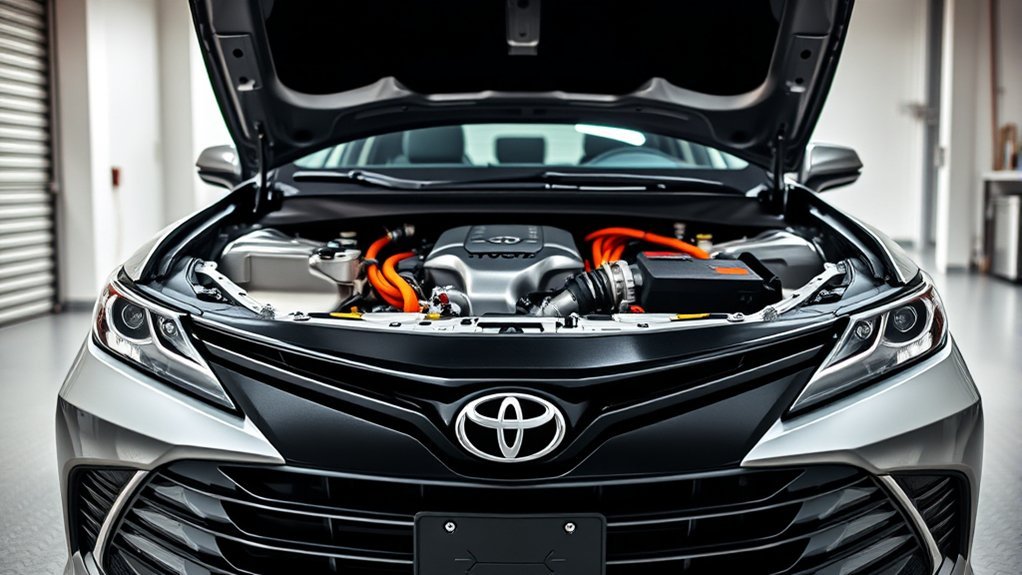
The Toyota Hybrid System combines a gasoline engine, one or more electric motor-generators, a hybrid battery, power-control electronics, and an electronically controlled continuously variable transmission. Instead of relying on the gas engine all the time, the system automatically chooses the most efficient mix of electric power, gasoline power, or both.
In the current Toyota Camry, Toyota pairs a 2.5-liter four-cylinder engine with the fifth-generation Toyota Hybrid System. Toyota says the front-wheel-drive version produces 225 net combined horsepower, while the available Electronic On-Demand All-Wheel Drive version produces 232 net combined horsepower because it adds a dedicated rear electric motor. You can verify those current figures in Toyota’s official 2026 Camry brochure and Toyota’s Camry newsroom release.
This setup is called a full hybrid because the Camry can use electric drive in certain low-speed, low-load situations, run on the gasoline engine when that is more efficient, or combine both for stronger acceleration. The driver does not need to plug it in; the hybrid battery is recharged while driving through engine operation and regenerative braking.
How the Camry Hybrid Powertrain Operates
The Camry Hybrid powertrain is built around smooth power sharing. When you start moving gently, the electric motor can help launch the car with quiet, instant torque. As speed rises or you ask for more power, the gasoline engine starts and works with the electric motor. At steady cruising speeds, the system keeps the engine in an efficient operating range while the motor-generators balance power flow.
Powertrain Components Overview
The main components include the 2.5-liter gas engine, the front hybrid transaxle, motor-generators, lithium-ion traction battery, inverter/converter, and eCVT. Front-wheel-drive Camry Hybrid models use two motor-generators at the front. The available AWD version adds a rear electric motor-generator that can power the rear wheels when extra traction is needed.
| Component | What It Does |
|---|---|
| Gasoline engine | Provides efficient power for cruising and stronger acceleration. |
| Electric motor-generators | Drive the wheels, start the engine, generate electricity, and help recharge the battery. |
| Hybrid battery | Stores energy for electric assist and EV drive mode conditions. |
| Inverter/converter | Controls the flow of electricity between the battery and motor-generators. |
| eCVT | Blends engine and electric power smoothly without fixed gear shifts. |
Note: Older Camry Hybrid model years used different power ratings. The commonly repeated 208-horsepower figure applies to the previous generation, not the current ninth-generation U.S. Camry Hybrid.
Energy Management System
The Camry’s energy management system constantly decides where power should come from and where recovered energy should go. In easy city driving, it can lean more heavily on electric assist. During quick acceleration, it blends the gas engine and electric motor for stronger response. When you slow down, the motor-generators act like generators and send electricity back to the traction battery.
This is why a Camry Hybrid often feels different from a traditional gas-only sedan. The engine may shut off at stops, restart smoothly, or run at a speed that does not perfectly match road speed because the eCVT is choosing the most efficient power split rather than stepping through fixed gears.
Drive Mode Selection Options
The Camry Hybrid includes selectable drive modes so you can adjust the car’s feel. Toyota’s owner information describes Normal, Eco, and Sport modes through the drive mode select switch, and the Camry Hybrid also has an EV drive mode for limited low-speed electric-only operation when conditions allow.
| Drive Mode | Best Use | What Changes |
|---|---|---|
| Normal | Everyday driving | Balances fuel economy, quietness, and response. |
| Eco | Saving fuel | Softens throttle response and manages climate operation for efficiency. |
| Sport | More responsive driving | Sharpens throttle feel for a livelier response. |
| EV drive mode | Quiet, short, low-speed movement | Uses electric motor power only when battery charge and conditions permit. |
The Four-Mode Drive Switch Explained
Think of the Camry Hybrid’s drive settings as personality controls rather than separate powertrains. Eco mode is best when you want calm throttle response and maximum efficiency. Normal mode is the best default for most trips. Sport mode gives the accelerator a more eager feel, which is helpful when merging or driving on winding roads.
EV drive mode is more limited. It does not turn the Camry Hybrid into a plug-in EV, and it will not stay on if the battery charge is low, the speed is too high, the accelerator demand is too strong, or the system needs the gas engine. Its main purpose is quiet, low-speed driving, such as moving through a parking garage or a residential area early in the morning.
Pro Tip: For the best real-world fuel economy, use smooth accelerator inputs, brake early enough to maximize regeneration, and let Eco mode help in stop-and-go traffic.
[Products Worth Considering]

ECOGARD XA5786 is a premium engine air filter designed to help protect your engine by trapping dust, dirt, pollen, and road particles before they enter the intake system. It supports smooth airflow for consistent engine response and fuel efficiency, and it is intended for regular replacement to help maintain reliable performance and engine longevity.

This A-Premium engine air filter is designed to help deliver cleaner airflow to compatible Toyota, Lexus, Scion, and Pontiac vehicles. It supports a wide range of fitments across select Camry, RAV4, Avalon, Matrix, Venza, ES350, tC, xB, and Vibe models, making it a convenient replacement choice. Built for straightforward maintenance, it is intended for regular service intervals to help keep engine intake performance on track.

KAX CA10741 is a premium engine air filter designed to help maintain clean airflow for compatible Toyota and Lexus vehicles. It offers extended service life, strong filtration efficiency, and dependable protection for critical engine components while supporting smoother performance and fuel economy. The rectangular, box-packaged filter is built for easy replacement in supported models.
How Regenerative Braking Enhances Efficiency in Hybrids
Regenerative braking is one of the biggest reasons hybrids do well in city driving. In a conventional car, much of the vehicle’s motion energy becomes heat at the brake pads and rotors. In the Camry Hybrid, the electric motor-generators can slow the car while converting some of that motion into electricity for the hybrid battery.
The friction brakes are still there and still essential, especially for harder stops, low-speed stopping, emergency braking, and holding the car still. The difference is that the Camry Hybrid blends regenerative braking and friction braking so the car can recover energy whenever possible without changing the basic brake-pedal experience too much.
The EPA rates the 2025 Camry Hybrid LE FWD at 53 mpg city, 50 mpg highway, and 51 mpg combined, showing why hybrids can be especially efficient in daily commuting.
The Role of Motor Generators in Power Management
The motor-generators are the heart of the Camry Hybrid’s power management. One motor-generator can help start the gasoline engine and manage charging. Another provides traction power to help move the vehicle. In front-wheel-drive models, these components are integrated into the front hybrid transaxle.
In all-wheel-drive models, Toyota adds a rear electric motor-generator. Because the rear wheels are driven electrically, the system does not need a traditional mechanical driveshaft running from the engine to the rear axle. That saves space and helps the AWD system react quickly when the car needs extra rear-wheel traction.
The inverter/converter acts like the system’s traffic controller. It changes battery power into the type of electricity the motor-generators need and manages the flow of energy during acceleration, cruising, and braking.
How the Camry Hybrid Makes All-Wheel Drive Easy
The Camry Hybrid’s available Electronic On-Demand All-Wheel Drive is simpler than many traditional AWD systems because the rear axle is powered by its own electric motor. There is no mechanical connection between the gasoline engine and the rear wheels. When the car detects slippery roads, hard acceleration from a stop, or cornering conditions where extra traction can help, the rear motor can send power to the rear wheels.
This system is not meant for serious off-roading, but it is useful for rain, light snow, gravel driveways, and confident takeoffs. It also increases total system output from 225 to 232 net combined horsepower in current U.S. Camry models.
Warning: All-wheel drive can improve traction when accelerating, but it does not shorten stopping distance on ice or snow. Tires, speed, and road conditions still matter most.
[Products Worth Considering]

This engine air filter is designed to fit select Lexus and Toyota hybrid models, helping maintain clean airflow to the engine for reliable performance. Built with high-fiber filter paper and a fine filtration layer, it offers strong dust capture while minimizing airflow resistance. It is a direct replacement for multiple OEM part numbers and is backed by warranty support.

KAX CA12377 Premium Engine Air Filter is designed as a replacement for select Toyota and Lexus vehicles, helping keep harmful particles out of the engine while supporting steady airflow. Its high-efficiency filtration and longer service life can help improve acceleration, maintain consistent performance, and support better fuel economy. Built for broad vehicle coverage, it offers dependable protection for everyday driving and extended maintenance intervals.

WEATHER CHANGES, YOUR PLANS KEEP MOVING: You want one performance tire ready for dry roads, rain, and light snow. It carries the 3-Peak Mountain Snowflake (3PMS) symbol, which certifies performance in snow conditions. Three-dimensional siping and a maximum number of biting edges improve snow traction. Atturo also describes the AZ810 as tested for grip in acceleration, braking, and handling in cold conditions.
Why Pick the Camry Hybrid?
The Camry Hybrid is a strong pick if you want a midsize sedan that feels familiar but uses fuel more intelligently. It does not require home charging, it uses regular gasoline, and it automatically manages electric assist in the background. That makes it easier to live with than a plug-in vehicle for drivers who do not have reliable charging access.
It also gives you useful choices. The LE FWD trim is the efficiency leader, with EPA ratings of up to 51 mpg combined for the 2025 model year. Sportier trims trade some fuel economy for larger wheels and a firmer feel, while AWD models add extra traction and slightly more horsepower.
The biggest benefit is balance. You get quiet low-speed operation, strong combined power, excellent city fuel economy, and the long-distance convenience of a gas vehicle. For many drivers, that makes the Camry Hybrid a practical bridge between traditional gasoline cars and fully electric vehicles.
[Products Worth Considering]
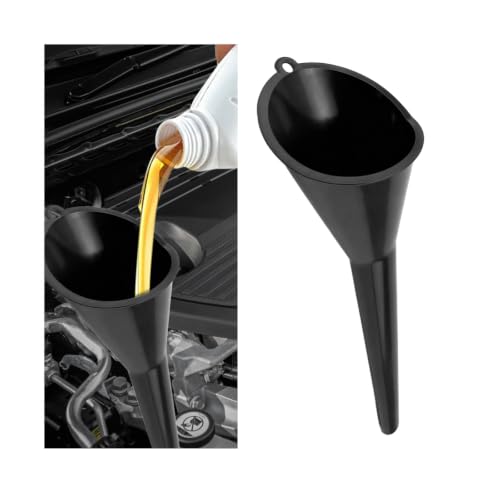
Practical Function: This plastic funnel features a long tube and a wide-mouth design for pouring liquids from various angles without needing to hold it. The raised design on the side helps minimize the entry of dust and dirt while effectively stopping liquid leakage during the pouring process

Save Spills: This funnel is designed with a widened and large inlet, ensuring that the liquid can be smoothly introduced from multiple angles. It can effectively avoid overflow or dripping caused by improper pouring angles, maintaining the cleanliness of the working area

Premium Material: This fitting adapter is made of high-quality aluminum material, with excellent wear resistance and durability, high strength, and is not easily deformed or broken in daily use. Besides, the surface of the adapter has undergone anodizing treatment, which can effectively improve its corrosion-resistance and maintain stable performance under various usage conditions, providing reliable guarantee for long-term use.
Common Myths About the Camry Hybrid Powertrain
Myth: The Camry Hybrid Needs to Be Plugged In
The Camry Hybrid is not a plug-in hybrid. You refuel it with gasoline, and the hybrid system recharges the traction battery automatically through regenerative braking and normal hybrid operation.
Myth: EV Mode Works Like a Full Electric Car
EV drive mode is useful, but it is limited. It is designed for short, low-speed situations. If the system needs more power, more speed, cabin heating or cooling support, or battery charging, the gas engine can start automatically.
Myth: Hybrids Are Weak
The current Camry Hybrid is more powerful than the previous 208-horsepower Camry Hybrid generation. Toyota lists the current system at 225 net combined horsepower with FWD and 232 horsepower with AWD, giving it smooth and confident everyday performance.
Frequently Asked Questions
How does the Toyota Camry Hybrid engine work?
The Camry Hybrid uses a 2.5-liter gas engine and electric motor-generators. The system can use electric power at low speeds, gasoline power when it is more efficient, or both together when you need stronger acceleration.
How does a hybrid vehicle powertrain work?
A hybrid powertrain combines an internal-combustion engine with electric drive components. The electric motor can assist the engine, power the car briefly by itself, and recover energy during braking. A control system automatically chooses the most efficient power source.
Is the Toyota Camry powered only by a hybrid powertrain?
Yes, the current U.S. ninth-generation Toyota Camry is sold as a hybrid-only model. Toyota introduced the 2025 Camry with its fifth-generation hybrid system as standard across the lineup.
How much horsepower does the current Camry Hybrid have?
Current U.S. Camry Hybrid models produce 225 net combined horsepower with front-wheel drive and 232 net combined horsepower with available Electronic On-Demand All-Wheel Drive.
Does the Camry Hybrid have a traditional transmission?
No. It uses an electronically controlled continuously variable transmission, often called an eCVT. It does not shift through fixed gears like a conventional automatic transmission.
Conclusion
The Toyota Camry Hybrid powertrain is designed to make efficiency feel easy. Its gas engine, electric motor-generators, hybrid battery, eCVT, and regenerative braking system work together automatically, so you get smooth acceleration, strong fuel economy, and everyday practicality without plugging in. With up to 225 horsepower in FWD form, 232 horsepower with AWD, and excellent EPA fuel-economy ratings, the current Camry Hybrid turns a familiar midsize sedan into a smarter and more efficient daily driver.
Sources
- Toyota USA Newsroom: 2026 Toyota Camry Nightshade announcement — current Camry hybrid-only lineup, horsepower, AWD availability, and manufacturer-estimated MPG.
- Toyota 2026 Camry official brochure — official 225-hp FWD and 232-hp AWD hybrid powertrain figures.
- Toyota Owners: Driving mode select switch — Normal, Eco, and Sport drive mode descriptions.
- Toyota Owners: EV drive mode — EV drive mode operation and limitations.
- FuelEconomy.gov: 2025 Toyota Camry fuel economy — EPA fuel-economy ratings for 2025 Camry Hybrid models.

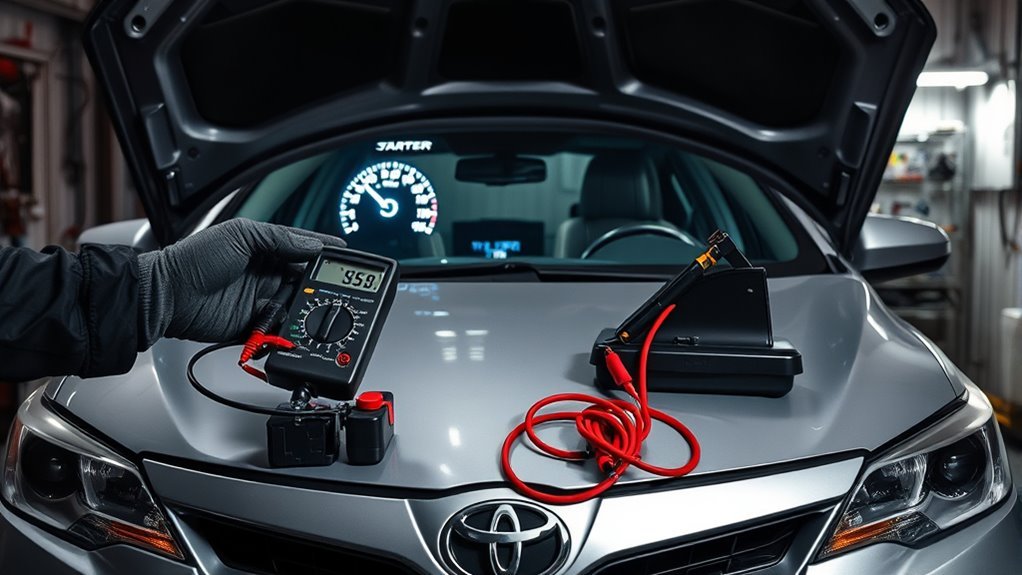
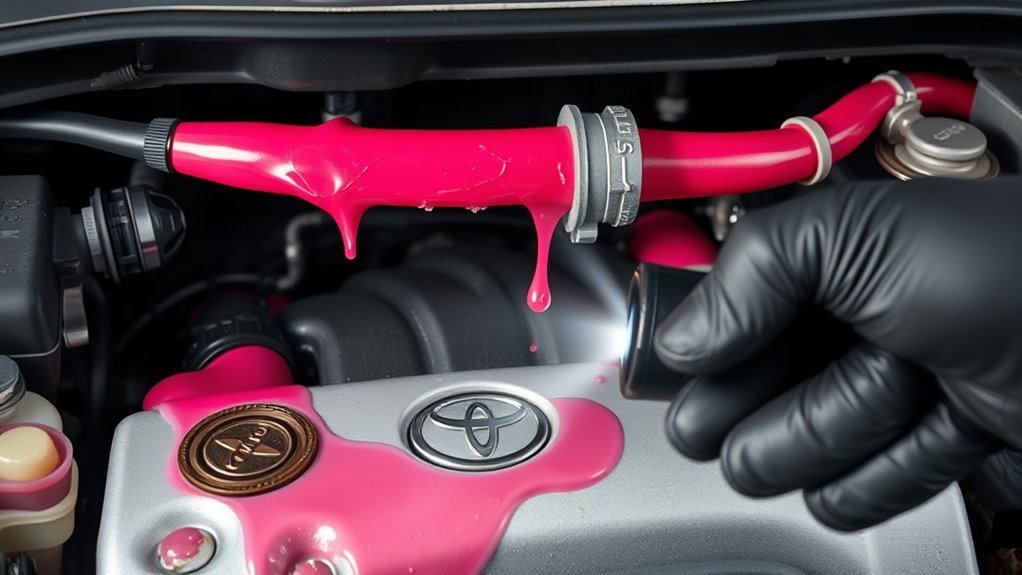

[…] For newer Camry Hybrid models, the gasoline engine, motor-generators, battery, and control system operate as one managed powertrain. Learn more in this Camry Hybrid powertrain guide. […]