The Toyota Camry’s Dynamic Radar Cruise Control (DRCC) automatically keeps a safe distance from vehicles ahead, making highway driving easier and safer. It activates at speeds above 28 mph, allowing you to adjust your speed and follow distance with ease. The system uses advanced sensors, but it performs best in clear conditions. Regular maintenance and understanding how to use its features can enhance your driving experience. Want to know more about maximizing its benefits?
Quick Guide: Activating DRCC in Your Camry
To activate the Dynamic Radar Cruise Control (DRCC) in your Toyota Camry, simply click the On-Off button on the right stalk while cruising above 28 mph. Once activated, set your desired speed by pressing the stalk down after accelerating to at least 25 mph. You can easily fine-tune your cruising speed with the stalk’s up and down clicks, allowing for a smooth driving experience.
One of the key cruise control benefits is the enhanced safety it offers. By automatically adjusting your speed to maintain a safe distance from the vehicle ahead, you reduce the risk of collisions. Additionally, customizing your follow distance is simple—just press the DRCC button on the steering wheel to choose from Long, Medium, or Short settings based on your preference and traffic conditions. When you need to cancel the DRCC, simply pull the stalk back or press the brake pedal. Enjoy your drive!
How to Choose the Right Follow Distance
How can you guarantee a safe and comfortable driving experience with your Dynamic Radar Cruise Control (DRCC)? Choosing the right follow distance is key. Your Toyota Camry offers three settings: Long, Medium, and Short. The Long setting provides about 160 feet of spacing, while Medium and Short offer 130 feet and 100 feet, respectively.
In heavier traffic or adverse weather conditions, maintaining a longer follow distance enhances safety by giving you more reaction time. You can easily adjust your follow distance using a button on the steering wheel, allowing for quick changes based on current traffic conditions.
Always keep an eye on road conditions and adjust your settings accordingly. Poor visibility or sudden traffic changes can impact DRCC’s effectiveness, so being proactive helps guarantee your driving experience is both liberating and safe. Make the right choice for your comfort and safety on the road!
Key Conditions That Impact DRCC Performance
While driving with Dynamic Radar Cruise Control (DRCC), several key conditions can greatly impact its performance. Sensor obstructions, like mud, ice, or bugs, can hinder the system’s ability to function correctly. When your sensors are blocked, you might find DRCC less responsive or even malfunctioning. Additionally, visibility challenges such as fog, heavy rain, or snow can considerably impair the system’s vehicle detection capabilities, making it hard to maintain safe distances. DRCC shines on freeways and highways, but it struggles on narrow, curved roads where it can’t detect vehicles effectively. Be cautious, as the system may overlook motorcycles or vehicles with narrow rear surfaces, creating potential hazards. Remember, continuous driver attention is essential, especially in heavy traffic or during sudden lane changes, as DRCC isn’t designed for such conditions. Stay alert and ready to take control!
Safe and Effective DRCC Tips
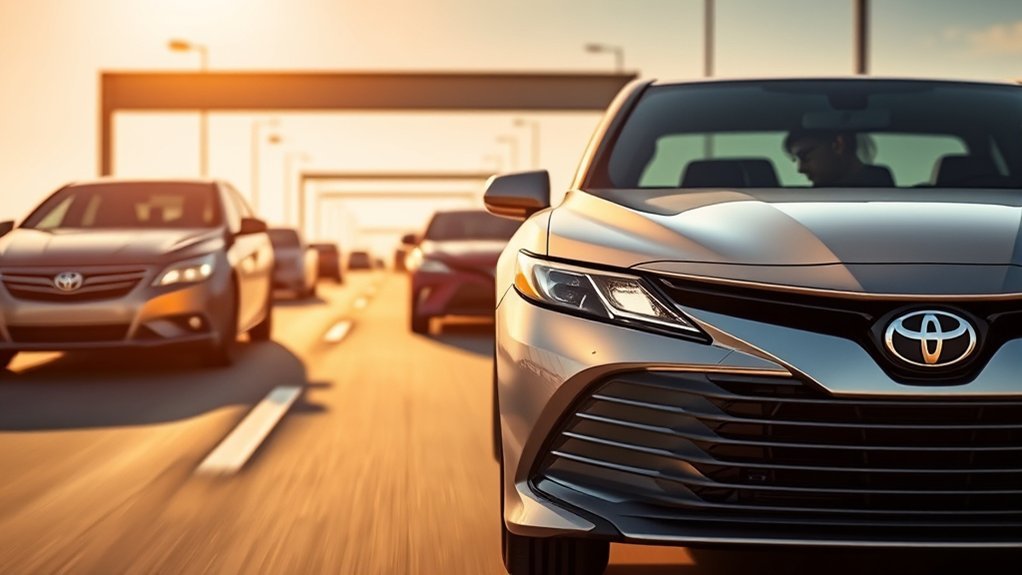
Maintaining safety and effectiveness with Dynamic Radar Cruise Control (DRCC) starts with understanding its features and limitations. Here are some essential DRCC maintenance tips to enhance your driving experience:
| Tip | Description |
|---|---|
| Activate at 28 mph | Verify DRCC is active for peak performance. |
| Customize follow distance | Use Long, Medium, or Short settings to suit traffic. |
| Clean the sensors | Regularly check for obstructions like mud and bugs. |
| Be aware of limitations | Stay alert in low visibility or on narrow roads. |
| Know cancellation features | Familiarize yourself with automatic shutdowns. |
Differences Between Adaptive and Regular Cruise Control
When comparing adaptive and regular cruise control, you’ll notice key differences in features and driving experience. Adaptive cruise control adjusts your speed based on the traffic around you, while regular cruise control keeps a steady pace that you set. Understanding these distinctions can enhance your safety and convenience on the road.
Key Features Comparison
Understanding the differences between adaptive and regular cruise control can significantly enhance your driving experience. Here’s a quick look at the key features that exemplify the advantages of Toyota’s Dynamic Radar Cruise Control (DRCC):
- Automatic Speed Adjustment: DRCC adapts to traffic, ensuring safety.
- Customizable Follow Distances: Choose from Long, Medium, or Short settings for comfort.
- Advanced Detection: Uses millimeter-wave radar for superior vehicle detection.
- Seamless Deceleration: Automatically slows down or stops in response to slower vehicles.
These DRCC benefits promote driving efficiency, allowing you to focus on the road while feeling liberated from constant speed adjustments. Embracing these features transforms your driving experience into something more enjoyable and stress-free.
Driving Experience Differences
Driving with adaptive cruise control, like Toyota’s Dynamic Radar Cruise Control, offers a markedly different experience compared to regular cruise control. This advanced technology integration automatically adjusts your speed to maintain a safe following distance, enhancing driver comfort in varying traffic conditions. While regular cruise control keeps a constant speed, adaptive systems can respond seamlessly to changes around you, operating effectively at speeds from 25 to 110 mph. You can even customize your follow distance—Long, Medium, or Short—tailoring the experience to your preferences. Unlike traditional systems that demand constant attention, adaptive cruise control allows you to focus more on the road, delivering a liberating driving experience that redefines convenience on every journey.
Safety and Convenience Factors
While regular cruise control simply maintains a set speed, adaptive cruise control considerably enhances safety and convenience by responding to the flow of traffic. This system offers essential features that elevate your driving experience:
- Collision prevention: Automatically adjusts speed to avoid potential accidents.
- Customizable follow distance: Tailor the spacing to your comfort, whether in heavy or light traffic.
- Autonomous braking: Decelerates and stops when needed, reducing your workload on highways.
- Enhanced driver assistance: Frees you from constant speed adjustments, letting you enjoy a more relaxed journey.
With adaptive cruise control, you’re not just driving; you’re embracing a smarter, safer way to navigate the roads, enhancing both your peace of mind and freedom.
Troubleshooting Common DRCC Issues
When your Dynamic Radar Cruise Control (DRCC) isn’t performing as expected, it can be frustrating. To troubleshoot common issues, start by checking the front sensors. Verify they’re clean and free from obstructions like mud, ice, or bugs. Poor visibility conditions, such as heavy rain, fog, or snow, can also impact performance, so always stay aware of your surroundings. If DRCC becomes unresponsive, look for warning lights on the dashboard—they might indicate sensor malfunctions. Remember, the system can cancel if you’re stopped for more than three minutes or if you press the brake pedal, requiring reactivation.
Here’s a quick guide to help you:
| Issue | Solution |
|---|---|
| Sensors obstructed | Clean sensors |
| Unresponsive system | Check for dashboard warning lights |
| Poor visibility | Monitor surroundings |
| Stops after 3 minutes | Reactivate DRCC |
| Inability to maintain speed | Manual intervention needed |
Enhancing Your Driving Experience With DRCC Features

With Dynamic Radar Cruise Control (DRCC), your highway travel becomes smoother and more enjoyable. You can personalize your follow distance to match your comfort level and traffic conditions, while advanced safety features keep you protected on the road. Let’s explore how these elements enhance your overall driving experience.
Streamlined Highway Travel Experience
Dynamic Radar Cruise Control (DRCC) transforms your highway travel experience by effortlessly maintaining a safe distance from other vehicles. This innovative system enhances highway efficiency and driver comfort, allowing you to enjoy the journey without constant manual adjustments.
- Experience seamless acceleration and deceleration as traffic changes.
- Customize your follow distance with options that suit your style.
- Reduce fatigue on long trips by letting DRCC handle the speed.
- Drive with confidence, knowing safety is prioritized.
With DRCC, you can embrace a liberated driving experience, focusing on the road ahead while your Camry manages the details. Just remember, it’s essential to stay vigilant, especially in challenging weather conditions. Enjoy the freedom of the open road!
Personalized Distance Settings
Personalizing your driving experience is easy with the Toyota Camry’s Dynamic Radar Cruise Control (DRCC), which offers three customizable follow distance options: Long, Medium, and Short. You can adjust these custom follow settings using a convenient button on the steering wheel, allowing you to tailor your distance in real-time. This feature enhances your comfort, especially in heavy traffic, as it maintains a safe space from other vehicles, reducing the need for constant speed adjustments. By selecting your preferred follow distance, you can adapt to varying road conditions and driving habits, creating a more relaxed and enjoyable journey. Embrace the freedom of customization to enhance your overall driving efficiency and comfort.
Enhanced Safety Features
As you traverse the roads, Toyota’s Dynamic Radar Cruise Control (DRCC) greatly enhances safety by automatically adjusting your speed based on the distance to the vehicle ahead. This innovative system not only promotes driver awareness but also offers vital collision avoidance features, ensuring a safer driving experience.
- Customizable follow distances let you choose what feels right.
- The approach warning alerts you to potential hazards ahead.
- DRCC operates efficiently at speeds from 25 to 110 mph.
- Regular sensor maintenance keeps the system performing at its best, even in challenging weather.
With DRCC, you’re not just driving; you’re embracing a liberated experience, allowing technology to assist you in traversing the road safely and comfortably.
What to Expect From Future DRCC Technologies?
While the current iteration of Dynamic Radar Cruise Control (DRCC) offers significant benefits, future technologies promise to elevate these systems even further. Expect future innovations in artificial intelligence that enhance predictive capabilities, allowing your DRCC to anticipate traffic conditions better than ever. Advancements in sensor technology will improve performance in adverse weather, ensuring reliability when visibility drops.
Imagine a world where your DRCC communicates with other vehicles, optimizing distance control and reducing collision risks. Integration with smart infrastructure will let your system adjust settings based on real-time traffic signals, boosting driving efficiency. Plus, future developments may offer customizable follow distance settings tailored to your preferences and driving environments, enhancing both safety and user experience. As driver automation evolves, these features will give you more freedom and confidence on the road, making every journey a smoother ride.
Frequently Asked Questions
How Does DRCC Differ From Regular Cruise Control?
DRCC enhances your driving experience with advanced safety features, automatically adjusting speed to maintain safe distances from vehicles ahead. Unlike regular cruise control, it adapts to traffic, making your journey smoother and safer.
What Is the Difference Between Radar Cruise Control and Adaptive Cruise Control?
Radar cruise control’s like a steady train, maintaining speed without adjusting for traffic. In contrast, adaptive cruise control enhances your driving experience, using safety features to automatically match the speed of vehicles ahead.
What Is Dynamic Radar Cruise?
Dynamic radar cruise is a safety feature that uses advanced technology integration to automatically adjust your speed, maintaining a safe distance from vehicles ahead. It enhances driving comfort while ensuring you stay alert on the road.
Conclusion
To sum up, mastering your Toyota Camry’s Dynamic Radar Cruise Control (DRCC) can transform your travels. By balancing safety and convenience, you’ll cruise confidently while tackling traffic with ease. Stay savvy about the settings and be aware of conditions that may affect performance. As technology continues to advance, expect even more exciting enhancements in DRCC features. So, buckle up, enjoy the drive, and let your Camry’s capabilities elevate every journey!