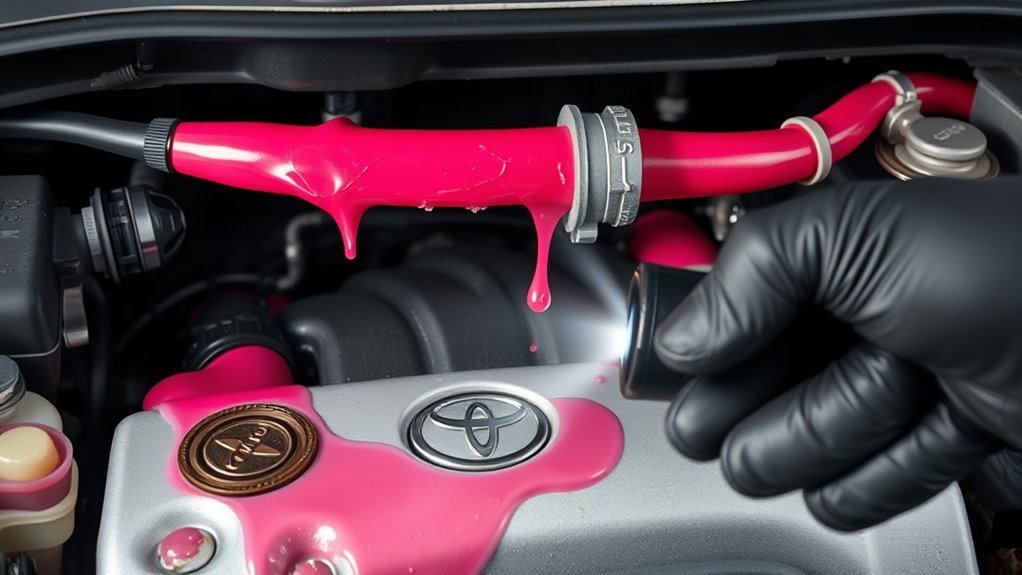
If your Camry smells sweet, leaves green or pink puddles, or shows temperature warnings, you likely have a coolant leak that needs inspection of the flow shut-off valve, hoses, and radiator. Check clamps, hose soft spots, valve seals and radiator fins for corrosion or damage. Don’t drive if levels drop quickly or warning lights appear. Repairs often require diagnostics and valve or hose replacement, typically costing several hundred dollars; keep an eye on coverage and follow-up maintenance to learn more.
How to Tell If Your Camry Is Leaking Coolant
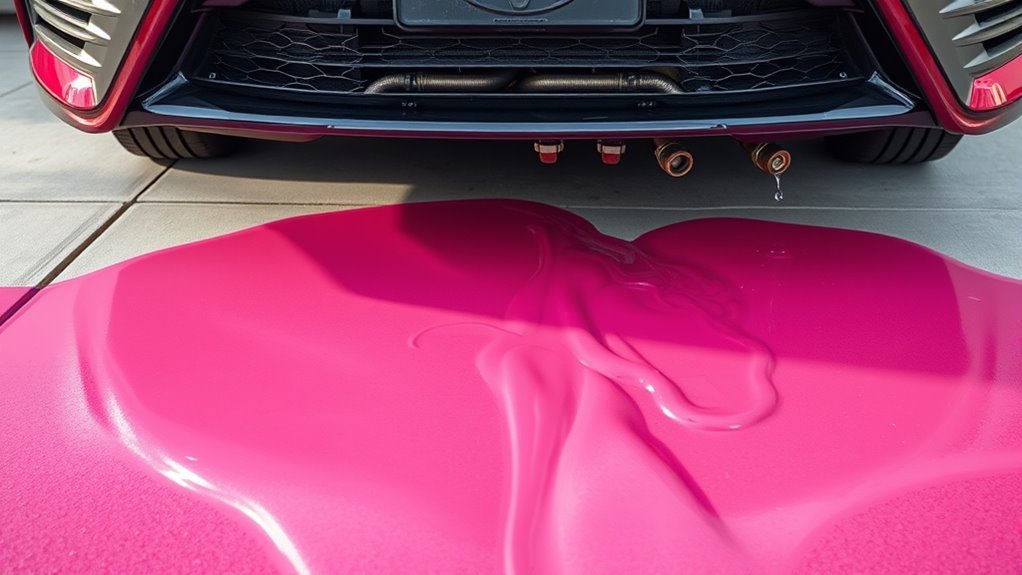
Wondering if your Camry is losing coolant? Start by cataloging coolant symptoms methodically: note any sweet odor under the hood, which often signals leakage and can originate from a failing flow shut off valve. Perform visual leak detection—inspect beneath the parked car for green or pink puddles and trace their source. Monitor dashboard indicators; engine temperature warnings frequently correspond with coolant loss. Check cabin heat function; if the heater stops working in cold weather, low coolant from a leak is a likely cause. Systematically examine hoses and connections for wear or corrosion, focusing on clamps and joints where deterioration begins. Use a flashlight and clean rag to wipe suspect areas, then recheck for fresh residue. Record findings and act decisively: documenting symptoms and locations lets you reclaim control and demand proper repair. These steps give you a clear, technical protocol for early leak detection and mitigating engine damage.
Common Causes of Camry Coolant Leaks (Valve, Hoses, Radiator)
Start by focusing on the most common leak sources: the flow shut off valve, hoses, and the radiator—each has distinct failure modes you can inspect for quickly. You’ll want a systematic approach: scan for wetness, follow coolant trails, and prioritize fixes that restore your freedom from breakdowns. Valve deterioration often shows around seals; the small flow shut off valve can seep or fail entirely, so examine its base and connections for dampness and degraded rubber. Perform hose inspection for soft spots, cracks, bulges, and clamp failures; aging hoses commonly produce puddles and sudden loss of coolant. Radiator faults stem from corrosion, crushed fins, or impact damage that creates slow or rapid leaks and impairs cooling.
- Flow shut off valve: check seals, replace on visible seepage.
- Hoses: inspect ends, run fingers along length for microcracks.
- Radiator: look for corrosion, pressure-test if unsure.
Act quickly to avoid overheating and costly repairs.
3 Quick Checks to Confirm the Leak : And When Not to Drive
If you suspect a coolant leak, begin with a quick, systematic check: inspect the flow shut-off valve for wear, corrosion, or faulty seals — this small part controls coolant flow and often reveals failure. Smell for a sweet odor and scan beneath the car for green or pink puddles. Note dashboard warnings and heater performance; a cold heater in winter can mean compromised flow to the heater core. Use coolant detection techniques (visual, olfactory, warning lights) to confirm.
| Check point | What to look for | Action |
|---|---|---|
| Flow shut-off valve | Corrosion, seals | Replace or service |
| Under-car | Colored puddles, smell | Contain, record |
| Dashboard/heater | Warning lights, no heat | Stop, inspect coolant level |
Don’t drive if you find significant loss, persistent smell, or warning lights — driving risks overheating and catastrophic engine damage. Prioritize leak prevention by isolating the source and seeking repair to reclaim control and freedom.
Fixes, Expected Costs, and Toyota CSP 2404 Coverage
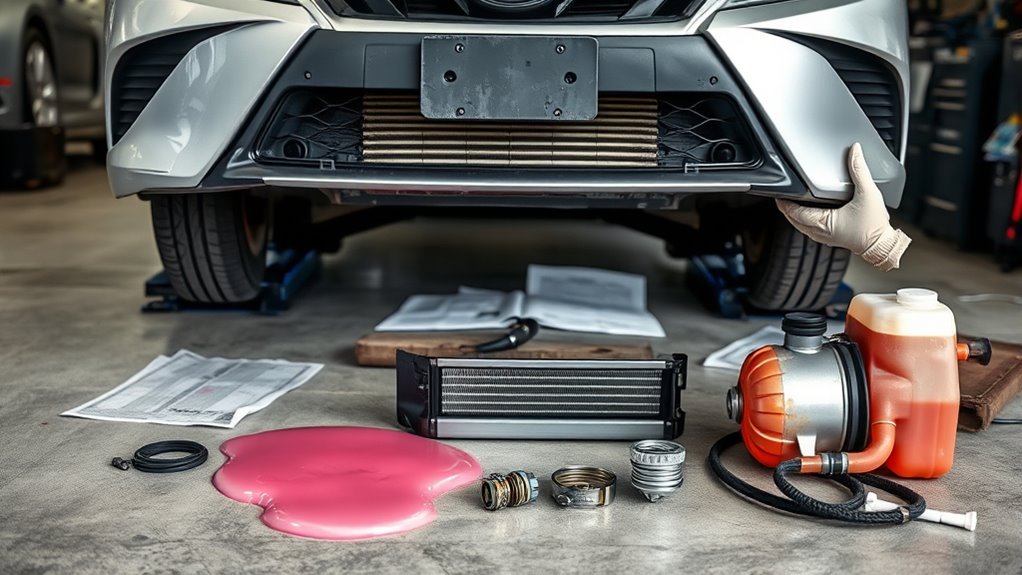
Because coolant leaks on Camrys often trace back to a failing flow shut-off valve (codes P26811/P268115), you’ll usually need a diagnostic scan and valve replacement—work that typically runs $600–$800 if not covered by warranty. Act quickly: repair timelines are short once booked, but delays risk warped heads or blown gaskets. Check dealer recommendations and contact an authorized Toyota dealer to verify CSP 2404 eligibility before the November 30, 2025 deadline.
- Confirm and book: get a scan, validate P26811/P268115, and schedule valve replacement; dealers often perform covered repairs at no cost under CSP 2404.
- Cost control: if out of warranty or past CSP eligibility, expect $600–$800 for parts and labor; prioritize dealer recommendations for accurate estimates and warranty handling.
- Documentation: insist on written CSP 2404 confirmation and repair timelines so you retain leverage and avoid future disputes over coverage and liability.
Preventive Maintenance and What to Watch After Repair
After your Camry’s flow shut-off valve is replaced, inspect the valve and surrounding hoses regularly for coolant pooling, dampness, or a sweet odor, and check the coolant reservoir level daily for the first week then weekly thereafter; these actions let you spot a recurrence quickly and prevent overheating. After that initial period, adopt a strict maintenance schedule: perform coolant inspection at each oil change or at least every 3 months, monitor coolant level and color, and log readings. Watch the dash for warning lights or engine maintenance messages; don’t ignore transient alerts. Use authorized Toyota dealers for routine service to preserve warranty and document repairs—this matters for CSP 2404 eligibility through November 30, 2025. If you detect leaks, pressure-test the system, replace degraded hoses, and verify clamp torque. Keep records, act fast on anomalies, and demand transparency from technicians. This systematic approach protects your engine, upholds coverage, and preserves your freedom to choose repairs confidently.
Frequently Asked Questions
Why Is My Toyota Camry Leaking Coolant?
Your Camry’s leaking coolant because a faulty shut-off valve, corroded hose, or failed seal’s letting fluid escape; you’ll notice coolant symptoms like sweet odor and puddles—use systematic leak detection to diagnose and reclaim control.
Conclusion
You’ve learned how to spot a Camry coolant leak, trace it to hoses, valves, or the radiator, and decide whether to drive. Follow systematic checks, act quickly on visible drips or overheating, and weigh repair costs against Toyota CSP 2404 coverage. Get hoses and clamps replaced, fix or replace the radiator, and pressure-test the system afterward. Remember: “An ounce of prevention is worth a pound of cure.” Stay vigilant—post‑repair, monitor levels and temp gauges regularly.