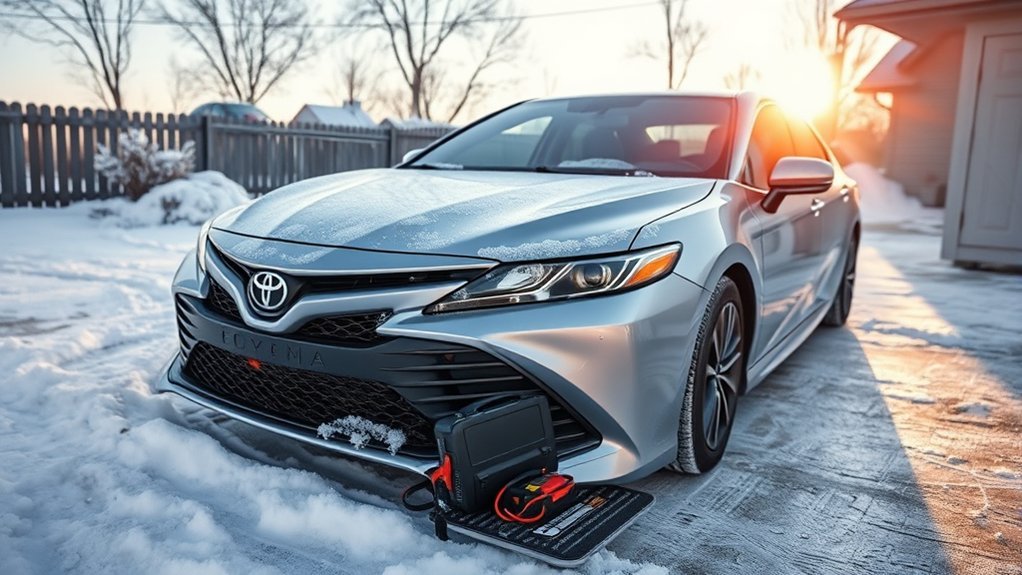
You can prevent most cold-start failures in your Toyota Camry by checking battery health, using cold‑rated synthetic oil (0W‑30/5W‑30), and keeping fuel and coolant winter-ready. Test battery voltage (12.4–12.7V healthy), clean terminals, and consider a load test or replacement if over three years old. Keep the tank half full, use winter fuel additives, and park sheltered or use a compatible block heater in extreme cold. Continue for step‑by‑step diagnostics, fluid specs, and local service guidance.
What Causes Cold-Weather Starting Problems in a Toyota Camry
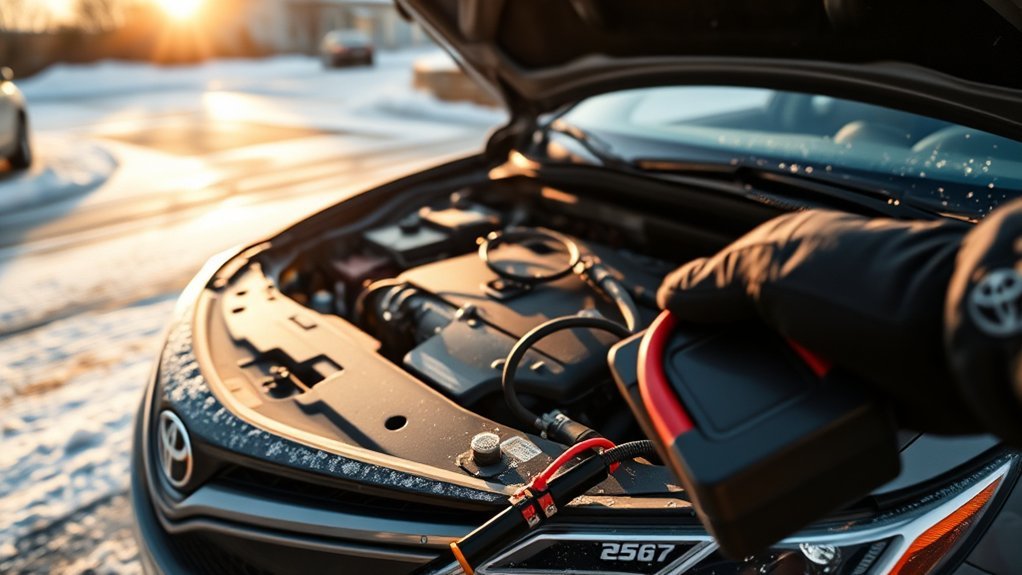
Because cold drastically reduces battery output and thickens fluids, your Camry can struggle to crank and fire in freezing temperatures. You’ll find cold weather causes three primary failure modes: reduced battery capacity limits starter torque, high-viscosity oil increases mechanical drag, and fuel-delivery problems create lean mixtures. Batteries older than four years lose reserve capacity that cold exacerbates, producing starting issues as the starter motor draws excessive current. Thicker oil at low temperatures raises crank resistance; switching to manufacturer-recommended lower-viscosity winter oil (for example, 0W-30) reduces that load. In extreme conditions, water in fuel lines or condensation can freeze, restricting fuel flow and preventing proper combustion. Electronic systems can also be affected: the push-button start may not register the fob when cold interferes with signal strength, so holding the fob closer helps. Understanding these technical constraints lets you take targeted steps to liberate yourself from winter immobilization by optimizing battery health, oil choice, and fuel-system moisture control.
How to Tell If Your Camry’s Battery Is the Culprit
Start by measuring the battery voltage with a multimeter—healthy, fully charged batteries should read about 12.6V at rest, while anything below 12.4V in cold conditions warrants further testing. Next, assess cold cranking performance: slow cranks or rapid voltage drop under load point to reduced cold-cranking amps and a likely weak battery. If readings are borderline, factor in battery age (over three years is suspect) and inspect terminals for corrosion before replacing or charging.
Battery Voltage Check
When your Camry struggles to turn over in cold weather, check the battery voltage with a multimeter to see if low charge is the cause; a healthy, fully charged battery should read between 12.4 and 12.7 volts. You’ll perform straightforward voltage monitoring: with ignition off, touch meter leads to terminals and record resting voltage. Below 12.4 volts signals weakness—cold reduces cranking capacity drastically—so don’t ignore readings. Practice routine battery maintenance: clean terminals, tighten connections, and remove corrosion that limits current flow. If the battery’s over three years old or shows low resting voltage, schedule a professional load test to confirm capacity. These checks free you from surprise failures and keep winter starts reliable.
Cold Cranking Performance
Checking resting voltage is a good first step, but you’ll also want to assess cold cranking performance—that is, whether the battery can deliver the amperage needed to turn the Camry’s engine over in low temperatures. You’ll compare the battery capacity and CCA ratings to Toyota’s spec (typically 400–600 CCA). In severe cold expect up to ~50% loss of starting power; that shift separates freedom from being stranded.
- Listen for slow cranking, dim headlights, or no dash lights when starting.
- Measure CCA under load with a tester or have it tested at a shop.
- Verify terminals are clean and connections tight to preserve effective capacity.
- Replace batteries that read below spec or show weak cold-crank results to reclaim reliable starts.
Quick Troubleshooting Steps for Push-Button Start Camrys
Having trouble getting your push‑button Camry to respond in cold weather? Use systematic push button troubleshooting and cold weather precautions: keep the key fob close to the start button to eliminate recognition failures, since distance and low temps impair the RF link. Confirm you’re depressing the brake pedal and engaging the parking brake—push‑button systems require that interlock. If the starter only produces a faint click, inspect battery voltage and terminal connections; cold reduces battery output and increases resistance. Tighten corroded clamps and clean terminals with a brush and dielectric spray. If voltage is low, attempt a jump‑start using proper clamps and a donor vehicle or a jump pack rated for cold cranking amps. After a successful start, run a basic electrical self‑check: lights, infotainment boot, and accessory responsiveness. If the problem persists, contact a Toyota dealer—your 2025 Camry may have warranty‑covered electrical diagnostics. These steps free you from guesswork and get you back on the road quickly.
Engine Oil and Fluids That Improve Cold Starts
If you’ve confirmed the fob, interlocks, and battery are sound but cold starts still drag, look next at the oils and fluids that affect startup behavior. You’ll reduce wear and make starts crisper by managing oil viscosity and fluid antifreeze properties. Switch to lighter weight oils (0W-30 or 5W-30) in cold weather so oil circulates immediately on crank. Prefer synthetic blends or full synthetics for sub-zero stability; they hold viscosity better and lower friction at first turn.
- Use 0W-30 or 5W-30 synthetic oil for improved low-temp flow and reduced starter strain.
- Change oil on a tighter winter schedule to guarantee fresh viscosity and protect bearings.
- Verify coolant concentration and level; correct antifreeze mix prevents freezing and thermal shock.
- Fill washer reservoir with winter-grade fluid to avoid frozen systems and maintain visibility.
Act decisively: proper oil and fluids free you from avoidable failures and preserve your Camry’s readiness when temperatures plunge.
Fuel System Problems and Preventing Fuel-Line Freeze
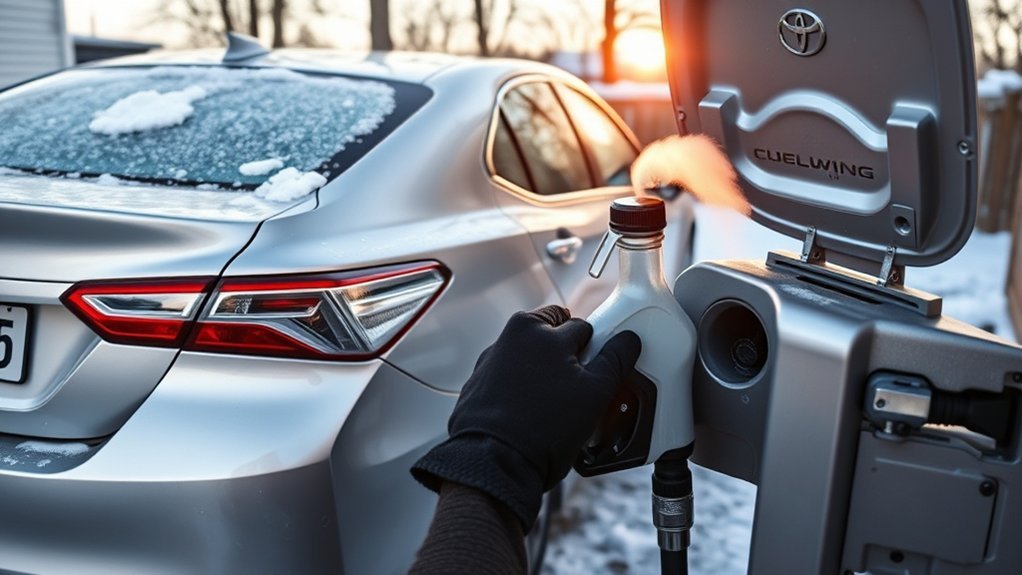
When temperatures drop, moisture in the tank or fuel lines can freeze and block flow, leaving your Camry hard to start or running rough; keep the tank at least half full to limit condensation and use winter-grade fuel plus anti-freeze additives formulated for fuel systems to reduce freeze risk. You’ll perform targeted freeze prevention by combining disciplined fueling with component maintenance. Use certified fuel-line de-icers or ethanol-scavenging additives per manufacturer dosing; they lower the freezing point and absorb residual water. Run high-quality winter-grade gasoline to improve vaporization and cold combustion. Inspect and replace clogged filters and service fuel injectors to maintain proper spray patterns and pressure; a fouled injector amplifies cold-start lean conditions. Routinely check fuel hoses and connections for cracks that invite moisture and air. If you store the vehicle, consider a fuel stabilizer and keep the tank topped above half to suppress headspace condensation. These steps free you from unpredictable winter starts and keep the fuel system reliably operational.
Using Block Heaters and Engine Warmers : Do You Need One?
Because cold oil and thickened fluids strain components during startup, you should seriously consider a block heater or engine warmer if you regularly park your Camry outdoors in extreme cold. They target engine and fluid temperature so oil circulates immediately, cutting wear and improving first-crank performance below about -10°F. For a liberated driver who values reliability, a heater reduces battery load and minimizes failed starts.
Park your Camry outdoors in extreme cold? A block heater ensures immediate oil circulation, less wear, and more reliable starts.
- block heater benefits: faster oil flow, less mechanical abrasion, improved battery efficiency in sub-zero conditions.
- Practical installation tips: use a rated outdoor extension cord, mount per manufacturer torque specs, and protect the plug from moisture.
- Operational tip: pair a timer to power the heater only long enough to reach target temps, saving energy while ensuring readiness.
- Fitment note: many newer Camry models accommodate block heaters; confirm compatibility with year/model and OEM guidelines.
Choose installation that you can inspect and control, giving you autonomy over cold-weather readiness without unnecessary complexity.
Maintenance Checklist to Prevent Winter Start Failures
Check your battery’s charge, terminals, and age regularly so you won’t be caught with insufficient cranking power in cold weather. Use lighter-weight synthetic oil (0W-30 or 5W-30) and verify antifreeze concentration to maintain proper lubrication and coolant performance at low temperatures. Those two checks—battery health and correct fluids—address the most common winter start failures.
Battery Health Checks
If your Camry’s battery is over three years old or shows any signs of weakness, inspect its voltage, terminals, and mounting before cold weather arrives. You’ll perform targeted battery maintenance: measure resting voltage (12.6V+ ideal), verify secure hold-downs, and watch for reduced capacity that winter amplifies. Don’t wait for a freeze to reveal a failing cell.
- Measure voltage with a digital multimeter; note readings below 12.4V for action.
- Perform terminal cleaning with a brush and baking-soda solution; remove corrosion and secure clamps.
- Use a charger/maintainer during long idle periods to prevent discharge.
- Check mounting hardware and vibration damage; replace deteriorated trays or hold-downs.
Act now to guarantee freedom from cold-start entrapment.
Proper Fluid Selection
Along with keeping the battery in top shape, you should pick and maintain fluids that behave predictably in cold weather to prevent start failures and component wear. Use synthetic oil (0W-30 or 5W-30) to optimize cold flow and minimize startup wear—fresh oil preserves designed fluid viscosity. Check antifreeze concentration and top to the recommended mixture so coolant won’t freeze and damage the engine. Maintain windshield washer fluid with antifreeze properties for clear visibility. Monitor brake and transmission fluids; they can thicken and alter system response at low temperatures. Consider approved winter additives only when manufacturer guidance supports them. Schedule timely oil changes and fluid inspections as deliberate acts of vehicle autonomy—these measures reduce cold-start risk and keep your Camry ready when conditions turn harsh.
Practical Tips for Driving and Storing Your Camry in Freezing Temps
When temperatures drop below freezing, protect your Camry’s starting and running systems by maintaining battery health, using the proper synthetic oil (0W‑30 or 5W‑30), keeping the fuel tank at least half full, and parking in a sheltered spot or garage. You want reliable engine performance; regular battery checks—especially after three years—prevent unexpected failures and support your winter preparation plan. Use fuel additives if you expect extreme cold and consider a block heater to pre-warm the engine for consistent cold starts.
- Check battery voltage and terminals monthly; replace weak batteries before deep cold hits.
- Drain and reinstall windshield wipers and keep washer fluid rated for freezing temps.
- Install a block heater or timed outlet to warm the engine before starting in subfreezing conditions.
- Park facing east or under cover to exploit morning sun and reduce ice buildup.
These steps give you control, reduce dependence on roadside help, and preserve performance so you can move freely through winter.
When to Call a Technician or Schedule Winter Service in Rockville, MD
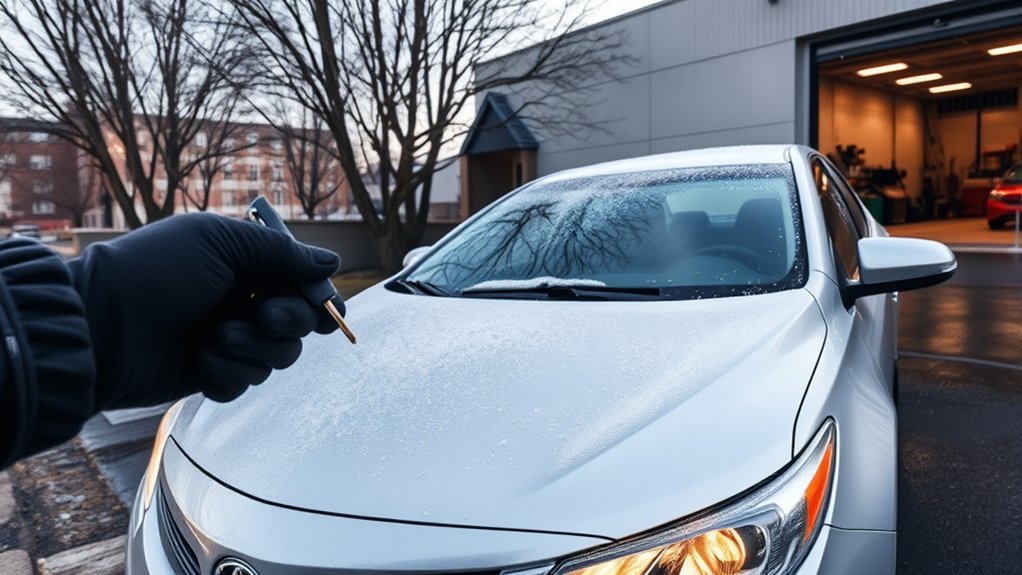
You’ve taken steps to improve cold starts, but persistent or recurrent problems mean it’s time to call a technician or book a winter service in Rockville, MD. If your 2025 Camry won’t start in extreme cold, schedule winter service to inspect the battery, starter motor, and electrical system for faults. If starting failures occur more than once, contact a technician for diagnostic testing to isolate parasitic draws, weak cells, or starter issues before they leave you stranded.
Keep annual maintenance before winter: have battery capacity, electrolyte condition, and all fluids checked. If your battery is over three years old, prioritize a service appointment to assess health and replace if needed. Consider having a technician install a block heater to improve sub-zero starts and preserve component life. Ask for technician advice on recommended cold-weather fluids and preventive controls. Acting early liberates you from emergency repairs and maintains dependable cold-weather performance.
Frequently Asked Questions
How Do I Ensure My Car Starts in Cold Weather?
Keep battery maintenance rigorous and use thinner engine oil for cold flow; you’ll keep the tank half full, use antifreeze fluids, and employ a block heater or remote starter so you’re free from freezing-start constraints.
What Are the 5 P’s for Cold Weather?
You’ll protect, prepare, park, prevent, and plug in: preparation tips include battery care and proper fluids; winter maintenance covers antifreeze, garage parking, block heaters—so you’ll liberate yourself from frozen starts like never before.
Should You Start Your Car and Let It Run in Extreme Cold Weather?
Yes — you should start it and let it run briefly in extreme cold to guarantee engine warm up and perform battery maintenance checks; you’ll prevent wear, avoid freezes, and retain freedom from roadside failures with proactive, technical care.
Conclusion
When winter closes like a steel gate, treat your Camry like a patient you know how to heal: battery, oil, fuel, and heaters are its pulse points. Stay precise—test the battery, use proper oil, protect fuel lines, and add a block heater if needed—to keep the engine’s heartbeat steady. Follow the checklist, store wisely, and call a technician when diagnostics flag trouble; small, technical acts keep cold from freezing your plans.