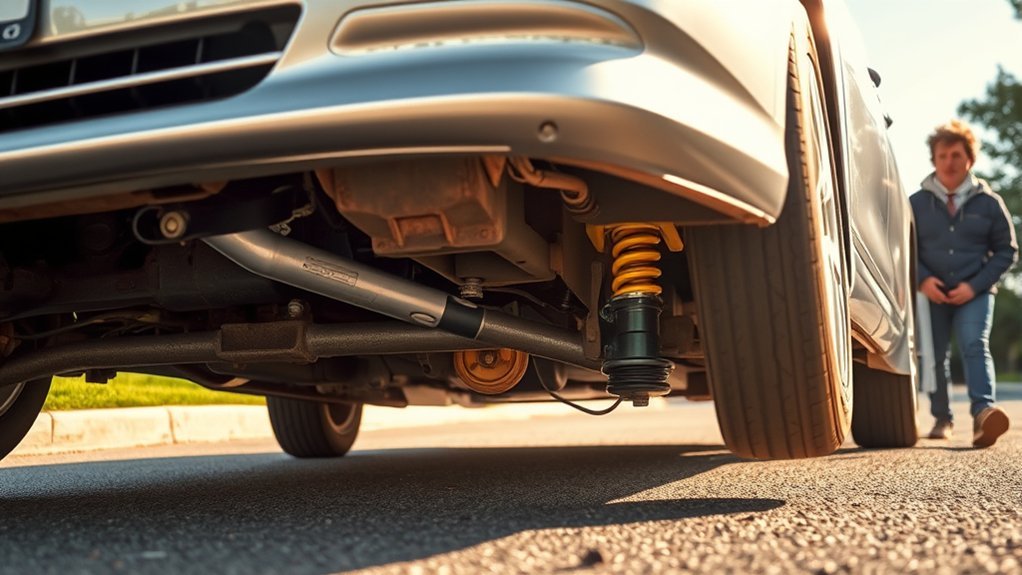
If your Toyota Camry’s making clunking noises over bumps, it’s likely due to worn control arm bushings or ball joints. These issues can affect your vehicle’s handling and safety. To spot problems, check for cracks in the sway bar bushings or listen for noise during turns. Regular inspections and proper lubrication can prevent these issues. If the sounds persist, it might be time to consult a professional. There’s more you can do to keep your ride smooth and safe.
Identifying the Source of Clunking Noises in Your Toyota Camry
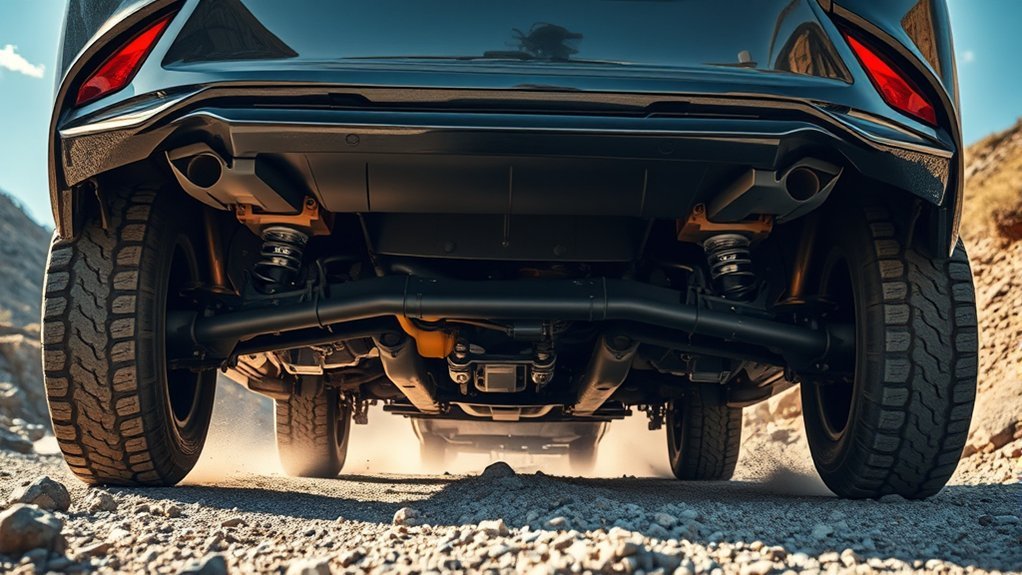
Have you noticed clunking noises when driving your Toyota Camry over bumps? Identifying the source of that suspension noise is essential for restoring your ride’s comfort. Often, these sounds stem from worn control arm bushings or ball joints, which may need replacement. You can also check for loose sway bar bushings; look for visible wear or movement during a thorough suspension inspection. Using diagnostic tools can help pinpoint the exact issue.
How to Spot Worn Sway Bar Bushings?
Wondering how to spot worn sway bar bushings in your Toyota Camry? Start by visually inspecting the bushings for cracks, tears, or hardened rubber, which indicate deterioration. If you hear a clunking noise when driving over bumps or during turns, it’s a strong sign of wear. For effective suspension troubleshooting, rock your vehicle side to side; excessive play or looseness in the bushings can be felt. Additionally, compare the size of your bushings to new ones; worn bushings may appear larger, affecting their fit. Regular maintenance checks, especially on older models, can help you identify these issues early, preventing more severe suspension problems down the road. If you notice any of these signs, consider bushing replacement to restore your ride’s stability and comfort. Taking these steps will help you stay in tune with your Camry’s performance.
The Role of Control Arms and Ball Joints in Suspension Noise
Worn sway bar bushings can lead to noticeable clunking noises, but they aren’t the only culprits in your Toyota Camry’s suspension system. Control arms provide stability, allowing controlled movement over bumps, while ball joints connect them to the steering knuckles. If either of these components wears out, you’ll hear clunking sounds when driving over uneven surfaces or during turns.
To keep your ride smooth, regular control arm maintenance and ball joint inspection are essential. Neglecting these can lead to worse issues down the line. Here’s a quick overview:
| Component | Impact of Wear |
|---|---|
| Control Arms | Clunking when hitting bumps |
| Ball Joints | Noise during slow stops or turns |
| Maintenance Needs | Regular inspections to guarantee safety |
Addressing worn control arms and ball joints promptly can greatly enhance your driving comfort and safety. Don’t let noise dictate your driving experience!
Step-by-Step Guide to Inspecting Suspension Components
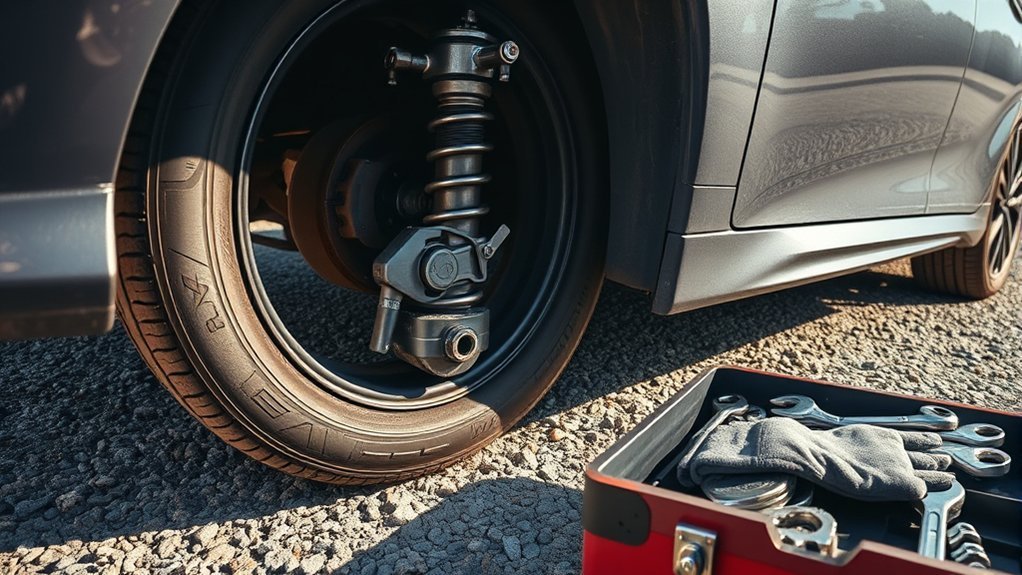
When tackling that clunking sound in your Toyota Camry, start by checking the control arm bushings for any signs of wear or damage. Next, inspect the sway bar links; loose or worn links can greatly contribute to those annoying noises over bumps. By methodically examining these components, you can pinpoint the source of the problem and take the right steps toward a smoother ride.
Check Control Arm Bushings
To guarantee a smooth ride in your Toyota Camry, it’s important to inspect the control arm bushings regularly. Start by checking for visible wear, cracking, or tearing; any damage can lead to annoying clunking noises when driving over bumps. Next, verify a secure fit by testing for excessive play in the control arms during your manual inspection. Use a pry bar to check the bushings—any noticeable movement or separation indicates they need replacement. Compare the old bushings with new ones to confirm size; worn bushings might be larger or have a broken interior. Regular control arm maintenance is essential for extending the bushings’ lifespan and guaranteeing your vehicle’s safety and performance. Don’t overlook these critical components!
Inspect Sway Bar Links
After verifying your control arm bushings are in good shape, it’s time to turn your attention to the sway bar links. Start your sway bar inspection by checking for visible damage, wear, or looseness. These factors can lead to clunking noises when you drive over bumps. With a socket wrench, confirm the bolts securing the sway bar links are tight, free from rust or corrosion. Next, compare the length and diameter of the links to your Toyota Camry’s specifications. Look for excessive play in the joints, as this often signals the need for replacement. Regular maintenance and lubrication of sway bar links can help prevent noise and extend the lifespan of your suspension components, enhancing your driving experience.
Why Sway Bar Bushing Size Matters
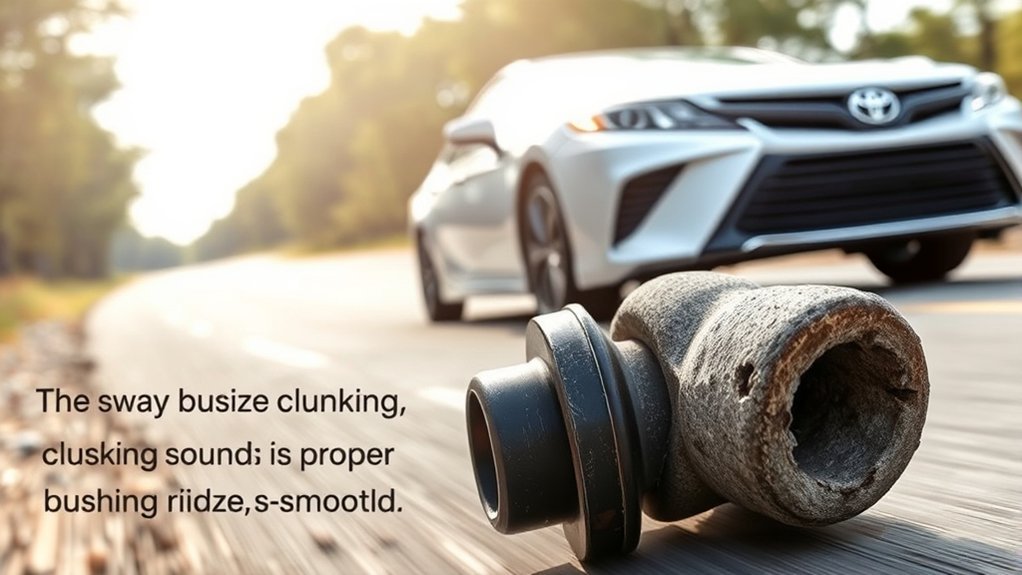
Choosing the right sway bar bushing size is essential for your Camry’s performance and handling. A proper fit not only minimizes clunking noises but also enhances your vehicle’s ride quality. If you overlook this detail, you could face unnecessary repairs and compromised safety down the line.
Correct Fit Ensures Performance
When it comes to maintaining your Toyota Camry’s suspension, understanding the importance of sway bar bushing size is vital. Using the correct size guarantees a snug fit, minimizing play in the sway bar. This not only enhances ride comfort but also reduces clunking noises over bumps. If you use the wrong size bushing, you risk increased wear and potential suspension issues. Remember, the diameter and fit can vary between USA-made and Japanese-made models, so always check your VIN. Additionally, bushing materials and proper installation techniques play a key role in performance. Regular inspections and timely replacements of worn bushings can greatly improve your vehicle’s stability and overall handling, liberating you from unwanted noise and discomfort.
Size Impact on Handling
The size of your sway bar bushing plays a significant role in how your Toyota Camry handles on the road. A correctly sized bushing enhances handling precision, guaranteeing ideal stabilization during cornering. Larger diameter bushings fit tighter, reducing play and boosting responsiveness—key for performance enhancement. However, using the wrong size can lead to increased body roll and instability, especially in older Camrys.
| Bushing Size | Impact on Handling |
|---|---|
| Small | Increased body roll |
| Medium | Balanced responsiveness |
| Large | Enhanced control |
| Correct | Ideal stability |
| Incorrect | Clunking noises |
Choosing the right bushing material during suspension upgrades guarantees your Camry performs as intended, liberating your driving experience.
Preventing Additional Repairs
While many drivers overlook the importance of sway bar bushing size, using the wrong size can lead to more than just clunking noises; it can set off a chain reaction of costly repairs. Ensuring you select the correct bushing is key to maintaining your vehicle’s stability. Here’s why it matters:
- Mismatched sizes can cause improper fitment, worsening clunking.
- Verify specifications based on your VIN to avoid issues, especially with diameter differences between US and Japanese models.
- Properly fitting bushings prevent damage to surrounding components.
- Regular maintenance checks help catch wear early, reducing the risk of expensive fixes.
Investing in quality bushing materials and adhering to maintenance frequency can liberate you from unexpected repair costs.
Replacing Sway Bar Bushings: A Safe Guide
If you’re noticing clunking noises in your Toyota Camry as you drive over bumps, replacing the sway bar bushings could be a straightforward solution. Start by removing the two 12mm bolts on each side of the sway bar; this allows for easy access to the bushings. It’s essential to order the correct bushing types based on your Camry’s VIN since USA and Japanese models have different specifications.
Once you have the new bushings, apply anti-seize on the bolts and lithium grease on the bushings for enhanced longevity. You’ll likely notice significant wear when you compare the old and new bushings, with the new ones providing a tighter fit and better functionality. Properly installing these bushings can effectively resolve those annoying clunking noises and improve your vehicle’s overall suspension stability, freeing you from unwanted distractions on the road.
Signs of Further Suspension Issues in Your Toyota Camry
Noticing clunking sounds while driving your Toyota Camry can be more than just an annoyance; it often signals deeper suspension issues. Recognizing these suspension symptoms early can save you from costly repairs down the road. Keep an ear out for the following signs:
Noticing clunking sounds in your Toyota Camry? Early recognition of suspension issues can prevent costly repairs later.
- Persistent clunking noises, especially over bumps
- Uneven tire wear, hinting at alignment problems
- Loose or worn control arm bushings and ball joints
- Knocking sounds from a loose sway bar bushing
If you’ve replaced components like sway bar bushings and the noise continues, it’s time for a thorough noise diagnosis. Regularly inspecting your suspension, including tie rod ends and strut mounts, is vital for safe driving. Remember, maintaining proper alignment after repairs is essential to avoid further clunking and guarantee your Camry remains a reliable companion on the road.
Essential DIY Suspension Maintenance Tips for Your Toyota Camry
Maintaining your Toyota Camry’s suspension is essential for a smooth and safe driving experience. Start by regularly inspecting control arm bushings and ball joints for wear; damaged or loose components can cause annoying clunking noises. Confirm your sway bar links are securely tightened, as loose connections can lead to both noise and handling issues. When installing new sway bar bushings, apply lithium grease to enhance longevity and reduce friction.
Always order the correct sway bar bushing using your Camry’s VIN, since differences exist between USA and Japanese models. Additionally, if you make any suspension upgrades or replace components, perform a thorough alignment afterward to guarantee peak handling and tire wear. By sticking to a proactive maintenance schedule, you can catch potential problems early, confirming your driving experience remains enjoyable and liberating.
When to Consult a Professional Mechanic for Suspension Problems?
Certain signs indicate it’s time to consult a professional mechanic about your Toyota Camry’s suspension. If you hear persistent clunking noises over bumps, even after replacing components like sway bar bushings, it’s a red flag. Here are some key indicators that warrant professional help:
- Changes in handling, like increased body roll or misalignment, post-DIY repairs
- Unexplained noises that vary with speed or driving conditions
- Difficulty in steering or a feeling of looseness in the vehicle
- Observed wear on tires that could indicate alignment issues
A professional mechanic can perform detailed suspension diagnostics and noise evaluation, uncovering hidden problems like worn ball joints or loose strut shaft nuts. They have specialized tools to identify issues that might elude your casual inspection. When in doubt, don’t hesitate to seek expert assistance to guarantee safety and peak vehicle performance.
Frequently Asked Questions
What Can Cause Clunking When Going Over Bumps?
Clunking when you go over bumps often comes from worn suspension components. Check for noise sources like control arm bushings, ball joints, and loose strut nuts, as they can affect your ride’s comfort and safety.
How Much Does It Cost to Fix the Suspension on a Toyota Camry?
Fixing your Toyota Camry’s suspension typically costs between $300 and $2,000, depending on parts replacement pricing and labor. Consider all factors, including alignment services, to guarantee your vehicle handles smoothly and safely.
How to Diagnose a Suspension Clunk?
To diagnose that delightful clunk, you’ll inspect the suspension, hunting for noise sources like worn bushings and loose struts. Listen closely; your car’s just trying to communicate its suspension woes!
Conclusion
In summary, addressing clunking noises in your Toyota Camry is essential for your vehicle’s performance and safety. For instance, a driver named Lisa noticed clunking when hitting potholes; upon inspection, she discovered worn sway bar bushings. After replacing them, the noise vanished, and her ride became smoother. By staying proactive with your suspension maintenance, you can prevent further issues and enjoy a safer, more comfortable driving experience. Don’t hesitate to consult a professional if problems persist!