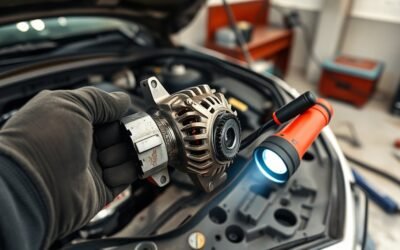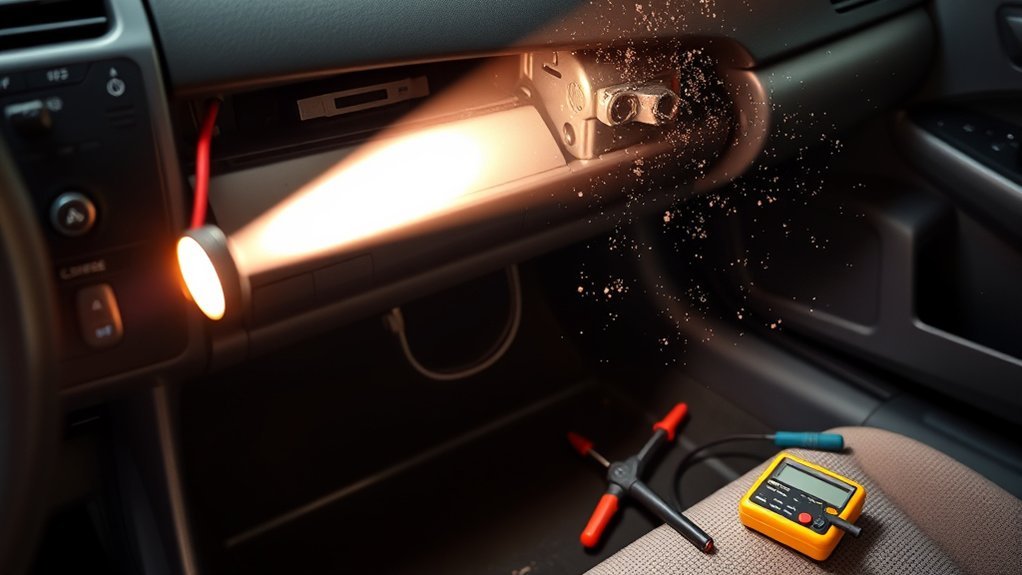
If your Toyota Camry’s blower motor isn’t working, start by checking the fuse under the hood. A blown fuse can disrupt airflow, so inspect it for any damage. If it’s fine, test the blower motor using a digital voltmeter for continuity. Look for other issues like a faulty resistor or damaged wiring. If you need to replace the motor, make sure to disconnect the battery first. There are effective steps you can take to improve performance.
Understanding Your Toyota Camry’s Blower Motor
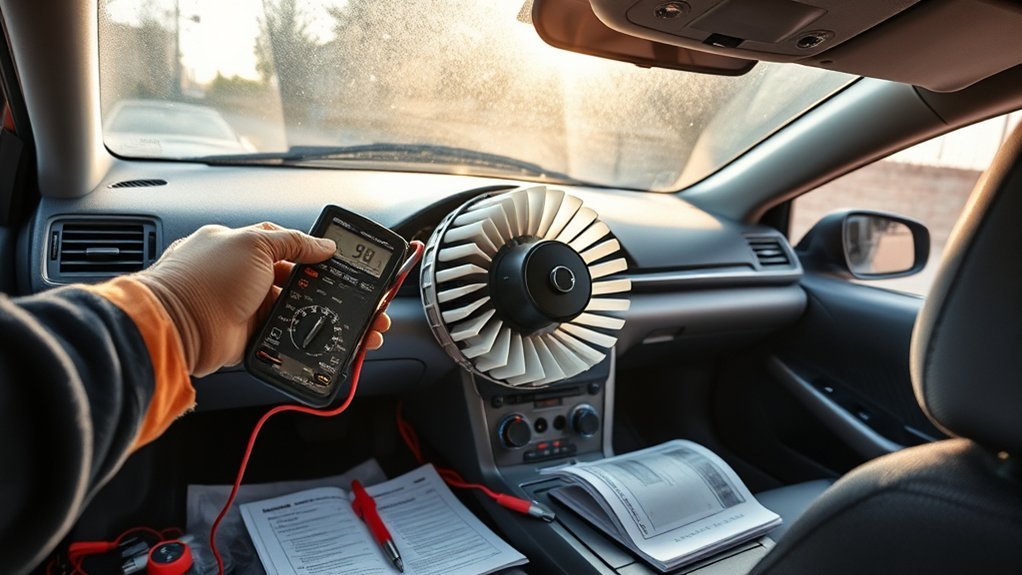
Understanding your Toyota Camry’s blower motor is vital for maintaining a comfortable cabin environment. The blower motor’s primary role is to circulate air throughout the vehicle, guaranteeing optimal air circulation. Located under the passenger side glove box, this component is essential for effective heating and cooling.
Blower motor basics include recognizing that a blown fuse can interrupt functionality, often indicated by fogged plastic and a missing link. If you need to troubleshoot, using a digital voltmeter to check for continuity between the motor’s terminals is a reliable method. A reading of continuity suggests an internal short, which requires attention.
When replacing the blower motor, always verify there’s no continuity between terminals before installation to avoid further issues. Remember to disconnect the negative battery cable for safety during repairs. By understanding these elements, you empower yourself to maintain your Camry’s air circulation effectively.
Identifying Blower Motor Issues
When your Toyota Camry’s blower motor fails, pinpointing the issue quickly can save you time and frustration. Start by checking the blower motor fuse, especially if the problem arose after a jump start. Located in a multi-fuse block under the hood on the driver’s side, you’ll need to remove a 10mm nut to access it. A blown fuse can often be identified by fogged plastic and a missing link. Next, test the blower motor for continuity. Check for no connection between the large pins and verify there’s no continuity to ground; this indicates a potential internal short. Remember, different blower motor types have specific voltage requirements, so confirm compatibility during replacement. Before installing a new blower motor, verify it shows no continuity between terminals to prevent recurring issues. Identifying these problems early keeps your Camry running smoothly.
Step-by-Step: Checking the Blower Motor Fuse
To check the blower motor fuse in your 2013 Toyota Camry, start by locating the multi-fuse block under the hood on the driver’s side. You’ll need to remove a 10mm nut to access the fuse location. Once you have access, perform fuse identification by inspecting the blower motor fuse. A blown fuse will show fogged plastic and a missing link, while intact fuses should appear clear and connected.
If the fuse is blown, replace it using part number 82620-33070, which usually costs around $20. Before you swap out the fuse, disconnect the negative battery cable to avoid any electrical issues. After replacing the fuse, verify the blower motor is off before reconnecting the battery to prevent any recurrence of the problem. This quick check can restore your comfort on the road.
Testing Your Blower Motor for Problems
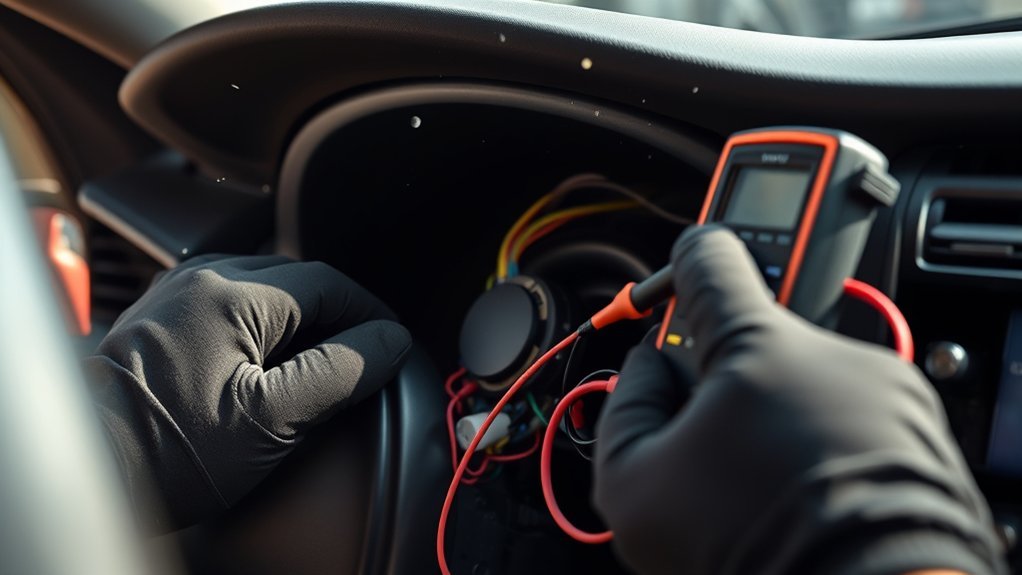
After ensuring the blower motor fuse is intact, the next step involves testing the blower motor itself for any underlying issues. Start by locating the blower motor under the passenger side glove box. Disconnect the negative battery cable to prevent any electrical hazards. Use a digital voltmeter set to ohms or continuity for accurate measurements. Perform a continuity check between the large pins of the blower motor. A reading of no connection indicates the motor is functioning properly. Be sure to check for continuity to ground; any connection may signal an internal short within the motor. If you find continuity between the terminals, the blower motor is likely defective and should be replaced. This straightforward electrical testing can save you time and frustration, ensuring your Toyota Camry’s heating and cooling system operates effectively.
How to Properly Replace Your Blower Motor
Replacing your blower motor in a 2013 Toyota Camry requires careful attention to detail to confirm proper installation. Start by disconnecting the negative battery cable for safety. Access the blower motor under the passenger side glove box, removing any necessary panels for visibility. Test the old blower motor with a digital voltmeter; continuity indicates an internal short, meaning it must be replaced.
Before installing the new blower motor, verify it shows no continuity between terminals to confirm it’s functional. Familiarize yourself with different blower motor types to choose the right one.
Here are some installation tips:
| Step | Action | Notes |
|---|---|---|
| 1. Disconnect Battery | Safety first! | Prevent electrical shorts. |
| 2. Access Motor | Remove glove box panel | Ensure good visibility. |
| 3. Test Old Motor | Use a voltmeter | Check for continuity. |
| 4. Install New Motor | Securely fasten it | Follow manufacturer guidelines. |
| 5. Reassemble | Replace panels and install new fuse | Ensure blower is off before reconnecting. |
Complete Your Repair Process Successfully
Completing your repair process successfully hinges on a few key checks and steps. Prioritize electrical safety to guarantee your work is both effective and secure. Follow these three essential steps:
- Check the Fuse: Before replacing the blower motor, inspect the fuse under the hood. A blown fuse often signals electrical issues impacting the blowers’ efficiency.
- Perform Continuity Tests: Use a digital voltmeter to check for continuity between the motor’s terminals. If there’s continuity, the motor has an internal short and needs replacement.
- Verify New Motor: Confirm the new blower motor shows no continuity between terminals before installation. This verifies it’s functioning correctly and ready for use.
Always disconnect the negative battery cable while working on electrical components. Following these steps will help you complete your repair effectively and safely, enhancing your vehicle’s performance.
Common Blower Motor Issues and How to Avoid Them
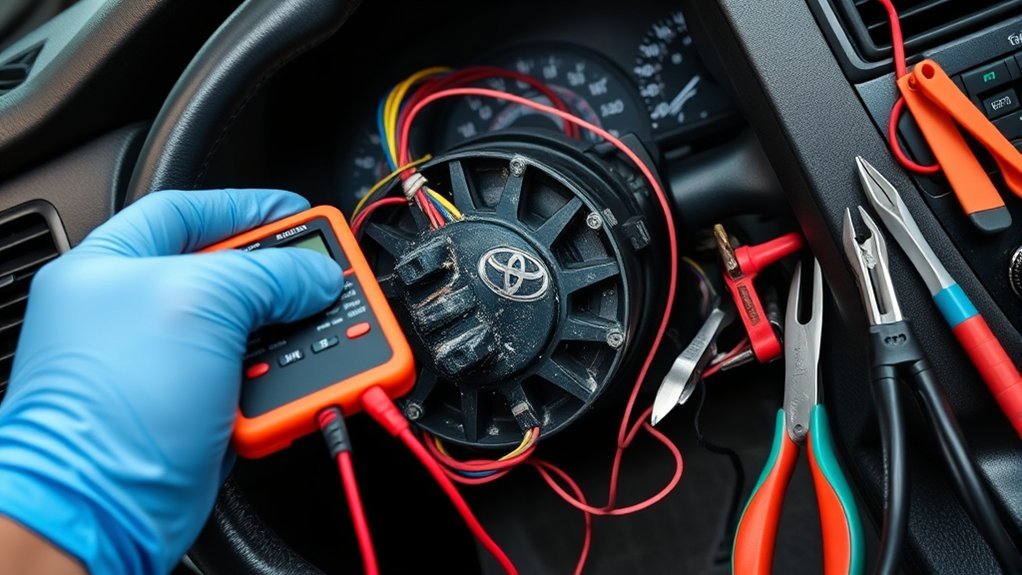
Blower motor issues can arise from blown fuses, internal shorts, and faulty connections, often worsened by improper jump-starting. To avoid these problems, regularly check your fuses and disconnect the negative battery cable when working on the system. Implementing preventive maintenance will help keep your blower motor functioning efficiently.
Common Causes Explained
When diagnosing common blower motor issues, it’s essential to recognize several key factors that can lead to failure. Understanding these causes can help you maintain peak performance of different blower motor types. Here are three common culprits:
- Blown Fuses: Look for fogged plastic or a missing link in the fuse panel; this often indicates a blown fuse.
- Internal Shorts: Use a digital voltmeter to check for continuity between the motor’s terminals, which can reveal internal shorts.
- Electrical Issues: Improper jump-starting or leaving the key in the “on” position can create faults in electrical connections, causing malfunctions.
Preventive Maintenance Tips
To maintain ideal performance of your vehicle’s blower motor, regular preventive maintenance is essential. Start by inspecting and replacing the cabin air filter to prevent debris buildup, which can strain the blower motor and reduce airflow efficiency. Verify proper electrical maintenance of your vehicle’s system; avoid incorrect jump-starts that can damage the blower motor circuit. Periodically check the fuse for the blower motor, as a blown fuse may reveal underlying electrical issues. Keep the blower motor’s housing clear of obstructions to prevent overheating and potential failure. Finally, schedule routine maintenance checks to evaluate the blower motor and associated wiring for signs of wear or damage, verifying longevity and reliable performance.
Frequently Asked Questions
What Can Cause My Blower Motor to Stop Working?
Your blower motor might stop working due to blown fuses, electrical issues from incorrect jump-starting, or grounding problems. Check for continuity in the motor and verify all connections are secure to diagnose effectively.
Why Is My Toyota Camry AC Not Blowing Air?
If your Toyota Camry’s AC isn’t blowing air, check for airflow issues like a blown fuse or faulty blower motor. Use AC troubleshooting tips to identify problems and restore proper air circulation effectively.
How Much Does It Cost to Replace a Blower Motor on a Toyota Camry?
Replacing a blower motor can feel overwhelming, but it typically costs between $200 and $500, including parts and labor. Repair costs vary based on your location and any additional repairs needed.
Conclusion
So, you’ve tackled your Toyota Camry’s blower motor issues—congratulations! It’s almost amusing how a tiny motor can cause such a big headache, isn’t it? By following the steps to check the fuse, test the motor, and replace it if necessary, you’ve earned your DIY badge. Just remember, a well-functioning blower isn’t just about comfort; it’s a reminder that sometimes the smallest components can bring you the greatest relief—like a welcome change on a sweltering day!