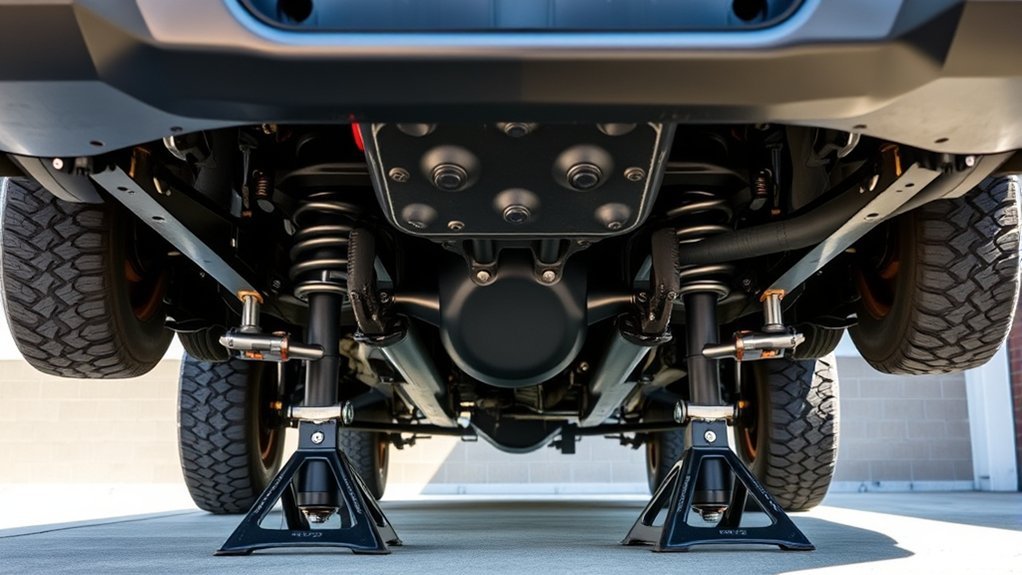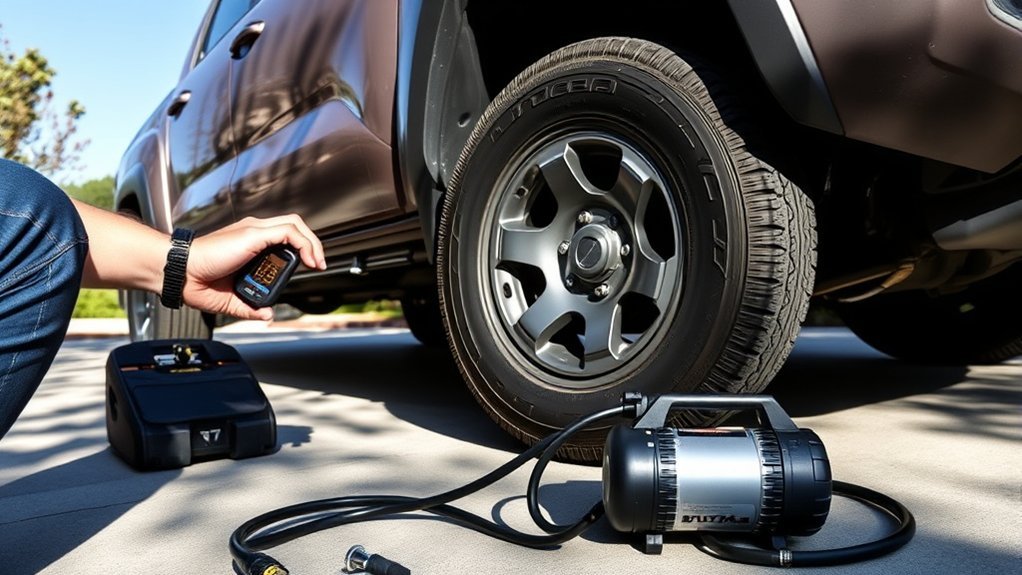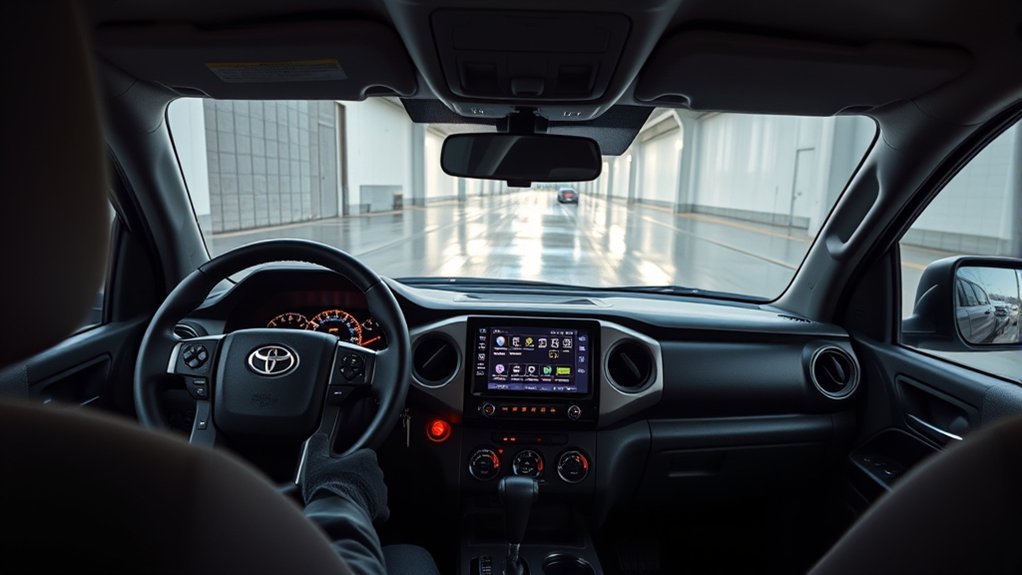
Your Tacoma Hybrid can slow down while saving energy, but only when the system has the right conditions to recover it. Regenerative braking uses the electric motor as a generator during deceleration, turning some motion energy into battery charge instead of losing it as brake heat. This guide explains how the system blends motor braking and hydraulic braking, why it can reduce brake wear, and how you can drive to capture more energy.
Quick Answer
Tacoma Hybrid regenerative braking uses the electric motor to slow the truck and send recovered energy to the hybrid battery. The system uses blended braking, so hydraulic pads help at very low speeds or during hard stops. Smooth, early braking helps you recover more energy and may reduce brake wear, brake dust, and service costs.
Key Takeaways
- Regenerative braking captures some energy during deceleration and sends it to the hybrid battery.
- Hydraulic brakes still handle low-speed stops, urgent stops, and situations where the truck needs more braking force.
- Smooth, planned braking gives the system more time to recover energy.
- Less friction-brake use can mean longer pad life, less dust, and lower brake service costs.
- Warning lights, weak brake feel, or uneven brake wear need prompt inspection by a qualified technician.
What Regenerative Braking Means for Tacoma Hybrid Owners

Regenerative braking on the Tacoma Hybrid converts kinetic energy into electrical energy while you slow down. The system sends that energy to the hybrid battery, which can improve overall efficiency and reduce fuel consumption during everyday driving.
You still need the internal combustion engine, but energy recovery helps the truck use less fuel in many stop-and-go conditions. You can expect the strongest driving efficiency gains when you brake early, coast when safe, and avoid sudden stops.
The electric motor handles much of the normal braking work, while hydraulic brakes remain ready for low-speed stops and urgent stops. This setup can reduce friction-brake wear, cut brake dust, and support lower service costs over time.
How Does the Tacoma Hybrid Convert Motion Into Battery Charge?
When you lift off the accelerator or press the brake, the Tacoma Hybrid’s electric motor reverses its role. Instead of using electrical power to help move the truck, it acts as a generator and creates resistance that slows the vehicle.
The inverter and power electronics manage the current and route usable energy to the hybrid battery. The vehicle control unit adjusts regenerative torque so the truck slows in a smooth, controlled way.
This process recovers energy that friction brakes would otherwise turn into heat. You gain better range efficiency, and the mechanical brakes do less work during routine driving.
When Does the Motor Brake and When Do the Pads Kick In?
The motor does most of the slowing during light and moderate braking. As speed drops, the system blends in the hydraulic brakes so the truck can stop fully and predictably.
Many hybrid systems rely more on friction brakes at very low speeds, because regenerative braking works best while the vehicle still has enough motion to recover energy. The Tacoma Hybrid also uses the pads when you brake hard or need maximum stopping force.
The brake control unit manages the handoff between regenerative braking and friction braking. You should feel a steady pedal response rather than a harsh switch from one system to the other.
Note: Regenerative braking can feel different as battery charge, road conditions, speed, and brake demand change.
[Products Worth Considering]

This 13-piece automotive tool kit is designed to simplify connector, relay, fuel line, hose, and trim removal tasks on a wide range of vehicles. It includes specialized pliers and removal tools for harnesses, clamps, clips, and panels, helping you work efficiently while reducing the risk of damage. Organized storage bags keep the set easy to carry and ready for garage or roadside repairs.

This coolant electric water pump is designed as a replacement for select Toyota vehicles, helping maintain proper engine cooling performance and reliable temperature control. Built to OE specifications, it offers fitment support for compatible Avalon, Camry, and RAV4 models with 2.5L L4 engines. It also includes cross-reference part numbers for easier matching and comes with after-sales support for covered defects.

The NOCO GENIUS5 is an all-in-one battery charging and maintenance solution for 6V and 12V lead-acid and lithium batteries. It features temperature compensation, dead-battery recovery, desulfation, and safe long-term maintenance to help extend battery life and performance. Compact and versatile, it works with a wide range of vehicles and comes with mounting accessories and a warranty.
How Regen Extends Brake Life, Reduces Dust, and Lowers Service Costs
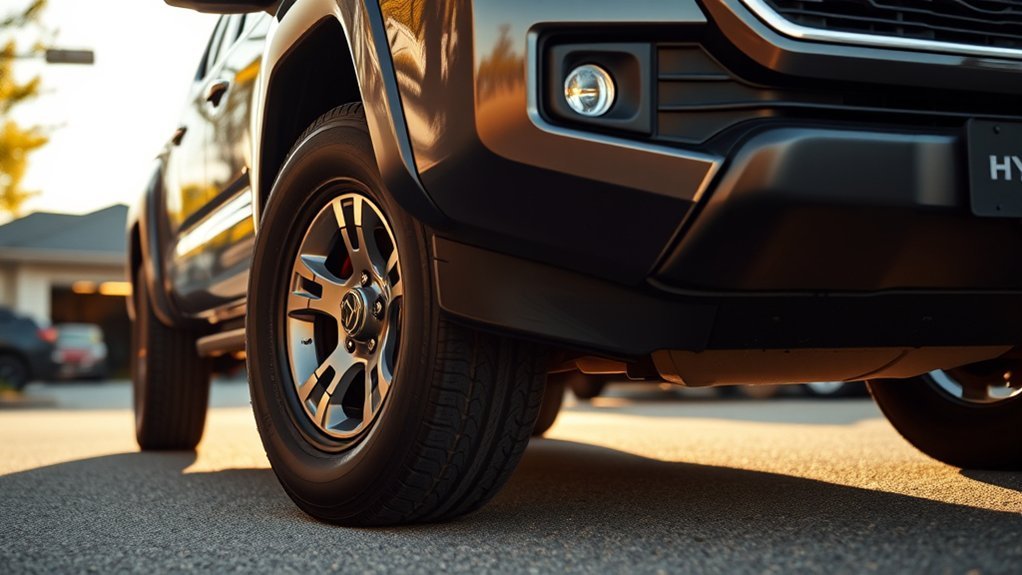
Because the hybrid motor supplies much of the deceleration, your Tacoma’s friction brakes often work less than they would in a non-hybrid truck. Less pad contact can extend brake life, reduce wheel dust, and lower routine service needs.
Brake life still depends on your driving style, terrain, payload, weather, and maintenance habits. Heavy towing, steep descents, and frequent hard stops can wear pads faster.
| Metric | Effect | Benefit |
|---|---|---|
| Pad life | Less friction use | Fewer replacements |
| Dust generation | Reduced pad contact | Cleaner wheels |
| Service cost | Lower brake wear | Reduced maintenance spend |
| Energy recovery | Captured battery charge | Improved fuel efficiency |
You’ll notice the biggest benefit when you drive in city traffic or rolling terrain. Those conditions create more chances to slow down gradually and recover energy.
How to Drive and Troubleshoot to Get the Most Regen From Your Tacoma Hybrid
To maximize regen efficiency in your Tacoma Hybrid, anticipate stops early and brake gently. Early braking gives the motor more time to capture kinetic energy before the hydraulic brakes need to help.
Use “B” mode on long descents when the owner’s manual recommends it. This mode can increase braking force and help reduce brake use on downhill grades, but normal drive mode usually suits everyday roads.
- Look farther ahead so you can slow down sooner.
- Use smooth accelerator inputs to avoid wasted energy.
- Brake lightly when traffic allows safe stopping distance.
- Watch trip data to learn which habits improve efficiency.
- Schedule service if warning lights, odd brake feel, or uneven wear appear.
Pro tip: The best regen habit is simple: coast early, brake gently, and leave more space.
[Products Worth Considering]

TACOMA ACCESSORIES for 3rd GEN OWNERS – Add personality to your keys with a detailed truck keychain made for Tacoma fans. A great match with Tacoma 2016-2023 or even tacoma 2026 accessories, interior upgrades, decals, stickers, key fob accessories, and everyday truck gear, goes well with key fob.

Vehicle Fit: This hidden storage box is compatible with 2016-2023 Tacoma in all models. Simply remove the double-sided adhesive and stick it on without affecting the use of the armrest box cover.
What Can Limit Regenerative Braking Performance?
Regenerative braking does not work at full strength in every condition. A full battery, cold battery, slippery road, or hard brake request can reduce how much energy the truck recovers.
The system may rely more on friction brakes when it needs extra stopping force or stability control. That shift protects braking performance and vehicle control.
You should treat any brake warning light, grinding sound, pulsing pedal, or longer stopping distance as a service issue. Regenerative braking supports the brake system, but it does not replace regular inspections.
Warning: Do not ignore brake warning lights or reduced braking performance, even if regenerative braking still seems active.
Frequently Asked Questions
How Does the Regenerative Braking System Work in the Toyota Hybrid System?
The system uses the electric motor as a generator while you slow down. It creates braking resistance, sends recovered energy to the battery, and reduces how often the friction brakes do the work.
Does regenerative braking replace normal brakes?
No. Your Tacoma Hybrid still uses hydraulic brakes for low-speed stops, hard stops, and conditions where the truck needs more braking force. Regenerative braking helps reduce brake use, but it does not remove the need for pads, rotors, fluid, and inspections.
Why does regen feel weaker sometimes?
Regeneration can feel weaker when the battery has a high state of charge, the road surface has low traction, or the system needs friction brakes for safety. Temperature and driving mode can also affect the braking feel.
Should you use B mode all the time?
No. Use B mode mainly on long downhill grades or when the owner’s manual recommends it. For normal driving, standard drive mode usually gives the best balance of efficiency and smooth operation.
Conclusion
Tacoma Hybrid regenerative braking helps you recover energy while reducing the workload on the friction brakes. Your best next step is to drive with more space, brake earlier, and use smooth pedal inputs whenever traffic allows. Watch for warning lights or brake feel changes, and schedule service before small issues grow. With steady habits, you can improve efficiency, reduce wear, and get more value from the hybrid system.