Tacoma Hybrid regenerative braking uses the electric motor to convert kinetic energy into battery charge, cutting fuel-equivalent use and dramatically reducing mechanical brake duty. The motor supplies most deceleration, with hydraulic pads engaging below about 7 mph or during hard stops; the inverter and vehicle control unit modulate torque for smooth blended braking. Expect brake pads to last far longer, less wheel dust, and lower service costs. Keep going to see practical driving tips and troubleshooting steps.
What Regenerative Braking Means for Tacoma Hybrid Owners

Regenerative braking on the Tacoma Hybrid converts kinetic energy into electrical energy to recharge the battery while you drive, improving overall efficiency and reducing fuel consumption. You gain measurable energy recovery that feeds the battery during deceleration, so you rely less on the internal combustion engine. Expect substantial driving efficiency gains: lower fuel use, extended range, and reduced emissions per mile. The system engages the electric motor for primary braking, which keeps mechanical brake engagement to low-speed (<7 mph) or emergency scenarios, letting brake pads last 150,000–200,000 miles in many cases. Fewer brake interventions mean less brake dust, cleaner wheels, and reduced maintenance costs. Operationally, you’ll feel predictable regenerative deceleration calibrated for smooth changes between electric and hydraulic braking. For drivers seeking liberation from frequent service and high fuel bills, that predictability matters: you reclaim lost energy, cut running costs, and simplify upkeep, all while preserving vehicle longevity and promoting eco-conscious driving behavior.
How Does the Tacoma Hybrid Convert Motion Into Battery Charge?
When you lift off the accelerator or press the brake, the Tacoma Hybrid’s electric motor reverses to act as a generator, converting the vehicle’s kinetic energy into electrical current that’s routed to the hybrid battery; this electromechanical energy capture happens primarily at speed, while hydraulic brakes only engage below about 7 mph or for emergency stopping. You’ll see immediate energy recovery: the motor’s rotor switches function, the inverter redirects torque into electrical flow, and onboard power electronics condition and store that charge in the hybrid battery. The braking mechanics are coordinated by the vehicle control unit, which modulates regenerative torque to meet deceleration targets while maximizing charge capture. This system reduces frictional brake use, extending pad life often beyond 150,000 miles and lowering maintenance burden. You get smoother deceleration and greater range efficiency because kinetic energy that would be lost as heat is reclaimed as usable electrical energy, supporting both liberation from frequent service and a more resilient drivetrain.
When Does the Motor Brake and When Do the Pads Kick In?
You’ll notice the motor does most of the slowing under normal braking: it reverses to generate torque opposition and capture energy until vehicle speed drops to about 7 mph, at which point hydraulic pads take over for low-speed stopping. You’ll feel strong, predictable pedal response as the hybrid control blends regenerative torque with friction braking. Under light-to-moderate deceleration the motor provides primary braking, maximizing braking efficiency and routing recovered energy to the battery.
If you demand rapid deceleration or hit the pedal hard, the system blends or immediately brings conventional pads online to meet stopping-force targets and safety margins. That shift is managed by the brake control unit to avoid abrupt changes in pedal feel; you won’t notice a jarring handoff. In practice, regen handles most urban slowdown, pads engage below ~7 mph and during emergencies, and the combined control preserves consistent braking efficiency and dependable pedal response for drivers seeking autonomy and control.
How Regen Extends Brake Life, Reduces Dust, and Lowers Service Costs

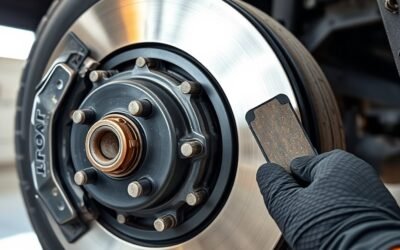
Because the hybrid motor supplies most deceleration, your Tacoma’s friction brakes see far less duty cycle and wear—original pads commonly exceed 150,000 miles, with owner reports past 200,000 miles—so you’ll replace pads far less often. Regen shifts kinetic energy capture to the motor, improving brake longevity and vehicle efficiency while lowering service intervals. That means fewer parts, less labor, and tangible cost savings over the truck’s life.
| Metric | Effect | Benefit |
|---|---|---|
| Pad life | +150k–200k mi | Fewer replacements |
| Dust generation | Significant ↓ | Cleaner wheels |
| Service cost | Lower total | Reduced maintenance spend |
| Energy recovery | Regenerated kWh | Improved mpg-equivalent |
You’ll experience dust reduction because pads engage only rarely; particulate emissions drop and aesthetics stay liberated from grime. Data-driven owners see lower annual maintenance spend and a smaller environmental footprint. Regenerative design consequently aligns performance, economy, and sustainable ownership without sacrificing utility.
How to Drive and Troubleshoot to Get the Most Regen From Your Tacoma Hybrid
Want to maximize regen efficiency in your Tacoma Hybrid? Anticipate stops early so the electric motor captures more kinetic energy; this single driving technique yields measurable recovery versus late braking. Shift to “B” mode on descents to boost regenerative torque and reduce pad engagement—especially effective on downhill gradients. Approach full stops under 7 mph to guarantee the motor, not friction brakes, finishes braking and maximizes energy efficiency.
Drive with smooth acceleration and gradual deceleration; abrupt throttle changes cut recovered energy and stress components. Monitor driving habits via trip data and adjust setpoints to favor coasting and extended regen windows. Troubleshoot degraded regen by checking for service alerts, uneven brake wear, or faulty sensors—schedule maintenance if system warnings persist. Regular inspections preserve regen performance and free you from unnecessary service costs. These targeted tactics let you reclaim more energy, extend component life, and drive toward liberation through efficient, data-driven operation.
Frequently Asked Questions
How Does the Regenerative Braking System Work in the Toyota Hybrid System?
You use the motor as a generator during deceleration: it recovers kinetic energy, charges the battery, and boosts braking efficiency, reducing pad wear and maintenance costs while freeing you to drive sustainably with measurable energy recovery.
Conclusion
You’ve seen how Tacoma’s regen turns kinetic energy into charge, saves wear, and shifts braking from pads to the e-motor. Drive with light, anticipatory inputs and maximize coasting to harvest more kWh; “a stitch in time saves nine” — small habits cut service costs. Monitor state-of-charge and brake feel for reduced regen; when performance dips, check software updates, regen calibration, and mechanical brakes. Follow these data-backed practices to optimize efficiency and lower TCO.