

Most modern Toyota 4Runners use a 2-inch receiver opening, but receiver size is only one part of choosing a safe towing setup. Your model year, Toyota towing limit, receiver rating, trailer coupler size, ball mount, payload, and tongue weight all matter. The current 2025–2026 4Runner is rated to tow up to 6,000 lb, while the 2024 model is rated up to 5,000 lb. Always verify the specifications for your exact vehicle before towing.
Quick Answer
Most modern Toyota 4Runners use a 2-inch square receiver. Do not assume that means every factory hitch has the same class or weight rating. Match the receiver accessory to the opening, match the hitch ball exactly to the trailer coupler, and follow the lowest weight limit listed for your vehicle, receiver, ball mount, ball, or trailer.
Key Takeaways
- A 2-inch receiver describes the inside size of the square opening; it does not by itself establish hitch class or towing capacity.
- Toyota rates the 2025 and 2026 4Runner to tow up to 6,000 lb, while the 2024 model is rated up to 5,000 lb.
- The trailer coupler determines whether you need a 2-inch, 2-5/16-inch, or another ball size.
- Tongue weight, passengers, cargo, accessories, and hitch-mounted equipment all consume available vehicle capacity.
- Never increase your towing limit simply because you installed a receiver with a higher advertised rating.
4Runner Factory Receiver Size and Hitch Rating: Quick Answer
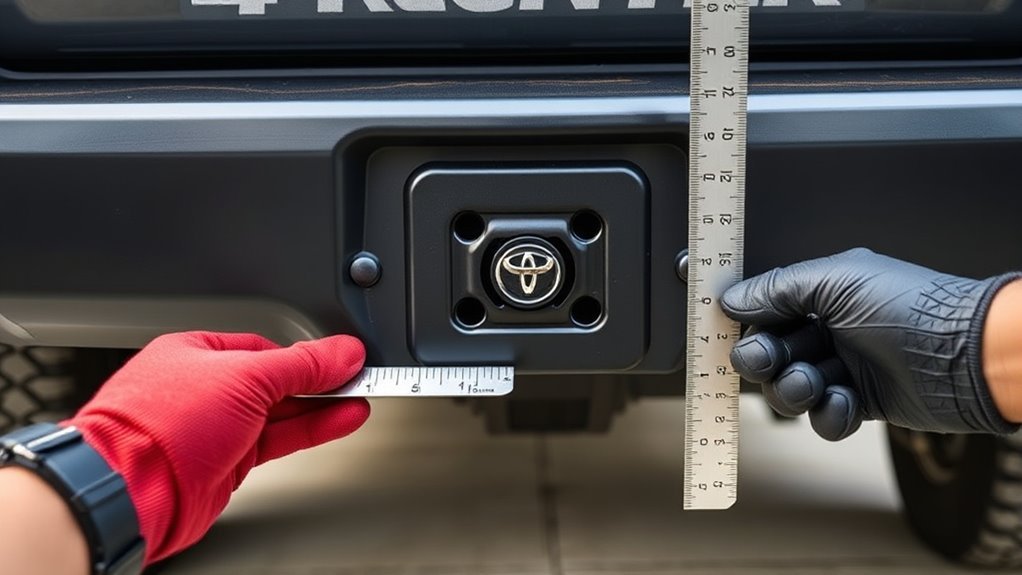
For many modern U.S.-spec Toyota 4Runners, the rear receiver uses a 2-inch square opening. That makes it compatible with a large range of 2-inch-shank ball mounts, bike racks, cargo carriers, and other accessories.
However, avoid treating receiver size, hitch class, and towing capacity as interchangeable terms. Toyota commonly describes its equipment as an integrated towing receiver hitch rather than assigning one universal hitch class to every 4Runner generation and configuration.
The vehicle’s towing capacity is also separate from the receiver’s hardware rating. Toyota lists the 2024 4Runner at up to 5,000 lb of trailer towing capacity. Toyota increased the maximum to 6,000 lb with the redesigned 2025 4Runner, and the 2026 4Runner remains rated up to 6,000 lb.
Warning: Never tow according to a generic hitch-class rating alone. The safe limit is the lowest rating among the 4Runner, receiver, ball mount, hitch ball, trailer, and any other towing component.
4Runner Models and Factory Hitch by Year/Trim
Toyota has used integrated towing receivers on many 4Runner generations, but the vehicle’s rated capacity has changed over time. The redesigned sixth-generation model is especially important because its specifications differ from the fifth-generation 4Runner sold through 2024.
| 4Runner | Toyota-Published Maximum | Important Note |
|---|---|---|
| 2026 | Up to 6,000 lb | Current sixth-generation model; exact allowable load still depends on vehicle loading and equipment. |
| 2025 | Up to 6,000 lb | First year of the redesigned sixth generation. |
| 2024 | 5,000 lb | Toyota lists an integrated receiver and 4- and 7-pin trailer connectors. |
| Older models | Varies by year, engine, drivetrain, and equipment | Do not use a newer 4Runner’s rating for an older vehicle. |
Some older 4Runners had significantly different limits. For example, Toyota published a 4,700-lb towing figure for the 2015 model and a 5,000-lb limit with a 470-lb tongue-weight figure for the 2016 model. Fourth-generation V8 versions could also carry substantially different ratings from V6 models. This is why the owner’s manual for the exact model year is more reliable than a single broad 4Runner towing chart.
Note: A receiver may physically accept a 2-inch accessory even when that accessory’s weight rating exceeds what your 4Runner is allowed to tow. Physical fit does not equal safe capacity.
Measure Your 4Runner Receiver and Ball/Coupler in 3 Steps
If you are unsure which equipment is installed, measuring it takes only a few minutes. Check the receiver first, then the trailer coupler, and finally calculate the ball-mount rise or drop required to keep the trailer level.
At a Glance
| Time Required | About 10–15 minutes |
| Difficulty | Easy |
| Tools Needed | Tape measure, flashlight, rag, and your owner’s manual |
| Cost | $0 if you already have a tape measure |
[Products Worth Considering]

This trailer tongue hitch coupler lock helps secure latch-type couplers and deter theft with a padlock-style design. Its high-strength construction, corrosion-resistant finish, and simple locking action make it a practical choice for trailer owners who want dependable protection and easy everyday use. Two keys are included for added convenience.

This trailer hitch pin lock is designed to secure Class III and IV 2-inch and 2-1/2-inch tow receivers, helping keep hitch-mounted gear protected during travel and storage. Its rotating head, tubular key design, and weather-resistant cap make it easy to use while helping guard against moisture, dust, and rust. Built from solid carbon steel with a zinc alloy lock core, it offers dependable towing security for trailers, cargo carriers, bike racks, and more.

This patented locking receiver pin helps secure your trailer and hitch against theft with a solid steel, tamper-resistant design. It fits standard 2-inch Class III and IV hitches, making it a reliable choice for trailers, RVs, and everyday towing setups. A weatherproof slide cap helps keep dirt and debris out for lasting performance, and the brand includes lifetime replacement support for added peace of mind.
1. Measure the Receiver Opening
Measure the inside width of the square receiver tube, not the outside dimension. Place the tape across the inner opening from wall to wall. A modern 4Runner receiver will commonly measure approximately 2 inches internally.
Look inside the tube for rust scale, a reducer sleeve, bent metal, heavy paint buildup, or debris. These can make a correctly sized accessory difficult to insert.
Also inspect the hitch for a label or stamping showing its weight rating. If the receiver was installed aftermarket, its rating may differ from Toyota’s original equipment.
2. Check the Ball and Trailer Coupler
The receiver opening and trailer ball are separate measurements. A 2-inch receiver does not automatically mean you need a 2-inch ball.
Look at the trailer coupler for a stamped ball diameter. Common U.S. trailer ball sizes include 2 inches and 2-5/16 inches. Use exactly the size printed on the coupler. Toyota also offers genuine towing balls in different diameters for compatible towing equipment.
The ball’s load rating and shank dimensions must also be appropriate for the ball mount. Tighten it to the ball manufacturer’s specified torque rather than guessing.
3. Calculate the Required Drop or Rise
Park the 4Runner and unloaded trailer on level ground. Measure from the ground to the top inside edge of the receiver opening. Then measure from the ground to the bottom of the trailer coupler where it sits on the ball.
- Receiver higher than coupler: use approximately that difference as the required drop.
- Receiver lower than coupler: use approximately that difference as the required rise.
For example, if the receiver height is 20 inches and the level trailer’s coupler height is 17 inches, begin with approximately a 3-inch drop. Recheck the trailer after it is coupled and loaded because suspension compression can change the final height.
Pro Tip: Measure the trailer while it is level front-to-back. Choosing a ball mount from an unloaded trailer that is already nose-high or nose-low can produce the wrong drop or rise.
Common Fitment Mistakes and Quick Troubleshooting
Most 4Runner hitch-fit problems come from confusing receiver size with ball size, buying an accessory for the wrong receiver opening, ignoring corrosion, or selecting the wrong ball-mount geometry.
Measuring the Receiver Accurately
Measure the internal width and height of the receiver tube. Standard receiver sizes used across passenger vehicles and trucks include 1-1/4, 2, 2-1/2, and 3 inches, although the 2-inch format is the one most commonly associated with modern 4Runner towing accessories.
- Measure the inside width and height at the receiver mouth.
- Check several inches inside for deformation, weld interference, sleeves, rust, or dirt.
- Inspect the receiver’s rating label if present.
- Compare the accessory-shank size with the actual opening before installation.
If a 2-inch accessory will not slide into what appears to be a 2-inch receiver, clean the tube and check for rust, burrs, impact damage, or an installed adapter before forcing the accessory.
Identifying the Ball, Ball Mount, and Shank
The trailer coupler determines the ball diameter. The receiver determines the ball-mount shank size. The ball mount then provides the necessary rise or drop.
| Item | Common 4Runner Setup | What to Verify |
|---|---|---|
| Receiver | 2-inch opening | Inside measurement and rating label |
| Trailer Ball | Often 2 or 2-5/16 inches | Exact size stamped on coupler |
| Ball Mount | Fixed or adjustable | Shank size, rise/drop, GTW and TW rating |
| Hitch Pin | Receiver-specific | Correct diameter, length, and retainer |
| Capacity | Varies by model year | Use the lowest-rated component |
Securing the Hitch Pin and Retainer
A properly sized hitch pin keeps the ball mount or accessory captured inside the receiver. Push the pin completely through both receiver walls and the accessory shank, then install the correct retaining clip or locking mechanism.
- Confirm the hitch pin passes fully through the aligned holes.
- Install the correct retainer or lock.
- Do not substitute bolts, nails, screwdrivers, or improvised pins.
- Inspect the pin for corrosion, wear, bending, or damaged threads if it is a threaded design.
- Recheck the connection before each trip.
A locking receiver pin can help deter theft, but a lock does not increase towing capacity.
Choose the Right Ball, Mount, and Drop/Rise for Your 4Runner
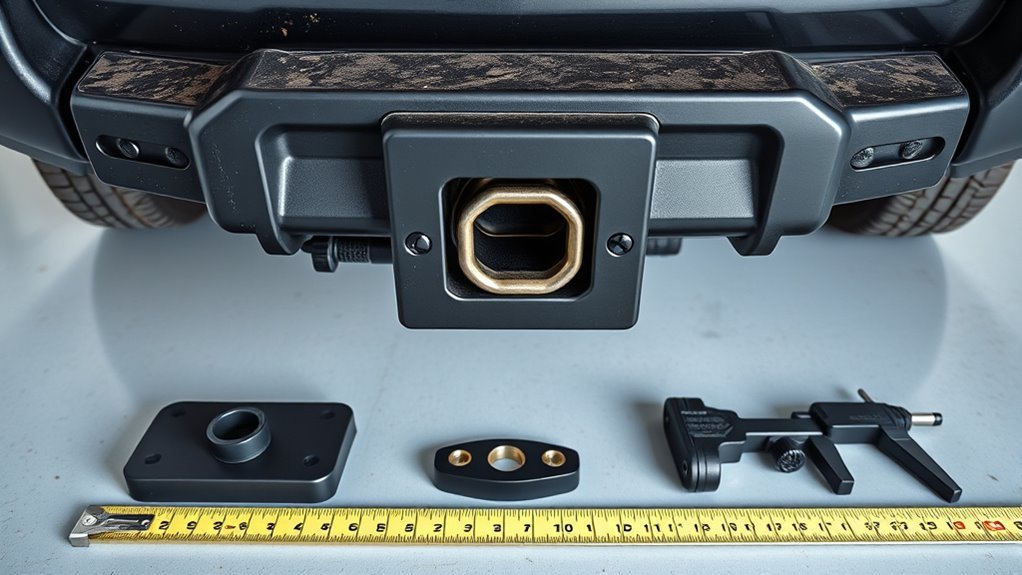
A safe setup requires four separate matches: receiver-to-ball-mount fit, ball-to-coupler fit, correct rise/drop, and sufficient component ratings.
| Component | Selection Rule | Purpose |
|---|---|---|
| Ball-Mount Shank | Match receiver opening | Secure fit in receiver |
| Ball Size | Match coupler stamping exactly | Correct trailer connection |
| Drop/Rise | Calculate from receiver and level coupler heights | Keep trailer approximately level |
| Weight Distribution | Use only when Toyota and hitch manufacturer permit it | Application-specific load management |
| Final Capacity | Lowest component rating wins | Prevent overload |
Do not assume you need a 2-inch trailer ball simply because the 4Runner has a 2-inch receiver. A trailer with a 2-5/16-inch coupler requires a properly rated 2-5/16-inch ball.
Warning: Do not add a weight-distributing hitch solely because the trailer is heavy. Compatibility varies by 4Runner generation and receiver design. Use one only when your exact Toyota owner’s manual and the hitch manufacturer both permit it.
[Products Worth Considering]

This trailer hitch lock helps secure your trailer and hitch-mounted accessories with a high-strength steel pin designed for 2-inch receivers. It includes a weather-resistant cap to help keep out dust and moisture, plus rubber O-rings to reduce rattling during towing. With two copper keys and a sturdy lock core, it offers added peace of mind and dependable everyday protection.

This adjustable tri-ball trailer hitch gives you flexible towing support with three hitch ball sizes and a 4.5-inch rise and drop for level hauling across different vehicles and trailers. Built for durability and convenience, it includes a tow hook, D-ring shackle, and a secure locking system for dependable towing, recovery, and off-road versatility.
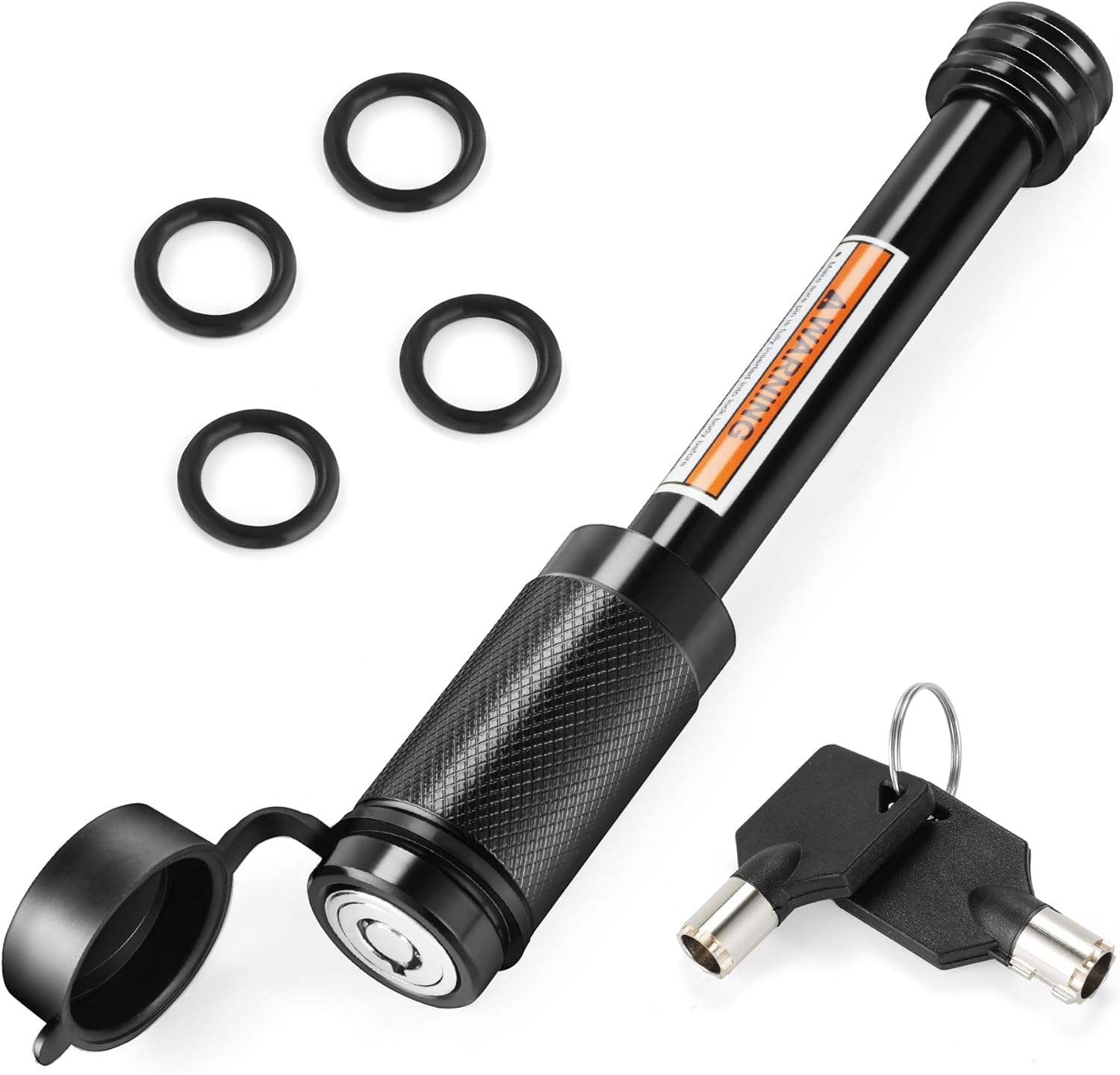
This trailer hitch pin lock helps secure your towing setup with a 5/8-inch pin and compatibility for most Class III and IV 2-inch and 2-1/2-inch receiver hitches. Built from durable carbon steel with a tamper-resistant tubular key system, it adds reliable anti-theft protection while the included rubber O-rings help reduce rattling noise during travel.
4Runner Tongue Weight and Gross Trailer Weight Limits
Gross Trailer Weight (GTW) is the actual loaded weight of the trailer, including cargo, fluids, batteries, propane, accessories, and anything else carried on or inside it. Tongue weight is the portion of that loaded trailer weight pressing vertically on the hitch ball.
Toyota 4Runner owner’s manuals have commonly instructed owners to load conventional trailers so tongue weight is approximately 9% to 11% of gross trailer weight. Always use the recommendation in the manual for your exact model year because towing systems and limits vary.
A higher-rated receiver does not raise the 4Runner’s Toyota-published towing capacity, payload rating, axle limits, or gross combined weight rating.
Before towing, verify all of the following:
- Trailer Weight Rating (TWR): maximum permitted trailer weight for the vehicle configuration.
- Gross Vehicle Weight Rating (GVWR): maximum permitted loaded vehicle weight.
- Gross Axle Weight Rating (GAWR): maximum permitted weight on each axle.
- Gross Combined Weight Rating (GCWR): maximum permitted combined loaded weight of vehicle and trailer where specified.
- Payload: passengers, cargo, accessories, and trailer tongue weight all consume available payload.
- Receiver, ball mount, and ball ratings: each component must be adequately rated.
For example, a hitch-mounted cargo carrier or motorcycle carrier places most of its loaded weight directly on the receiver. That load must fit within both the receiver’s allowable tongue load and the 4Runner’s remaining payload capacity. The farther a heavy load sits behind the receiver, the more leverage it applies to the hitch and vehicle.
Trailer Wiring, Brakes, and Connectors
Do not assume an electrical adapter is always required. First identify the connector installed on the 4Runner and the plug used by the trailer.
Toyota states that the 2024 4Runner includes an integrated towing receiver hitch and wiring harness with 4-pin and 7-pin connectors. Newer 2025–2026 models also offer modern towing equipment and available towing technology, but equipment can vary by grade and package.
- 4-pin flat connector: typically handles basic tail, brake, and turn-signal lighting.
- 7-way connector: can support additional trailer functions such as electric trailer brakes and auxiliary circuits when the vehicle is properly equipped.
- Adapter: use one only when the vehicle and trailer connector types differ and the required functions remain supported.
Trailer-brake requirements depend on trailer weight, vehicle configuration, equipment, and applicable law. Follow Toyota’s owner’s manual and the trailer/brake-controller manufacturer’s instructions.
[Products Worth Considering]
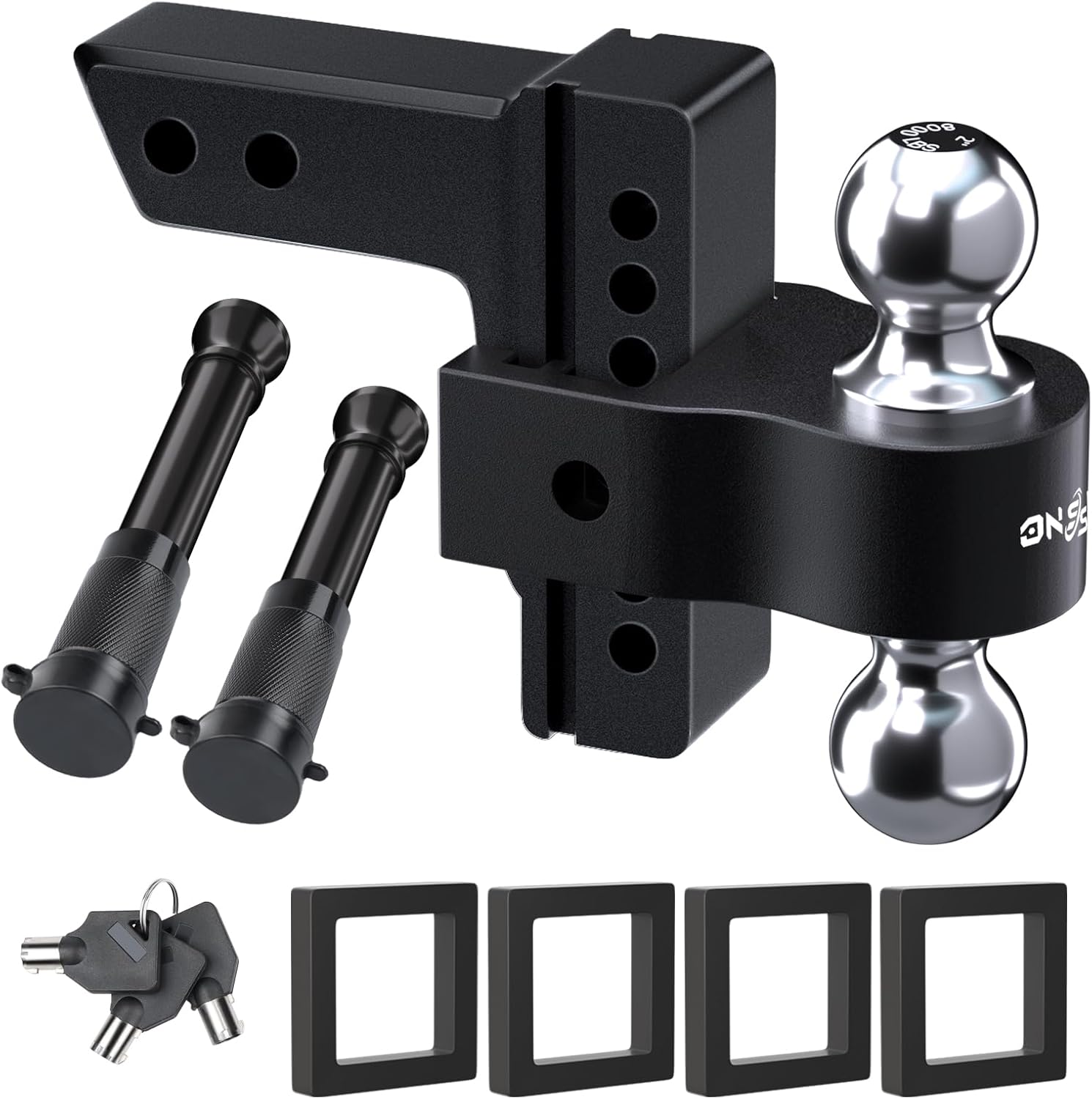
This adjustable trailer hitch is designed for 2-inch receivers and offers flexible towing with a 6-inch drop and rise range. Dual ball sizes help support different trailer setups, while the high-strength aluminum construction is built for dependable performance on tough jobs. Included hitch locks and silencers add security and help reduce noise for a smoother towing experience.

The MaxxHaul 50563 Threaded Hitch Locking Pin is designed to secure the MaxxHaul 50025 Bike Rack with added stability and peace of mind. Built from solid steel, it helps minimize wobble while protecting your rack with a locking head, hitch pin clip backup, protective cover, and two included keys.
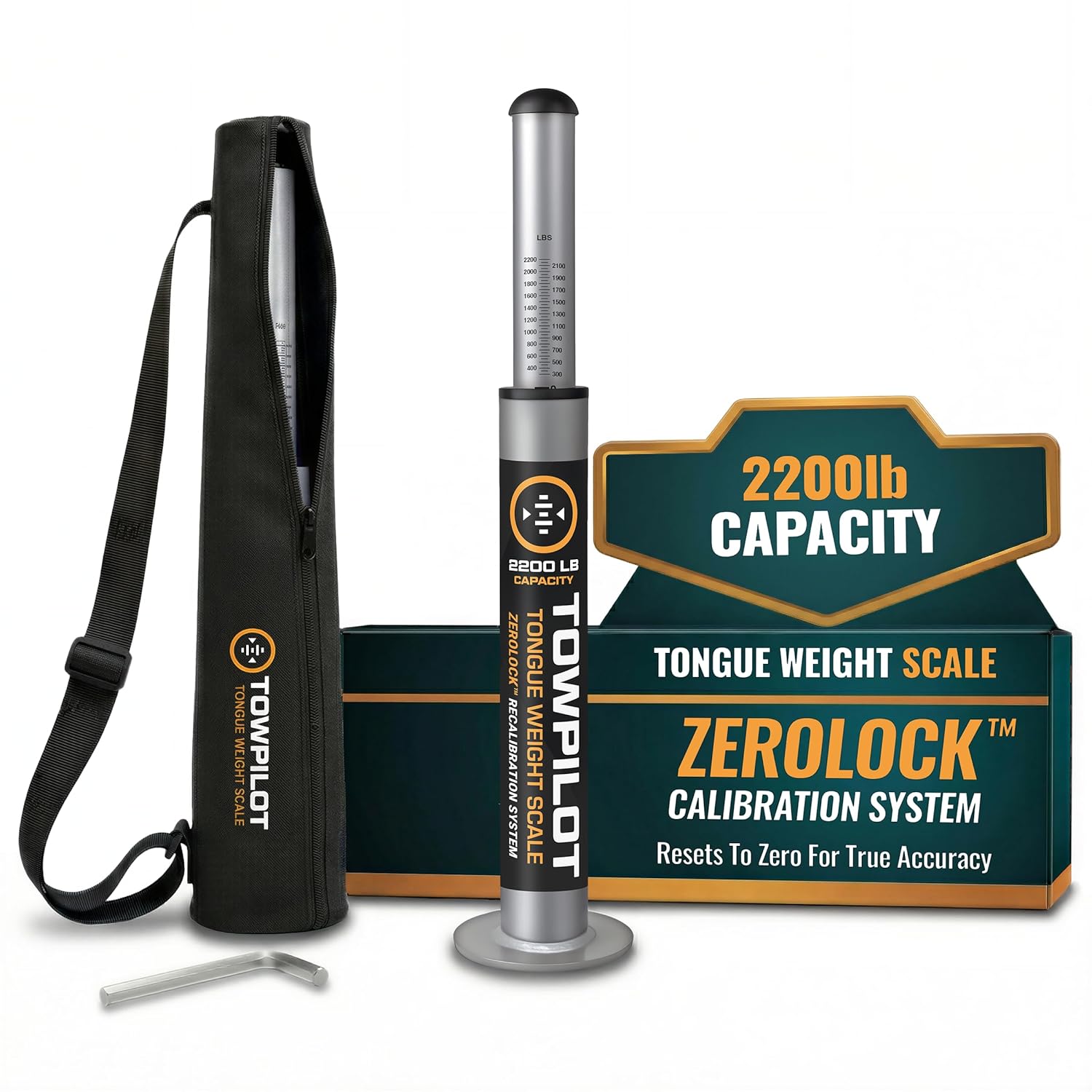
This trailer tongue weight scale helps you check hitch weight quickly and accurately before towing, reducing sway and improving overall safety. Built with durable steel and a spring mechanism, it works without batteries and includes a recalibration feature to maintain true-zero accuracy over time. It is designed for RVs, campers, and utility trailers, with a top plate that helps protect your coupler during use.
When to Upgrade to a Class IV or Aftermarket Receiver
An aftermarket receiver can make sense when the original receiver is damaged or corroded, when you need different accessory clearance, or when you want a receiver designed for a particular application. Manufacturers such as CURT offer vehicle-specific 2-inch receiver hitches for selected 4Runner years with their own published weight ratings.
However, installing a Class IV or otherwise higher-rated receiver does not increase Toyota’s towing capacity. If Toyota limits your specific 4Runner to 5,000 lb, installing a receiver labeled for 7,500 or 10,000 lb does not make a 6,500-lb trailer safe or approved for that vehicle.
Before installing an aftermarket receiver:
- Confirm exact year, trim, drivetrain, and fitment.
- Check whether drilling, bumper modification, or removal of factory hardware is required.
- Confirm receiver and accessory clearance around the spare tire, exhaust, bumper, and recovery equipment.
- Use the manufacturer’s supplied hardware and torque specifications.
- Verify trailer wiring after installation.
- Continue following Toyota’s vehicle limits even if the receiver itself has a higher rating.
Pre-Tow 4Runner Safety Checklist
- Confirm the trailer’s actual loaded weight.
- Check the 4Runner’s towing, payload, GVWR, GAWR, and applicable GCWR limits.
- Verify the receiver, ball mount, and hitch ball ratings.
- Match the ball diameter exactly to the trailer coupler.
- Make sure the coupler is fully seated and latched.
- Install the correctly sized hitch pin and retaining device.
- Cross and attach safety chains as specified by the trailer and hitch manufacturers.
- Connect trailer wiring and test running lights, brake lights, and turn signals.
- Verify trailer brakes and brake-controller operation when applicable.
- Check tire condition and pressures on both the 4Runner and trailer.
- Confirm the trailer sits approximately level when coupled and loaded.
- Recheck the hitch and load after the first short portion of the trip.
Frequently Asked Questions
Can I Tow a Motorcycle With a 4Runner’s Factory Receiver?
Yes, a properly equipped 4Runner can tow a motorcycle on a suitable trailer when the combined loaded trailer weight, tongue weight, hitch components, and vehicle ratings remain within their limits. A hitch-mounted motorcycle carrier is different because almost the carrier’s entire loaded weight acts as tongue load; verify receiver capacity, vehicle payload, and carrier limits before using one.
Is a Hitch Lock Necessary for 4Runner Receiver Security?
A hitch lock is optional theft-deterrent equipment rather than a universal towing requirement. You do need a correctly rated hitch pin and proper retaining mechanism. A locking pin can replace a compatible standard pin when you want additional protection against theft of the ball mount, bike rack, or other receiver accessory.
Do Rear Bike Carriers Fit 4Runner Receivers?
Many hitch-mounted bike racks fit a 4Runner’s 2-inch receiver, but verify the rack’s shank size, tongue-load requirement, bike weight, bumper clearance, spare-tire clearance where relevant, and hatch access. If a rack is designed for a 1-1/4-inch receiver, use only an adapter specifically approved by the rack and hitch manufacturers.
Can I Use a Weight-Distributing Hitch on a Stock 4Runner?
Only when the owner’s manual for your exact 4Runner and the installed receiver manufacturer both permit it. Toyota guidance has varied across generations, and some older Toyota manuals specifically advise against load-equalizing hitches. Never assume compatibility simply because an aftermarket receiver lists a weight-distribution rating.
Are Electrical Adapters Needed for Trailer Lights on a 4Runner?
Not necessarily. Inspect both connectors first. The 2024 4Runner includes factory 4- and 7-pin connections, while equipment on other years and trims can differ. An adapter is needed only when the trailer and vehicle connectors are different and the adapter supports every required lighting or braking circuit.
Does a 2-Inch Receiver Mean I Need a 2-Inch Trailer Ball?
No. The 2-inch receiver measurement describes the ball-mount shank opening. The trailer coupler determines the required ball diameter. If the coupler is stamped 2-5/16 inches, you need a properly rated 2-5/16-inch ball even though the ball mount slides into a 2-inch receiver.
Can a Higher-Rated Aftermarket Hitch Increase My 4Runner’s Towing Capacity?
No. A stronger receiver can provide additional hardware margin or different accessory compatibility, but it cannot increase Toyota’s published towing capacity, payload, axle ratings, GCWR, braking capability, or other vehicle limits. Always stay within the lowest applicable rating.
Conclusion
For most modern Toyota 4Runners, a 2-inch receiver opening is the key accessory-fit measurement, but it does not tell you the vehicle’s complete towing capability. Verify the model-year towing limit, receiver rating, ball-mount rating, trailer ball size, tongue weight, payload, and wiring before towing.
The biggest model-year distinction today is that Toyota rates the 2025–2026 4Runner at up to 6,000 lb, while the 2024 model is rated up to 5,000 lb. Older models vary, so use the owner’s manual for your specific 4Runner rather than applying a single number to every generation.
Measure the receiver, match the ball to the coupler, select enough drop or rise to keep the trailer level, and always follow the lowest-rated component in the entire towing system.
Sources
- Toyota USA Newsroom — 2026 Toyota 4Runner — current 6,000-lb maximum towing capacity.
- Toyota USA Newsroom — 2025 Toyota 4Runner — sixth-generation towing capacity and available towing technology.
- Toyota — 2024 4Runner Brochure — 5,000-lb maximum towing rating and SAE J2807 reference.
- Toyota Owners — model-year owner’s manuals, towing limits, tongue-weight guidance, and vehicle-specific requirements.
- CURT / Lippert 4Runner Receiver Specifications — example of a vehicle-specific aftermarket 2-inch receiver whose hardware rating remains separate from Toyota’s vehicle rating.

[…] also warns it can interfere with backup sensors in rare cases. Not sure what receiver you have? Our 4Runner hitch receiver size and class guide explains the […]