If your RAV4’s low‑oil warning lights up, pull over safely, shut the engine off, and check the dipstick on level ground; add the manufacturer‑recommended oil if it’s low. Look under the car and around the filter and drain plug for leaks or a burning smell. If level’s normal, suspect a faulty sensor or oil pressure issue and avoid restarting repeatedly—have it diagnosed. Keep checking your oil and maintenance schedule to prevent repeats, and you can learn what to do next.
Emergency Action: What to Do If the Oil Warning Lights Up on Your RAV4

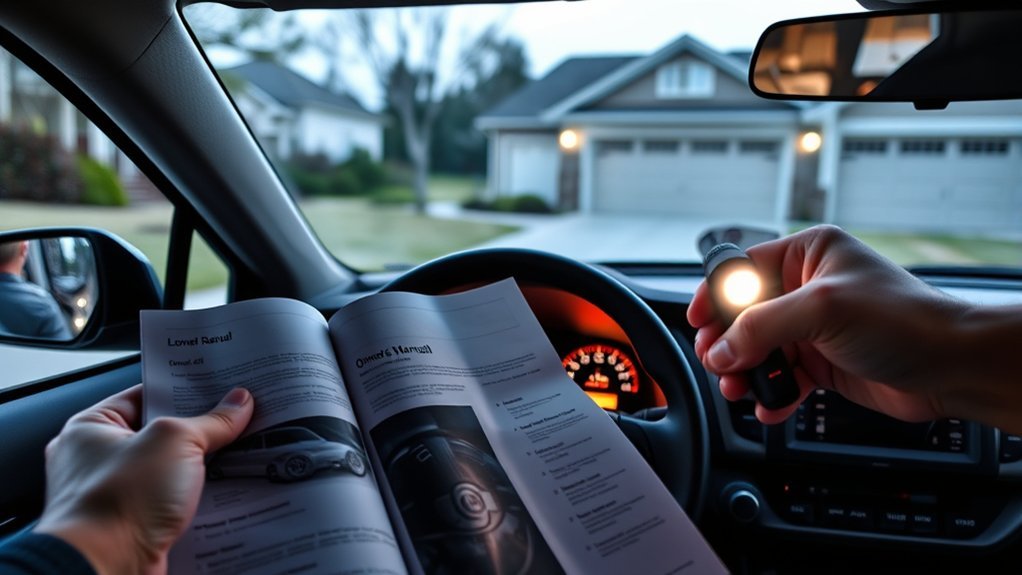
If the oil warning light comes on while you’re driving, pull over safely and shut off the engine immediately to avoid severe damage; then check the dipstick and add the manufacturer-recommended oil if the level’s low, inspect for visible leaks or burning oil smells, and consider the possibility of a faulty oil pressure sensor or wiring if the level’s normal. You’ll protect the engine by acting fast: cutting power prevents metal-on-metal wear and preserves your freedom to keep moving. After confirming risks, don’t restart repeatedly—only run the engine briefly to move to safety if necessary. If oil’s adequate but the light persists, suspect sensor or wiring faults and seek professional diagnostics to avoid false alarms that could mask real problems. Maintain regular oil checks and scheduled service to reduce surprises and reclaim control over your vehicle’s reliability. Treat every oil warning as urgent; proactive response is simple, freeing, and central to long-term engine protection.
Fast Checks to Confirm Low Oil (Dipstick, Visible Leaks, Filter/Drain Plug)
When you suspect low oil, start with a quick, reliable check: park on level ground, let the engine cool, then pull the dipstick, wipe it, reinsert it fully and read the level against the marks—low means add the manufacturer-recommended oil (2010 RAV4s commonly use 10W‑30) until it reaches full.
Next, scan for oil leaks beneath and around the engine. Look at the oil pan seam and valve cover gaskets for fresh wetness or drips; rag or tissue checks under suspicious spots work fast. Inspect the oil filter and drain plug—use a wrench to confirm they’re snug but not over-tightened. A loose filter or drain plug is a common source of rapid fluid loss.
If the dipstick reading stays low after topping, or you find clear oil leaks, don’t ignore it. Monitor monthly or before trips, document any consumption or burning signs, and act to regain control of your vehicle and avoid engine damage.
DIY vs Shop Diagnostics: Sensor, Oil Pressure Test, and When to Tow
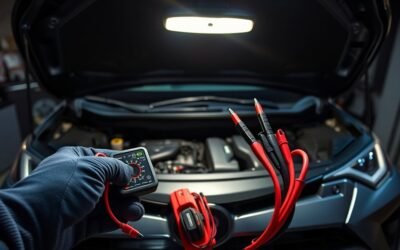
Although a flickering oil-warning light can signal a bad sensor, start by checking oil level and condition yourself before spending on shop diagnostics. You’ll confirm whether you need sensor testing or an actual oil pressure problem. Use the dipstick, look for sludge, and top up if low. If warning persists, test the oil pressure sensor wiring with a multimeter to isolate a false alarm.
| DIY Step | Shop Step |
|---|---|
| Check oil level/condition | Professional oil pressure test |
| Multimeter sensor testing | Replace sensor or inspect oil pump |
| Basic drive check (gentle) | Tow if shutdowns or severe symptoms |
Run a DIY mechanical oil pressure test if you’re skilled; it verifies oil pump function. If you get repeated shutdowns, loss of pressure, or can’t confirm pressure reliably, tow the RAV4 to avoid engine damage. Stay proactive: monitor levels regularly and act fast for freedom from costly failures.
Repair Options and Costs: What to Fix First (Leak, Filter, Pump, or Engine)
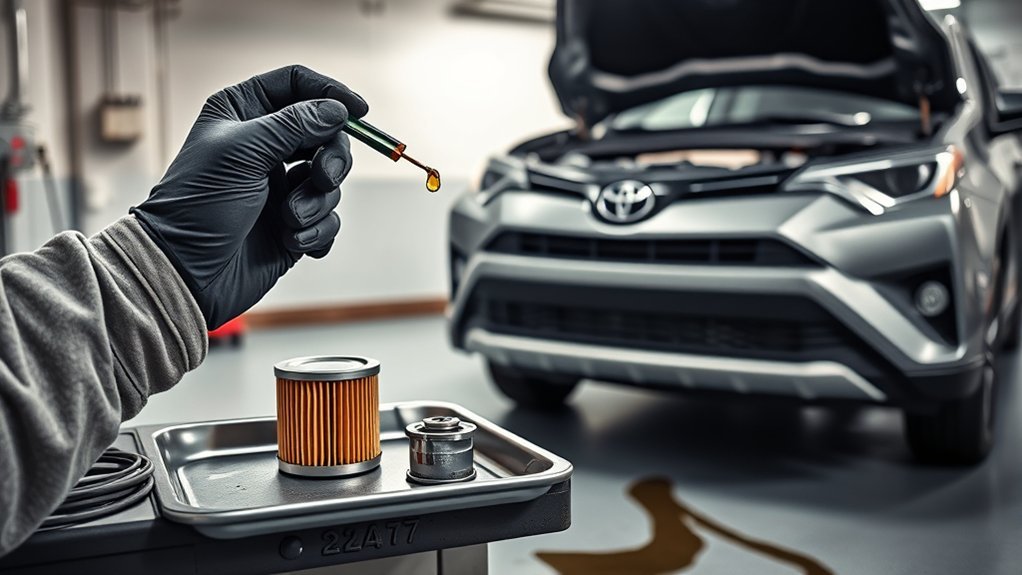
Before you replace expensive parts, start with the simple checks that most often fix low-oil symptoms: inspect for visible leaks at the oil pan and valve cover gaskets, change the oil and a new filter, and monitor consumption over several fill-ups to see if levels keep dropping. If leak detection finds seepage, fix seals fast — leak repairs range widely ($100–$1,000+) but stop progressive damage. A clogged filter is cheap to swap; expect $30–$70 and often instant relief for pressure complaints. If oil consumption persists despite these steps, suspect the pump or internal wear.
- You see oil on the driveway → prioritize gasket/pan repair.
- Oil change plus new filter clears pressure issues → inexpensive win.
- Continued oil consumption → schedule compression or pump checks.
- High consumption with no external leak → prepare for pump or engine work (~$500+ for pump).
Choose fixes by least invasive, lowest cost first, then escalate if diagnostics point to pump or engine rebuild.
Preventing Future Low‑Oil Emergencies: Checks, Oil Grade, and Maintenance Plan
A simple, consistent oil‑check and maintenance routine will keep you out of most low‑oil emergencies: check the dipstick on a level surface after the engine cools, top off if the level’s below the safe mark, and log consumption so you spot trends early. Inspect under the car and around the engine for leaks every few checks; even small drips add up and strip your freedom to drive without worry. Use oil grade recommendations from your owner’s manual—on a 2010 RAV4 consider 10W30 to reduce consumption and stabilize performance—and note any changes after switching. Follow maintenance schedules: change oil every 6 months or 5,000 miles, replace filters on schedule, and record dates and mileage. If you see repeated low readings or accelerating consumption, consult a mechanic to diagnose wear, seals, or pump issues. Stay proactive, document everything, and you’ll prevent surprises and keep control of your vehicle’s health.
Frequently Asked Questions
How Long Can You Drive After a Low Oil Warning?
You shouldn’t drive far after a low oil warning — maybe only a few miles at most. Stop, check oil level, get an oil change if needed to protect engine health, and avoid risking catastrophic damage.
What Is the Oil Warning Light on a Toyota rav4?
The oil warning light is your engine oil pressure alarm; don’t assume it’s minor — investigate immediately. Check dipstick, add oil if low, watch other warning indicators, and stop driving to avoid catastrophic engine damage.
What Should I Do if My Engine Oil Level Is Low?
Stop driving immediately, check oil with a dipstick on level ground, add correct oil to full, monitor for leaks, and schedule a mechanic if levels keep dropping; these oil maintenance tips empower your engine care and freedom.
Conclusion
Seeing that oil warning on your RAV4? Don’t ignore it—act fast. First, pull over, shut off the engine, and check the dipstick and undercarriage for leaks. If oil’s low, add the correct grade; if it’s empty or pressure stays low, tow to avoid engine damage. Have a shop test pressure and inspect for leaks, pump or sensor faults. Stay proactive with regular checks and timely oil changes to keep this problem from repeating.