Frozen door seals can keep you out of your Hyundai Sonata, damage a handle if you pull too hard, and cause the rubber weatherstripping to tear or separate. The best defense is simple: keep the seals clean and dry, use a product made for automotive rubber, and treat the lock cylinder separately from the rubber gasket.
Quick Answer
Clean the rubber weatherstripping and painted contact surfaces, dry them completely, then wipe on a thin coat of silicone-based product labeled safe for automotive rubber. Repeat before severe cold and after winter washes. If a door freezes, do not yank it or pour hot water; loosen ice gently and use a commercial de-icer.
Key Takeaways
- Moisture, not cold alone, makes the rubber seal stick to the door frame.
- Use a thin film of rubber-safe silicone conditioner on clean, dry weatherstripping.
- Use a lock-specific de-icer or lubricant for the mechanical key cylinder, not weatherstrip conditioner.
- Never force the handle, pour hot water on the door, or use an open flame.
- Replace weatherstripping that is torn, hardened, flattened, loose, or causing water and wind leaks.
At a Glance
| Time Required | About 10 to 15 minutes |
| Difficulty | Easy |
| Tools Needed | Microfiber cloths, mild soap, water, soft brush or cotton swabs, and rubber-safe silicone conditioner |
| Cost | Low; often no added cost if you already have cleaner and conditioner |
First, Identify What Is Frozen
A Sonata door can refuse to open for three different reasons. The rubber weatherstrip may be frozen to the painted frame, the exterior handle may be packed with ice, or the mechanical lock cylinder or latch may be frozen. The correct treatment depends on which part is stuck.
| Symptom | Likely Cause | Best First Step |
|---|---|---|
| Door unlocks but feels glued around the edge | Frozen weatherstrip | Press the door inward, loosen perimeter ice, and warm the seam gently |
| Handle will not move normally | Ice around the handle | Brush away loose ice and apply exterior-safe de-icer sparingly |
| Mechanical key will not enter or turn | Frozen lock cylinder | Use lock de-icer or a lock lubricant approved for cold weather |
| Door opens slightly but the latch will not release or close | Frozen latch | Warm the vehicle or seek service if the latch remains unsafe |
Consequences of Frozen Sonata Door Seals and How to Prevent Them
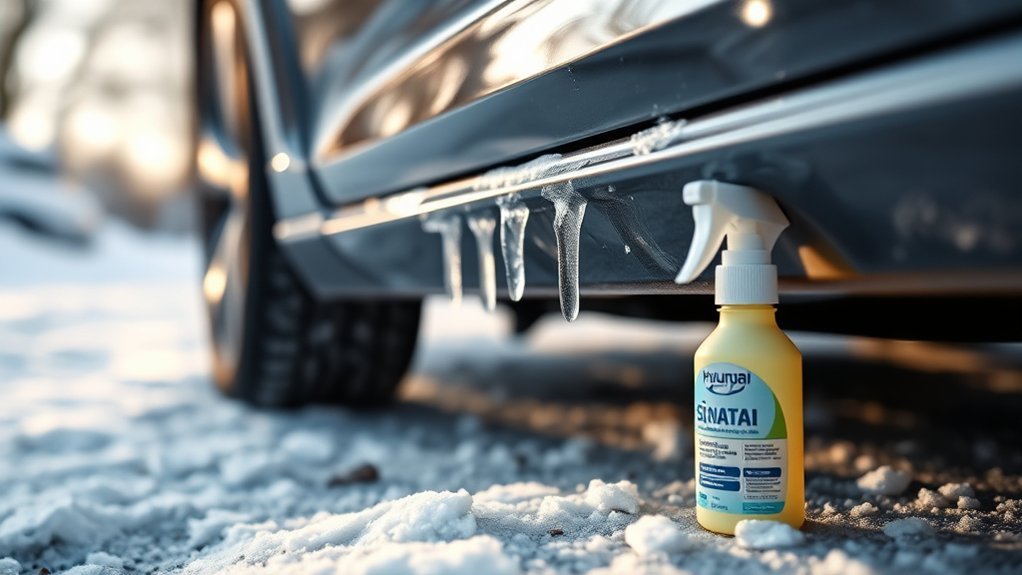
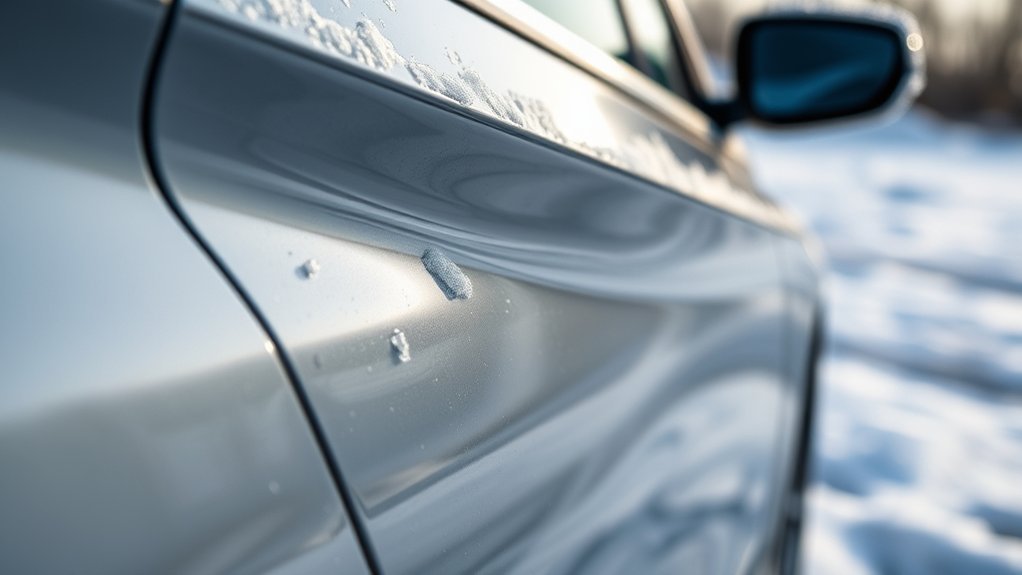
Water can collect between the rubber weatherstrip and the painted door opening after rain, melting snow, a car wash, or a freeze-thaw cycle. When that thin layer freezes, it bonds the two surfaces together. Pulling harder may tear the seal, pull it away from its channel, or damage the exterior handle.
Preventing that bond is easier than breaking it. Clean the weatherstripping, dry the seal and mating surface, then apply a very thin film of a product labeled safe for automotive rubber. Hyundai includes lubrication of door rubber weatherstrips in its owner-maintenance guidance, while winter advice from AAA also recommends drying the gaskets and treating them with silicone to reduce freezing.
The goal is not to heat the whole door. It is to stop moisture from freezing between the rubber seal and the door frame.
How to Prepare Your Sonata for Upcoming Winter Storms
Prepare the door seals before freezing rain, wet snow, or a sharp temperature drop. Waiting until the rubber is already frozen makes the job harder and raises the chance of damage.
- Check the forecast. Treat the seals on a dry day before temperatures fall below freezing.
- Remove salt, grit, and old residue. Dirt can hold water against the rubber and can make a sticky conditioner collect more debris.
- Dry both contact surfaces. Wipe the rubber seal and the painted door jamb. Pay attention to the lower corners and sill.
- Apply a thin protective film. Put the product on a cloth first, then wipe the weatherstrip. Do not soak it.
- Clear snow before closing the door. Packed snow around the sill can melt in the cabin and refreeze later.
- Choose shelter when practical. A garage or carport gives the best protection. A fitted, breathable cover may help when used on a clean, dry car, but a loose tarp can rub paint, trap moisture, or freeze to the body.
Parking so the morning sun reaches the driver-side door may help on a clear day, but direction alone is not reliable during clouds, freezing rain, or heavy snow. Treat it as a small bonus, not the main prevention method.
Pro Tip: After a winter car wash, open each door, wipe the weatherstripping and jamb dry, and leave the doors open briefly in a safe, sheltered place before the temperature drops.
Proven Maintenance Tips to Prevent Frozen Door Seals
Consistent care works better than applying a heavy coat once. Focus on cleaning, drying, inspection, and light conditioning. Hyundai’s current owner-maintenance guidance lists lubrication of door rubber weatherstrips at least once a year, but drivers in wet, salty, or frequently freezing climates may need to inspect and refresh the treatment more often.
Essential Preventive Measures
| Preventive Measure | What to Do | When |
|---|---|---|
| Regular Cleaning | Wipe the rubber and painted contact surface with mild soap and water | When dirty and before winter treatment |
| Conditioning | Apply a thin layer of rubber-safe silicone conditioner | Before winter and after the coating has washed away |
| Seal Inspection | Check for tears, loose sections, hard spots, flattening, and gaps | At every cleaning |
| Drain and Sill Care | Clear dirt and snow from door sills and visible drain openings | After storms and washes |
Proper Cleaning Techniques
Use gentle products. Strong solvents, stiff brushes, and abrasive cleaners can stain trim, strip protective coatings, or shorten the life of the rubber.
- Park the Sonata where the seals can stay dry while you work.
- Mix a small amount of mild car-wash soap with water.
- Wipe the weatherstrip and the painted surface that touches it with a microfiber cloth.
- Use a soft brush or cotton swab for grooves and lower corners.
- Wipe away cleaner with a damp cloth, then dry everything completely.
- Inspect the full perimeter before applying conditioner.
Older tips sometimes recommend talcum powder. It is not needed for normal Sonata weatherstrip care and can leave a visible, dusty residue. A dedicated rubber-safe conditioner gives cleaner and more controlled coverage.
Effective Lubrication Methods
Use only enough product to leave a light, even film. A wet or dripping coating attracts dirt and can transfer to clothing.
| Product Type | Correct Use | Reapply |
|---|---|---|
| Rubber-safe silicone spray or wipe | Door weatherstripping and rubber contact surfaces | Before winter, after heavy cleaning, or when water no longer beads on the treated surface |
| Automotive rubber conditioner | Weatherstripping when the label confirms compatibility | According to the product label |
| Lock de-icer or lock lubricant | Mechanical key cylinder only | As directed by the product maker |
How to Apply Silicone Lubricant for Optimal Protection
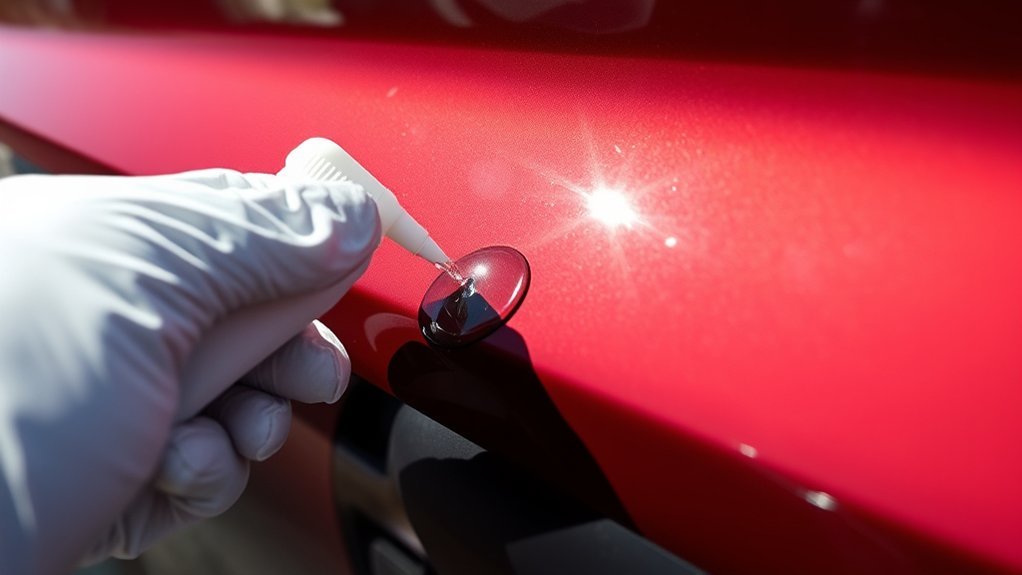
For the best result, apply the conditioner to clean, dry weatherstripping when the surface is above freezing. Read the label first because formulas and material compatibility vary.
[Products Worth Considering]

This proportional trailer brake controller provides smooth, responsive braking by automatically matching your tow vehicle’s stopping force for safer trailer control. The bright LED digital display makes it easy to monitor voltage output in real time, while adjustable braking and sync settings help tailor performance to different trailers and road conditions. Designed for quick installation and broad compatibility, it supports 1 to 4 axle trailers for dependable towing confidence.

This trailer coupler lock provides visible, dependable protection for your trailer with a rugged all-metal build and bright yellow finish that helps deter theft. Its universal adjustable design fits common coupler sizes and offers multiple locking positions for a secure, convenient setup. Built for all-weather use, it features protective rubber caps and anti-corrosion plating to help keep the locking mechanism working reliably.

This anti-theft license plate screw kit helps secure front or rear plates with a tamper-proof design that resists common removal tools. Made from rustproof 304 stainless steel, it is built for durable outdoor use while helping reduce plate vibration and paint scratching. The kit includes screws, nuts, caps, washers, a screwdriver, and nylon plugs for broad compatibility with cars, trucks, motorcycles, and trailers.
Proper Application Techniques
- Shake or prepare the product as directed. Follow the label for ventilation, flammability, and surface warnings.
- Spray onto a cloth. This gives better control than spraying directly near painted trim, windows, speakers, switches, or the cabin.
- Wipe the full seal. Cover the top, sides, lower corners, and the portion that contacts the body.
- Use a thin layer. The rubber should look conditioned, not wet.
- Remove excess. Buff away drips and any product on glass, painted surfaces, upholstery, or the door sill.
- Let it settle. Keep the door open for the label’s recommended drying or flash time before closing it.
Note: Door weatherstripping, hinges, latches, and a mechanical lock cylinder are different parts. Do not assume one spray is correct for all of them.
Timing and Conditions
Apply the treatment in dry weather before a cold snap. Refresh it after a detergent-heavy wash, repeated freeze-thaw cycles, or any time the protective film has disappeared. An annual treatment meets the basic Hyundai owner-maintenance recommendation, but inspection before winter is more useful than relying on a fixed calendar alone.
If the rubber is already frozen, do not apply conditioner over ice. Thaw the seal safely, dry it, clean away residue, and then treat it.
Choosing the Best Products for Sonata Door Seals
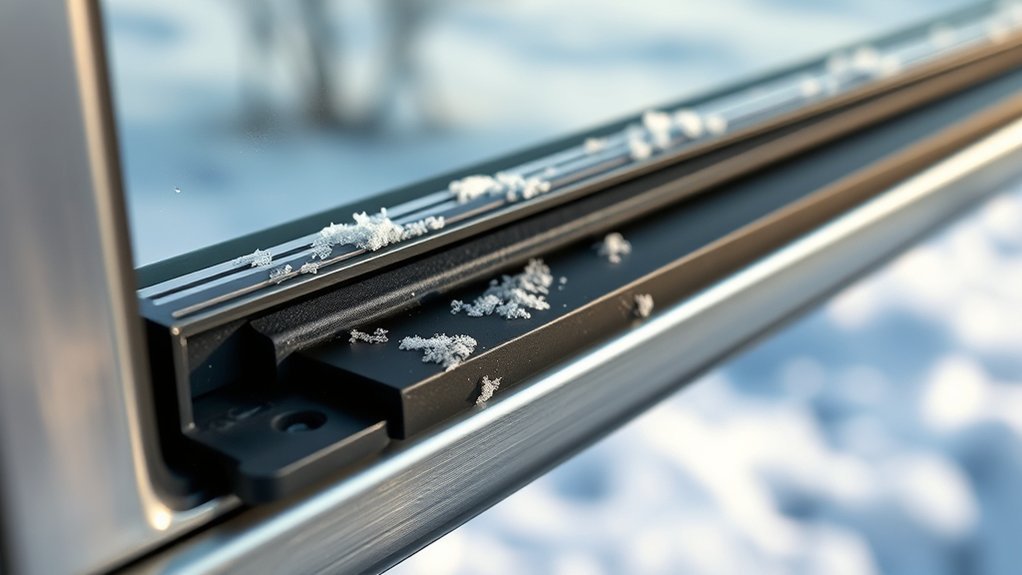
Product compatibility matters more than brand name. Choose products by their label and intended use.
- For rubber seals: Use a silicone-based weatherstrip lubricant or rubber conditioner labeled safe for automotive rubber.
- For cleaning: Use mild car-wash soap or another residue-free cleaner that is safe for rubber and paint.
- For the lock cylinder: Use a commercial lock de-icer or a lubricant specifically approved for automotive locks.
- For application: Use a microfiber cloth, foam applicator, or the supplied wipe so you can control the amount.
- For uncertain products: Test a small hidden area and check your Sonata owner’s manual or ask a Hyundai service department.
Avoid broad assumptions about petroleum-based products. Some multi-use sprays are marketed as safe on rubber, while other formulas can swell, soften, stain, or leave a greasy film on certain materials. A dedicated weatherstrip product is the safer default because its intended surface and directions are clear.
[Products Worth Considering]

The HEYINCAR+ H-Air adapter upgrades compatible factory wired CarPlay and Android Auto systems to wireless convenience with a compact plug-and-play design. It connects automatically after setup, delivering fast startup, stable performance, and support for your car’s original touchscreen, steering wheel controls, and voice commands. Built for broad vehicle compatibility and ongoing firmware updates, it offers a simple way to enjoy cable-free driving with minimal clutter.

This wireless CarPlay adapter upgrades compatible factory wired CarPlay or Android Auto systems with wireless connectivity and built-in entertainment apps. Enjoy navigation, calls, music, and hands-free control through Apple CarPlay, plus streaming from popular video platforms when connected to a hotspot. It also supports USB media playback and an HD media port for rear-seat entertainment on road trips and daily drives.
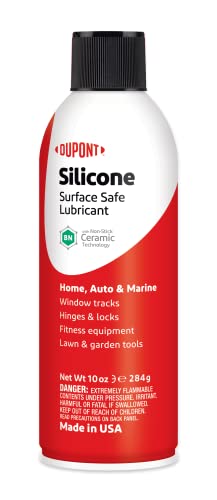
DuPont Silicone Lubricant with Teflon Fluoro Polymer
What Should You Do If Your Door Seals Are Frozen?
Work slowly. The fastest-looking method can cause the most damage if it shocks cold glass, adds more water, overheats trim, or snaps a handle.
- Try another door. Enter through any door that opens normally. Then start the climate system and allow cabin heat to warm the frozen door from inside.
- Clear loose snow and ice. Use a soft snow brush or gloved hand around the handle and door seam.
- Press inward first. Push gently around the door perimeter to crack the thin ice bond, then pull the handle with light, steady force.
- Use commercial de-icer sparingly. Apply it to the icy seam or handle as the label directs. Wipe overspray from paint and trim.
- Use gentle warmth. Hold a warm, not hot, water-filled zip-top bag against the frozen area, or warm the seam with your hands. Do not pour water over the door.
- Use a hairdryer only in a dry, sheltered location. Keep the appliance and cord away from snow, puddles, and wet surfaces, use GFCI protection, select low heat, and keep the airflow moving. Stop if trim becomes hot.
- Dry and treat after opening. Wipe both contact surfaces, remove ice from the sill, and apply a thin layer of rubber-safe conditioner.
Warning: Never pour hot or boiling water on a frozen door, use an open flame, pry with a metal tool, or yank the handle. These methods can damage glass, paint, weatherstripping, locks, and handles. Electricity and wet winter conditions also create a shock risk.
How to Care for Sonata Door Locks and Latches
Most modern Sonata owners use remote entry, but the driver’s door still has a mechanical emergency key cylinder, sometimes hidden behind a cover. Keep a lock de-icer outside the car, such as in your home or winter kit, because a product stored inside a locked vehicle cannot help you.
- Do not force a key into a frozen cylinder.
- Use a lock-specific de-icer or lubricant according to its label.
- Do not flood the cylinder or spray weatherstrip conditioner into electrical handles, switches, or latch electronics.
- If a latch will not release, will not stay closed, or feels rough after thawing, stop using that door and arrange service.
- Check the model-year owner’s manual because access covers and emergency-key procedures vary.
When to Replace the Weatherstripping or Seek Service
Conditioner cannot repair damaged rubber. Inspect the seal in good light and arrange replacement or professional diagnosis when you find:
- tears, cuts, missing sections, or a seal pulled out of its channel;
- hard, brittle, sticky, or permanently flattened rubber;
- visible gaps when the door is closed;
- water entering the cabin, damp carpet, or repeated fogging near one door;
- new wind noise at normal road speed;
- a door that sits unevenly or needs unusual force to close; or
- repeated freezing in the same spot after the seal has been cleaned, dried, and treated.
Door alignment, a clogged drain, body damage, or a loose weatherstrip retainer can mimic a simple frozen seal. A Hyundai dealer or qualified body technician can identify the underlying cause.
[Products Worth Considering]

Noise Reduction - Compared with ordinary car door rubber seal strip, our car door seal backing is embedded design, which can better fit the surface of the car, effectively insulate you from wind noise and road noise, greatly reduce the noise inside the car, improve driving comfort, so that you can enjoy a quieter driving environment.

20FT SIDE BULB DOOR SEAL – This automotive door weather stripping combines a flexible sponge rubber side bulb with a reinforced U-channel EPDMedge trim. The 20Ft car door seal strip can be cut to match the required installation length.

Efficient Sealing & Firmly Fixing: Car weather stripping door seal designed with a U-shape steel belt locking layer inside for superior grip, to keep precise fit between B-pillar and door gap, to avoid movement and detachment, delivering good long-term sealing performance for daily driving
Common Mistakes to Avoid When Caring for Door Seals
More product is not more protection. A clean, dry seal with a thin, compatible coating works better than a greasy, dirt-catching layer.
- Pouring hot water on the door: It can add water that refreezes and may subject cold glass and trim to sudden temperature change.
- Pulling hard on the handle: The handle, seal, or retaining channel can break before the ice releases.
- Using one product everywhere: Weatherstripping, key cylinders, latches, paint, and electrical handles have different needs.
- Applying conditioner over dirt or ice: It traps contamination and does not reach the rubber evenly.
- Leaving excess product: Heavy residue attracts grit and transfers to clothing.
- Ignoring worn weatherstripping: Lubricant cannot restore torn, hardened, loose, or flattened rubber.
- Using a loose tarp on a wet or dirty car: It can trap moisture, freeze to the body, and rub the paint in wind.
- Washing immediately before a hard freeze: Water left in seams, locks, and sills can freeze before it drains or dries.
Frequently Asked Questions
What should I spray on a Sonata door lock to keep it from freezing?
Use a commercial automotive lock de-icer or a lock lubricant approved for low temperatures. Follow the label and use only a small amount. Do not assume the silicone product used on the rubber weatherstrip is also correct for the lock cylinder.
Is silicone spray safe for Hyundai Sonata door seals?
A silicone-based product can be suitable when its label specifically says it is safe for automotive rubber or weatherstripping. Apply it to a cloth, use a thin coat, and wipe away excess. Test an inconspicuous spot if compatibility is unclear.
Can I use WD-40 on the rubber door seals?
The blanket claim that every WD-40 product damages rubber is not accurate, because formulas differ and the maker lists its Multi-Use Product as safe on rubber. Still, a dedicated weatherstrip conditioner is the better default because it is designed for this surface and usually leaves less greasy residue.
How often should I treat the door seals?
Inspect them before winter and after heavy washing or severe freeze-thaw weather. Hyundai includes weatherstrip lubrication in annual owner maintenance, but the product label and your local conditions should guide reapplication.
Why do my Sonata doors freeze after a car wash?
Water can remain between the weatherstrip and door frame or collect around the handle, latch, and sill. If the temperature drops before those areas dry, the water freezes and bonds the parts together. Open the doors after washing, wipe the seals and jambs dry, and treat the rubber when needed.
Should I replace a seal that keeps freezing?
Not automatically. First clean, dry, inspect, and condition it. Replace or repair the seal if it is torn, loose, hardened, flattened, leaking, or leaving a visible gap. Repeated freezing in one spot can also point to misalignment or drainage problems.
Conclusion
Preventing frozen Hyundai Sonata door seals comes down to moisture control. Keep the rubber and door jamb clean, dry them after wet weather or washing, and use a thin coat of a compatible automotive weatherstrip conditioner before severe cold. If a door freezes, use patience and gentle warmth instead of force, hot water, or flame. Treat locks and latches as separate components, and replace damaged weatherstripping rather than trying to hide a physical defect with more lubricant.
Sources
- Hyundai Digital Owner’s Manual — model-year owner guidance, emergency-key procedures, and owner maintenance.
- Hyundai: Winterizing Your Hyundai — official cold-weather preparation guidance.
- AAA: How to Defrost Car Windows and Handle a Frozen Door — safe frozen-door steps and silicone treatment advice.
- AAA: Prep Your Vehicle Before the Next Snowstorm — winter preparation and door-seal lubrication guidance.
- Electrical Safety Foundation International: Appliance Safety Tips — GFCI and water-contact precautions for electrical appliances.