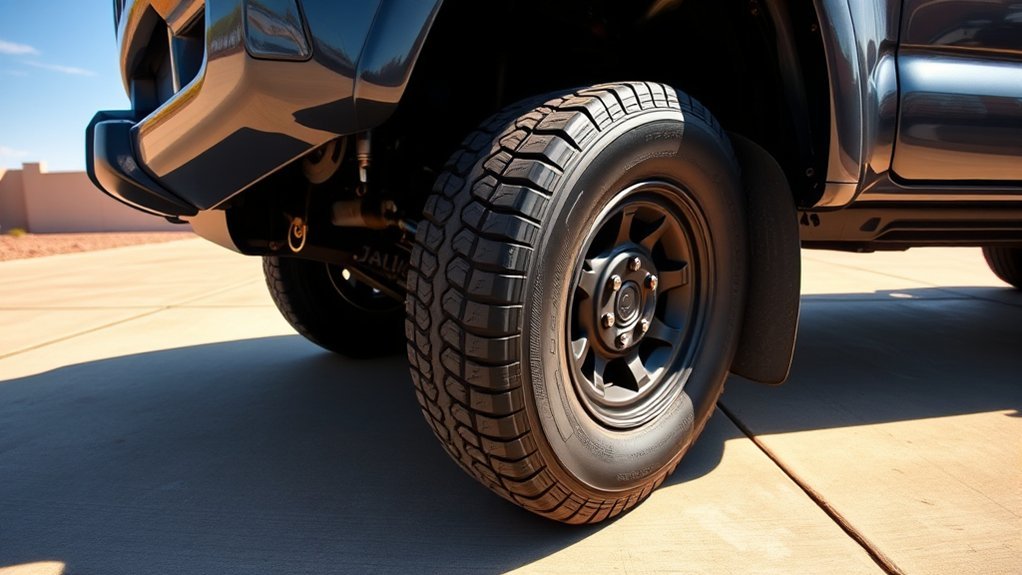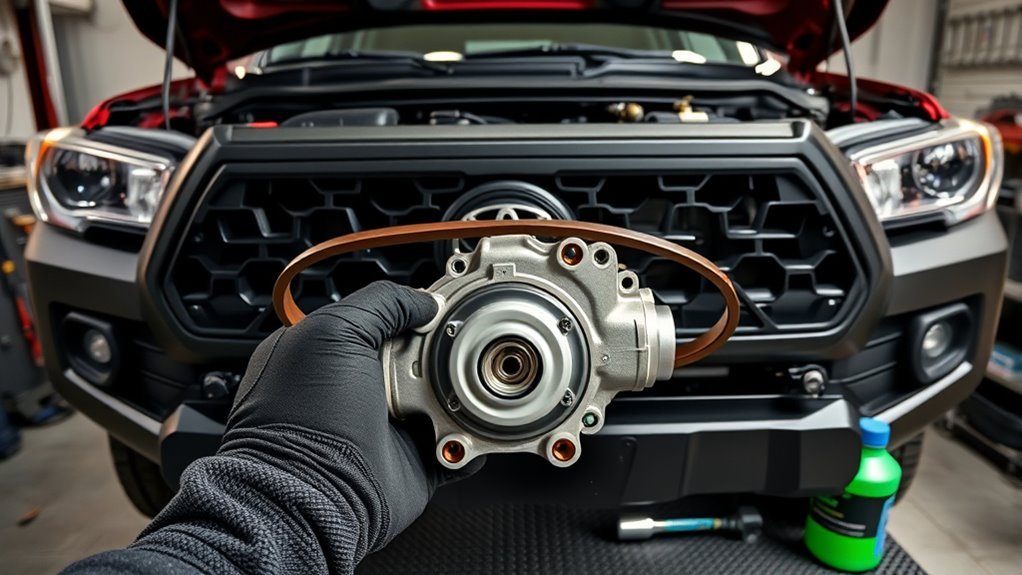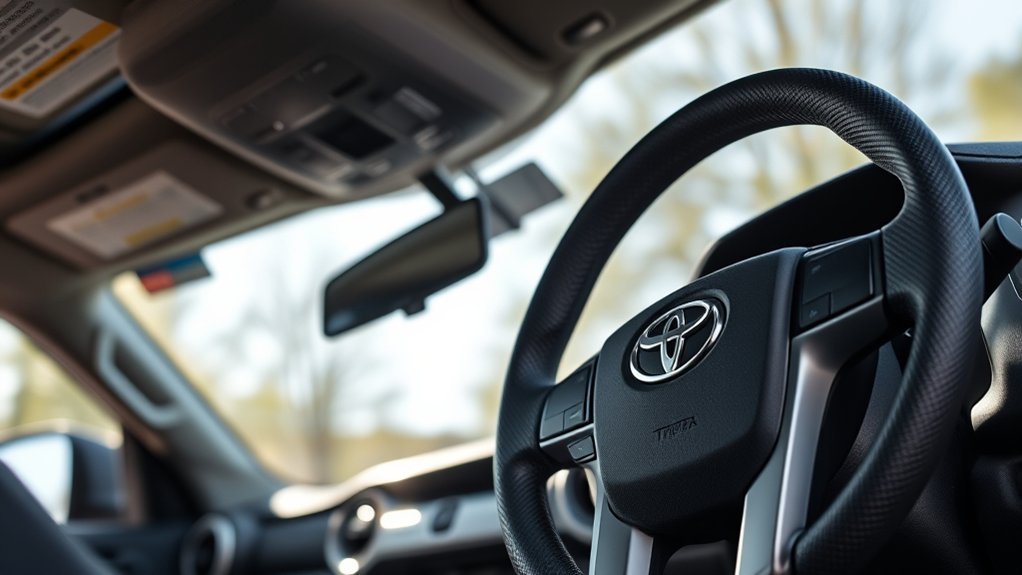
A tire pressure light can turn a normal Tacoma drive into a guessing game. The fix often starts with a simple check: set every tire to the pressure shown on the driver’s door jamb, then initialize the Tire Pressure Monitoring System (TPMS). This guide shows you how to check pressure, fix low tires, reset the TPMS on a 2013 Toyota Tacoma, and know when the warning light points to a deeper problem.
Quick Answer
To reset the TPMS on a 2013 Toyota Tacoma, first set all tires to the recommended cold pressure on the driver’s door jamb. Turn the ignition to ON, press and hold the TPMS reset button until the warning light blinks three times, then wait a few minutes. Start the truck and drive normally so the system can finish reading the tire sensors.
Key Takeaways
- Check tire pressure when the tires are cold for the most accurate reading.
- Use the pressure number on the Tacoma’s driver’s door jamb, not the number on the tire sidewall.
- Reset the TPMS only after you inflate, repair, or replace any low tire.
- A flashing TPMS light may point to a sensor or system fault, not just low pressure.
- Check tire pressure once a month and before long trips.
Why Tire Pressure Matters

Proper tire pressure helps your Tacoma steer, brake, and ride the way it should. Low pressure can make the tires flex too much, which builds heat and raises the risk of tire damage.
Correct inflation also helps your tires wear evenly. That can save money because you may avoid early tire replacement. It can also support better fuel economy because the truck does not have to work as hard to roll.
Over-inflated tires can cause problems too. They may reduce traction, make the ride harsher, and wear the center of the tread faster.
Before You Begin Resetting the TPMS
Estimated total time: 10 to 15 minutes.
Gather a tire pressure gauge and an air compressor or nearby air pump. You should also know the recommended cold tire pressure for your Tacoma, which you can find on the driver’s side door jamb.
- Park on a flat, safe surface.
- Let the tires cool before checking pressure when possible.
- Check all four tires and the spare if your model monitors it.
- Repair any puncture or leak before you reset the system.
Note: The tire sidewall shows the tire’s maximum pressure, not the recommended pressure for your Tacoma.
How to Check Your Tire Pressure
Check your tire pressure when the tires are cold. A cold reading means the truck has been parked for several hours or driven only a short distance.
- Remove the valve cap: Keep the cap in a safe spot so it does not get lost.
- Press the gauge onto the valve stem: Push it straight on until the hiss stops.
- Read the pressure: Compare the number with the pressure listed on the driver’s door jamb.
- Repeat for each tire: Check every tire, including the spare if needed.
- Reinstall the valve caps: Tighten them by hand to help keep dirt out.
Inspect each tire while you check pressure. Look for nails, cuts, sidewall bubbles, uneven wear, or slow leaks around the valve stem.
[Products Worth Considering]
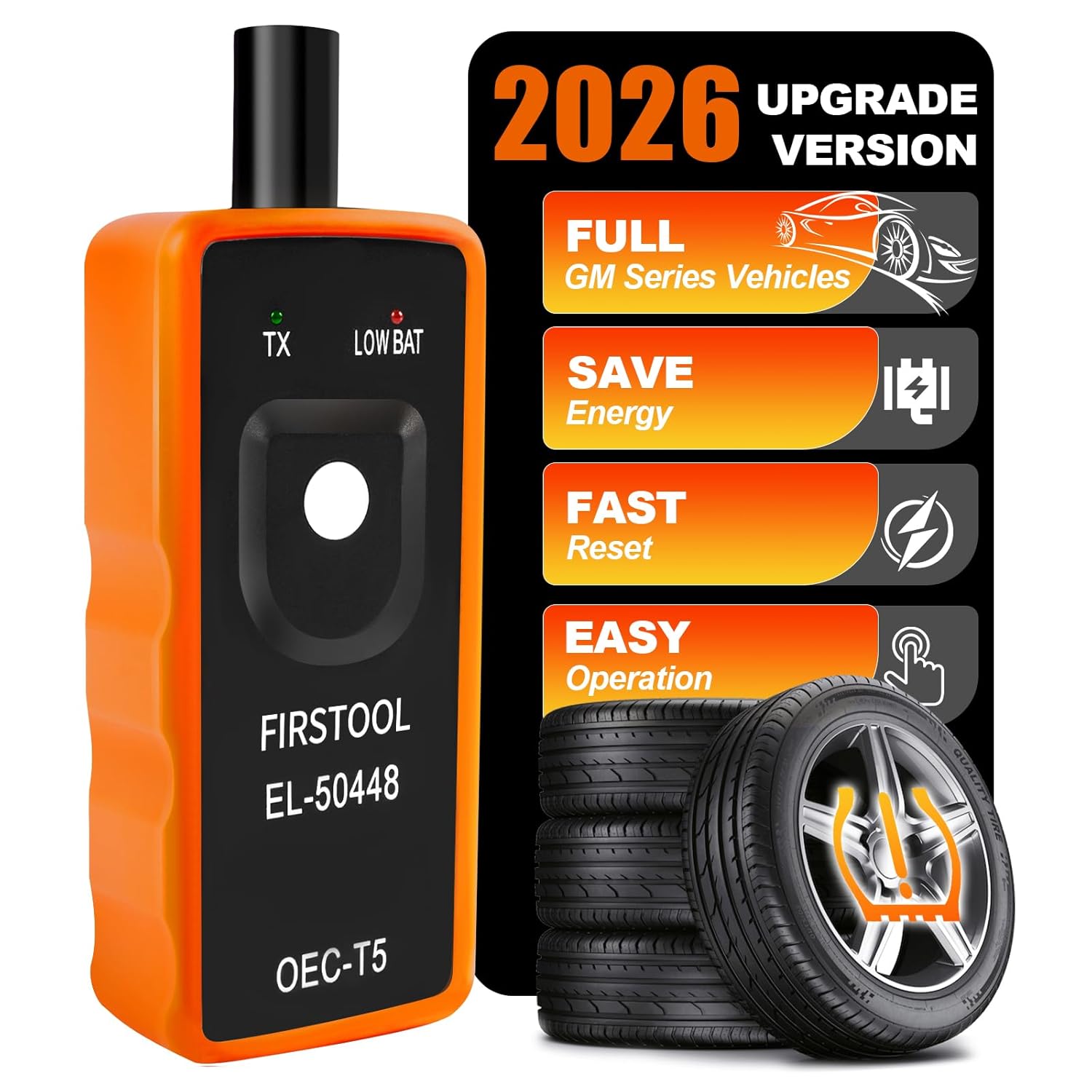
This EL-50448 TPMS relearn tool helps quickly activate and reset tire pressure sensors so your vehicle’s monitoring system stays accurate after tire rotations, sensor replacement, or seasonal tire changes. Designed for many GM-related vehicles and compatible with common 315 and 433 MHz TPMS systems, it offers simple one-button operation and reliable performance for clearing warning lights and relearning sensor positions.

The AICEL TPMS Relearn Tool helps quickly reset and relearn tire pressure sensors on compatible GM vehicles after tire rotation, sensor replacement, or warning light issues. Designed for easy handheld use, it works with most cars, SUVs, and pickup trucks and can save time by eliminating unnecessary trips to the auto store. Its durable ABS housing and simple activation process make it a practical tool for keeping the tire pressure monitoring system operating properly.

Turn your iPhone, Android device, or Windows PC into a professional-grade diagnostic scan tool with this Bluetooth OBD2 adapter. It is designed for broad vehicle compatibility and supports popular apps for deeper diagnostics, live data, and code clearing. Built-in protections and firmware updates help keep your vehicle and scanner safe while delivering reliable performance.
How to Fix Low Tire Pressure?
Fix low tire pressure before you reset the TPMS. If you reset the system while a tire still has low pressure, the warning light may come back on.
- Find the recommended PSI: Use the tire pressure label on the driver’s door jamb.
- Add air slowly: Inflate the tire in short bursts so you do not overfill it.
- Recheck with the gauge: Stop when the tire matches the recommended cold pressure.
- Release extra air if needed: Press the valve pin lightly, then check the pressure again.
- Watch for repeated pressure loss: A tire that keeps losing air may have a leak.
Warning: Do not ignore a tire that keeps losing air, because a slow leak can become unsafe at highway speed.
[Products Worth Considering]

Upgrade your vehicle interior with Skechers Work seat covers designed for comfort, protection, and a clean custom look. Reinforced webbing helps the covers maintain shape and durability, while the cushioned design adds comfort for daily drives and long trips. The form-fitting front seat design works with many cars, trucks, vans, and SUVs, and advanced stitching supports airbag compatibility for added peace of mind.
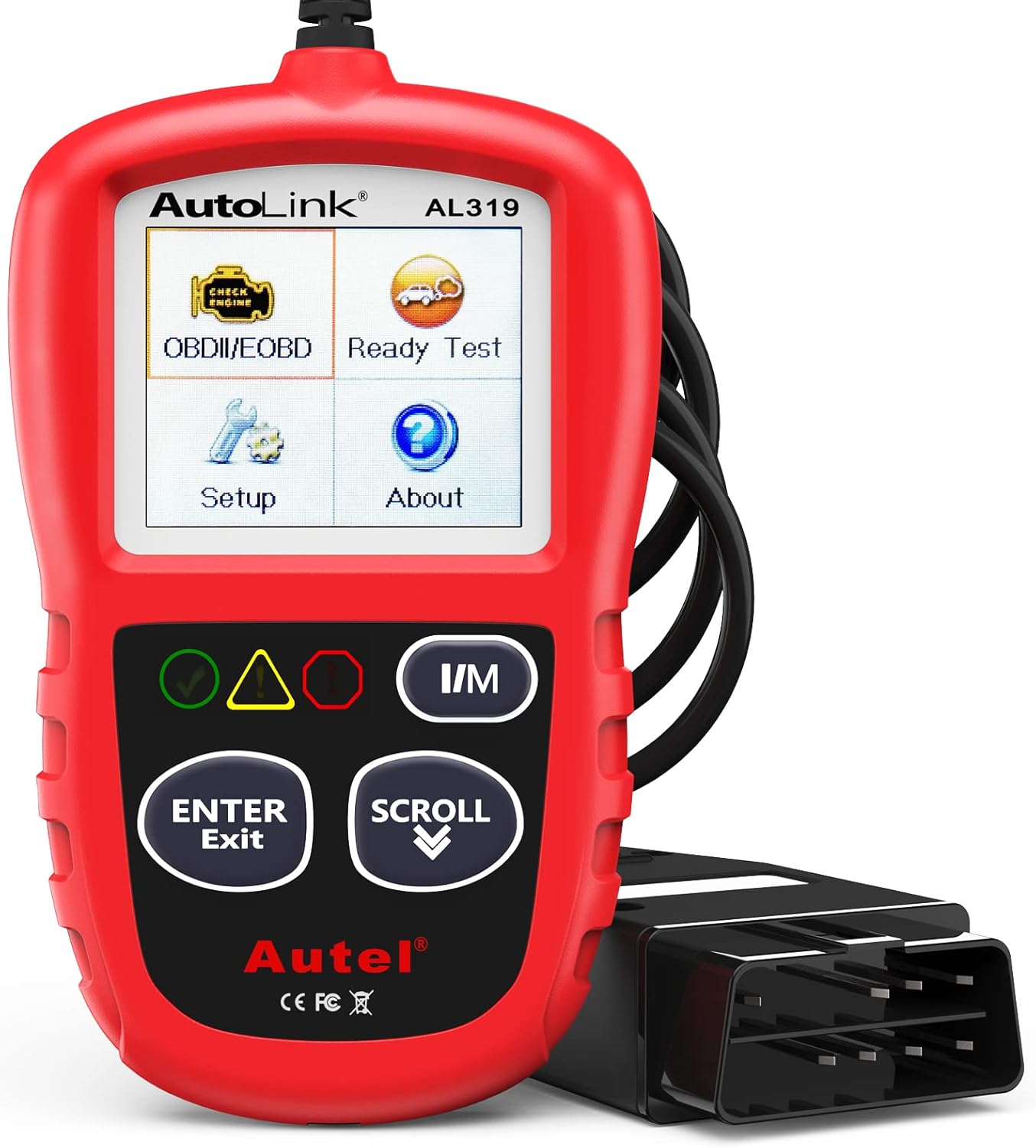
The Autel AL319 is a user-friendly OBD2 scan tool designed to help drivers quickly diagnose check engine light issues and understand vehicle fault codes. It supports reading and clearing DTCs, live data, freeze frame, I/M readiness, and vehicle information, making it a practical choice for DIYers and everyday car owners. With plug-and-play operation, a color display, built-in speaker, and broad vehicle compatibility, it delivers fast, reliable diagnostics without complicated setup.

🌟KEEP YOUR TIRES IN TOP SHAPE: VXDAS GM TPMS Relearn Tool Plus is a 2 in 1 tool that resets your sensor and maintains tire pressure. Works for GM vehicles (Chevy / Buick / GMC / Opel /Cadillac etc)equipped with 315/433 MHz.
Resetting the TPMS on Your 2013 Toyota Tacoma
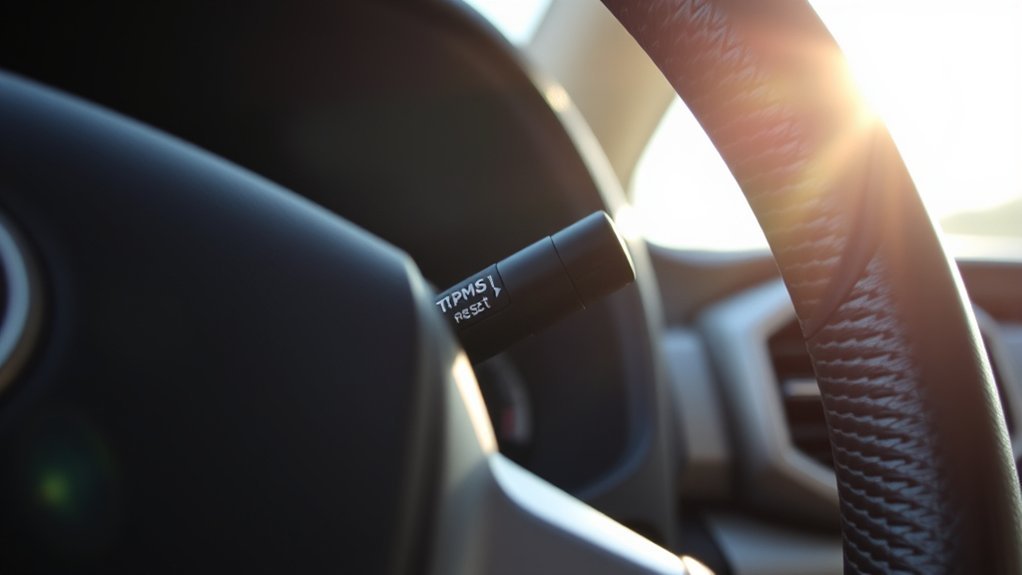
Reset the TPMS only after you confirm that every tire matches the recommended cold pressure. If any tire has damage, repair or replace it before you continue.
- Park safely: Put the Tacoma in Park and set the parking brake.
- Turn the ignition to ON: Do this without starting the engine.
- Find the TPMS reset button: Look below the dashboard near the steering column area.
- Press and hold the reset button: Hold it until the tire pressure light blinks three times.
- Wait a few minutes: Keep the ignition on while the system starts initialization.
- Start the truck: Drive normally for several minutes so the system can read the sensors.
The tire pressure light may not turn off the instant you press the button. The system may need driving time before it confirms the tire pressure readings.
[Products Worth Considering]

🚗 【315MHz Tire Pressure Sensor-Vehicle Fitment,Year Range,OE Number】 ★ TOYOTA Tacoma (2006-2025) | Highlander (2007-2025) | Venza (2009-2015). ★ Other Compatible Models,2005-2025:TOYOTA Camry.Corolla.RAV4.4 Runner.Avalon.Prius.Lander Cruiser.Matrix.FJ Cruiser.Sequoia.Tundra.Yaris.C-HR.LEXUS RX350.RX400H.RX450H.ES350.ES300H.ES250.IS350.IS250.IS300.NX300.NX200T.NX300H.GS350.GS450H.UX200.UX200H.GX460.GX470. ⚙ 【OE Number】PMV-107J.42607-06011.42607-0C020.42607-30030.42607-33011.42607-33021.42607-35010 etc. ⚠️Please Refer to The Main Image for The Complete Vehicle Fitment List.

🚚【315MHz TPMS Design for TOYOTA】 ➤ Tacoma (2006-2025) | Highlander (2007-2025) | RAV4 (2006-2012) | 4Runner (2004-2025). ⚙【Replace Part Number】PMV-107J/1017/C11A/1037,PMV-C010,PMV-C11A,PMV-G001,PMV-E005/H000,4260706011,426070C020,4260733011,4260733012 ect.

🚚 [Application-1] 🔺 Toyota Tacoma 2006-2025 | 4 Runner 2006-2025 | Highlander 2007-2025 | Rav4 2006-2012 🔺 Lexus RX350 2006-2025 | ES350 2006-2025 ✨ [Frequency] 315MHz ⚙ [Replace OE Numbers] PMV-107J,PMV-C010,PMV-C015 etc 🚚 [Application-2] 🔺 :-TOYOTA Camry(07-25).Corolla(07-25).Avalon(06-22).Prius(07-22).Tundra(05-06,22-25).Matrix(07-13).Lander Cruiser(06-25).Venza(09-15).C-HR(18-22).FJ Cruiser(07-14).Sequoia(05-07,23-25).Yaris(07-20).Solara(07-08). 🔺 :-LEXUS RX400H(06-08).RX450H(10-22).ES300H(13-25).ES250(21-25).IS350(06-20).IS250(06-15).IS300(16-20).NX300(18-21).NX200T(15-17).NX300H(15-21).GS350(07-20).GS450H(07-18).GX460(10-13).GX470(06-09).
What if the TPMS Light Stays On?
If the TPMS light stays on, check the tire pressure again with a manual gauge. One tire may still sit below the recommended cold pressure.
If the light flashes for about a minute and then stays on, the system may have a fault. A weak sensor battery, damaged sensor, or receiver problem can cause that warning pattern.
You can try the reset steps again after checking pressure. If the light still returns, ask a qualified technician to scan the TPMS system.
Tire Pressure Maintenance Tips
Good tire habits help prevent warning lights and uneven wear. They also make your Tacoma safer and more predictable on the road.
- Check tire pressure monthly: Use a quality gauge because small pressure changes may not trigger the light right away.
- Follow the manufacturer’s label: Use the driver’s door jamb pressure for the correct cold PSI.
- Check before long trips: Highway driving can make tire problems more serious.
- Watch temperature changes: Tire pressure often drops when outside air gets colder.
- Inspect tread and sidewalls: Look for damage, bulges, cracks, and uneven wear.
Pro tip: Keep a small tire gauge in your glove box so you can check pressure anywhere.
Frequently Asked Questions
What Does the TPMS Warning Light Indicate?
The TPMS warning light usually means one or more tires have low pressure. It can also mean the TPMS has a sensor or system fault, especially if the light flashes before staying on.
Can I Drive With a TPMS Light On?
You can drive a short distance if the truck handles normally, but you should check the tires as soon as possible. Do not keep driving if a tire looks flat, feels unstable, or loses pressure quickly.
How Often Should I Check Tire Pressure?
Check your tire pressure at least once a month. Also check it before long drives, towing, hauling, or driving in cold weather.
What if the TPMS Light Doesn’t Reset?
Check all tire pressures again, then repeat the reset steps. If the light still comes back, the Tacoma may need TPMS sensor service or diagnostic testing.
Are There Different TPMS Systems for Different Vehicles?
Yes, vehicles use different TPMS designs and reset procedures. Your Tacoma’s process can differ from other Toyota models, so use the owner’s manual for model-specific details.
Conclusion
A TPMS reset only works well when your tires already have the correct pressure. Check each tire with a gauge, inflate to the door-jamb PSI, then use the reset button to initialize the system. If the light stays on or flashes, treat it as a sign that your Tacoma needs more inspection. Keep pressure checks in your monthly routine, and your truck will ride safer, smoother, and more efficiently.