To read Toyota Tacoma service records, match every entry to the truck’s VIN, date, mileage, service description, parts, and technician notes, then compare the timeline with Toyota’s maintenance guide for that exact model year. Use Toyota Owners history, itemized receipts, a vehicle history report, and a pre-purchase inspection together because no single source proves the truck’s complete maintenance history. The goal is to confirm routine care, explain major repairs, and spot mileage gaps, declined work, or repeated problems before you buy or keep the truck.
Last updated: September 16, 2026 — reviewed against current Toyota Owners resources, Toyota maintenance guidance, NHTSA VIN/recall tools, and CARFAX reporting guidance.
Quick Answer
To interpret Toyota Tacoma service records, first confirm the VIN, date, and mileage on each entry. Then read the full repair order, compare routine maintenance with Toyota’s guide for that model year, and investigate gaps, repeated complaints, declined work, or vague “major service” labels. Cross-check Toyota Owners history and receipts with CARFAX or another history report, then use a pre-purchase inspection to verify the truck’s current condition.
Key Takeaways
- Toyota Tacoma service codes are often dealer shorthand, not universal Toyota language, so read the full line item instead of trusting the code alone.
- Oil, tire, brake, fluid, filter, and spark plug history should match the maintenance guide for the exact model year and engine.
- A clean CARFAX or Toyota Owners record is helpful, but it may not show DIY work or repairs from shops that did not report the service.
- Repeated entries for the same brake, suspension, cooling, transmission, or electrical complaint deserve follow-up because the earlier repair may not have resolved the symptom.
At a Glance
| Review Scope | Build a VIN-matched timeline, compare it with the model-year maintenance guide, then investigate gaps and repeated repairs |
| Best Evidence | VIN-matched itemized repair orders, Toyota dealer history, receipts, and a physical inspection that agrees with the paperwork |
| Tools Needed | VIN, odometer reading, service receipts, Toyota Owners account, vehicle history report, and the correct Toyota maintenance guide |
| Cost | Toyota Owners and NHTSA lookup tools are free to use; third-party history reports and professional inspections may cost extra |
How to Read Your Toyota Tacoma Service Records

Start with the basics on each service entry: date, mileage, shop name, service description, parts used, and technician notes. A good record should tell you not only that work was done, but also what was inspected, replaced, adjusted, or recommended for the next visit.
Next, compare the mileage in the record with the Tacoma’s current odometer. A steady timeline of oil changes, tire rotations, inspections, and fluid services is a good sign. Large gaps, sudden mileage jumps, or repeated “customer declined service” notes deserve a closer look.
For Toyota dealer history, register or sign in through Toyota Owners and add the truck by VIN. Toyota’s current owner resources let registered users manage a vehicle and view available service history. Use Toyota’s manuals and warranty guide library to pull the maintenance guide for the exact Tacoma model year before you judge whether an interval is missing.
Note: Toyota service history, CARFAX, and dealer records may not include every oil change, DIY repair, independent shop visit, or previous-owner receipt. Treat them as helpful evidence, not a complete guarantee.
Where Can You Find Toyota Tacoma Service History?
If you are checking a used Toyota Tacoma, gather records from more than one place. The most complete picture usually comes from combining official Toyota data, the seller’s receipts, and an independent inspection.
- Toyota Owners: Use the VIN to check Toyota dealer service history, manuals, recalls, and owner resources.
- Paper or digital receipts: Ask for oil change invoices, parts receipts, tire records, battery receipts, and repair orders from independent shops.
- CARFAX or another vehicle history report: CARFAX says its reports can include service and repair information, title information, odometer readings, accident indicators, usage history, and recall information, but not all information is reported.
- NHTSA VIN tools: The NHTSA VIN Decoder can identify information encoded in a 17-character VIN, and NHTSA recall lookup can help check open safety recalls.
- Pre-purchase inspection: A mechanic can verify whether the truck’s physical condition matches the paperwork.
| Source | What It Can Confirm | Main Limitation |
|---|---|---|
| VIN-matched repair order | The date, mileage, complaint, parts, labor, and technician notes for that visit | It proves one documented visit, not the truck’s complete history |
| Toyota Owners history | Available Toyota service history and owner resources tied to the vehicle | Independent-shop and DIY work may need separate receipts |
| CARFAX or another history report | Reported service, title, odometer, usage, accident, and recall information | CARFAX states that not all information is reported |
| NHTSA VIN and recall tools | Manufacturer-reported VIN details and unrepaired safety recalls | They do not provide a maintenance history |
| Pre-purchase inspection | Whether the truck’s present mechanical and physical condition agrees with the paperwork | An inspection cannot prove undocumented past maintenance |
Warning: Do not buy a used Tacoma based only on a clean vehicle history report. CARFAX itself advises using its report along with a pre-purchase inspection and test drive because not all information is reported.
What Do Common Service Codes Mean?
Service codes in Tacoma records are often shorthand created by a dealer, repair shop, or software system. LOF is commonly used for lube, oil, and filter service, but labels such as “Minor Service,” “Intermediate Service,” “Minor Service SUV,” or “Brake Section 1” are not enough to prove what work was performed. Treat the code as a label and the itemized repair order as the evidence.
| Record Term or Code | Likely Meaning | What to Verify |
|---|---|---|
| LOF | Lube, oil, and filter service | Oil grade, filter, mileage, quantity, and any inspection items included in that shop’s LOF package |
| Minor Service | Shop-defined maintenance package; contents vary | Exact checklist, whether oil/filter work was included, and any inspection findings |
| Intermediate Service | Shop-defined maintenance package; do not infer the included work from the label alone | Whether filters, fluids, brakes, driveline parts, and suspension were inspected or serviced |
| Brake Section 1 | Shop-specific brake line item; the code alone does not identify the axle or operation | Pads, rotors, calipers, brake fluid, axle position, and measured pad thickness |
| Declined Service | Recommended work was not completed at that visit | Whether the work was completed later and whether the original concern worsened |
| Multi-Point Inspection | Visual inspection of key systems | Actual measurements, not just green/yellow/red check marks |
If you see vague codes without details, ask for the repair order. A useful repair order should list the parts, labor operation, quantity, and technician notes. For example, “brakes serviced” is vague, while “front brake pads replaced, rotors resurfaced, brake fluid inspected” is much more useful.
[Products Worth Considering]

The ANCEL AD410 PRO combines engine diagnostics and 12V battery testing in one easy-to-use tool, helping you read and clear check engine codes while checking battery health, cranking, and charging performance. It also provides live data, freeze frame details, and I/M readiness checks to help you diagnose issues faster and prepare for emissions testing. With plug-and-play operation, a clear screen, and broad vehicle compatibility, it is a practical solution for home mechanics and everyday drivers.
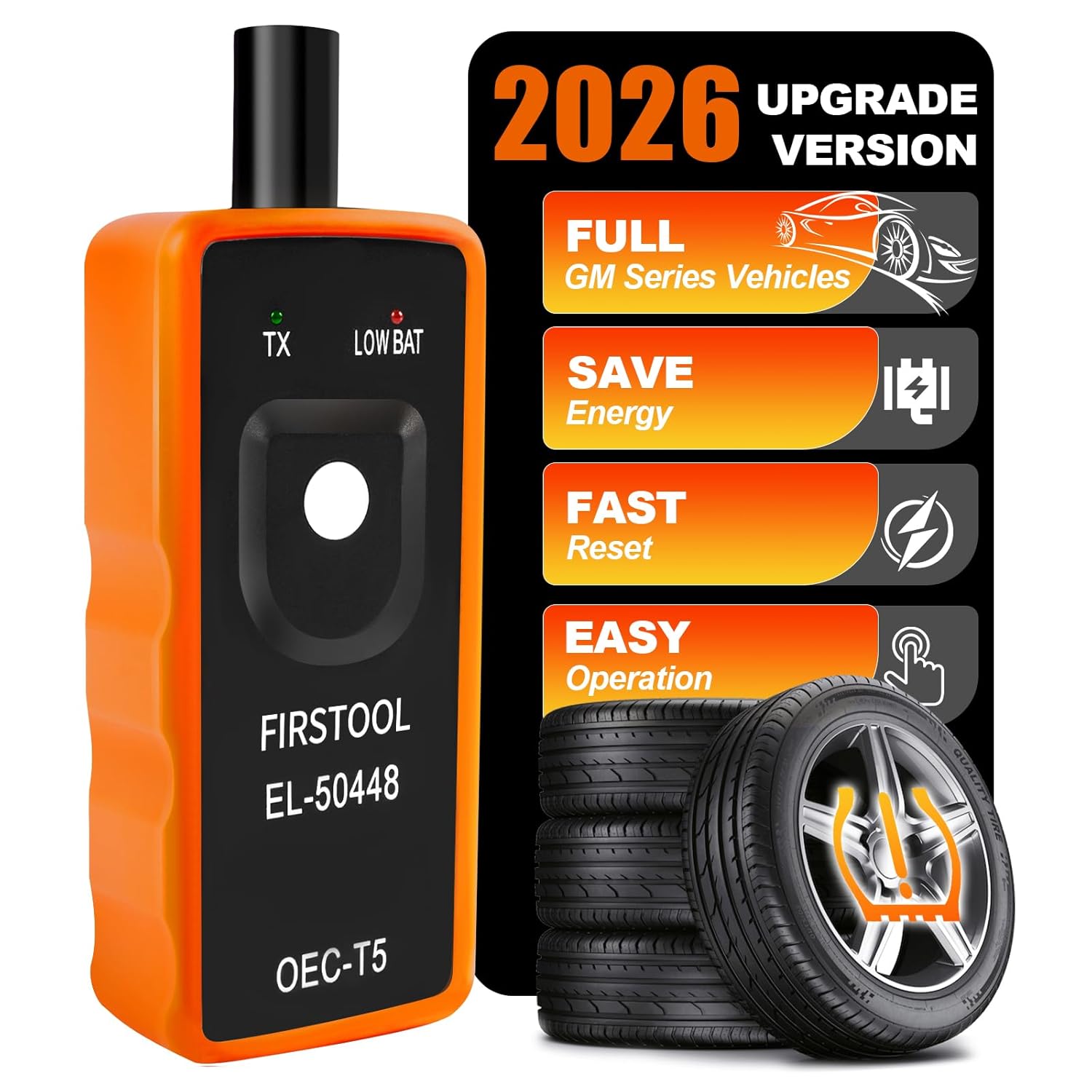
This EL-50448 TPMS relearn tool helps quickly activate and reset tire pressure sensors so your vehicle’s monitoring system stays accurate after tire rotations, sensor replacement, or seasonal tire changes. Designed for many GM-related vehicles and compatible with common 315 and 433 MHz TPMS systems, it offers simple one-button operation and reliable performance for clearing warning lights and relearning sensor positions.

These PIC AUTO floor mats combine durable rubber with decorative aluminum film for dependable all-weather interior protection and a stylish look. The trim-to-fit design helps create a customized fit for many vehicles, while the anti-slip backing keeps the mats securely in place during everyday driving. They are also easy to clean, making them a practical choice for keeping your vehicle interior neat and protected.
Which Tacoma Maintenance Milestones Should You Check?
Every potential buyer should check the maintenance milestones that affect engine life, drivability, braking, and resale value. Toyota’s maintenance requirements vary by model year, engine, drivetrain, and driving conditions, so do not rely on one generic schedule for every Tacoma.
Use the exact Toyota maintenance guide rather than a universal mileage rule. For example, Toyota’s 2023 Tacoma guide uses 5,000-mile or six-month maintenance checkpoints and states that vehicles certified for 0W-20 oil can use a 10,000-mile or 12-month oil-change interval under normal conditions. The same guide shortens engine-oil and filter replacement to 5,000 miles or six months under listed special operating conditions. Other model years and powertrains can differ, so judge the records against the guide for the truck you are actually reviewing.
| Maintenance Item | What Good Records Show | Why It Matters |
|---|---|---|
| Oil and filter | Consistent oil changes using the correct oil type and mileage interval for the model year | Protects the engine from wear, sludge, and oil starvation |
| Tire rotation | Regular rotations and tire condition notes | Helps reveal alignment, suspension, and uneven wear problems |
| Brakes | Pad measurements, rotor condition, brake fluid checks, and completed repairs | Brake wear varies widely with towing, hills, traffic, and driving style |
| Engine and cabin filters | Replacement or inspection at mileage intervals and after dusty use | Important for engine airflow, HVAC performance, and dusty-road Tacomas |
| Transmission and driveline fluids | Inspection or replacement notes, especially on 4WD trucks, towing vehicles, and off-road builds | Fluid neglect can shorten the life of expensive drivetrain components |
| Coolant | Coolant inspection and replacement at the correct age or mileage | Protects the engine, heater, radiator, and water pump from overheating or corrosion |
| Engine timing drive | Documentation that matches the exact engine’s factory maintenance requirements | Do not transfer a belt or chain service rule from one Tacoma engine or model year to another |
Pro Tip: When records say “major service,” ask for the itemized invoice. The phrase sounds reassuring, but the real value is in the checklist: oil, filters, fluids, spark plugs, brakes, suspension, driveline, coolant, and inspection results.
[Products Worth Considering]

The XINDELL Interior Windshield Cleaner Tool makes it easy to clean car glass inside and out with an extendable handle and 180° pivoting head for better reach and streak-free results. Designed for auto detailing and home windows, it includes reusable microfiber pads and a wash sponge for dry or wet cleaning, helping remove dust, fog, grime, and smudges with less effort.
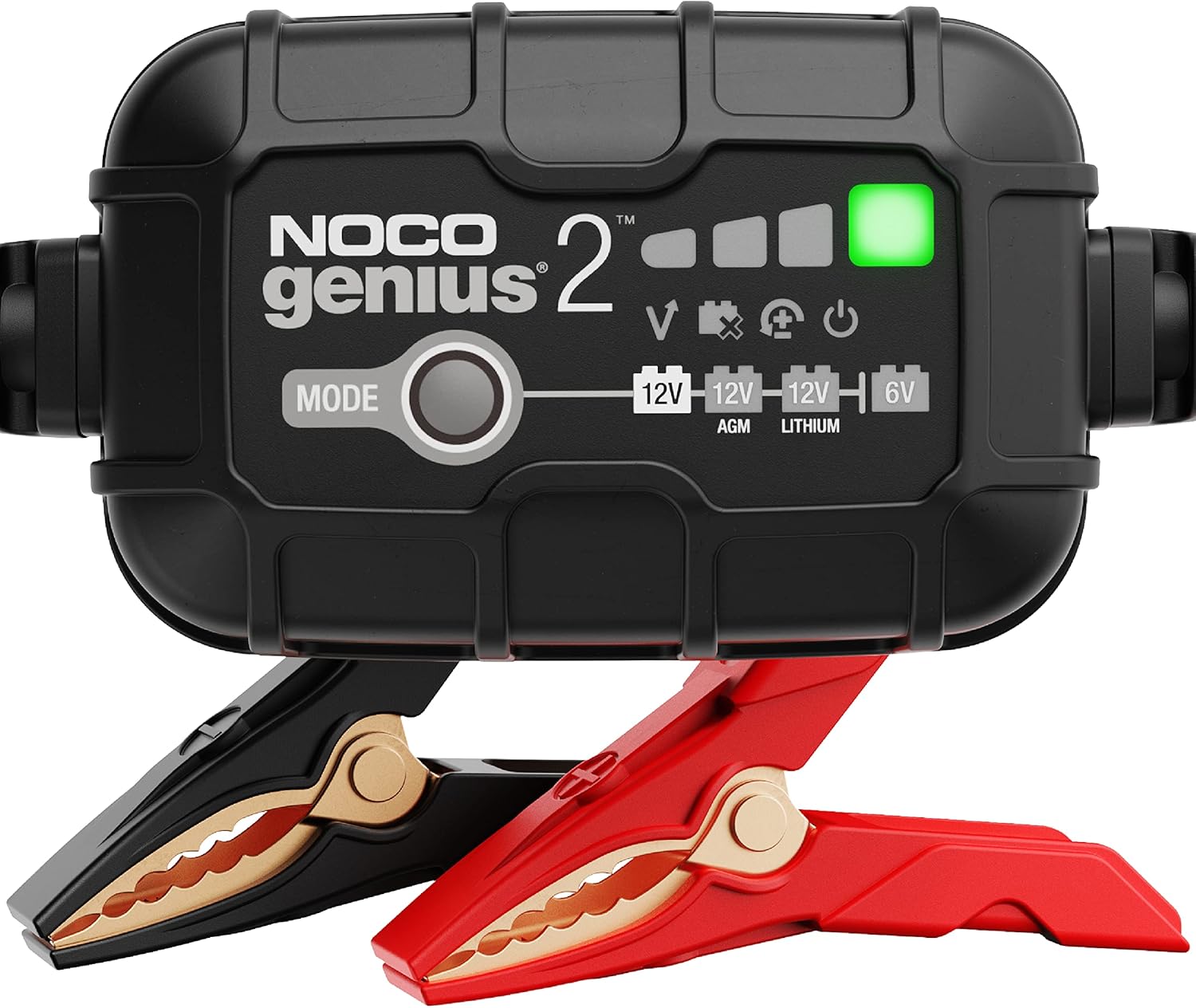
The NOCO GENIUS2 is a compact, all-in-one smart charger that automatically charges, maintains, and restores 6V and 12V lead-acid and lithium batteries. It features temperature compensation, overcharge protection, pulse desulfation, and Force Mode for reviving deeply discharged batteries, making it ideal for long-term battery care across many vehicle types. Designed for safe indefinite connection, it helps extend battery life and keep batteries ready to go.
How to Evaluate Vehicle Condition Using Service Records
Use the service records as a consistency check, not as a scorecard. The strongest history is one where the VIN matches, mileage rises logically, routine work lines up with the correct maintenance guide, major repairs have itemized invoices, and the truck’s current condition agrees with the paperwork. Focus on patterns, not a single missing entry.
- Build a chronological timeline: Put the records in mileage order and look for regular maintenance. If a high-mileage Tacoma has only a few documented oil changes, ask for additional receipts before concluding that the maintenance was completed.
- Check mileage consistency: Compare odometer readings across Toyota records, CARFAX entries, state inspections, tire receipts, and oil change stickers.
- Look for major services and repairs: Transmission repairs, head-gasket work, cooling-system repairs, differential service, and suspension replacement should be documented clearly. Some are routine maintenance; others show that a fault occurred and was repaired.
- Identify recurring issues: Repeated brake vibration, warning lights, alignment complaints, battery drain, coolant leaks, or transmission symptoms can point to an unresolved problem.
- Watch for missing routine maintenance: Gaps in oil changes, fluid services, brake inspections, and tire rotations matter more when the Tacoma was used for towing, off-roading, commuting in heavy traffic, or dusty roads.
- Compare records with the truck: If records show no accidents but the body has paint mismatch, uneven panel gaps, overspray, or missing labels, have a mechanic and body shop inspect it before buying.
The best Tacoma service history is not the longest one. It is the one where mileage, dates, repairs, receipts, and the truck’s current condition all agree.
What Are Red Flags in Used Tacoma Service Records?
A used Tacoma does not need perfect records to be a good truck, but certain patterns should slow you down. These red flags do not always mean you should walk away, but they do mean you should ask more questions.
- Long oil-change gaps: Especially on trucks with high mileage, towing use, turbocharged engines, dusty-road use, or unknown oil type.
- Repeated “no problem found” entries: This can mean an intermittent issue that the shop could not duplicate.
- Frequent brake repairs: Ask whether the entries reflect normal wear from towing, hills, or larger tires, or whether the same brake complaint kept returning after repair.
- Transmission complaints without follow-up: Slipping, harsh shifting, fluid leaks, or delayed engagement should be checked professionally.
- Suspension and alignment repetition: Repeated uneven tire wear, pulling, or alignment complaints justify a suspension and underbody inspection before purchase.
- Missing title, accident, or recall context: Check NHTSA recall status and compare vehicle history reports with the physical inspection.
- Recent major repairs just before sale: Review the repair order, confirm what failed, and verify on the test drive or inspection that the original symptom is resolved.
Warning: If the seller cannot explain large mileage gaps, repeated warning lights, title issues, or missing repair invoices, pay for an independent inspection before you negotiate or leave a deposit.
How to Check a Tacoma VIN
The VIN helps you connect records to the correct truck. In the United States, NHTSA explains that a VIN is a 17-character number that encodes specific vehicle information. You can usually find it on the dashboard near the windshield, the driver-side door-jamb label, registration documents, insurance paperwork, and service invoices. If you need the character-by-character vehicle details, see this Toyota Tacoma VIN build-sheet guide.
Use the VIN to:
- Register the truck in Toyota Owners and check available Toyota service history.
- Pull the correct owner’s manual and warranty maintenance guide.
- Check open safety recalls through NHTSA or Toyota.
- Order a vehicle history report.
- Confirm that receipts and repair orders match the same vehicle.
Important: NHTSA’s VIN Decoder identifies manufacturer-reported vehicle information; it is not a service-history database. Use it to confirm identity and specifications, then use Toyota records, receipts, and vehicle-history sources for maintenance evidence.
Be careful with records that list only a license plate or customer name. Plates can change, and names may not prove the work belongs to the Tacoma you are checking. A VIN-matched invoice is stronger evidence.
How Should You Organize Tacoma Service Records?
Keeping your service records organized makes it easier to track your Tacoma’s maintenance history and gives you proof of care when it is time to sell. A clean folder can also help a mechanic diagnose problems faster.
Create a dedicated paper or digital folder and organize everything by mileage. Each entry should include the date, odometer reading, service performed, shop name, parts used, and receipt. For DIY maintenance, keep the parts receipt and write down what you did, what fluids you used, and the mileage.
Use Toyota Owners for available dealer history, then keep independent-shop and DIY records in a spreadsheet, cloud folder, or maintenance app. Back up photos or PDFs of paper receipts so they are available for future repairs, warranty questions, or resale documentation.
Simple Service Record Checklist
Use this quick checklist when reviewing a Tacoma you own or plan to buy:
- VIN on the truck matches the VIN on the records.
- Oil and filter changes are documented at appropriate intervals for the model year and use case.
- Tire rotations and alignments make sense with tire wear.
- Brake work includes axle position, pad measurements, rotor notes, and brake fluid checks.
- Major repairs include parts and labor details, not just a vague summary.
- Transmission, differential, transfer case, coolant, and brake fluid history is present when mileage or use calls for it.
- Open recalls have been checked through Toyota or NHTSA.
- Any “declined service” note was later resolved.
- The truck’s current condition matches the paperwork.
Frequently Asked Questions
What do service records mean on CARFAX?
Service records on CARFAX are reported maintenance or repair events tied to a vehicle’s VIN. CARFAX says its reports can include service and repair information, title information, odometer readings, accident indicators, usage history, and recall information. However, CARFAX also says not all information is reported, so use it with receipts, Toyota records, a test drive, and a pre-purchase inspection.
How do I tell what maintenance my Toyota Tacoma needs?
Use the Toyota maintenance guide for your Tacoma’s exact model year, engine, and drivetrain. Then compare the guide with your current mileage, driving conditions, and existing records. Follow any shorter intervals Toyota lists for special operating conditions such as dusty-road use, towing, off-road use, or extensive low-speed/idling operation.
Can I check Toyota Tacoma service history by VIN?
Yes. Add the Tacoma to Toyota Owners using its VIN to view available Toyota service history and owner resources, then match that VIN against receipts and any vehicle history report. Use NHTSA’s VIN and recall tools for identity and open safety recalls, not for maintenance history.
Are Toyota Tacoma service codes universal?
No. Some terms are common, such as LOF for lube, oil, and filter, but many service codes are created by a dealer, shop, or software system. Always read the full repair order and ask what parts, inspections, fluids, and labor were included.
Can I trust a Tacoma with missing service records?
Missing records do not automatically make a Tacoma bad, especially if the owner did DIY maintenance and kept parts receipts. But missing records increase risk. Before buying, check the VIN, inspect the truck, review any available receipts, look for signs of neglect, and pay for an independent pre-purchase inspection.
Conclusion
Read Toyota Tacoma service records as a timeline: confirm the VIN, sort entries by date and mileage, decode vague shop labels with the full repair order, and compare routine maintenance with Toyota’s guide for the exact model year. Then investigate gaps, declined work, and repeated complaints. If you are buying the truck, finish with an independent pre-purchase inspection so the physical condition supports the paperwork before you negotiate or leave a deposit.
Sources
- Toyota Owners — Toyota owner tools, service history access, manuals, and maintenance resources.
- Toyota Support: Where can I view my vehicle’s service history? — Toyota’s guidance on registering a vehicle to access service history.
- Toyota Manuals and Warranties — official Toyota owner’s manuals and warranty maintenance guides by model year.
- 2023 Toyota Tacoma Warranty & Maintenance Guide — official model-year maintenance intervals, including 0W-20 oil-change timing and special operating conditions.
- NHTSA VIN Decoder — official U.S. government explanation of 17-character VINs and VIN decoding.
- NHTSA Recalls — official U.S. recall lookup for vehicle safety recalls.
- CARFAX: What’s on a CARFAX Report? — what CARFAX reports can include and why a report should be used with an inspection and test drive.