Last updated: September 16, 2026
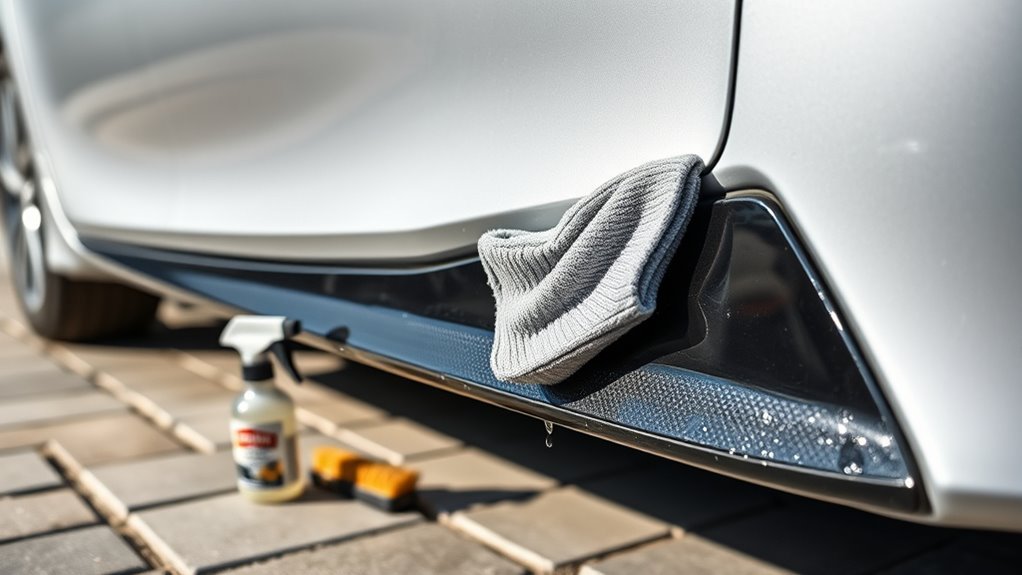
To clean Toyota Camry exterior plastic trim, first confirm the part is unpainted plastic or product-compatible rubber. Wash away loose dirt, clean textured areas with an all-purpose cleaner and soft detailing brush, wipe away residue, and let the surface dry completely. Then apply Tire+Trim Gel in a thin, even layer and buff away excess. Proper preparation matters more than applying a heavy coat, especially when the trim is faded, streaky, or holding old dressing residue.
Quick Answer
Clean Camry exterior plastic trim with an all-purpose cleaner, agitate seams and textured areas with a soft detailing brush, wipe the residue away, and let the trim dry completely. For Chemical Guys Tire+Trim Gel, shake the product well, apply 2–5 sprays or a few drops to a foam or microfiber applicator, work it evenly over the trim, buff off excess, and allow 5–10 minutes for drying.
Key Takeaways
- A clean, fully dry surface is the difference between even trim restoration and greasy or patchy coverage.
- Use Nonsense All-Purpose Cleaner according to the current product label. Chemical Guys currently lists approximately 20:1 dilution or as needed.
- Apply Tire+Trim Gel in a thin layer, buff off excess, and allow 5–10 minutes for drying rather than leaving a heavy, glossy film.
- Inspect the trim during normal washes and reapply dressing when the dark, even finish starts to fade.
At a Glance
| Time Required | Plan about 20–40 minutes, plus extra drying time if the trim is wet or heavily soiled |
| Difficulty | Easy |
| Tools Needed | All-purpose cleaner, boar-hair detailing brush, microfiber towels, microfiber applicator, Tire+Trim Gel, gloves |
| Cost | Usually low if you already own basic detailing towels and brushes |
Tools, Products, and Safety for Camry Trim

Start by gathering the products and tools you’ll use from start to finish. You need Nonsense All-Purpose Cleaner to loosen grime, a boar-hair detailing brush for gentle agitation, Tire+Trim Gel or another exterior-safe plastic trim dressing, a microfiber applicator, and several clean microfiber towels for wiping and buffing.
Toyota’s owner guidance for exterior care says to clean each part in a way that matches its material, use gentle washing methods, rinse thoroughly, and remove remaining water. That same principle applies here: plastic trim should be cleaned gently, not attacked with harsh scrubbing pads or aggressive solvents. You can review the manual for your Camry model year through Toyota Manuals and Warranties.
Warning: Do not apply trim gel to glass, paint-heavy edges, tire tread, pedals, steering wheels, or any surface where slick residue could create a safety risk. Keep chemicals away from children, avoid eye contact, and follow the product label and safety data sheet for personal protection.
Wear gloves, work in shade on cool panels, and keep the area ventilated. OSHA explains that safety data sheets include recommendations for personal protective measures such as eye, face, skin, and respiratory protection, so check the product SDS if you are sensitive to cleaners or working in a closed garage.
[Products Worth Considering]

Chemical Guys Tire Kicker delivers a customizable tire shine that ranges from a subtle satin look to a deep wet gloss with layered application. Its water-based, dry-to-the-touch formula helps refresh rubber without greasy residue or sling, while the included Wonder Wave applicator spreads dressing evenly across tire sidewalls for a polished finish.

CERAKOTE Ceramic Trim Coat Kit restores faded plastic trim with a true ceramic coating that bonds to the surface for long-lasting protection. It helps defend against UV damage, is quick to apply with pre-saturated wipes, and leaves trim looking refreshed without greasy residue or messy sprays.
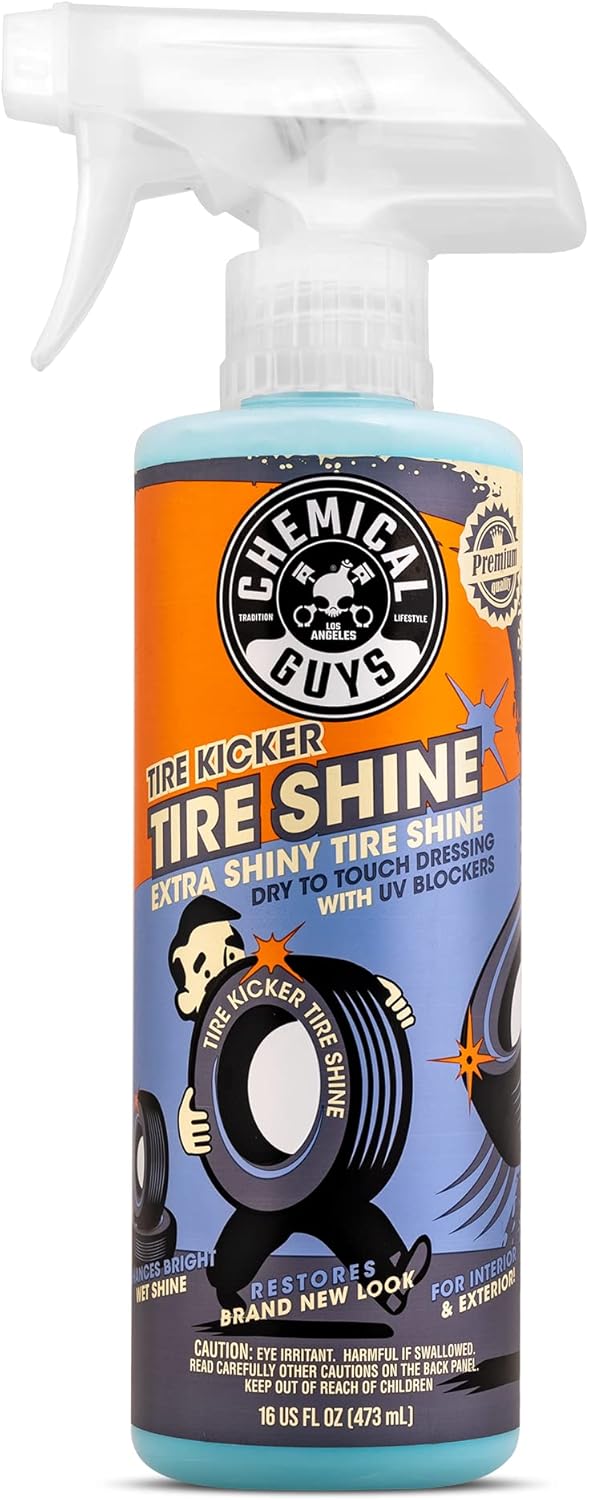
Chemical Guys Tire Kicker is a sprayable tire shine that restores a deep, wet-looking gloss to rubber, vinyl, and plastic surfaces while helping protect against fading, cracking, and discoloration. Its easy spray application leaves a dry-to-the-touch, streak-free finish on tires, trim, bumpers, and weatherstripping for a freshly detailed appearance that lasts between washes.
Confirm the Camry Part Is Unpainted Trim Before Dressing
Do not assume every black exterior piece on a Camry is raw plastic. Materials and finishes vary by model year and trim level, and some gloss-black, body-color, or clear-coated pieces should be treated like painted surfaces rather than dressed plastic. Tire+Trim Gel is currently listed by Chemical Guys for plastic and rubber surfaces.
Before applying dressing, inspect the finish closely and test a small, low-visibility area. Use trim gel only where you have confirmed the piece is compatible unpainted plastic or rubber. If a surface is glossy, body-color, clear-coated, or part of a camera or sensor assembly, skip the dressing unless the vehicle or product documentation specifically confirms compatibility.
How to Clean Toyota Camry Exterior Plastic Trim
Before restoring faded plastic trim, wash the surrounding area so loose dirt does not get dragged across the paint. Then test the cleaner on a small, low-visibility section of trim. Chemical Guys currently says Nonsense All-Purpose Cleaner can be diluted approximately 20:1 or as needed; follow the instructions on your current bottle for the surface and soil level you are cleaning.
- Spray the cleaner onto the trim, brush, or towel. Use enough Nonsense All-Purpose Cleaner to wet the grime, but do not flood nearby paint, badges, sensors, or rubber seals.
- Agitate the surface. Use a boar-hair detailing brush and scrub in short, controlled strokes. Focus on seams, textured grain, lower rocker trim, mirror-base trim, bumper trim, and chalky areas where dirt or old dressing can collect.
- Wipe the residue away. Use a clean microfiber towel to remove loosened dirt and cleaner before it dries on the surface.
- Repeat only where needed. Heavily soiled trim may need a second pass, but stop scrubbing once the contamination is removed.
- Dry completely. Let the trim air dry or pat it dry with a fresh towel. Dressing spreads and levels more evenly when water is not trapped in the texture, seams, or edges.
Pro Tip: Spray cleaner onto the brush or towel when working near paint edges. This gives you more control than spraying directly onto narrow trim pieces.
How Do You Restore Faded Camry Trim With Tire+Trim Gel?
Once the trim is clean and fully dry, shake Tire+Trim Gel well. Chemical Guys currently directs users to apply 2–5 sprays or a few drops to a foam or microfiber applicator, spread the dressing over the workpiece, and work it into the surface. The goal is an even, darkened finish—not a heavy oily layer sitting on top.
Move along the Camry in small sections. Treat one confirmed unpainted plastic or compatible rubber section at a time. Do not assume glossy pillar trim, painted mirror caps, camera housings, or decorative black pieces are raw plastic. Reload the applicator lightly as needed. If you see thick shiny ridges or pooled product, use less gel and spread the existing product farther.
| Step | Tool | Purpose |
|---|---|---|
| 1 | Cleaner | Remove grime, oils, old dressing, and residue |
| 2 | Brush | Agitate seams and textured plastic gently |
| 3 | Towel | Wipe away loosened contamination and dry the trim |
| 4 | Gel + Applicator | Apply a thin, even layer and restore the dark finish |
| 5 | Dry Towel | Buff excess, then allow 5–10 minutes for drying |
After working the product into each section, buff off excess residue with a clean, dry microfiber towel. Then allow 5–10 minutes for drying. Inspect the surface from several angles before deciding whether another thin layer is necessary.
Note: Chemical Guys identifies Tire+Trim Gel as an oil-based, high-gloss dressing/restorer. It can darken and protect faded trim, but it is not a permanent repair for cracked or severely weathered plastic. Deep oxidation or physical damage may call for a dedicated trim coating, dye, or replacement instead.
[Products Worth Considering]
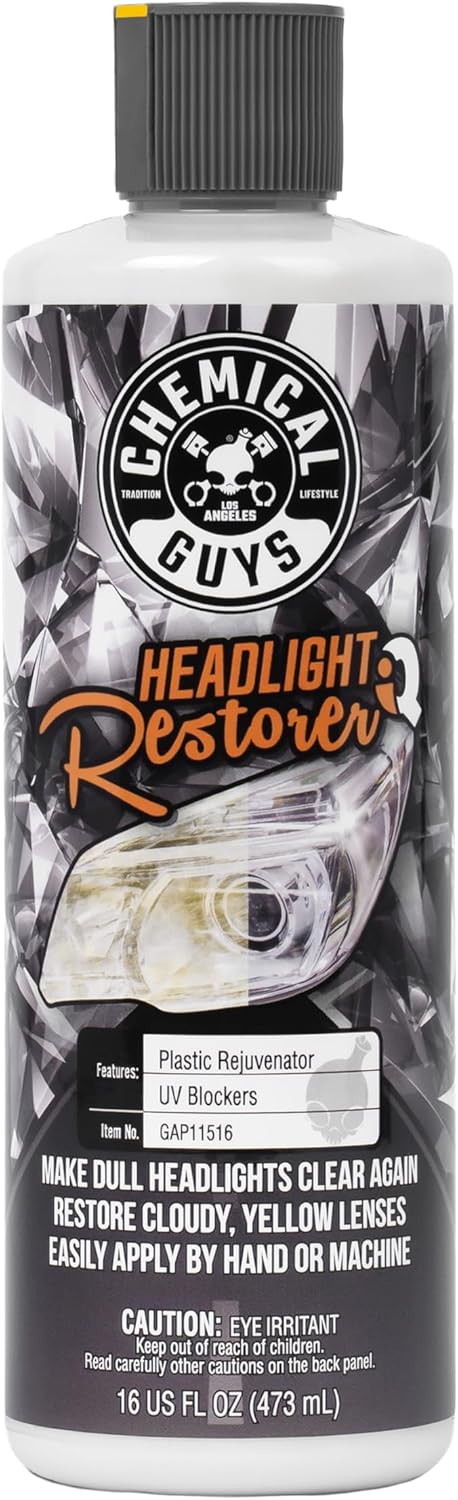
Chemical Guys Headlight Restore & Protect is an all-in-one solution designed to clean, restore, and shield cloudy plastic lenses for better clarity and safer nighttime driving. It removes yellowing, haze, oxidation, and light surface marks while leaving a durable protective layer that helps resist future fading and discoloration. Suitable for headlights, taillights, fog lights, and turn signals, it delivers quick, easy results by hand or machine.
These high-performance microfiber cleaning cloths are designed to lift grime, liquid, dust, and dirt quickly while leaving a streak-free shine on glass, mirrors, and car surfaces. The thick, durable weave is built for repeated use, fast drying, and gentle cleaning that helps avoid linting, scratching, or swirling. Ideal for automotive detailing and all-purpose household cleaning, this reusable 12-pack delivers dependable absorbency and long-lasting value.

Meguiar's Keep Clear Headlight Coating helps maintain crystal-clear headlights on both new and restored lenses for improved nighttime visibility and a cleaner look. Its durable UV-protective formula helps resist hazing, yellowing, and discoloration while delivering lasting clarity for up to a year. The easy aerosol spray application makes it simple to protect and refresh your headlights with minimal effort.
Where to Use and Where to Avoid Trim Gel on a Camry
Use trim gel only on confirmed product-compatible exterior plastic or rubber. Depending on the Camry model year and trim level, possible candidates can include unpainted lower bumper trim, lower rocker trim, cowl-area plastic, mirror-base trim, and other textured black plastic accents. Confirm the material before treating each piece.
Avoid applying gel to painted body panels, gloss-black or clear-coated trim, chrome-look trim, camera lenses, parking sensors, radar sensor covers, glass, and emblems. If gel touches paint or glass, wipe it away promptly with a clean microfiber towel.
[Products Worth Considering]

Chemical Guys Swift Wipe Waterless Car Wash Spray lets you clean, shine, and protect your vehicle without a hose or bucket. Its high-lubrication formula lifts dirt and grime while helping reduce scratches and swirl marks, leaving a glossy, streak-free finish on paint, glass, wheels, chrome, and plastic. Ideal for quick detailing anywhere, it adds a protective layer that helps repel dust and keep your vehicle looking freshly washed longer.

This aftermarket front bumper tow hook eye cover cap set is designed to fit Toyota RAV4 AX40 models from 2016 to 2018, providing a direct replacement for the original left and right covers. Made from durable ABS plastic, these caps offer a precise fit, weather resistance, and reliable protection while restoring the clean factory look of the bumper.

These HOMEXCEL microfiber cleaning cloths deliver excellent absorbency and gentle, scratch-free cleaning for cars, homes, and glass surfaces. The soft, lint-free towels help remove dirt, water, and streaks quickly for a polished finish, and they are machine washable for repeated everyday use.
Why Does Camry Trim Look Streaky or Patchy After Dressing?
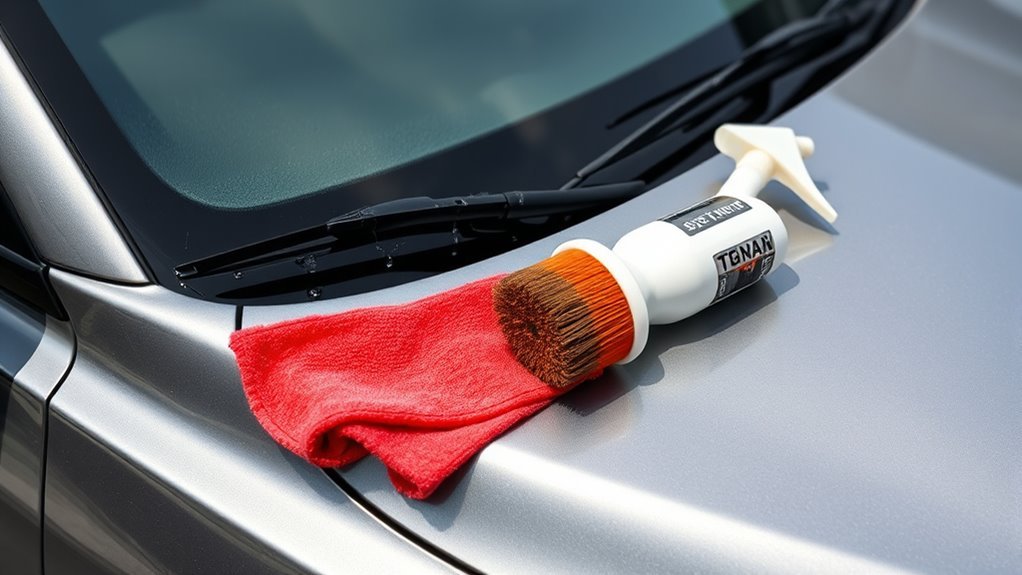
After you work the gel into each section and buff off excess, inspect the panels from a few angles. Look for dark streaks, shiny beads in joints, cloudy patches, or areas with uneven coverage. Common causes include leftover dirt or old dressing, trapped moisture, an incompatible surface, or simply using too much product.
- Dark streaks: Reclean the area with Nonsense All-Purpose Cleaner, brush the textured surface again, dry it fully, and reapply a thinner coat.
- Gel collecting in joints: Wipe the excess immediately and use less product on the next pass.
- Patchy coverage: Make sure the trim is fully dry and free of old dressing, wax, or cleaner residue. Recheck that the surface is compatible unpainted plastic or rubber.
- Greasy shine: Buff with a clean dry towel until the finish looks even and feels dry to the touch.
- White wax stains: Use a trim-safe cleaner and brush first. If staining remains, use a dedicated wax-and-oil remover made for automotive trim before dressing.
Do not stack thick layers to hide streaks. Heavy application can leave uneven gloss and excess residue instead of correcting poor surface preparation.
How Often Should You Maintain Camry Exterior Plastic Trim?
Exterior plastic trim faces sun, heat, road film, rain, and wash chemicals, so inspect the trim during normal washes. Clean it whenever visible grime or old dressing builds up, and refresh the dressing when the dark, even finish starts to fade.
There is no fixed Toyota Camry reapplication interval for Tire+Trim Gel. Chemical Guys describes this type of maintained finish in terms of weeks, while actual durability varies with sun exposure, rain, washing frequency, parking conditions, and how well the trim was prepared. Garage-kept trim may need attention less often than trim exposed outdoors every day.
- Wash from the top down so dirty water does not run over freshly cleaned trim.
- Keep separate towels for dirty trim work and final buffing.
- Do not let all-purpose cleaner dry on paint, glass, or plastic.
- Buff excess trim gel after application rather than leaving pooled product behind.
- Recheck seams and lower panels after the first wash for trapped residue or uneven areas.
Frequently Asked Questions
How do you clean car exterior plastic trim?
Clean car exterior plastic trim by washing off loose dirt, applying a plastic-compatible all-purpose cleaner, agitating textured areas gently with a soft detailing brush, and wiping away the loosened residue with a microfiber towel. Let the plastic dry completely before applying trim dressing or protectant.
How do I clean oxidation on the plastic outside of my car?
Start with a thorough clean using a plastic-compatible cleaner and soft detailing brush to remove grime, old dressing, wax, and loose residue. If the plastic is only faded, a trim dressing can improve its appearance. Chalky, cracked, or deeply weathered plastic may require a dedicated coating, dye, or replacement rather than another heavy layer of dressing.
How do you make plastic trim look new again?
Remove embedded dirt, wax, and old dressing first, let the surface dry fully, then apply a thin coat of exterior plastic trim dressing with a foam or microfiber applicator. Work it evenly into the texture and buff off excess so the finish looks consistent instead of greasy.
Can I use tire shine on Camry exterior trim?
Only use a product whose label specifically lists the trim material as a compatible surface. Some tire-only products are not intended for body trim. Chemical Guys Tire+Trim Gel is specifically sold for plastic and rubber as well as tires, so it can be used on compatible Camry trim when applied thinly and buffed according to the directions.
How often should I restore Toyota Camry plastic trim?
There is no fixed Camry interval. Inspect the trim during normal washes and reapply dressing when the dark, even finish begins to fade. Sun exposure, rain, outdoor parking, wash chemicals, and preparation all affect how long the result lasts.
Is Tire+Trim Gel a permanent fix for faded Camry trim?
No. Chemical Guys describes Tire+Trim Gel as an oil-based high-gloss restorer and protectant. It can darken faded compatible plastic and rubber and add protection, but it does not permanently repair cracked, deeply oxidized, or physically damaged trim. More severe damage may require a coating, dye, or replacement.
How long does Tire+Trim Gel need to dry?
Chemical Guys currently directs users to buff off excess Tire+Trim Gel after application and then allow 5–10 minutes for drying. Follow the directions on your current product label if they differ.
Conclusion
You can bring dull Camry exterior plastic trim back to a cleaner, darker finish with a straightforward process: confirm the part is compatible unpainted trim, clean it thoroughly, brush textured areas gently, wipe away residue, dry completely, apply Tire+Trim Gel in a thin layer, buff the excess, and allow 5–10 minutes for drying. The biggest mistakes are dressing the wrong surface, rushing preparation, or applying too much gel. Inspect the trim during normal washes and refresh the dressing when the finish actually needs it.
Sources
- Toyota Manuals and Warranties — official Toyota owner-manual access for model-specific exterior-care guidance.
- Chemical Guys Nonsense All-Purpose Cleaner — current applicable surfaces, dilution guidance, and product directions.
- Chemical Guys: Best Trim Restorer — manufacturer guidance on preparing, applying, drying, and maintaining exterior trim restorers.
- Chemical Guys Tire+Trim Gel Plastic and Rubber High-Gloss Restorer and Protectant — current product type, compatible finishes, application quantity, buffing, and drying instructions.
- OSHA Safety Data Sheets Brief — guidance on SDS information and personal protective measures.