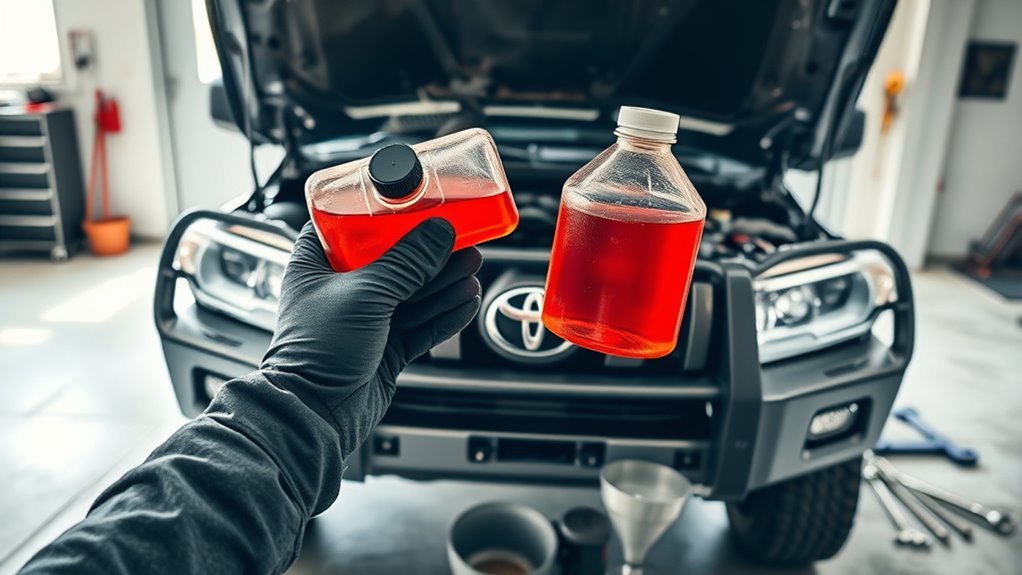
The 2020 Land Cruiser coolant change interval is much longer than the 30,000-mile schedule often quoted online. For a U.S.-spec 2020 Toyota Land Cruiser, Toyota schedules the first engine-coolant replacement at 100,000 miles or 120 months, whichever comes first. After that first service, the interval becomes 50,000 miles or 60 months.
Quick Answer
For a U.S.-spec 2020 Toyota Land Cruiser, Toyota schedules the first engine-coolant replacement at 100,000 miles or 120 months, whichever comes first. After that, replace it every 50,000 miles or 60 months. Use Toyota Super Long Life Coolant or an equivalent that meets Toyota’s specified coolant chemistry.
Last checked: October 5, 2026. Dates and figures were verified against official sources.
Key Takeaways
- Toyota’s first scheduled coolant replacement is at 100,000 miles or 120 months, not every 30,000 miles.
- After the first replacement, the scheduled interval is every 50,000 miles or 60 months.
- The U.S.-spec 2020 Land Cruiser cooling-system capacity is 17.1 quarts (16.2 liters).
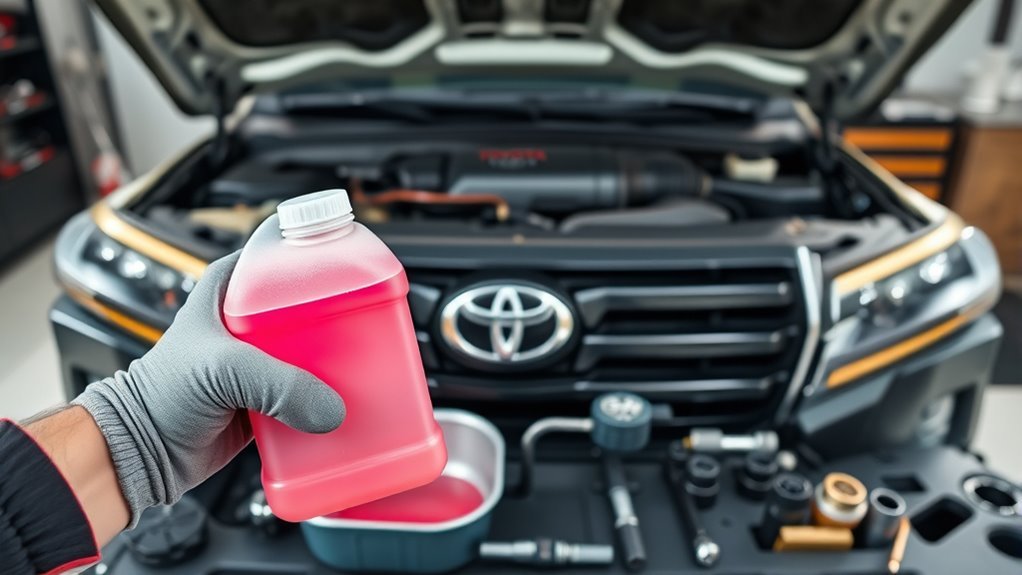
- Toyota Super Long Life Coolant is already mixed 50/50 with deionized water, so do not dilute the premixed product again.
Manufacturer Recommendation vs. Real-World Schedules
Toyota’s official schedule should be your baseline. The 2020 Land Cruiser Warranty & Maintenance Guide specifies the first engine-coolant replacement at 100,000 miles or 120 months, followed by replacement every 50,000 miles or 60 months.
| Service point | Toyota schedule | What it means |
|---|---|---|
| Routine scheduled maintenance | Every 5,000 miles or 6 months | Includes checking and adjusting fluid levels as specified in the maintenance log. |
| First engine-coolant replacement | 100,000 miles or 120 months | Whichever comes first. |
| Later coolant replacements | Every 50,000 miles or 60 months | Applies after the initial coolant replacement. |
Manufacturer Interval vs Practical
The practical schedule is straightforward: follow Toyota’s time-or-mileage interval unless the cooling system develops a problem first. A low reservoir, repeated coolant loss, contamination, overheating, or cooling-system repair can justify service before the scheduled replacement date.
Toyota also calls for regular fluid checks. Its maintenance log includes inspection of coolant level, condition, and freeze protection as part of scheduled maintenance, so a long replacement interval does not mean the coolant should be ignored for ten years.
Adjusting For Real Conditions
Frequent towing, dusty roads, heavy loading, and off-road driving increase maintenance demands on several Land Cruiser systems. However, Toyota’s 2020 U.S. maintenance schedule does not specify a separate 20,000-mile engine-coolant replacement interval simply because you tow or drive on dusty roads.
Instead, pay closer attention to the coolant level, radiator, hoses, connections, and engine temperature when the vehicle works hard. If coolant condition changes or the level keeps falling, diagnose the problem rather than automatically shortening the coolant interval.
| Condition | Recommended Action |
|---|---|
| Towing/Heavy Loads | Follow Toyota’s coolant interval; inspect level and cooling-system condition regularly |
| Harsh Climate | Check coolant condition and freeze protection during scheduled maintenance |
Signs Your Land Cruiser Needs Immediate Cooling-System Attention
A high temperature reading, visible coolant loss, repeated low reservoir level, or contaminated coolant deserves attention before the scheduled replacement date. These symptoms do not automatically mean that a coolant change alone will solve the problem; a leak, thermostat, radiator, water pump, cap, or other cooling-system fault may need diagnosis.
Overheating Or High Temperature
If the temperature gauge moves into the hot range, reduce the risk of engine damage by stopping safely and investigating the cause. Toyota’s owner information warns that an engine in the red temperature zone may be overheating.
After the engine has cooled, check the reservoir level and look for obvious leakage. Steam, rapidly disappearing coolant, or repeated overheating calls for diagnosis rather than simply adding more coolant.
A heater that suddenly blows cool air while the engine is overheating can also occur when coolant circulation or coolant level is inadequate. Treat it as a clue, not proof of a specific failure.
Warning: Never remove the radiator cap while the engine and radiator are hot. The cooling system can remain pressurized and release hot coolant or steam, causing serious burns. Keep drained ethylene-glycol coolant away from children and animals and collect spills immediately.
Discolored Or Contaminated Coolant
Coolant that looks rusty, muddy, oily, or filled with sediment needs investigation. Rust or debris can indicate corrosion or contamination, while an oily or milky appearance can point to fluid mixing that requires diagnosis.
Do not diagnose a head-gasket failure from appearance alone. Oil and coolant contamination can have more than one cause, so pressure testing, cooling-system inspection, or further engine testing may be needed before replacing parts.
How to Check Coolant Level, Condition, and Freeze Protection
Check the reservoir with the engine cold and the vehicle on level ground. The 2020 Land Cruiser Owner’s Manual says the coolant level is satisfactory when it sits between the reservoir’s F and L marks.
If the level is at or below L, add the correct coolant up to F. If the level drops again soon after topping up, Toyota says to inspect the radiator, hoses, engine-coolant reservoir cap, radiator cap, drain cock, and water pump. A shop can pressure-test the system if no leak is visible.
Also look at the coolant’s general condition. Sediment, rust, sludge, oil contamination, or an unexplained change in appearance deserves investigation. Coolant color by itself is not a reliable compatibility test, so match the product specification rather than choosing coolant only by color.
Toyota’s maintenance guide specifically refers to inspecting coolant level, condition, and freezing point. It does not specify a simple DIY pH cutoff such as “below 7 means replace it,” so a generic pH strip should not override the Toyota maintenance schedule or a proper coolant-condition test.
Choosing the Right Coolant and System Capacity for a 2020 Land Cruiser
The U.S.-spec 2020 Land Cruiser uses Toyota Super Long Life Coolant or a similar high-quality ethylene-glycol coolant meeting Toyota’s stated chemistry. The owner’s manual lists a total cooling-system capacity of 17.1 quarts (16.2 liters).
That capacity is the complete system specification. A routine drain may recover less than 17.1 quarts because coolant can remain in passages, hoses, the heater circuit, and other parts of the system.
[Products Worth Considering]

This coolant bypass valve is a direct replacement for select Toyota models, helping regulate coolant flow for stable engine temperature and dependable performance. Built from high-temperature, corrosion-resistant materials, it is designed to handle demanding driving conditions while supporting long-term durability. Its straightforward design also makes installation quick and hassle-free.

This engine water pump kit is designed to help maintain reliable cooling performance across a wide range of compatible Toyota, Lexus, Scion, and Pontiac vehicles. Built with aluminum and tested for leak-free operation, it offers a direct replacement solution that supports engine efficiency and long-term service life. The kit includes a professional water pump and gasket for a convenient installation-ready repair.

The Funnel King 32950 Oil Drain Pan is a compact fluid catch basin designed for clean, easy draining during routine maintenance. Its open shape and pour edge help transfer used oil, coolant, and other shop fluids with less mess, while the lightweight polypropylene construction stands up to common automotive chemicals. Sized to fit under many cars and small engines, it is a practical choice for garages, workshops, and DIY oil changes.
Correct Coolant Type
Toyota specifies Super Long Life Coolant or a similar high-quality ethylene glycol-based, non-silicate, non-amine, non-nitrite, non-borate coolant with long-life hybrid organic acid technology. Toyota’s maintenance material describes this chemistry as using low phosphates with organic acids.
The genuine product is available as Toyota Super Long Life Coolant. The owner’s manual states that Toyota SLLC for this vehicle is premixed with 50% coolant and 50% deionized water.
| Feature | What Toyota Specifies |
|---|---|
| Coolant base | Ethylene glycol |
| Chemistry | Non-silicate, non-amine, non-nitrite, non-borate long-life hybrid organic acid technology |
| Toyota SLLC mixture | 50% coolant / 50% deionized water |
System Capacity Specs
The specified cooling-system capacity is 17.1 US quarts (16.2 liters, 14.3 Imperial quarts). That corrects the smaller and conflicting capacity figures often repeated in generic coolant guides.
Capacity matters most during a complete service because it helps you recognize a major underfill. However, never force the full rated capacity into the system if it has not completely drained. Fill and bleed according to the correct repair procedure and final level checks.
Mixing And Dilution
If you use genuine Toyota Super Long Life Coolant specified for the 2020 Land Cruiser, it is already a 50/50 premix. Do not take premixed Toyota SLLC and add another equal amount of water, because that would dilute the coolant below its intended concentration.
If you use another coolant, make sure the label clearly meets Toyota’s required chemistry and follow that product’s mixing directions. Toyota specifically warns that coolant is neither plain water nor straight antifreeze and that the correct coolant/water mixture is necessary for cooling, lubrication, and corrosion protection.
| Item | Value | Note |
|---|---|---|
| Toyota SLLC mixture | 50/50 | Already premixed with deionized water |
| Cooling-system capacity | 17.1 qt / 16.2 L | Total system specification |
| First replacement | 100,000 mi / 120 months | Whichever comes first |
| Later replacements | 50,000 mi / 60 months | After the initial replacement |
Step-by-Step Coolant Drain and Refill (DIY Overview)
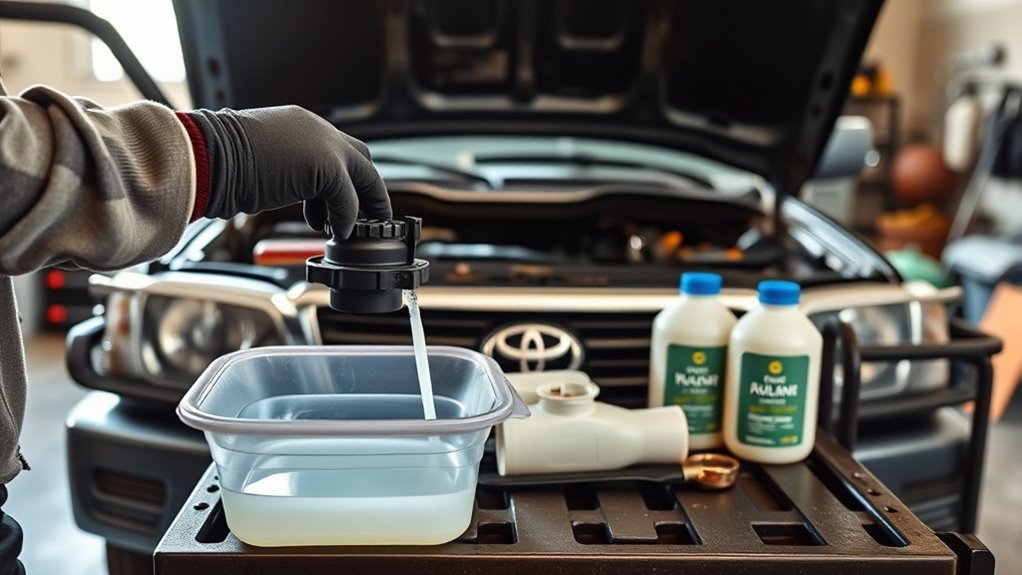
Toyota describes scheduled coolant service as draining the cooling system, refilling it with the correct ethylene-glycol coolant, and inspecting hoses and connections for corrosion or leaks. Toyota also states that a qualified technician should perform these operations, so this section is an overview rather than a substitute for the model-specific repair procedure.
Note: A complete Land Cruiser coolant service involves more than topping up the reservoir. If you do not have the correct repair information, safe lifting equipment where required, or experience bleeding a cooling system, professional service is the safer choice.
- Let the engine cool completely. Park on level ground and do not open the radiator cap while the cooling system is hot or pressurized.
- Prepare a suitable drain container. Wear gloves and eye protection, and keep coolant away from children, pets, soil, and drains.
- Confirm the correct drain procedure. Use Toyota repair information for the exact drain locations, access steps, sealing requirements, and any fastener torque specifications.
- Drain the old coolant. Capture the fluid cleanly so you can dispose of it properly and inspect it for unusual debris, oil, or heavy contamination.
- Inspect the system. Check accessible hoses and connections for leaks, deterioration, corrosion, staining, or damage before refilling.
- Close the drains correctly. Follow the repair procedure rather than guessing at drain-plug torque or seal requirements.
- Refill with the specified coolant. Add Toyota SLLC or an equivalent that meets the Toyota specification. Remember that genuine SLLC is already premixed.
- Bleed trapped air. Follow the Land Cruiser repair procedure so air pockets do not remain in the cooling system.
- Check for leaks. Bring the system to operating condition as directed by the repair procedure and inspect the serviced areas.
- Recheck the level when cold. After the vehicle has fully cooled, verify that the reservoir remains between the F and L marks.
Do not automatically add a chemical flush cleaner to every scheduled coolant service. Toyota’s maintenance guide describes a drain and refill; extra cleaning should be based on actual contamination and an appropriate service procedure.
Used antifreeze should not be poured onto the ground, into a storm drain, or into household plumbing. The U.S. Environmental Protection Agency’s household hazardous-waste guidance recommends using appropriate community collection or recycling options for products such as antifreeze.
When to Hire a Pro vs. Do It Yourself
A simple cold-engine reservoir check is owner-friendly, but a full drain and refill is more involved. Toyota’s own maintenance guide says a qualified technician should perform the coolant draining, refilling, hose inspection, and related corrective work.
- Choose professional service if the vehicle is overheating, repeatedly losing coolant, showing oil contamination, or has an unidentified leak.
- Consider DIY service only if you have the correct repair information, appropriate tools, a safe way to capture the coolant, and experience refilling and bleeding cooling systems.
- Get professional diagnosis if a coolant change does not correct the symptom. Overheating can come from faults that fresh coolant cannot fix.
The goal is not simply to replace fluid. The system must be filled correctly, free of trapped air, leak-free, and able to maintain normal operating temperature.
Top Causes of Coolant Breakdown and How to Prevent Them
Coolant protection declines with time and use, which is why Toyota specifies both mileage and month limits. Contamination, incompatible fluid, leaks, overheating, and repeated topping-off with the wrong mixture can also affect cooling-system protection before the normal replacement date.
- Age and mileage: Follow the 100,000-mile/120-month first interval and 50,000-mile/60-month interval thereafter.
- Leaks: Repeatedly adding coolant without repairing the leak can mask a cooling-system problem.
- Wrong coolant: Match Toyota’s required chemistry instead of choosing by bottle color alone.
- Contamination: Rust, sediment, sludge, or oil requires investigation rather than another routine top-off.
- Overheating: Excessive temperature can stress coolant and cooling-system components, so find the underlying cause.
Routine inspection is more useful than adding unapproved coolant additives. If the coolant is questionable, test its condition and freeze protection or have a qualified shop evaluate it.
Costs, Parts, and Tools You’ll Need
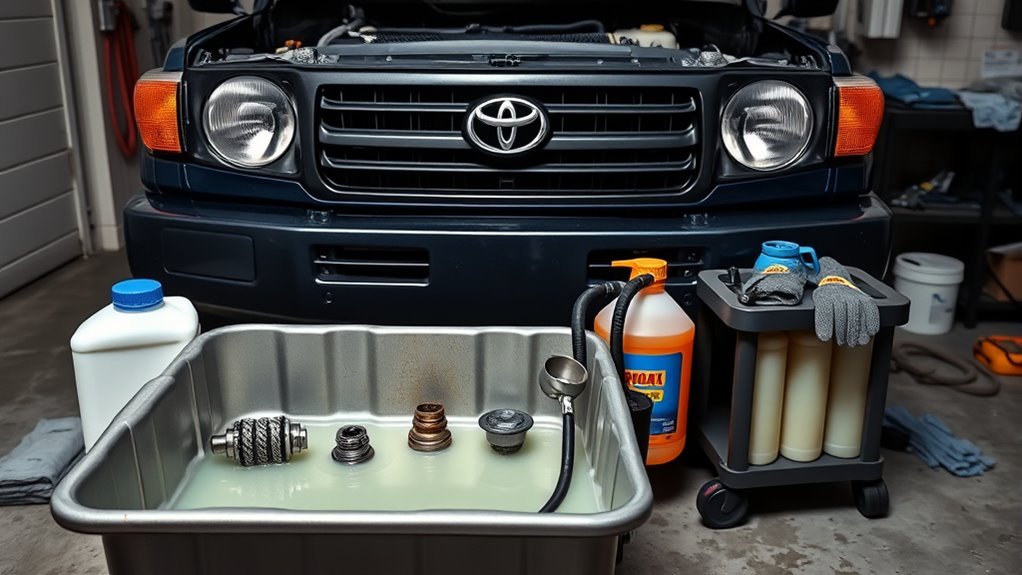
Coolant-service cost depends heavily on your ZIP code, labor rate, and whether the job is a straightforward drain-and-refill or includes diagnosis and additional cooling-system work. When checked on October 5, 2026, Kelley Blue Book’s 2020 Land Cruiser coolant-service estimator showed roughly the mid-$200s to low-$300s in example U.S. locations.
A DIY job avoids most labor cost, but you still need enough correct premixed coolant for the amount drained and suitable equipment to collect and dispose of the old fluid.
- Toyota Super Long Life Coolant or a verified equivalent meeting Toyota’s specification
- Large coolant drain container and suitable funnel
- Protective gloves and eye protection
- Basic hand tools required by the repair procedure
- Torque wrench only where the model-specific repair procedure specifies a torqued fastener
Do not use a wrench to “torque” the radiator cap. Install caps, drain hardware, shields, and other parts according to their actual service procedure.
[Products Worth Considering]

This all-in-one radiator pressure tester and vacuum refill kit helps diagnose cooling system leaks, measure temperature, and refill coolant efficiently. It includes a wide range of adapters for broad vehicle compatibility, plus a pressure tester, vacuum refiller, thermometer, and storage case for organized use. Designed for DIY mechanics and professionals, it simplifies coolant service while reducing guesswork and unnecessary repairs.

These custom floor mats are designed to fit the Toyota Land Cruiser GX550 with a 5-seat layout for a precise, secure install. Made from durable TPE, they help shield your interior from spills, mud, snow, dirt, sand, pet hair, and everyday debris while making cleanup quick and easy.

Custom-fit floor mats and cargo liner designed to provide edge-to-edge protection for the Toyota Land Cruiser Prado. Made from durable TPE material, they offer all-weather defense against rain, slush, snow, mud, and everyday dirt while remaining easy to install, clean, and maintain. The odorless, non-slip design helps keep your interior safer, cleaner, and more comfortable in every season.
Maintenance Record Tips to Protect Your Engine
Record the date, mileage, coolant used, work performed, and any leaks or parts replaced. Good records make it easy to calculate the next coolant service and help a technician see whether coolant loss or overheating is becoming a pattern.
For the factory-fill coolant, record the first replacement at 100,000 miles or 120 months. From that service forward, schedule the next replacement for 50,000 miles or 60 months later, whichever comes first.
Also note any unscheduled top-offs. A small record showing that the reservoir required coolant several times can be more useful diagnostically than simply continuing to refill it.
Frequently Asked Questions
What Is the Maintenance Schedule for a 2020 Toyota Land Cruiser Coolant Change?
Toyota schedules the first engine-coolant replacement at 100,000 miles or 120 months, whichever comes first. After that first replacement, change the coolant every 50,000 miles or 60 months. Coolant level and condition should still be checked during routine maintenance between replacements.
How Much Coolant Does a 2020 Toyota Land Cruiser Take?
The U.S.-spec 2020 Toyota Land Cruiser has a listed cooling-system capacity of 17.1 US quarts, or 16.2 liters. A normal drain may remove less than the full rated capacity because some coolant can remain in the engine, heater circuit, hoses, and other passages.
What Happens if You Don’t Change Coolant?
Coolant eventually loses the condition Toyota designed the maintenance interval around. Continuing far beyond the specified service interval can reduce corrosion and temperature protection, while contaminated or low coolant can contribute to overheating and cooling-system damage. Replace it on schedule and investigate abnormal coolant loss promptly.
Does Toyota Coolant Go Bad?
Yes. Toyota Super Long Life Coolant is long-life coolant, not lifetime coolant. Toyota therefore specifies an initial replacement at 100,000 miles or 120 months and subsequent replacements every 50,000 miles or 60 months, along with inspections of coolant level, condition, and freeze protection.
Conclusion
For a U.S.-spec 2020 Toyota Land Cruiser, remember two numbers: 100,000 miles/120 months for the first coolant replacement, then 50,000 miles/60 months thereafter. Use the correct Toyota-spec coolant, monitor the cold reservoir level between services, and investigate leaks, contamination, or overheating instead of relying on unnecessary early flushes.
Sources
- Toyota 2020 Land Cruiser Warranty & Maintenance Guide: coolant replacement intervals, scheduled maintenance, coolant inspection guidance, and technician recommendation.
- Toyota 2020 Land Cruiser Owner’s Manual: 17.1-quart cooling-system capacity, coolant specification, 50/50 premix, reservoir checks, and hot-radiator-cap warning.
- Toyota Genuine Super Long Life Coolant: Toyota’s genuine replacement coolant product information.
- U.S. Environmental Protection Agency: household hazardous-waste and antifreeze disposal guidance.
- Kelley Blue Book 2020 Land Cruiser Coolant Service Estimate: current location-dependent U.S. service-cost examples.