The Toyota Land Cruiser rear seats give you several ways to expand cargo space without permanently modifying the vehicle. On the current U.S.-spec Land Cruiser 250, the second row uses a 60/40 split design, so you can fold one side or both depending on how much passenger and cargo room you need. Removing the second row can create more room for a dedicated camping or storage platform, but it requires much more care than simply folding the seats.
Quick Answer
For a 2024–2026 U.S.-spec Toyota Land Cruiser 250, start by using the factory 60/40 folding rear seat for a safe, reversible cargo-space gain. Remove the second row only for a dedicated platform build with model-specific instructions, because hybrid components, wiring, seat belts, and restraint hardware must not be disturbed or blocked.
Last checked: October 5, 2026. Dates and figures were verified against official sources.
Key Takeaways
- Use the factory folding function first; it keeps the second row available for passengers and requires no permanent modification.
- Do not assume that seat-removal instructions from an older Land Cruiser apply to the current LC250.
- The current Land Cruiser is a high-voltage hybrid, so never disturb orange cables, service-plug areas, or battery cooling vents.
- Secure cargo with proper cargo restraints; child-restraint anchors are intended for child-restraint systems, not improvised cargo tie-downs.
Understanding the Versatility of Rear Seats in Your Toyota Land Cruiser
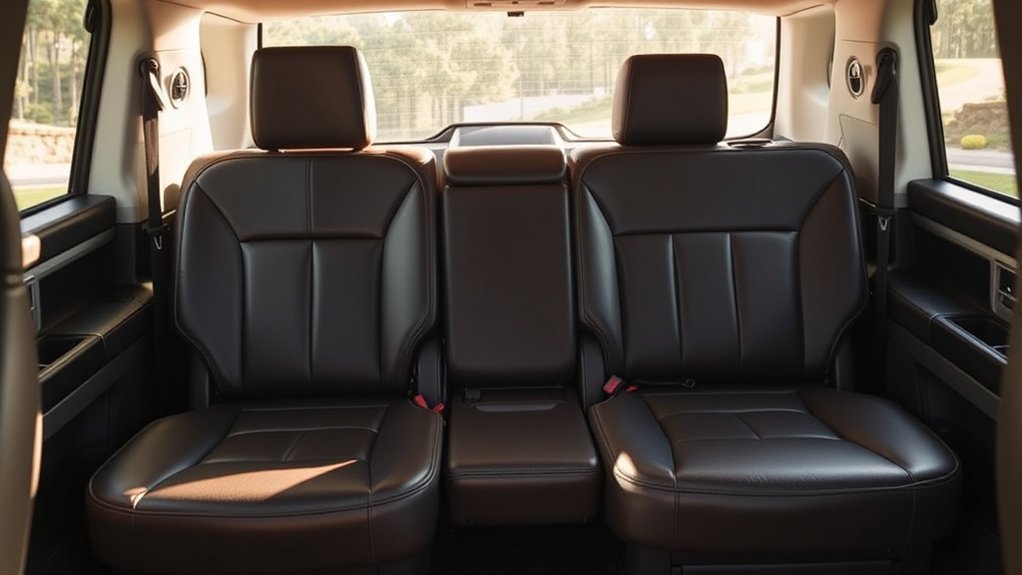
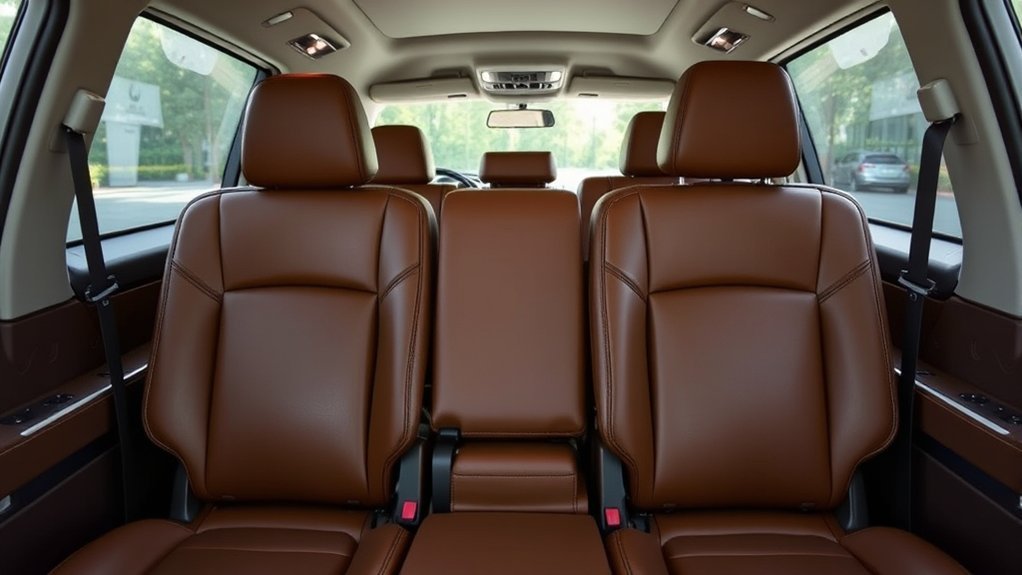
The easiest way to gain cargo room is to use the Land Cruiser’s factory folding rear seats. Toyota’s 2026 Land Cruiser brochure confirms a 60/40 split rear bench that lets you fold either side or both.
This setup gives you useful flexibility. You can keep part of the second row available for a passenger while carrying longer gear, or fold both sections when you need the largest factory cargo area.
Do not assume every Land Cruiser uses the same arrangement. Older 200-series models and Land Cruisers sold in other markets can have different second- and third-row layouts, so use instructions for your exact model year and market.
The Benefits of Increased Storage From Seat Removal
Removing the second row can make sense if your Land Cruiser is being converted into a dedicated camping, work, or overlanding vehicle. It can free space that would otherwise be occupied by the seat cushions, frames, and mounting hardware.
A seat delete may also give you more freedom to build a level storage or sleeping platform. That can be useful for drawers, camping equipment, pet space, recovery gear, or other equipment that stays in the vehicle regularly.
There are tradeoffs. You lose passenger seating, and reinstalling a safety-critical seat is more serious than reinstalling ordinary trim. Removing seats should therefore be treated as a vehicle modification rather than a routine cargo-setting adjustment.
How to Safely Remove Rear Seats for Maximum Cargo Space
There is no single rear-seat-removal procedure that safely applies to every Toyota Land Cruiser. Hardware, wiring, restraints, and hybrid components vary by generation, model year, and market, so use model-specific service information or the instructions supplied with a proven seat-delete system.
Warning: The 2026 Land Cruiser uses a high-voltage hybrid system. Toyota states that the system can reach about 288 V and warns owners never to touch, disassemble, remove, or replace high-voltage parts, cables, or connectors.
Tools Needed For Removal
You need no tools to use the normal folding function. Seat removal is different, and there is no reliable universal socket size, bolt count, or tool list for every Land Cruiser.
Use the tool list specified by Toyota service information or by the manufacturer of your seat-delete kit. A trim tool, appropriate hand tools, protective coverings, and a second person for lifting may be useful, but do not start disassembly based on a generic Land Cruiser tutorial.
Steps For Safe Removal
The safest process starts with identifying exactly what is under and around the second-row assembly. Do not disconnect wiring or remove covers simply because another Land Cruiser owner did so on a different generation.
- Confirm your exact vehicle. Identify the model year, market, trim, and seating configuration before ordering parts or following instructions.
- Read the correct procedure. Use Toyota service information or instructions supplied with the seat-delete system you are installing.
- Shut the vehicle down. Park securely, select Park, apply the parking brake, switch the vehicle off, and keep the key away from the vehicle while working.
- Identify wiring and hybrid-system areas. Never touch orange high-voltage cables, the service plug, or other high-voltage components.
- Remove only the specified hardware. Do not assume the seat uses the same bolt pattern as an older Land Cruiser.
- Lift the assembly carefully. Seats and frames can be awkward even when their exact weight is unknown, so get help rather than twisting or lifting alone.
- Protect exposed components. Do not leave electrical connectors, seat-belt hardware, threaded mounting points, or interior wiring where cargo can damage them.
- Check the vehicle afterward. If a warning light or message appears, stop relying on the modification until the cause is diagnosed correctly.
Toyota’s hybrid-system precautions also warn against blocking the hybrid-battery cooling air intakes with luggage or covers. Keep those vents clear when designing any storage system.
Benefits Of Increased Space
A properly designed seat delete gives you more usable floor area and more freedom to organize the interior. The main benefit is packaging, not a guaranteed improvement in fuel economy or vehicle performance.
- More continuous cargo space: useful for camping equipment, long gear, or organized storage.
- Better platform options: a purpose-built base can bridge uneven areas and create a more practical sleeping surface.
- More permanent organization: drawers, boxes, or tie-down systems can be arranged around the way you actually use the vehicle.
How to Build a Custom Flat Platform for Your Land Cruiser: Tips and Examples
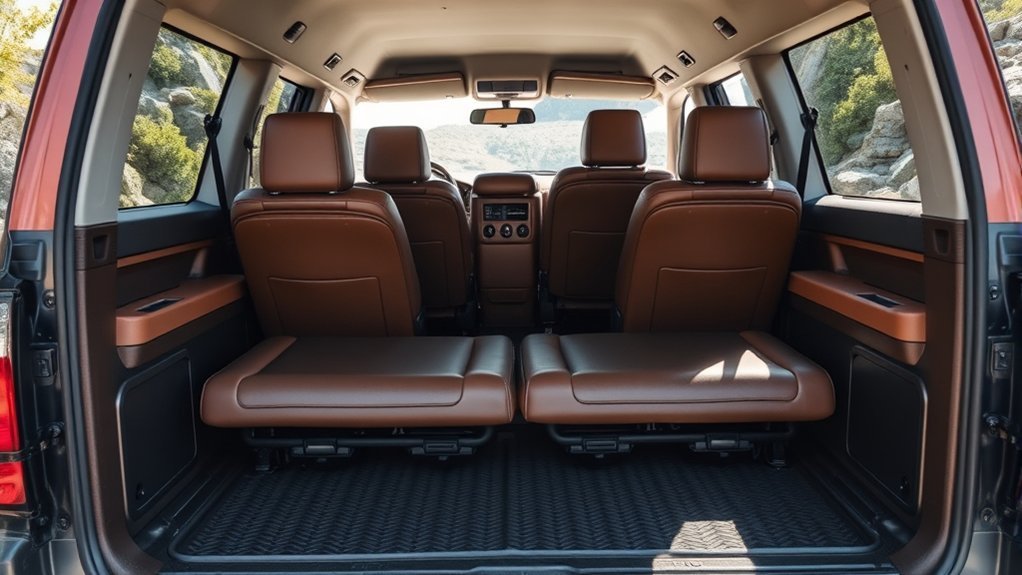
A good Land Cruiser cargo platform should sit securely, spread loads across suitable mounting points, and leave safety-related components accessible. Measure your own vehicle rather than copying platform dimensions from another Land Cruiser generation.
Start with a cardboard template before cutting plywood or composite panels. Check hatch clearance, rear-door access, seat-belt hardware, factory mounting points, and anything that must remain serviceable underneath the platform.
Keep the structure as low as practical. Extra platform height can provide storage underneath, but it also reduces headroom for sleeping and raises the center of mass of whatever you load on top.
Pro Tip: Build a removable cardboard mock-up first. Test rear-hatch clearance, front-seat positions, sleeping length, access panels, and cargo loading before spending money on finished materials.
What Mats Work Best for Your Cargo Area?
The best cargo mat depends on whether you carry muddy gear, pets, tools, or camping equipment. A removable mat is usually easier to clean and replace than permanent carpeting.
- Heavy-duty rubber: useful for wet, dirty, or abrasive cargo and easy to wash.
- Interlocking foam: useful when you want cushioning or a temporary sleeping-area surface.
- Custom-cut liner: useful when you want coverage around a platform, drawers, or irregular interior trim.
Whatever material you use, do not cover hybrid-battery cooling vents or service access areas. Also make sure the mat cannot slide forward under braking.
[Products Worth Considering]

These custom floor mats are designed to fit the Toyota Land Cruiser GX550 with a 5-seat layout for a precise, secure install. Made from durable TPE, they help shield your interior from spills, mud, snow, dirt, sand, pet hair, and everyday debris while making cleanup quick and easy.

Custom-fit floor mats and cargo liner designed to provide edge-to-edge protection for the Toyota Land Cruiser Prado. Made from durable TPE material, they offer all-weather defense against rain, slush, snow, mud, and everyday dirt while remaining easy to install, clean, and maintain. The odorless, non-slip design helps keep your interior safer, cleaner, and more comfortable in every season.

This full set seat cover package delivers a custom-fit upgrade for compatible Toyota models, helping refresh worn interiors with a clean, premium look. Thickened foam and heavy-duty faux leather provide supportive comfort, stain resistance, and improved durability, while the quick-install design helps keep the covers secure during daily driving. Front seat protection includes air bag compatible construction, and the rear bench design uses dual zippers for flexible fit across split seat configurations.
Securing Gear and Pets in Your Land Cruiser
Extra cargo room is only useful if everything remains controlled during braking and cornering. Heavy equipment, loose storage boxes, and unrestrained pets can move with considerable force in a sudden stop.
[Products Worth Considering]

These curved headrest hooks add convenient rear-seat storage for bags, coats, and groceries, helping keep your car interior neat and organized. Designed to fit matching headrest posts, they install quickly without removing the headrest and provide reliable support for everyday items in cars, SUVs, trucks, and more.
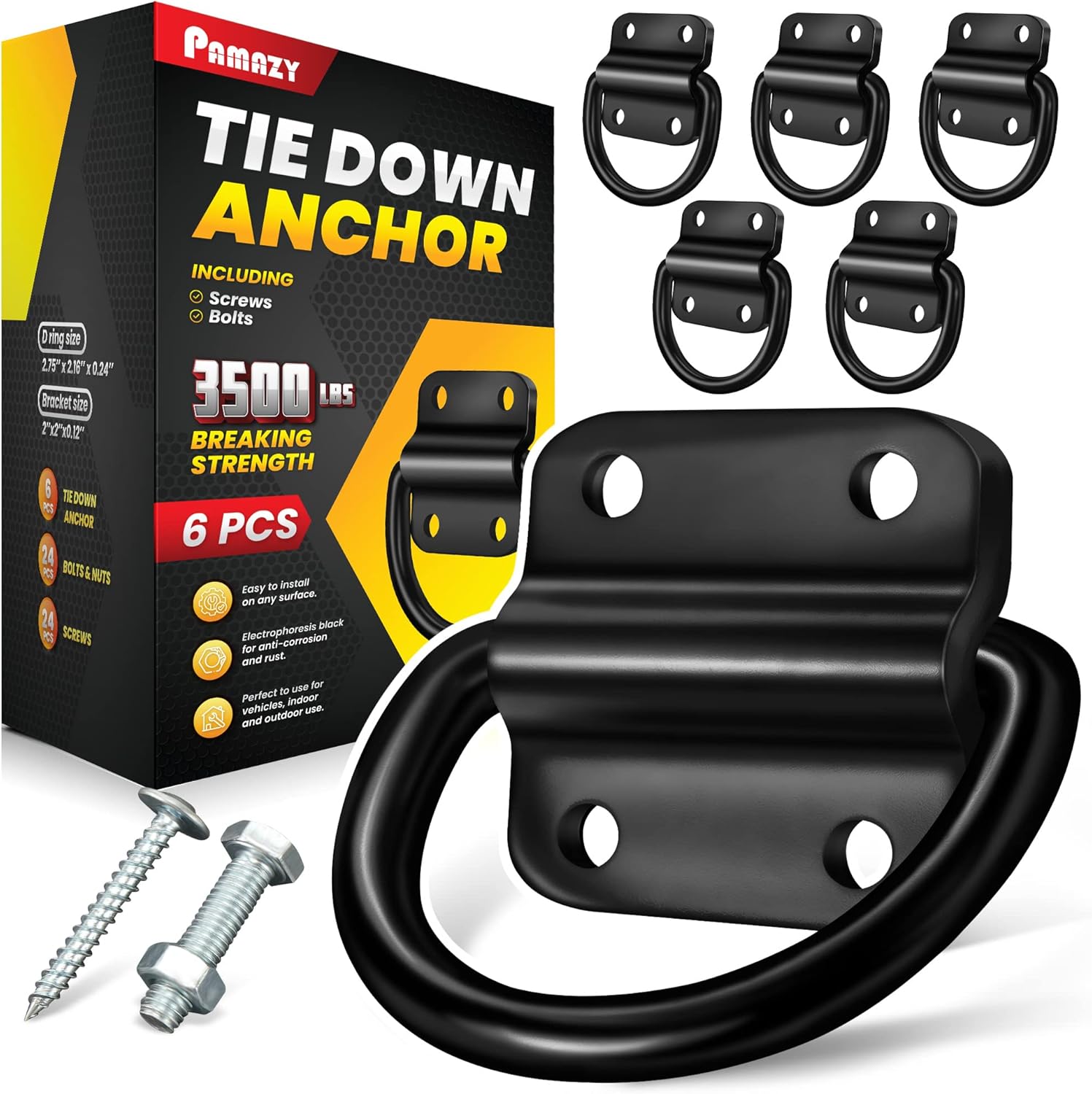
These heavy-duty D-ring tie-down anchors help secure cargo during transport on trucks, trailers, SUVs, vans, campers, boats, and more. Built from durable steel with a corrosion-resistant black finish, they are designed for reliable holding power and reduced vibration when fastening goods. The wide 4-hole mounting base supports stable installation on wood, metal, concrete, and other surfaces for versatile use in garages, workshops, and vehicles.

This custom cargo mat and seat-back liner is designed specifically for the 2026 Toyota RAV4 Hybrid, helping protect the trunk and rear seat area from dirt, scratches, spills, and everyday wear. The full-coverage design shields felt surfaces while the non-slip TPE construction helps keep cargo in place, and the easy-clean surface makes maintenance simple after outdoor trips, pet transport, or messy hauls. Double fixation with hook-and-loop fasteners and elastic ropes helps keep the liner securely positioned.
Safe Pet Restraint Options
Use a vehicle-travel harness, secured crate, or other restraint according to its manufacturer’s instructions. Do not improvise by treating every exposed anchor as a pet tie-down point.
Toyota’s child-restraint guidance identifies the LATCH and top-tether anchors as child-restraint hardware. Keep those anchors available for their intended purpose rather than using them as general cargo hooks.
Cargo Securing Techniques
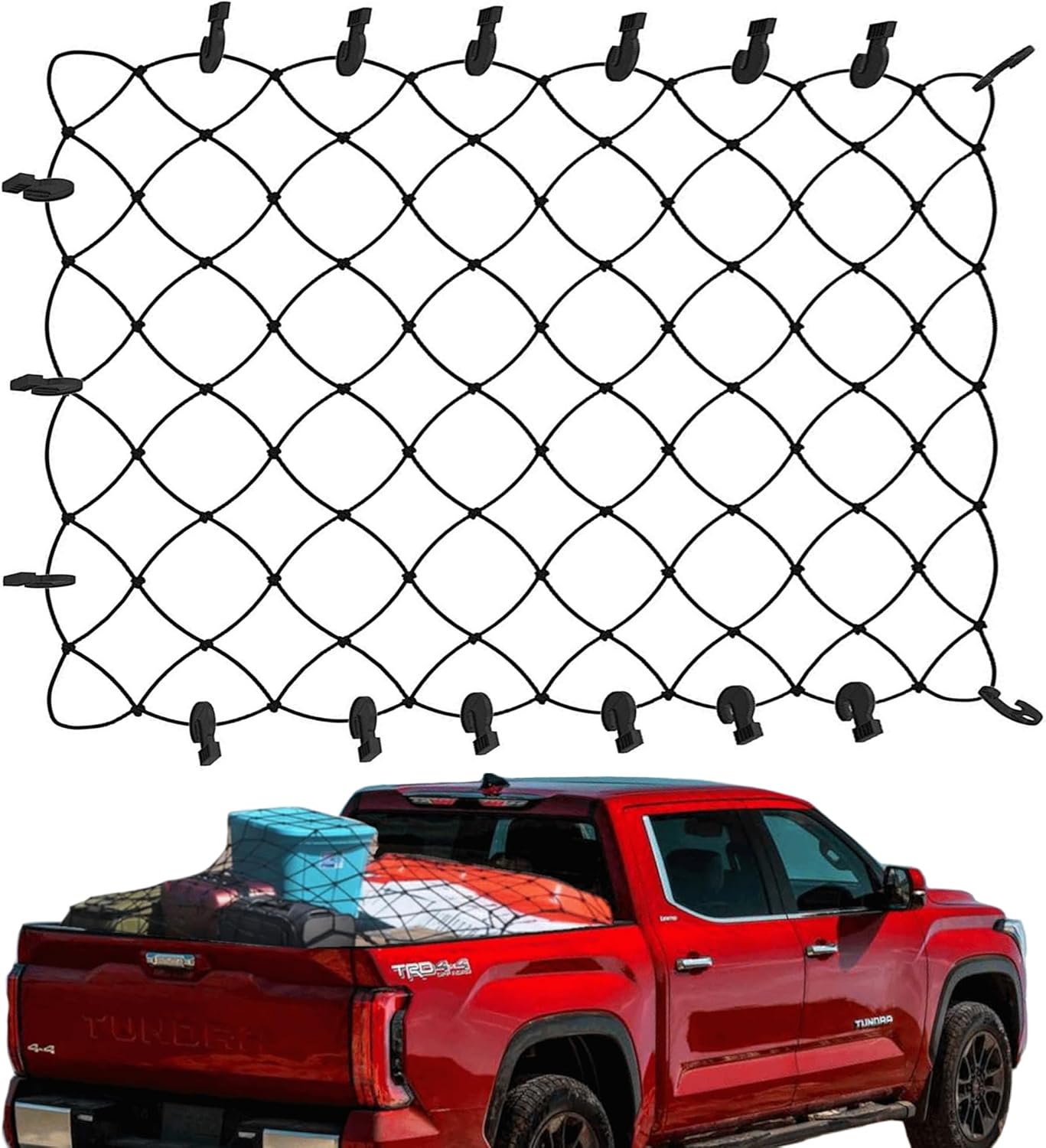
Secure heavy cargo low and prevent it from sliding forward, sideways, or upward. Use the cargo securing points identified for your exact vehicle and restraints that are appropriate for the load.
Place the heaviest items as low as practical. Avoid loose tools, recovery gear, water containers, or storage boxes that could strike occupants during an emergency stop.
After loading, push and pull on each secured item before driving. If it can shift significantly by hand, improve the restraint before getting on the road.
Recommended Gear Storage Solutions
The most useful storage system is one that keeps frequently used gear accessible while preventing heavy objects from moving. Choose the simplest arrangement that fits your normal trips.
- Removable bins: good for occasional trips because you can take the entire container out.
- Low-profile platform storage: useful for camping gear that stays in the vehicle.
- Mounted drawer systems: useful for frequent overlanding or work use when properly attached to suitable mounting points.
Community Experiences With Cargo Modifications
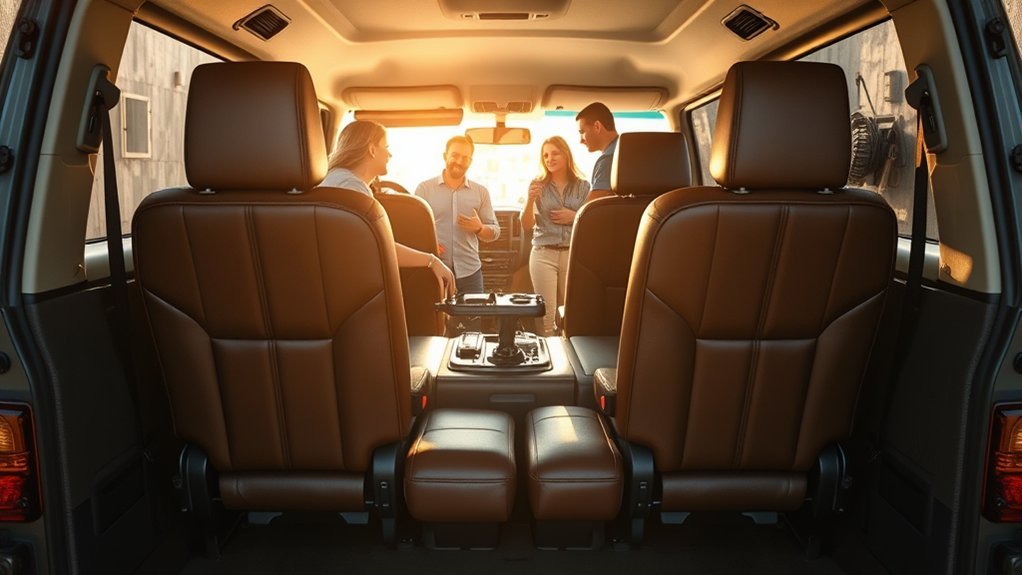
Land Cruiser owners have developed many sleeping platforms, drawer systems, removable floors, and partial seat-delete layouts. These builds are useful for layout ideas, but they should not be treated as substitutes for model-specific safety or service information.
The most practical designs usually solve one clear problem: creating a level sleeping area, organizing recovery gear, carrying a large dog, or keeping work equipment secure. Decide which job matters most before adding permanent weight and complexity.
Also pay attention to reversibility. A platform that uses existing mounting locations without drilling or cutting is easier to remove if you later need the passenger seats again.
Recommended Products for Enhancing Your Land Cruiser’s Cargo Space
Start with products that solve a specific cargo problem rather than filling the interior with accessories. Mats protect surfaces, containers organize loose gear, and a seat-delete platform is mainly useful for owners who need a dedicated camping or storage layout.
For the 2024-present LC250, the currently available Goose Gear second-row seat-delete plate system is offered for 40% or 60% seat removal. Goose Gear states that it requires its Rear Plate System, needs no cutting or drilling, and can form a sleeping platform up to 84 inches long with the optional pillow extension.
That type of system is more appropriate for a dedicated build than an improvised sheet of plywood resting on interior trim. Before buying any platform, confirm compatibility with your exact model year, trim, and planned seat configuration.
[Products Worth Considering]

Custom-fit floor, trunk, and backrest mats are designed for 2007-2014 Toyota FJ Cruiser models using precise 3D laser scanning for full interior coverage. Made from odorless TPE, these all-weather mats help protect against mud, rain, snow, stains, and scratches while staying securely in place for everyday use. They are easy to clean, simple to install, and built for reliable protection in every season.

The MaxxHaul 70115 roof rack cargo basket adds valuable storage space for road trips, camping, moving, and everyday hauling. Built from powder-coated steel with a raised rail design and mesh base, it helps keep luggage, gear, and bulky items secure while reducing wind resistance. It installs easily on most factory or aftermarket crossbars with included mounting hardware for a dependable rooftop cargo solution.

These bolt-on V-ring tie down anchors provide secure cargo attachment points for trucks, trailers, SUVs, vans, and enclosed haulers. Built from high-strength steel with a black anti-corrosion coating, they offer reliable strength for strapping down motorcycles, ATVs, kayaks, tools, and other cargo. The design fits many surfaces and is especially useful for truck bed rail systems and Tacoma bed rails with minor hole adjustment.
Frequently Asked Questions
Do Toyota Land Cruiser rear seats fold completely flat?
The current Land Cruiser’s 60/40 rear seat folds down to expand cargo space, but you should not assume the resulting floor will be perfectly level for sleeping or a platform. Check the floor in your exact model before cutting materials or ordering a storage system.
Can I remove Land Cruiser rear seats without causing warning lights?
Do not assume seat removal will be warning-free on every Land Cruiser. Wiring, restraint equipment, and seat hardware vary by generation and trim, so use model-specific instructions and investigate any warning message that appears after the modification.
Can I use the LATCH anchors to secure cargo or pets?
Use the LATCH and top-tether anchors for child-restraint systems as Toyota specifies, not as improvised general cargo tie-downs. Secure cargo with the vehicle’s intended cargo points, and restrain pets with equipment designed for vehicle travel.
Conclusion
For most owners, folding the Toyota Land Cruiser rear seats is the safest and simplest way to gain cargo room. A second-row seat delete can make sense for a dedicated camping or storage build, but use model-specific instructions, protect the hybrid system, keep cooling vents clear, and secure every load before driving.
Sources
- Toyota 2026 Land Cruiser brochure: Confirms the 60/40 split rear-seat configuration and factory folding functionality.
- Toyota 2026 Land Cruiser Owner’s Manual — Hybrid System Precautions: Supports high-voltage warnings and hybrid-battery cooling-vent precautions.
- Toyota 2026 Land Cruiser Owner’s Manual — Child Restraint Systems: Supports the intended use of LATCH and top-tether anchors.
- Goose Gear LC250 Second-Row Seat Delete Plate System: Supports current LC250 compatibility, 40% and 60% options, Rear Plate System requirement, no-cut/no-drill installation, and platform-length information.