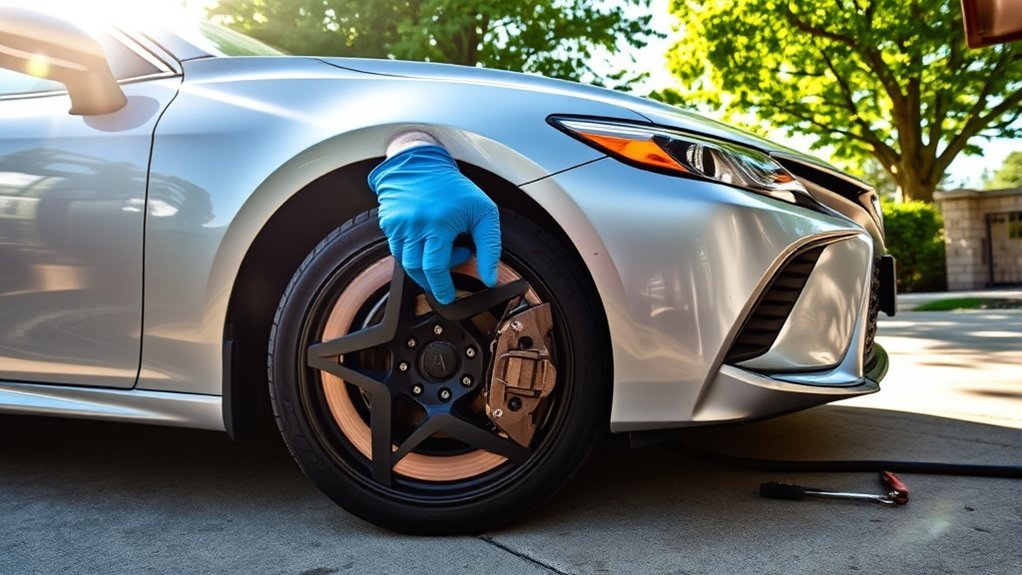
If you’re feeling vibrations when braking your Camry at low speeds, it likely points to issues like warped rotors or uneven brake pad wear. Start by checking for noise, uneven wear, and rotor thickness. Ensuring your lug nuts are properly torqued is essential. Clean any debris from the hub and inspect the calipers. Regular brake checks can prevent future problems. Want to learn effective solutions and maintenance tips? Keep exploring for more insights on addressing these issues.
Identifying Common Brake Vibration Problems in Your Camry
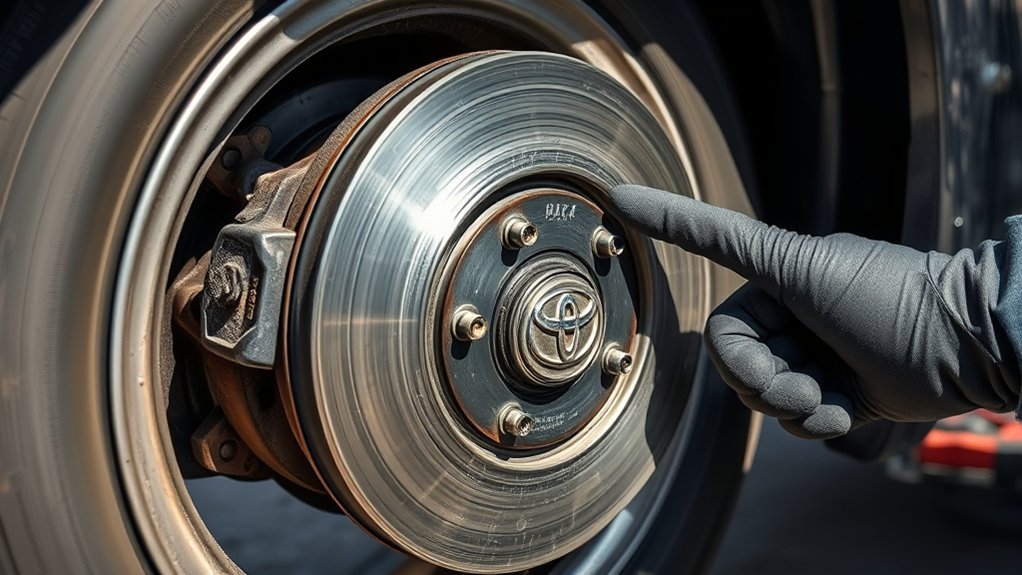
When you notice vibrations while braking in your Toyota Camry, especially at low speeds, it’s vital to identify the underlying issues quickly. Common culprits include warped rotors or uneven brake pad wear. You might feel a strong rumbling in your seat, particularly when stopping from speeds below 30 mph. This brake judder often results from disc thickness variation (DTV) and brake torque variation (BTV), which can greatly impact your braking performance.
To combat these issues, regular rotor maintenance is essential. Inspect the wheel hub for corrosion and make sure that lug nuts are properly torqued to prevent rotor warping. Don’t overlook caliper inspections and consider rotor resurfacing when necessary. By staying proactive with maintenance, you can not only enhance your driving experience but also liberate yourself from the anxiety of brake-related vibrations. Keep your Camry’s braking system in top shape for a smoother ride!
How to Diagnose Vibration During Braking?
Diagnosing vibration during braking in your Toyota Camry is essential for guaranteeing safety and performance. Start by identifying when the vibration occurs—if it’s specific to low-speed braking, it might indicate rotor or pad wear. Listen for any unusual noises, like squealing or grinding, which can signal worn brake pads or damaged rotors.
Next, check for steering wheel feedback. If it vibrates during braking, the issue may lie with the front braking components. Conduct a thorough examination of your brake components; look for uneven wear on the pads and rotors, as this can suggest warped rotors or stuck calipers.
Finally, don’t forget to inspect your brake fluid levels. If symptoms persist, seek professional assessment to guarantee a proper caliper inspection and overall brake system evaluation. Addressing these details will help you maintain a smooth and safe driving experience.
Diagnosing Your Brake System for Vibration Issues
To effectively tackle vibration issues in your brake system, start by narrowing down the specific conditions under which the vibrations occur. Notice if the vibrations happen during gradual braking or within certain speed ranges. This observation can help you identify the underlying vibration causes.
Next, inspect your brake components closely. Warped rotors or uneven brake pad wear can be culprits, so check these for damage or irregularities. Don’t forget to examine the brake calipers; seized or sticking calipers can create uneven pressure on the rotors, leading to vibrations.
Also, look for signs of corrosion or debris on the hub, as these can compromise rotor stability. Regular maintenance is essential, too. Confirm rotor thickness is adequate and that wheel lug nuts are properly torqued to prevent further vibration issues. Taking these steps will set the foundation for resolving brake system vibrations effectively.
Proven Methods to Resolve Brake Vibration Issues
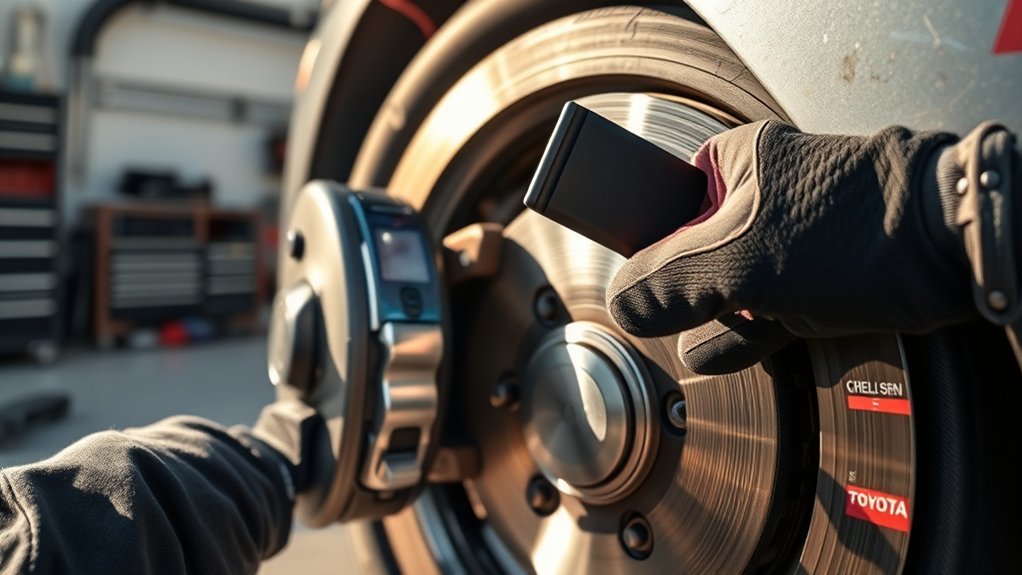
Addressing brake vibration issues involves a methodical approach that focuses on key components of your braking system. Start with brake rotor inspection; check for warping and thickness variation, as uneven surfaces can cause vibrations when you brake at low speeds. Next, verify caliper functionality by examining for sticking or seized calipers, which could lead to uneven pressure on your brake pads.
When installing new rotors, use a torque wrench to apply even torque to the lug nuts, preventing potential rotor warping from uneven pressure. It’s also essential to clean any corrosion and debris from the hub surfaces before mounting new rotors, enhancing stability and performance. Finally, regularly monitor your brake fluid levels and quality, as issues in the hydraulic system can contribute to vibrations. Following these proven methods will help you enjoy a smoother, more reliable braking experience.
Why Quality Brake Parts Matter
When it comes to your brakes, using premium materials isn’t just a luxury; it’s essential for durability and performance. High-quality brake parts enhance safety standards, ensuring you stop smoothly and reliably in any situation. By investing in superior components, you’re not just improving your car’s performance—you’re protecting yourself and your passengers.
Premium Materials Ensure Durability
High-quality brake parts are essential for ensuring your vehicle’s safety and performance, especially when you consider the risks associated with inferior components. Investing in premium brake pads and rotors is vital for ideal brake pad performance and longevity. Cheaper components can warp over time, leading to inconsistent braking and potential failure. Quality materials offer superior rotor heat resistance, greatly reducing brake fade in high-stress situations. This means you can trust your brakes to perform consistently, even during gradual stops. Additionally, precisely engineered parts minimize issues like brake judder and vibration, particularly noticeable at low speeds. By choosing reputable OEM or aftermarket components, you enhance your driving experience and invest in your safety. Regular maintenance with durable parts keeps your brakes reliable.
Performance Enhances Safety Standards
Investing in quality brake parts not only enhances your vehicle’s performance but also greatly boosts safety standards. High-quality OEM rotors and pads provide better heat resistance, reducing the chances of warping and vibration during braking. By minimizing brake torque variation (BTV) and disc thickness variation (DTV), these components guarantee smooth and effective braking, vital for your safety. Cheaper alternatives may seem tempting but often lead to premature wear and compromised safety. Regular maintenance and timely replacements keep your brake system performing at its best. The right brake parts improve stopping power and overall vehicle stability, considerably enhancing safety during low-speed maneuvers. Prioritizing quality means you’re not just driving; you’re driving with confidence.
How to Prevent Future Brake Vibration Problems?
To prevent future brake vibration problems, it’s essential to schedule regular brake inspections. Keeping an eye on your brake components and opting for high-quality parts can make all the difference. By staying proactive, you’ll not only enhance your safety but also extend the life of your braking system.
Regular Brake Inspections
Regular brake inspections are essential for keeping your Camry running smoothly, especially to prevent pesky vibration problems. Schedule these checks at least biannually to spot early signs of brake wear, like uneven pad material or rotor warping. If you notice symptoms such as squeaking, pulsing, or a soft pedal, don’t wait—address these issues immediately to avoid further damage. Practicing smooth braking techniques can also reduce stress on your components, extending their lifespan. Additionally, wash your undercarriage regularly, particularly in areas with road salt, to prevent corrosion that affects brake reliability. Finally, replace brake fluid as recommended to keep your hydraulic system efficient, helping to prevent potential vibration-related issues caused by air or moisture in the lines.
Quality Component Selection
Choosing the right components for your Camry’s braking system can greatly reduce the chances of vibration issues in the future. Start with high-quality OEM rotors and brake pads that minimize warping and guarantee consistent performance. If you prefer aftermarket options, look for durable brands like EBS Ultimax or Wagner TQ pads—they offer excellent heat resistance. Keep an eye on component compatibility to make certain everything works seamlessly together. Proper installation techniques are essential; always use a torque wrench to apply even torque to wheel lug nuts. This helps prevent uneven stress that can lead to rotor warping. Finally, schedule biannual brake checks to catch any wear or damage early, maintaining peak braking performance and peace of mind.
When to Seek Professional Help for Brake Issues?
If you notice vibrations while braking, especially at low speeds, it’s essential to seek professional help without delay. Ignoring these warning signs can lead to more significant issues. Here are some vital indicators:
| Warning Signs | Possible Issues | Action Required |
|---|---|---|
| Vibration during braking | Warped rotors or worn pads | Professional evaluation |
| Unusual noises (squealing) | Brake component failure | Immediate inspection |
| Steering wheel vibrations | Alignment or suspension issues | Expert assessment needed |
| Persistent vibration | Caliper or rotor problems | Thorough examination |
| Changes in braking performance | Safety risk | Prompt professional help |
Regular brake maintenance tips can help prevent these issues, but if you notice significant changes in performance, don’t hesitate. Timely intervention is essential for your safety and can save you from costly repairs down the road.
Frequently Asked Questions
How to Fix Brake Pedal Vibration at Low Speeds?
To fix brake pedal vibration at low speeds, check for warped rotors, worn pads, and caliper function. Follow brake maintenance tips and identify vibration causes to guarantee smooth, safe braking and enhance your driving experience.
Why Does My Camry Vibrate When I Brake?
Your Camry vibrates when braking due to brake pad wear or rotor issues. Warped rotors create uneven pressure, while worn pads can cause instability. Regular maintenance helps you identify and resolve these vibrations effectively.
How to Fix Brake Shudder at Low Speed?
To fix brake shudder at low speed, prioritize brake pad inspection and consider rotor resurfacing. Studies show 60% of braking issues stem from uneven surfaces—addressing these can enhance your driving experience and safety.
Conclusion
In conclusion, tackling your Camry’s brake vibration issues isn’t just about quick fixes; it’s about ensuring smooth, safe stops. By identifying, diagnosing, and addressing the root of the problem, you can enjoy a more reliable ride. Remember, prioritizing quality parts and proactive prevention will keep your brakes in tip-top shape. So, take action today, and transform that troublesome tremor into a tranquil drive! Drive confidently with careful consideration of your vehicle’s needs!