If you smell burning in your RAV4 cabin, stop safely and inspect: check wheel hubs, brakes, and undercarriage for leaks or smoke, feel for hot hubs after braking, and open the hood to scan wiring, fuse boxes, and HVAC components for melting or scorch marks. Replace a clogged cabin filter and note whether the scent fades with ventilation. Electrical, brake, clutch, coolant, or HVAC faults each have distinct signs — keep going to learn targeted diagnostics and fixes.
Is the Smell Coming From the Cabin or Outside?
Want to know whether the burning smell is coming from inside the RAV4 or from outside? You’ll assess persistence, scent character, and response to ventilation. If the odor inside resembles plastic or a sweet chemical note, suspect heated HVAC components or wiring; cabin insulation and interior materials can trap and amplify smells via odor absorption. If the smell fades rapidly when you crack windows or step out, it’s likely external—overheating brakes, leaking fluids, or debris burning on the exhaust. Note correlations: hard acceleration or prolonged braking point toward external systems; continuous odor at idle implicates internal electrical or HVAC elements. Inspect visually for engine-bay leaks or debris that could drive fumes into the intake. Track when the smell appears and whether it intensifies with blower fan use, which would indicate HVAC-origin contaminants circulating through ductwork and filters. Use this diagnostic clarity to reclaim control and choose targeted repairs.
Immediate Checks for a Burning Smell (What to Do Now)
If you notice a burning smell in your RAV4, stop in a safe place and start a quick, targeted check: pull the hood, cut the engine, and use your senses and logic to isolate causes. First, scan under the car for fresh fluid—oil, transmission fluid, or coolant—because leaks on hot components create sharp odors and raise cabin temperature quickly. Next, open the hood and inspect wiring, connectors, and plastic for melting or scorching. Check brake heat: after hard braking or long descents, feel wheel hubs (carefully) for excessive warmth and look for smoke or residue.
- Check for fluid leaks under the vehicle and note any stains or puddles.
- Inspect the engine bay for melted wiring, burnt insulation, or overheating components.
- Verify the HVAC and cabin air filter for clogged debris that could burn off and cause odor persistence.
If you still can’t locate the source, minimize driving and seek professional diagnosis to reclaim control and safety.
Is It Unsafe? When to Stop Driving, Tow, or Continue?
When you smell burning in the cabin, don’t assume it’s harmless—stop and assess immediately, because continuing to drive can worsen electrical fires, brake failure, or engine damage. You should follow safety protocols: pull over safely, cut the engine if you see smoke or warning lights, and evacuate. If odor fades with windows open and no warnings appear, you can cautiously continue, but get it inspected soon. Persistent chemical or plastic smells, or smells during acceleration, require immediate tow—these signal overheating or electrical risk. Adjust driving habits to avoid heavy loads until cleared. If brakes or transmission might be involved, stop driving and tow to prevent catastrophic failure.
| Condition | Immediate Action | Risk Level |
|---|---|---|
| Smoke or warning light | Stop, evacuate, tow | Critical |
| Strong chemical/plastic smell | Tow, professional check | High |
| Odor that clears with windows | Monitor, schedule inspection | Moderate |
| Smell during acceleration | Tow, no further driving | High |
Brake Overheating and Burning Smell: Signs, Tests, Fixes
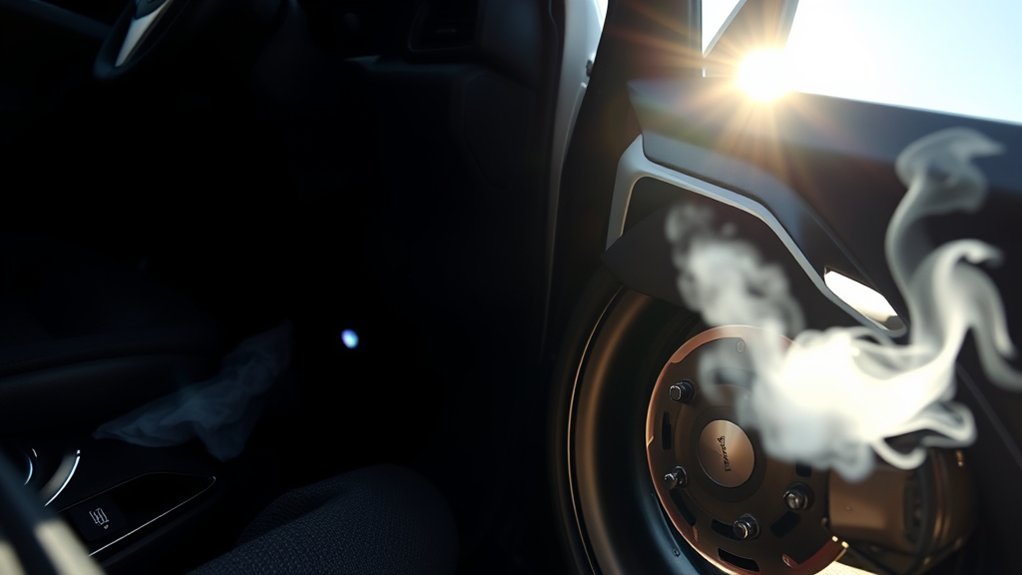
If you smell a sharp, chemical odor after hard braking or long descents, you’re likely smelling overheated brakes. Quickly check wheel temperatures (carefully by feel or with an infrared thermometer) to spot a hot hub or rotor. If a wheel’s unusually hot, inspect for stuck calipers and address them—lubricate slides, replace seized hardware, or replace the caliper/pads as needed.
[Products Worth Considering]

The Pigenius windshield sunshade protects your Tundra's interior from heat and UV damage while keeping the cabin cool. Its accordion design folds easily for storage and quick setup, and the triple‑laminate construction provides durable, reflective protection. Ideal for long trips and daily commutes, it guards dashboards, seats, and steering wheels from sun‑related wear.

The Autorder windshield sun shade umbrella provides full coverage for Toyota RAV4 models from 2019 to 2026, blocking heat and UV rays with its advanced ice crystal material. Its ten reinforced skeletons and anti‑puncture edges ensure durability and stability, while the effortless umbrella‑style deployment and compact storage bag make it convenient for everyday use. Keep your car interior cool and protected from sun damage with this easy‑setup, high‑performance sunshade.

The KDOWES front windshield sun shade offers a custom fit for Toyota RAV4 SUVs, featuring a double‑layer heat shield that blocks up to 99% of solar rays and reduces interior temperature by up to 40°F. Reinforced steel rings and Velcro fasteners ensure easy installation and a secure fit, while the foldable cartilage steel ring allows convenient storage. This high‑quality, reflective fabric protects upholstery, dashboard, and electronics from UV damage, keeping the cabin cool and comfortable.
Recognize Overheated Brake Smell
A strong, chemical-like burning smell after hard braking often signals overheated brakes and demands immediate attention. You’ll notice this odor during long downhill runs or heavy stop-and-go traffic when thermal expansion raises component temperatures. Persistent smells point to brake pad wear or stuck calipers generating excessive heat; unchecked, they can smoke and damage rotors. Inspecting components regularly frees you from avoidable failure.
- Sharp, lingering chemical odor after stopping — classic sign of overheating.
- Visible smoke or continued smell suggests severe pad degradation or seized caliper.
- Routine checks of pads, calipers, and fluid prevent thermal runaway.
If the smell persists or you see smoke, stop driving and get professional service to avoid catastrophic brake loss.
Quick Wheel Temperature Check
After checking for the chemical scorch of overheated brakes, you’ll want to verify wheel temperatures to pinpoint the source; a quick scan with an infrared thermometer tells you more than smell alone. You should walk the vehicle after a short drive, aim the thermometer at each wheel hub and rotor, and record readings on a simple temperature gauge scale. Expect consistent values across corners; a single wheel noticeably hotter points to a local fault. Readings above 200°F (93°C) after normal driving indicate overheating—stop driving and inspect. Hot wheels plus a burning odor often mean brake pad material or fluid is burning. Regular temperature checks and routine brake pad inspection free you from hidden risk and keep control.
Fixes For Stuck Calipers
When a caliper sticks you’ll feel it in the smell, heat and handling—one wheel runs hotter, braking pulls, and a sharp chemical odor or smoke can follow hard stops or long descents. Act fast: stuck calipers cause overheating and can ruin pads or rotors. You’ll inspect pads, pistons and slides for corrosion or binding, then run a quick wheel-temperature test after a short drive to confirm uneven heat.
- Clean seized slides and piston boots, remove rust, and apply proper brake lubrication per spec.
- Replace damaged seals, guide pins or the caliper assembly if cleaning won’t free movement.
- Schedule routine caliper maintenance and monitor temperatures to prevent recurrence.
Do this to reclaim control, safety and mechanical freedom.
Oil, Coolant, and Other Fluid-Leak Smells: How to Find Them
Start by checking for visible leaks under the RAV4 and in the engine bay—look for fresh drips, wet spots, or residue on hoses and around seals. If you smell oil or coolant inside the cabin, trace the scent toward the firewall and intake areas while the engine is warm (but cooled enough to inspect safely). Use a thermal gun to spot hot spots where leaked fluid may be contacting exhaust or other hot components.
[Products Worth Considering]

Protect your Toyota RAV4 interior with this custom‑fit windshield sun shade that blocks 99% of harmful UV rays and reduces cabin heat. The mirror cut‑out ensures a seamless fit without gaps, while durable 240T polyester and bendable wire keep it sturdy through repeated use. Foldable and stored in a convenient pouch, it offers easy installation and removal for everyday comfort.

The Autovir windscreen shade offers full windshield coverage for Toyota RAV4 models from 2019 to 2026, blocking up to 99.95% of UV rays and reducing interior heat. Its multi‑layer reflective material provides SPF 100 and UPF 80+ protection while keeping the dashboard, seats, and steering wheel cooler. The foldable design installs quickly and stores conveniently in the glove box, and reinforced stitching ensures long‑lasting durability for daily use.
Check For Visible Leaks
Check beneath your RAV4 for puddles or drips of oil, coolant, or transmission fluid—these visible signs are the quickest clues that a leak may be causing a burning smell in the cabin. Use systematic leak detection and routine fluid inspection: scan the engine bay, note wet spots on hoses, gaskets, and seals, and monitor reservoir levels for unexplained drops. Look for burned fluid residue on exhaust or hot manifolds and melted debris against hot parts.
- Inspect hoses, clamps, and visible seals for cracks or weeping; document location and color of the fluid.
- Check coolant, oil, and transmission reservoirs; quantify level loss to prioritize repairs.
- Remove debris near heat sources and confirm any burned residue before driving.
Act decisively to prevent fumes, fire risk, and loss of control.
Smell Source Identification
A quick, methodical sniff-and-inspect routine will help you pinpoint whether the burned odor in your RAV4 comes from oil, coolant, or another fluid. Start outside: check for oil drips under the engine and oil residue in the bay—hot oil smells deep and acrid. Inspect coolant level and look for dried residue or sweet, burnt antifreeze notes. Smell near the exhaust for melted plastic or debris; burnt plastic is sharp and unmistakable. Check the power steering reservoir and hoses for hydraulic-like, oily odors. Finally, inspect the cabin air filter and vents—contaminated filters trap debris and amplify odor sources into the cabin air. Document findings, isolate the leak, and address the component promptly to reclaim control and freedom on the road.
Electrical or Melting-Plastic Smells: What to Inspect
When you notice a plastic- or sweet-like burning smell in the cabin, assume it’s electrical until proven otherwise and inspect fuses, connectors, and accessible wiring for melting, charring, or distorted insulation. You want decisive wiring inspection focused on visible harnesses, fuse boxes, and connector junctions. Look for discolored plastic, softened insulation, or concentrated heat damage near HVAC controls and under-dash lighting circuits—areas prone to circuit overload.
- Check fuse box and relays for melted plastic, blown fuses, or heat marks.
- Inspect connectors and accessible wiring harnesses for fraying, exposed conductors, or distorted insulation.
- Operate HVAC, lights, and accessories while monitoring smell and temperature to isolate the affected circuit.
If you identify damage, disconnect power where safe and avoid driving until repaired. Persistent or hidden smells require a qualified technician to trace shorts or overloaded circuits. Prioritize safety; liberate yourself from risk by addressing electrical faults promptly.
Clutch or Transmission Burning Smells on Manual RAV4s
If you smell a hot, acrid odor after aggressive acceleration or prolonged clutch slipping, you’re likely dealing with overheated clutch components—typically a worn clutch disc or pressure plate that’s been glazing from excessive heat. You’ll notice the burnt smell lingering after driving, especially following hard acceleration or in stop-and-go traffic where pedal riding or slipping is common. That odor signals friction material breakdown and rising risk of component failure.
Assess for clutch wear by checking pedal feel, engagement point, and difficulty shifting gears. If the pedal feels soft, slips under load, or gear changes grind, don’t ignore it—you’re accelerating wear and risking complete clutch failure. Regular inspection and timely replacement of the clutch plate, pressure plate, and associated hardware prevents collateral damage to the transmission and releases you from being stranded. Prioritize maintenance: replace worn parts promptly, repair improper linkage or hydraulic issues, and adjust driving habits to eliminate riding the clutch and avoid repeat overheating.
HVAC, Cabin Filter, and “New-Car” Off-Gassing Explained
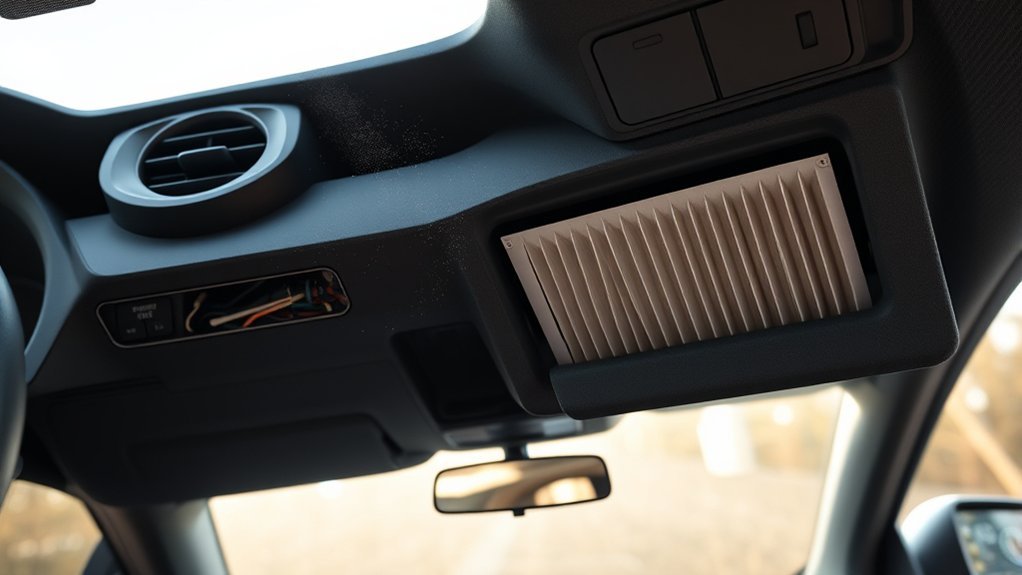
One common source of burning smells in your RAV4’s cabin is the HVAC system burning off dust or debris when it first runs, especially after sitting unused. You’ll notice a brief toasted-odor as accumulated dust on the heater core or blower motor heats and burns off; that’s normal if it clears quickly. Maintain control with HVAC maintenance tips: replace the cabin filter on schedule, run the fan periodically, and inspect the blower area for debris.
- Replace the cabin filter regularly to preserve airflow and prevent overheating; cabin filter importance is about air quality and system longevity.
- Ventilate new vehicles to reduce “new-car” off-gassing; open windows, run vents with fresh air, and park in shade to lower VOC concentrations.
- If odors persist or smell chemical/antifreeze-like, suspect coolant leaks or engine-compartment debris and address them promptly.
You want freedom from persistent smells—use targeted checks and timely maintenance to reclaim a clean, liberated cabin environment.
How Dealers Diagnose Intermittent Odors : And What to Request
When you bring the RAV4 in, tell the service advisor the exact conditions and timing that reproduce the smell so technicians can replicate it during test drives and inspections. Ask them to run targeted checks—thermal scans of brakes/exhaust, smoke or pressure tests for leaks, and calibrated road cycles with cabin ventilation monitored—to catch intermittent faults. If the initial work is inconclusive, request teardown inspection of suspect components and a documented second opinion.
Diagnostic Steps To Replicate
Because intermittent odors are often tied to specific driving conditions, you should help technicians replicate the exact scenario where the smell appears—note acceleration, speed, duration, ambient temperature, and whether windows or vents were open—and provide a clear timeline plus any past repair history so the dealer can prioritize visual checks, thermal imaging of brakes and exhaust, and targeted road tests. You’ll want to hand over documented notes on intermittent smells and any prior work so technicians use appropriate diagnostic tools efficiently. Be direct about smell character (plastic, oil, coolant) and when it starts.
- Record exact replication steps: gear, throttle, speed, duration.
- Share recent repairs, fluid top-offs, or debris sightings.
- Request thermal imaging and brake/exhaust visual inspection.
Ask For Specific Tests
Want the dealer to find the smell fast? Tell them to run targeted tests: a detailed engine inspection for gasket, hose, or coolant leaks that can emit burning odors. Demand a thermal scan of brakes and wheel assemblies to catch hidden overheating. Ask for a cabin air filter check for contamination that traps smells and a focused HVAC exam — blower motor, heater core, ducts — to rule out dust or debris burning off. Insist on a diagnostic scan for electrical error codes pointing to overheating components or shorts. Be clear, firm, and solution-oriented: you want measurable data, not guesses. These specific tests free you from intermittent odors and force the shop to deliver verifiable results.
Typical Costs, Timelines, and Preventive Steps
If you smell burning in your RAV4, expect a diagnostic fee of roughly $100–$150 and an initial inspection that can usually be completed within a few hours; full repairs may take several days if parts must be ordered. For a clear cost breakdown, document symptoms and ask for itemized estimates so you control spending and timing. Follow maintenance tips proactively to prevent recurrence.
- Monitor wheel and brake temperatures with a thermal gun, check coolant levels, and inspect for fluid leaks regularly.
- Keep the HVAC intake and cabin filters clean, and have brakes and hoses examined during routine service.
- Record recurring smells, note when they occur, and bring this log to the shop to speed diagnosis.
You’ll liberate yourself from surprise bills by insisting on transparent quotes, prioritizing preventive checks, and scheduling prompt repairs. Acting early reduces downtime and limits costly cascading failures.
Frequently Asked Questions
Why Does My RAV4 Smell Like Burning Plastic?
It’s likely from overheated electricals or melting plastic components, producing a burning odor; you should inspect wiring, HVAC blower, and undercarriage debris, shut the car if strong, and get a mechanic to fix persistent faults.
Why Does My Toyota Car Smell Like Something Is Burnt?
It’s likely something’s burning—wait: burning oil or electrical issues often cause that smell. You’ll check fluid leaks, wiring, brakes, and HVAC; act fast, diagnose, and fix to reclaim control and avoid greater damage.
Why Does My Car Smell Like Its Burning in the Cabin?
Your cabin smells like it’s burning because an overheating engine, electrical issues, or leaking fluids are contacting hot components; you’ll want to stop, ventilate, and inspect immediately to reclaim control and prevent further damage.
Conclusion
If you catch a burning smell, act fast: check brakes, fluids, and vents, then stop driving if smoke, loss of power, or hot-wheel smells persist. One driver ignored a faint burning scent and later found a stuck caliper that overheated enough to warp a rotor—repair tripled the cost. Dealers can track intermittent odors with smoke tests and targeted drives; ask for component temp checks and dye leaks. Prevent with routine inspections and timely filter/fluid service.