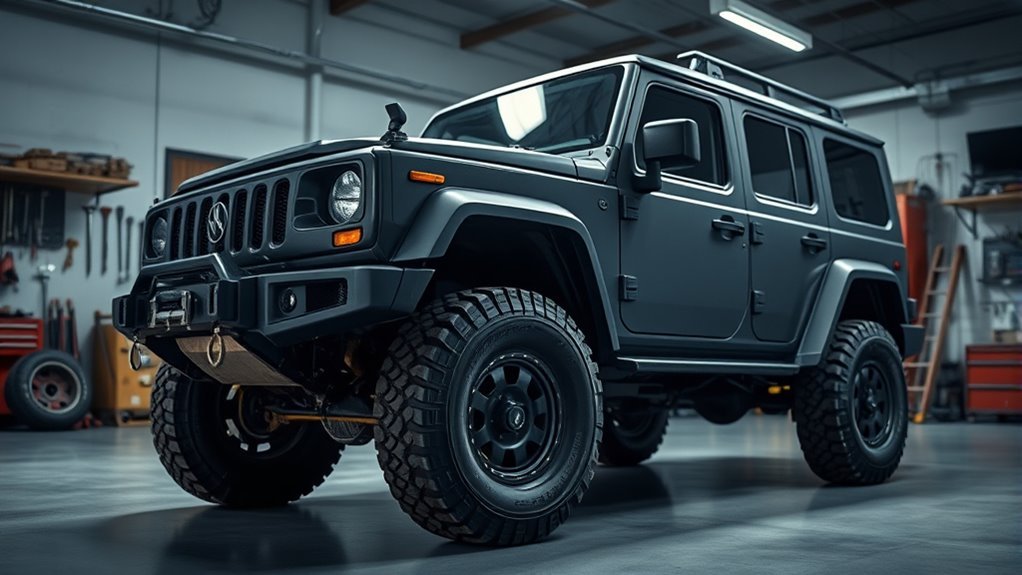
A body-on-frame SUV uses a separate ladder-style frame underneath the body, similar to a pickup truck. That frame carries the engine, drivetrain, suspension, hitch loads, and much of the off-road stress. The result is a tougher, easier-to-modify SUV for towing, hauling, and rough trails, but usually with more weight, lower fuel economy, and a less carlike ride than a unibody crossover.
Quick Answer
A body-on-frame SUV has a separate body bolted to a strong frame. It is best for heavy towing, payload, off-road durability, and easier chassis repairs. A unibody SUV is usually lighter, smoother, more fuel-efficient, and often better for everyday commuting.
Key Takeaways
- Choose body-on-frame if towing capacity, payload, trail durability, and repairability matter most.
- Choose unibody if ride comfort, fuel economy, handling, and daily commuting matter more.
- Do not buy by tow rating alone. Payload, tongue weight, axle ratings, cooling, hitch equipment, and brakes all matter.
- Safety depends on the specific model. Check current NHTSA and IIHS ratings instead of assuming one construction type is automatically safer.
What a Body-on-Frame SUV Is and Why It Matters
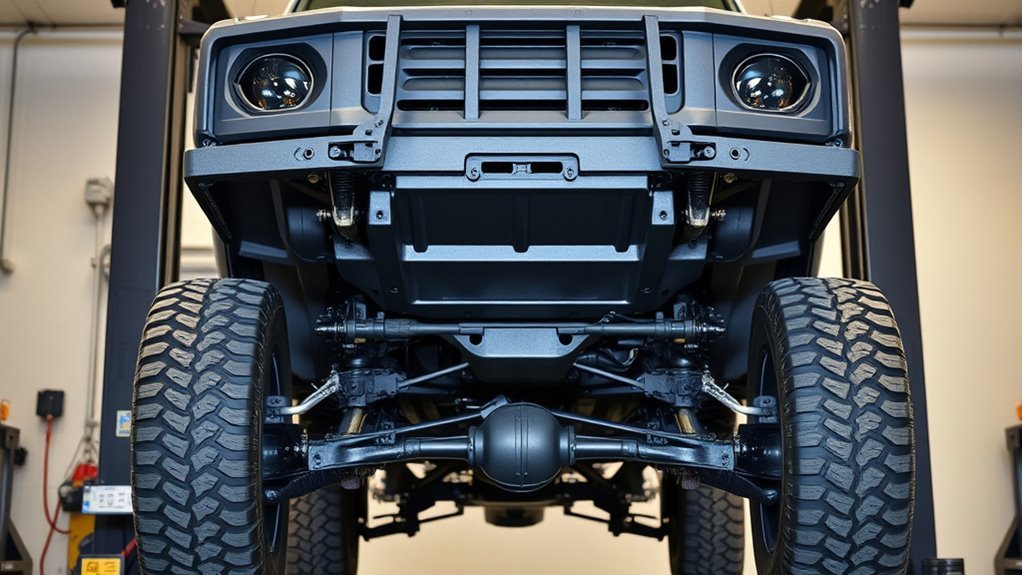
Think of a body-on-frame SUV as two main pieces: a rigid frame underneath and a separate passenger body mounted on top. The frame carries the drivetrain, suspension, steering components, tow hitch loads, and recovery points. The body mainly provides the cabin, cargo area, doors, glass, and interior structure.
This design matters because it gives the SUV a durable base for demanding jobs. A strong frame can handle repeated towing stress, off-road impacts, heavy accessory mounting, and rough-road flex better than many lighter-duty crossover designs. That is why many serious off-roaders, large family tow vehicles, and luxury full-size SUVs still use body-on-frame construction.
Modern examples include the Ford Expedition, Chevrolet Tahoe and Suburban, GMC Yukon, Cadillac Escalade, Jeep Wrangler, Toyota 4Runner, Toyota Land Cruiser, Lexus GX, Lexus LX, Lincoln Navigator, INFINITI QX80, and Nissan Armada.
Note: “Body-on-frame” does not automatically mean “better.” It means the SUV is built for a different mission. The right choice depends on whether you need truck-like capability or carlike efficiency and comfort.
Body-on-Frame vs. Unibody: The Key Differences
A unibody SUV combines the body and structural frame into one integrated shell. Most compact and midsize crossovers use this layout because it saves weight, improves ride quality, and helps engineers design controlled crash structures into the vehicle body.
A body-on-frame SUV separates the frame from the body. That adds weight, but it also gives the vehicle a strong base for towing, payload, off-road articulation, and chassis-mounted gear.
| Category | Body-on-Frame SUV | Unibody SUV |
|---|---|---|
| Structure | Separate body mounted to a truck-like frame | Body and structure built as one integrated shell |
| Best for | Towing, hauling, off-roading, work use, overlanding | Commuting, family driving, fuel economy, comfort |
| Ride and handling | Often firmer, heavier, and less agile | Usually smoother, lighter, and more responsive |
| Towing and payload | Generally stronger, especially in full-size SUVs | Adequate for light towing, but usually lower-rated |
| Repairability | Frame, suspension, bumper, and recovery components can be easier to service or replace | Structural body repairs can be more complex after major damage |
| Efficiency | Usually lower because of extra weight and larger size | Usually better because the structure is lighter |
Towing, Payload and Off-Road Durability
When you need heavy hauling, a body-on-frame SUV makes sense. The frame gives the hitch, suspension, axle mounts, and drivetrain a strong load path. For example, Ford lists an available 9,600-pound maximum towing capacity for properly equipped Expedition models, while Chevrolet lists up to 8,200 pounds for the 2026 Suburban when properly equipped.
That said, the headline tow rating is only one number. To tow safely, check all of the following before you buy or hitch up:
- Maximum trailer weight: the heaviest trailer the SUV can tow in its specific configuration.
- Payload rating: the weight of passengers, cargo, accessories, and trailer tongue weight the SUV can carry.
- Tongue weight: the downward force the trailer puts on the hitch.
- Gross Combined Weight Rating: the maximum allowed weight of the loaded SUV and loaded trailer together.
- Hitch class and equipment: receiver rating, ball mount, brake controller, cooling package, mirrors, and wiring.
- Axle and tire ratings: especially important when the cabin is full of people and cargo.
Warning: Never rely on a brochure tow number alone. The real limit is the lowest-rated part of your setup: SUV, hitch, tires, axle ratings, payload, trailer brakes, or trailer itself.
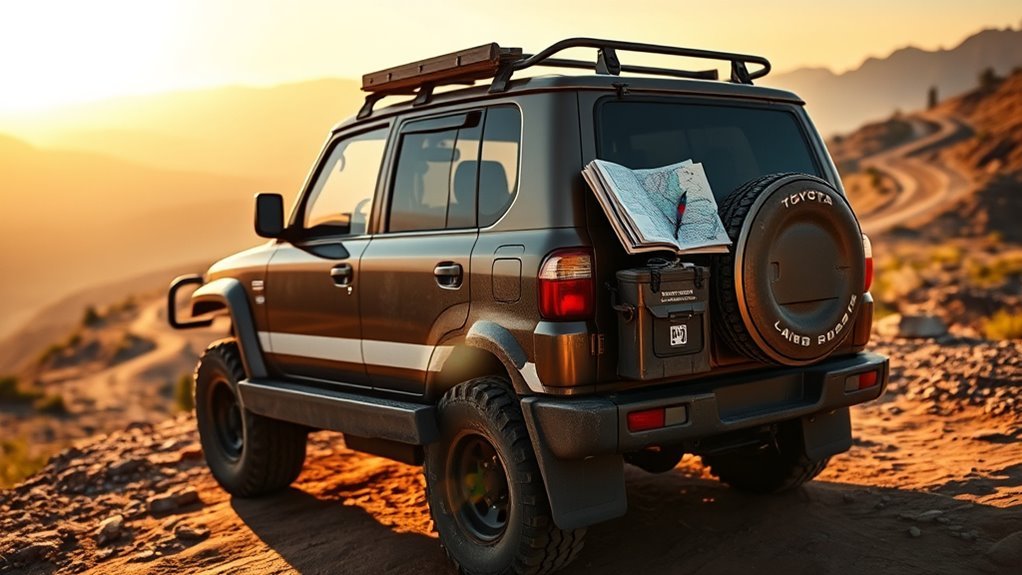
Off-road durability is another strength. A frame-based SUV gives you better mounting points for skid plates, rock rails, recovery hooks, winches, reinforced bumpers, and long-travel suspension parts. The Jeep Wrangler, for example, is built around dedicated off-road hardware such as available heavy-duty axles, tow hooks, and Trail Rated capability features.
Body-on-frame construction is most valuable when the SUV is doing truck-like work: towing heavy trailers, carrying payload, taking trail impacts, or supporting chassis-mounted recovery gear.
What You Give Up: Fuel, Comfort and Ownership Costs
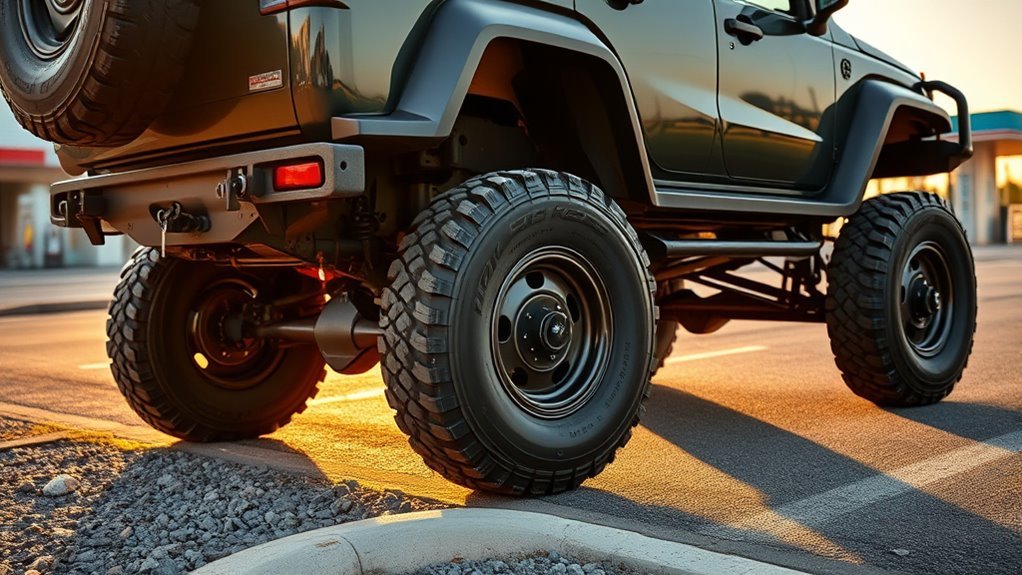
The same strengths that make body-on-frame SUVs useful for towing and off-road work also create trade-offs. They are usually heavier than unibody crossovers, often sit higher, and often use larger engines, tires, brakes, and suspension parts.
- Fuel economy is usually lower. Extra weight, larger tires, four-wheel-drive hardware, and boxier shapes can reduce mpg.
- Ride comfort can be firmer. Body-on-frame SUVs may feel more trucklike over broken pavement, especially with off-road tires or heavy-duty suspension packages.
- Handling is usually less sharp. Higher ground clearance and more mass can make the SUV feel slower to respond in corners.
- Ownership costs can rise. Fuel, tires, brakes, shocks, alignments, and off-road wear can add up.
- Parking can be harder. Many body-on-frame SUVs are tall, wide, and long, especially full-size models like the Suburban, Expedition, Yukon XL, and Escalade ESV.
Pro Tip: Test-drive a body-on-frame SUV on the roads you use every day, not only on a smooth dealer route. Pay attention to braking feel, parking visibility, body motion, tire noise, and step-in height.
Top Body-on-Frame SUVs Today: Who Each Is Best For
The best body-on-frame SUV depends on the job. Some are built for towing. Some are trail tools. Others combine a truck frame with luxury cabins and advanced driver-assistance features.
Best for Towing
If your main job is towing a camper, boat, utility trailer, or car hauler, start with full-size body-on-frame SUVs. The Ford Expedition is one of the strongest choices, with properly equipped 2026 models rated up to 9,600 pounds. The Chevrolet Suburban adds huge cargo space and up to 8,200 pounds of available towing capacity. The GMC Yukon, Cadillac Escalade, Lincoln Navigator, Chevrolet Tahoe, and Nissan Armada are also worth comparing.
Before choosing, match the SUV to the trailer instead of chasing the biggest number:
- Find the trailer’s loaded weight, not just its dry weight.
- Add passengers, cargo, water, fuel, tools, and accessories.
- Check payload after tongue weight is included.
- Confirm the correct tow package, hitch, cooling, mirrors, and brake controller.
- Leave a safety margin instead of towing at the absolute limit.
Best for Off-Roading
If you want trail-ready capability, focus less on size and more on geometry, drivetrain, tires, and protection. The Jeep Wrangler is the classic choice because it offers serious 4×4 hardware, excellent approach and departure angles, removable body panels, available locking differentials, and strong aftermarket support.
The Toyota 4Runner is another strong pick. Toyota says the latest 4Runner remains part of its rugged body-on-frame lineup, offers available hybrid power, and provides up to 6,000 pounds of towing capacity. Toyota Land Cruiser, Lexus GX, and Ford Bronco also fit shoppers who want a frame-based SUV with trail credibility.
For off-roading, compare these features:
- Low-range gearing for slow, controlled crawling.
- Ground clearance for rocks, ruts, and deep trails.
- Approach, breakover, and departure angles for steep obstacles.
- Skid plates and recovery points mounted to strong chassis areas.
- Tire size and sidewall height for traction and impact protection.
- Locking differentials or advanced traction systems for loose surfaces.
Best for Luxury
Luxury body-on-frame SUVs are for buyers who want a commanding cabin, strong towing ability, and truck-based durability. The Cadillac Escalade, Lincoln Navigator, INFINITI QX80, Lexus LX, and Lexus GX all target this space.
Choose by priority:
- Cadillac Escalade: best for screen technology, premium cabin presence, and full-size luxury.
- Lincoln Navigator: best for quiet cruising, comfort, and family road trips.
- INFINITI QX80: best for powerful twin-turbo performance and three-row luxury value.
- Lexus LX: best for buyers who want luxury with serious off-road heritage.
- Lexus GX: best for a smaller luxury SUV with real trail ability.
How to Choose the Right Body-on-Frame SUV for You
Start with your real use case. A body-on-frame SUV is not automatically the best family vehicle, but it can be the right tool if you tow, explore remote roads, carry heavy gear, or want a rugged platform you can keep for years.
Choose Body-on-Frame If You Need:
- Heavy towing for campers, boats, trailers, or toys
- Higher payload for people, luggage, tools, and tongue weight
- Real four-wheel-drive hardware for trails or bad weather
- Durability for rough roads, job sites, ranch use, or overlanding
- Chassis-mounted accessories such as winches, steel bumpers, and skid plates
- Long-term serviceability and easier replacement of some underbody components
Choose Unibody If You Need:
- Better fuel economy
- A smoother daily ride
- Easier parking and lighter handling
- More carlike steering and braking feel
- Lower running costs
- A compact or midsize SUV mainly for commuting, school runs, and road trips
Quick Buying Checklist
- Define the mission. Towing, trails, commuting, family travel, luxury, or mixed use?
- Check the exact trim. Engine, axle ratio, drivetrain, wheelbase, and tow package can change ratings.
- Calculate payload. Include passengers, cargo, accessories, and trailer tongue weight.
- Compare safety ratings. Use current NHTSA and IIHS results for the specific model year.
- Price the tires and brakes. Larger body-on-frame SUVs can be expensive to maintain.
- Test the third row and cargo area. Some trail-focused SUVs have less family space than they appear to.
- Drive it in real conditions. Try parking lots, rough pavement, highway speeds, and tight turns.
Frequently Asked Questions
Are body-on-frame SUVs better?
They are better for towing, hauling, off-roading, and rugged long-term use. They are not automatically better for daily driving. If you want fuel economy, easy parking, smooth ride quality, and carlike handling, a unibody SUV is usually the better choice.
Which is safer: unibody or body-on-frame?
Safety depends on the specific vehicle, model year, crash structure, airbags, driver-assistance systems, tires, weight, and rollover resistance. Unibody vehicles often give engineers more freedom to build controlled crumple zones into the body, while modern body-on-frame SUVs can still perform well. Always check current NHTSA and IIHS ratings for the exact SUV you are considering.
What does it mean when an SUV is body-on-frame?
It means the SUV has a separate frame underneath the body. The drivetrain, suspension, tow hitch, and many heavy-duty components mount to that frame. This layout is common on pickup-based SUVs and is useful for towing, off-road durability, and chassis repairs.
Is the Toyota RAV4 unibody or body-on-frame?
The Toyota RAV4 is a unibody SUV, not a body-on-frame SUV. Toyota says the 2026 RAV4 uses the TNGA-K unibody platform, which is designed for efficiency, ride comfort, and crossover-style practicality.
Which SUVs are still body-on-frame?
Common current examples include Ford Expedition, Chevrolet Tahoe, Chevrolet Suburban, GMC Yukon, Cadillac Escalade, Lincoln Navigator, Jeep Wrangler, Ford Bronco, Toyota 4Runner, Toyota Land Cruiser, Lexus GX, Lexus LX, INFINITI QX80, and Nissan Armada. Availability and construction can vary by market and model year, so confirm before buying.
Do body-on-frame SUVs last longer?
They can last a long time when maintained well, especially because many use truck-style parts built for heavy use. Longevity still depends on service history, rust prevention, fluid changes, tire care, suspension maintenance, and how hard the SUV is used for towing or off-roading.
Conclusion
A body-on-frame SUV is the right choice when capability matters more than maximum efficiency. It gives you a strong platform for towing, payload, off-road parts, recovery gear, and rough-road durability. The trade-off is that you usually give up some fuel economy, ride comfort, handling sharpness, and parking ease.
Choose body-on-frame if your SUV needs to work like a truck. Choose unibody if your SUV mostly needs to commute, carry the family, and save fuel. The best decision is not about which design is “better” in general; it is about which design fits your loads, roads, trails, budget, and long-term ownership plans.
Sources
- Ford Expedition specifications — available cargo capacity, seating, and maximum towing information.
- Chevrolet Suburban specifications — maximum available towing capacity, seating, and cargo space.
- Toyota 4Runner press information — body-on-frame positioning, powertrain details, and towing capacity.
- Jeep Wrangler capability information — Trail Rated capability, off-road hardware, tow hooks, and available recovery equipment.
- Toyota RAV4 press information — TNGA-K unibody platform confirmation.
- NHTSA 5-Star Safety Ratings — crash-test and rollover-rating reference for comparing specific vehicles.