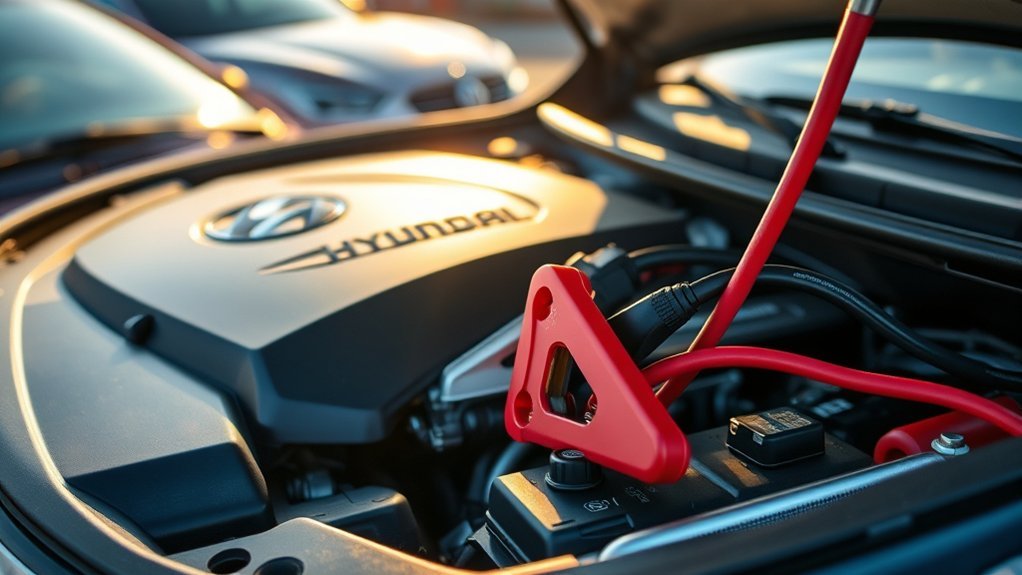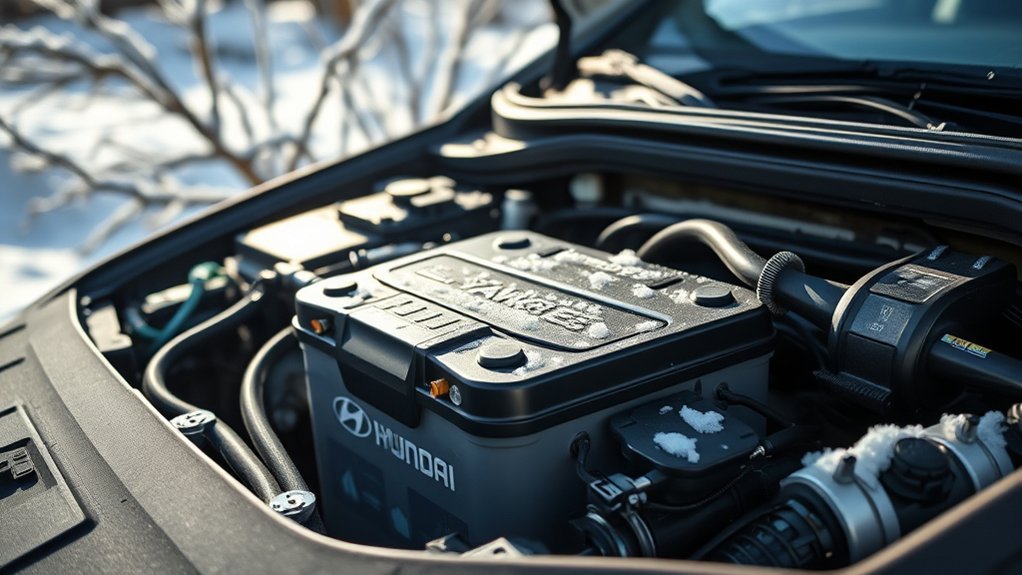
To keep your Sonata battery healthy in winter, regularly check its Cold Cranking Amps (CCA) and voltage, ensuring it’s above 12.4 volts. Inspect terminals for corrosion and maintain clean connections. Use a battery maintainer for infrequent trips to prevent drain. Park in a garage or shaded area to moderate temperature. Pay attention to signs like slow engine cranking and dim headlights; these indicate potential issues. This proactive approach will extend your battery’s life and reliability as winter sets in.
Why Winter Is Tough on Your Sonata Battery
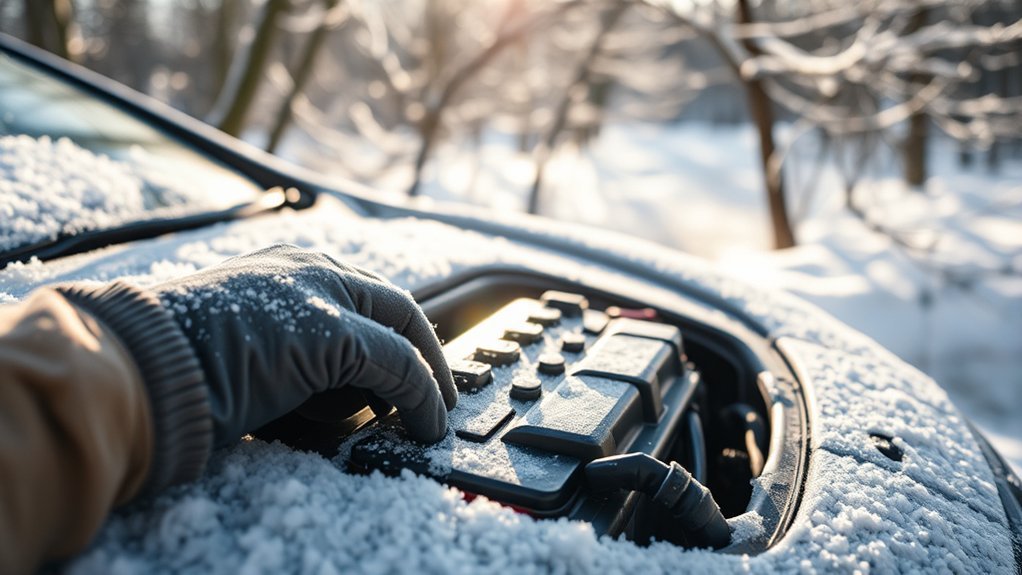
Winter can be particularly challenging for your Sonata’s battery, as cold temperatures markedly slow down chemical reactions, reducing the battery’s available power. This temperature effect means your engine might require up to twice the normal current to start, putting additional strain on the battery. If your battery is older than three years, you’re especially vulnerable; it may show signs of decline in performance more quickly during cold spells.
Additionally, the increased use of accessories like headlights, seat warmers, and defrosters during winter can rapidly deplete your battery’s energy. This combination of heightened demand and diminished capacity can lead to frustrating starts or even failure. Regular battery testing is essential to guarantee reliable performance. Understanding these battery chemistry principles will empower you to take proactive steps, assuring your Sonata remains dependable throughout the winter months.
How to Identify Battery Struggles in Cold Weather
In cold weather, you might notice your engine cranking slowly or your dashboard lights flickering. These symptoms often indicate that your battery’s performance is declining due to low temperatures. Addressing these signs early can prevent more severe issues and guarantee reliable starts throughout winter.
Slow Engine Cranking
As temperatures drop, you might notice your engine cranking slowly, which often signals a weak battery struggling to perform under cold conditions. This slow cranking can indicate that your battery isn’t delivering enough power, especially since it may need to provide up to twice the normal current to start your engine. If your engine takes longer to start after sitting overnight, it’s a sign the battery isn’t holding a charge effectively. Frequent jump-starts also suggest underlying issues. For batteries older than three years, it’s essential to test the Cold Cranking Amps (CCA) to guarantee peak battery performance in winter. Maintaining your battery’s efficiency will help assure a reliable start when you need it most.
Flickering Dashboard Lights
Slow engine cranking is just one symptom of battery struggles during cold weather; flickering dashboard lights are another clear indicator. When temperatures drop, chemical reactions in your battery slow down, leading to power fluctuations. If you notice your dashboard lights dimming or flickering when starting the engine, it could mean your battery isn’t holding a charge effectively, especially if it’s older.
Here are key signs to watch for:
- Dashboard warning lights illuminate unexpectedly.
- Flickering lights during engine start-up.
- Increased electrical load from accessories (headlights, defrosters).
- Frequent jump-starts needed in winter.
Monitoring these indicators early allows for professional assessment and potential battery replacement, helping you avoid deeper failures down the road. Stay proactive to keep your Sonata running smoothly this winter!
Key Testing Tips for Your Battery Before Winter
Before winter sets in, it’s crucial to test your Sonata’s battery to confirm it can handle cold temperatures. Start with checking the Cold Cranking Amps (CCA); this measurement indicates your battery’s ability to start your engine in freezing conditions. If your battery is over three years old, schedule professional battery testing to identify any performance decline that might affect winter preparation. Monitor the state of charge; a reading below 12.4 volts means it needs recharging to prevent freezing and sulfation. Additionally, inspect your battery terminals for corrosion; buildup can hinder performance and make starting difficult in cold weather. A thorough battery test at a local service center, like Philpott Hyundai, verifies your battery is ready to face winter challenges. Taking these steps will help you avoid unexpected breakdowns and keep your Sonata performing at its best all season long.
Best Practices for Maintaining Your Battery in Winter
To keep your battery functioning effectively during winter, regular inspections are essential. Monitoring its condition can prevent unexpected failures in cold weather. Additionally, using a battery maintainer for infrequently driven vehicles guarantees it stays charged and ready when you need it.
Regular Battery Inspections
As winter approaches, ensuring your Sonata’s battery remains in peak condition becomes essential for reliable performance. Regular battery inspections can help you avoid unexpected issues. Here are some best practices to follow:
- Inspect battery terminals for battery corrosion to maintain ideal electrical flow.
- Clean terminals with a mixture of baking soda and water to neutralize acid.
- Check the battery’s charge level frequently; it should ideally read above 12.4 volts.
- Schedule a professional battery test before winter, especially for batteries older than three years.
Utilize Battery Maintainers
When temperatures drop, utilizing a battery maintainer can greatly enhance your Sonata’s battery health during winter months. These devices monitor and regulate voltage levels, ensuring your battery remains charged, particularly during extended periods of inactivity. It’s wise to connect the maintainer if your Sonata will sit for more than a week, keeping the battery above 12.4 volts. Many battery maintainers feature automatic shut-off and trickle charging, making them efficient and user-friendly for various battery types. By preventing overcharging and maintaining peak capacity, you’ll avoid freezing and potential damage. Regular use of a maintainer not only extends your battery’s lifespan but also reduces the risk of unexpected breakdowns during harsh winter conditions.
Parking Tips to Shield Your Sonata Battery
Parking your Sonata in a garage or shaded area considerably enhances your battery’s longevity by protecting it from extreme temperatures. This simple step can prevent significant performance issues and extend your battery’s lifespan.
Parking your Sonata in a garage or shaded area significantly boosts battery longevity by shielding it from extreme temperatures.
To further shield your battery, consider these tips:
- Utilize insulated covers during winter to maintain a stable temperature around the battery.
- Use a car cover or sunshade when parked outdoors to minimize cabin heat exposure.
- Clear snow or ice accumulation around your vehicle regularly to prevent unnecessary battery drain.
- Park near a power source to connect a battery maintainer if you plan on leaving your Sonata inactive for an extended period.
How Battery Maintainers Help Your Sonata in Winter
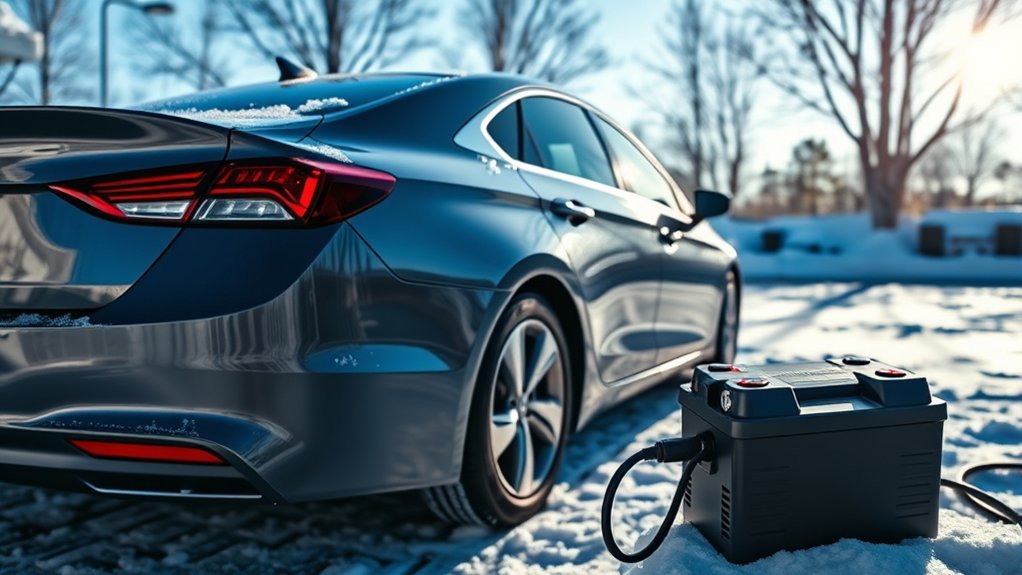
A battery maintainer can be a game-changer for your Sonata during the winter months. These devices keep your battery at ideal charge levels, preventing discharge during periods of inactivity, which is vital in cold weather. By continuously monitoring voltage and automatically adjusting the charge, maintainers enhance charging efficiency and prevent overcharging, ultimately extending your battery lifespan.
When temperatures drop, having a fully charged battery guarantees reliable starts, even when your Sonata is under significant strain. Many battery maintainers are compact and user-friendly, allowing you to connect them to your battery without complicated installations. Regular use of a maintainer safeguards you from unexpected breakdowns by making sure your battery is always ready for action. This proactive approach not only saves you time and stress but also contributes to the longevity of your Sonata’s battery, empowering you to drive with confidence throughout winter.
Is It Time to Replace Your Sonata Battery This Winter?
How can you tell if it’s time to replace your Sonata’s battery this winter? Recognizing the signs of a failing battery is essential for guaranteeing winter readiness. Here are key indicators to watch for:
- Slow engine cranking when starting.
- Dim headlights indicating reduced power.
- Frequent jump-starts, suggesting the battery can’t hold a charge.
- Battery age: If it’s over three years, test its Cold Cranking Amps (CCA).
Cold weather can drastically impact battery performance, so if you’re experiencing any of these issues, it’s wise to think about a replacement. New batteries with higher CCA ratings can enhance your Sonata’s cold-weather performance. While regular maintenance can extend your battery’s lifespan, proactive replacement guarantees you won’t be left stranded when temperatures drop. Don’t wait for a breakdown; assess your battery’s condition now for a hassle-free winter.
Preparing for Unexpected Battery Issues on the Road
Even with a reliable battery, unexpected issues can arise when you’re on the road. To enhance your emergency preparedness, regularly test your Sonata’s battery, especially before winter. Keep a portable jump pack in your vehicle for self-rescue if your battery fails. Monitor your battery’s voltage; readings below 12.4 volts often signal the need for recharging or servicing. Avoid short winter trips, as they prevent full recharging, increasing the risk of failure.
Here’s a quick reference for battery troubleshooting:
| Action | Frequency |
|---|---|
| Test battery voltage | Monthly |
| Clean terminals | Every 3 months |
| Check for corrosion | Monthly |
Frequently Asked Questions
How Do I Keep My Car Battery From Dying in Winter?
To keep your car battery from dying in winter, focus on battery care: avoid short trips, check Cold Cranking Amps, use a maintainer if necessary, and park in a garage to protect against extreme cold.
How Long Should a Hyundai Sonata Battery Last?
A Hyundai Sonata battery typically lasts 3 to 5 years. Factors affecting battery lifespan include driving habits, environmental conditions, and maintenance. Regular checks and cleaning can help maximize its longevity and performance in various conditions.
How Do You Maintain a Car Battery in the Winter?
To maintain your car battery in winter, regularly clean terminals, use a battery maintainer, park in a garage, monitor charge levels, and test Cold Cranking Amps. These battery care winter tips guarantee peak performance and longevity.
Conclusion
Keeping your Sonata battery healthy in winter is like nurturing a delicate plant in a frost-prone garden. Just as you’d wrap tender sprouts to shield them from biting cold, you need to protect your battery with proper maintenance and testing. By following these tips, you’ll guarantee your Sonata starts smoothly, even on the coldest mornings. Don’t wait for an unexpected breakdown—stay proactive, and your battery will thrive through winter’s harsh conditions.