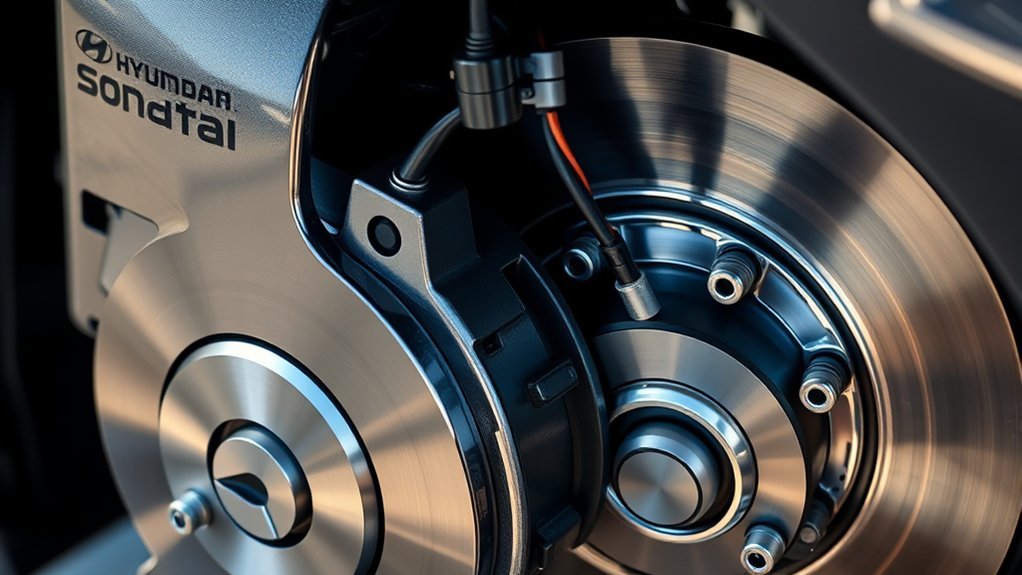
If you’re experiencing steering wheel vibration in your Hyundai Sonata, check for common issues like tire imbalance, misalignment, or worn suspension components. First, inspect tire pressure and look for unusual wear patterns. Next, consider alignment adjustments and verify tire balance. Don’t forget to evaluate the brake system for any warped rotors and inspect suspension parts for wear. Addressing these issues promptly can enhance your driving experience. There’s plenty more to explore about maintaining smooth steering.
Common Causes of Steering Wheel Vibration in Hyundai Sonata

Steering wheel vibration in your Hyundai Sonata can be frustrating, especially when it compromises your driving experience. One common culprit is tire balance; if your tires aren’t properly balanced, you’ll likely notice vibrations at speeds over 50 mph. This imbalance can make handling unpredictable. Wheel alignment issues also play an important role; hitting potholes or curbs can misalign your wheels, leading to uneven tire wear and noticeable vibrations.
Additionally, worn or damaged suspension components like ball joints and tie rod ends can destabilize your vehicle, further contributing to the shaking. Warped brake rotors, often caused by excessive heat or pressure, can also lead to vibrations during braking. Finally, don’t overlook low tire pressure—it can create an imbalance, exacerbating handling and steering issues. Addressing these factors can greatly enhance your driving comfort and safety.
How to Diagnose the Source of Vibration
Identifying the source of vibration in your Hyundai Sonata requires a systematic approach. Start by noting the vibration frequency: does it occur between 40-50 mph or above 70 mph? This can help pinpoint the issue. Next, check your tire pressure; incorrect levels can exacerbate vibrations and lead to uneven tire wear. Inspect the tires for any abnormal patterns, which may indicate alignment or imbalance problems.
Pay attention to whether vibrations persist across different road conditions. If they do, you might be facing suspension or drivetrain issues. Conduct a visual inspection of suspension components like ball joints and tie rod ends for signs of wear. Using diagnostic tools such as road force balancing can further assess tire performance and reveal defects in your tire or wheel setup. By following these steps, you’ll be better equipped to diagnose and address the vibration source effectively.
Tire and Wheel Maintenance Tips to Prevent Steering Wheel Vibration
Maintaining your tires and wheels is essential for preventing steering wheel vibrations in your Hyundai Sonata. Start by regularly checking your tire pressure; keeping it at manufacturer specifications prevents imbalances that lead to vibrations. Schedule routine tire rotations every 5,000 to 7,500 miles to guarantee even wear.
Additionally, verify proper wheel alignment at least once a year, or after hitting potholes or curbs, to avoid misalignment. Inspect your tires for uneven wear patterns, which could indicate balance issues or suspension problems. Consider using road force balancing techniques for effective weight distribution.
Here’s a quick reference table to help you with maintenance:
| Maintenance Task | Frequency | Purpose |
|---|---|---|
| Check Tire Pressure | Monthly | Prevent imbalances |
| Rotate Tires | Every 5,000-7,500 miles | Promote even wear |
| Wheel Alignment | Annually or as needed | Avoid steering issues |
Brake System Checks: How to Identify Issues

Brake system checks are essential for guaranteeing your Hyundai Sonata operates safely and smoothly. Begin by monitoring for symptoms like brake judder, which indicates warped rotors or uneven brake pad wear. If you feel vibrations while braking, it’s important to inspect your brake components.
Perform a thorough rotor inspection, looking for signs of warping or scoring. Verify your brake fluid is at the proper level and free of contaminants, as degraded fluid can lead to caliper issues. Sticking brake calipers can cause vibrations and require immediate evaluation.
Regular inspections are critical; check your rotors, pads, and calipers for wear or damage. If you notice unusual noises or your vehicle pulls to one side when braking, don’t ignore these signs. Addressing brake system issues early can prevent more serious problems, guaranteeing your Sonata’s braking performance remains ideal.
Suspension Inspections: Key Signs to Look For
When inspecting your suspension, look for signs of wear, such as damaged ball joints or excessive play in the steering system. Unusual noises and irregular ride quality can signal underlying issues that may lead to steering wheel vibrations. Regular inspections are essential; catching these problems early can prevent more serious damage and guarantee a smoother driving experience.
Common Suspension Problems
Suspension problems can markedly impact your vehicle’s handling and comfort, making it essential to recognize key signs during inspections. Regular checks can reveal issues that lead to steering wheel vibrations.
- Worn ball joints: Look for clunking noises and uneven tire wear during your ball joint inspection.
- Damaged tie rod ends: Conduct a tie rod evaluation to check for play or looseness, which can compromise steering precision.
- Deteriorated bushings: Inspect for cracks, as worn bushings can increase vibrations and create a rough ride.
Additionally, assess struts and shocks for leaks and damage, and keep an eye on alignment angles to prevent uneven tire wear. Addressing these common suspension problems early can enhance your driving experience.
Symptoms of Wear
While driving, you might notice subtle signs that indicate wear in your vehicle’s suspension system. Uneven tire wear can signal worn components affecting your alignment and stability, so keep an eye on your tire pressure. Listen for clunking or knocking noises when you hit bumps; these often point to failing ball joints or bushings. If you experience excessive play in the steering wheel, it may suggest worn tie rod ends compromising your steering response. Additionally, if your vehicle pulls to one side, it indicates misalignment that needs immediate attention. Finally, changes in ride quality—like a bouncy or harsh feel—could mean your shock absorbers or struts are failing. Regular alignment checks can help prevent these issues.
Importance of Inspections
Ignoring the signs of wear can lead to significant issues down the road, making regular inspections an essential part of vehicle maintenance. To guarantee peak suspension performance, pay attention to these key signs:
- Uneven tire wear, indicating potential misalignment or component failure
- Unusual noises like clunks or rattles, signaling immediate issues
- Fluid leaks around suspension components, which can compromise performance
Maintaining an appropriate inspection frequency helps you catch problems early, preventing costly repairs and enhancing your vehicle’s stability. If your car pulls to one side or feels unstable, these are clear indicators that professional assessment is needed. Stay proactive with your suspension inspections to keep your Hyundai Sonata running smoothly and vibration-free.
DIY and Professional Solutions for Steering Wheel Vibration
To effectively address steering wheel vibration, you need to identify common causes and apply effective repair techniques. Start by checking tire pressure, alignment, and balance, as these factors greatly impact driving stability. If issues persist, consider professional inspections of suspension components and brakes for an extensive solution.
Common Causes Identified
Steering wheel vibration can be frustrating, especially when it impacts your driving experience. Several common causes can lead to this issue in your Hyundai Sonata:
- Tire imbalance: Unbalanced tires can create uneven weight distribution, causing vibrations.
- Wheel alignment: Misalignment from hitting potholes or curbs can lead to uneven tread wear and noticeable vibrations.
- Worn suspension components: Ball joints or tie rod ends that are worn may destabilize your steering.
Additionally, maintaining proper tire pressure as per manufacturer specifications is essential; low tire pressure can exacerbate vibrations and affect handling. Regular inspections for brake rotors and suspension parts can help identify these issues early, ensuring a smoother, safer drive.
Effective Repair Techniques
Addressing steering wheel vibration requires a systematic approach, combining both DIY techniques and professional solutions. Start with alignment adjustments; misaligned wheels can lead to uneven tire wear and vibrations, especially over 40 mph. Next, verify your tires are balanced to redistribute weight evenly, which is essential for vibrations felt above 50 mph. Inspect steering components like ball joints and tie rod ends for wear, as these can destabilize your steering and worsen vibrations. Don’t overlook the brake system; warped rotors can cause shaking during braking. Finally, evaluate the power steering system for low fluid levels or malfunctions. These steps can notably reduce vibrations and enhance your driving experience, guaranteeing a smoother ride in your Hyundai Sonata.
When to Get Help From Your Hyundai Dealer
Experiencing persistent steering wheel vibration, especially at speeds over 40 mph, warrants immediate attention from your Hyundai dealer. This issue could signal problems with your tires, brakes, or suspension components, affecting steering sensitivity and overall safety.
Consider scheduling an appointment if you notice:
- Unusual tire wear patterns
- Pulling to one side while driving
- Vibrations during braking
Effective dealer communication is key. Document your experiences and symptoms to provide detailed information, which can streamline diagnostics and expedite repairs. Your dealer can conduct essential services like wheel alignment and tire balancing, important for resolving vibration issues. If brake problems are suspected, don’t delay; immediate inspection is critical to guarantee safety and prevent further damage. Trust your dealer to provide the expertise needed for a thorough assessment and effective resolution.
Troubleshooting Tips for Steering Wheel Vibration

Five common causes can lead to steering wheel vibration in your Hyundai Sonata, and identifying them can help you restore smooth handling. First, check your tire pressure; under or over-inflated tires can create instability. Next, examine your wheel alignment; misaligned wheels often result in uneven tire wear and vibrations. If the issue persists, inspect for tire imbalance, which can usually be resolved with proper tire balancing and rotation.
Worn suspension components, like ball joints or tie rod ends, may also contribute to vibrations, so inspect these parts for wear. Finally, consider brake problems, particularly warped rotors, which can cause vibrations during braking. Regular brake inspections are essential to catch these issues early. By addressing these factors, you can effectively troubleshoot and mitigate steering wheel vibrations, ensuring a smoother driving experience in your Sonata.
Why Regular Maintenance Matters for Smooth Driving
Regular maintenance is essential for ensuring a smooth driving experience, as it helps identify and resolve potential issues before they escalate. By keeping an eye on vital components, you can enhance engine performance and maintain ideal fluid levels, ultimately preventing steering wheel vibrations.
Regular maintenance is key to a smooth driving experience, helping you catch issues early and enhance your vehicle’s performance.
- Regular tire inspections and alignments catch issues early, ensuring proper wear and pressure.
- Routine brake checks identify warped rotors or uneven pad wear, improving safety and reducing vibrations during braking.
- Scheduled evaluations of suspension parts, like ball joints and tie rod ends, maintain stability and steering control.
Adhering to manufacturer maintenance schedules not only prolongs your vehicle’s life but also minimizes repair costs. By addressing potential problems proactively, you maintain a smoother ride, enhance safety, and enjoy the freedom that comes with reliable performance. Regular checks empower you to drive confidently, knowing your Hyundai Sonata is in prime shape.
Frequently Asked Questions
Why Is My Hyundai Steering Wheel Shaking?
Your Hyundai’s steering wheel shakes due to tire imbalance or brake issues. Inspect your tires for balance, check for uneven wear, and verify your brake components are functioning correctly to resolve the vibrations effectively.
How to Get Rid of Steering Wheel Vibrations?
To get rid of steering wheel vibrations, check your tire balance and address any alignment issues. Regularly inspect and maintain tire pressure, and guarantee your suspension components are in good condition to enhance stability.
Why Is My Hyundai Sonata Shaking While Driving?
If your Hyundai Sonata’s shaking stirs concern, check tire balance and brake issues. Uneven tires or warped rotors can wreak havoc, causing vibrations. Prioritize inspections to guarantee a smooth, serene driving experience.
What Causes a Slight Vibration in the Steering Wheel?
A slight vibration in your steering wheel often stems from tire imbalance or worn suspension components. These issues disrupt vehicle stability, especially at higher speeds, requiring prompt attention to guarantee a smooth and safe driving experience.
Conclusion
In conclusion, addressing steering wheel vibration in your Hyundai Sonata is essential for a smooth ride. By keeping an eye on tire balance, brake conditions, and suspension integrity, you can nip potential issues in the bud. Remember, an ounce of prevention is worth a pound of cure—regular maintenance will save you headaches down the road. If problems persist, don’t hesitate to consult your dealer for expert assistance. Your safety and comfort are worth it!