If your RAV4 overheats, pull over safely, keep the engine running to watch the gauge, and check for coolant leaks or low level; if temperature stays high or steam appears, shut it off. Inspect hoses, radiator cap, and fan operation, feel upper/lower hoses to test the thermostat, and look for water pump leaks or trapped air. Pressure-test the system at a shop if symptoms persist. Continue for step‑by‑step diagnostics, repair options, costs, and preventive checks.
What to Do Right Now If Your RAV4 Overheats
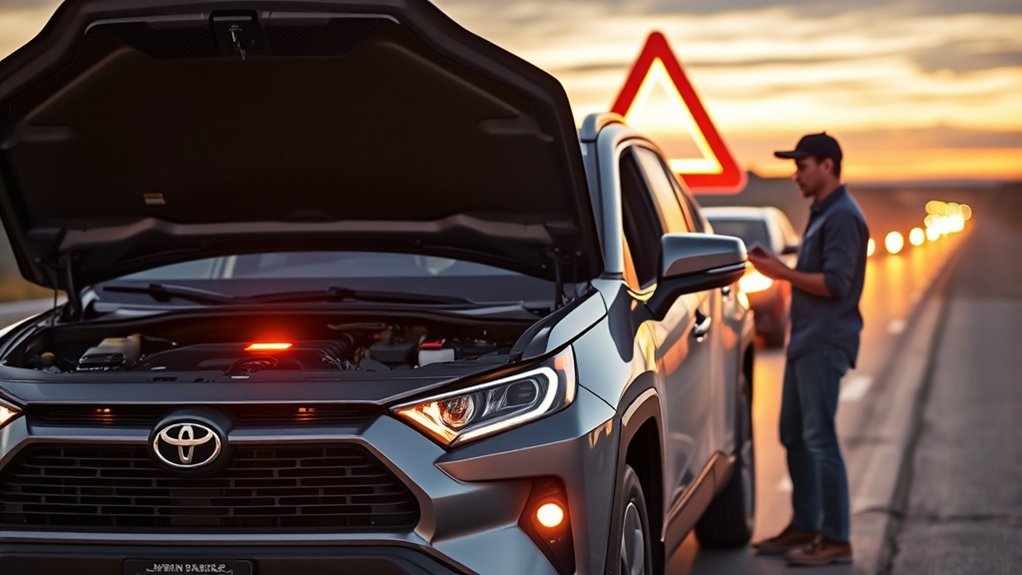
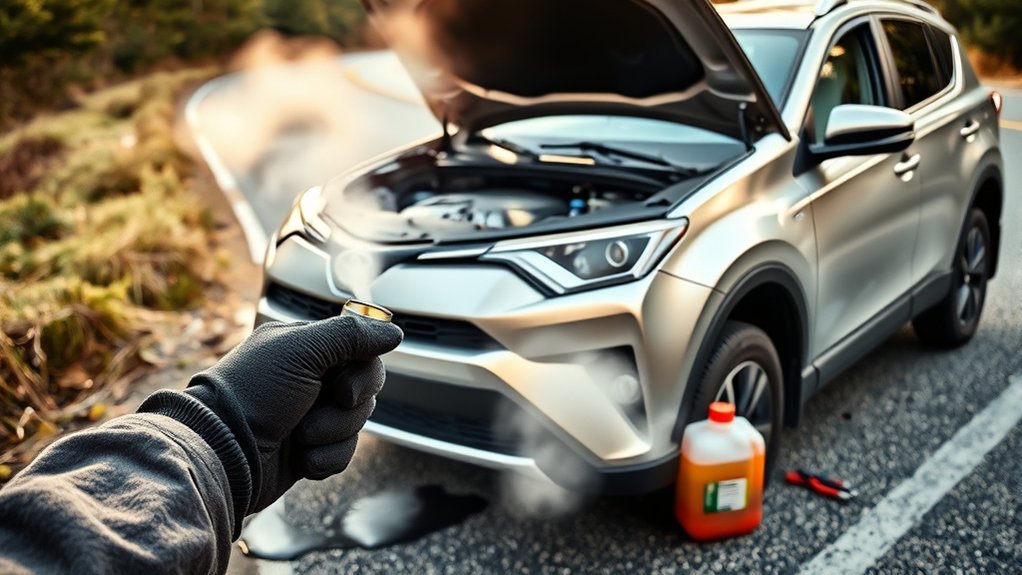
Pull over as soon as it’s safe and keep the engine running while you monitor the temperature gauge and warning light; often the gauge will fall and the indicator will go out once airflow cools the system. You stay calm, watch the engine temperature, and scan for coolant leaks under the vehicle. If the gauge drops and the warning light clears, resume with caution; otherwise shut the engine off to prevent internal damage. If you see steam, turn the engine off immediately and move to a safe distance—steam signals boiling coolant and burn risk. Don’t open the hood or reservoir while hot; pressure can eject scalding fluid. Contact roadside assistance or arrange a tow if temperature remains elevated after a cooling interval. Note observations—visible leaks, smell, or prior warnings—and communicate them to the technician. Regular monitoring and disciplined response let you control outcomes and protect the vehicle and your autonomy on the road.
RAV4 Quick Checks: Coolant, Fans, Hoses, and Caps
When you suspect cooling trouble, start with quick, methodical checks of the coolant level, radiator cap, hoses, and electric fans to isolate common failure points. Verify coolant maintenance by confirming fluid sits between MIN and MAX on the overflow or reservoir; low level is the most common, fixable cause of overheating. With the engine cold, inspect hoses for soft spots, bulges, or seepage at clamps—replace any compromised lines immediately. Test fan functionality by momentarily disconnecting the radiator temperature switch or using a fused 12V lead to command the fan; fans must run at full speed under load. Examine the radiator cap for torn seals, corrosion, or loss of spring tension; a weak cap lowers system pressure and allows boiling. When refilling, use a proper funnel and keep it attached until the thermostat opens to minimize trapped air. These targeted checks free you from guesswork and quickly reveal serviceable faults before they escalate.
Diagnose RAV4 Thermostat, Water Pump, Radiator, and Trapped Air
Start by isolating flow and temperature-control components: check the thermostat, water pump, radiator, and trapped-air symptoms in that order to quickly pinpoint circulation failures. Begin cold: feel upper and lower radiator hoses as the engine warms. If the upper stays cool and the lower stays cool, suspect a stuck-closed thermostat—thermostat symptoms include lack of heater output and rapid temperature rise with no apparent flow. Verify by observing coolant flow at the radiator cap or reservoir when warm (only if safe).
Next, inspect the water pump: look for shaft play, leaks, or a seized impeller that halts coolant flow; spinning pulley while warmed can reveal failure. Examine the radiator for external clogs, internal restriction, and leaks that reduce circulation. Finally, hunt trapped air: bleed the system, watch for reservoir bubbling, and top to spec. Bubbling can also signal head gasket issues, so treat persistent air as a critical symptom demanding further diagnosis.
Repair vs. Replace: Costs, Urgency, and What a Shop Will Test
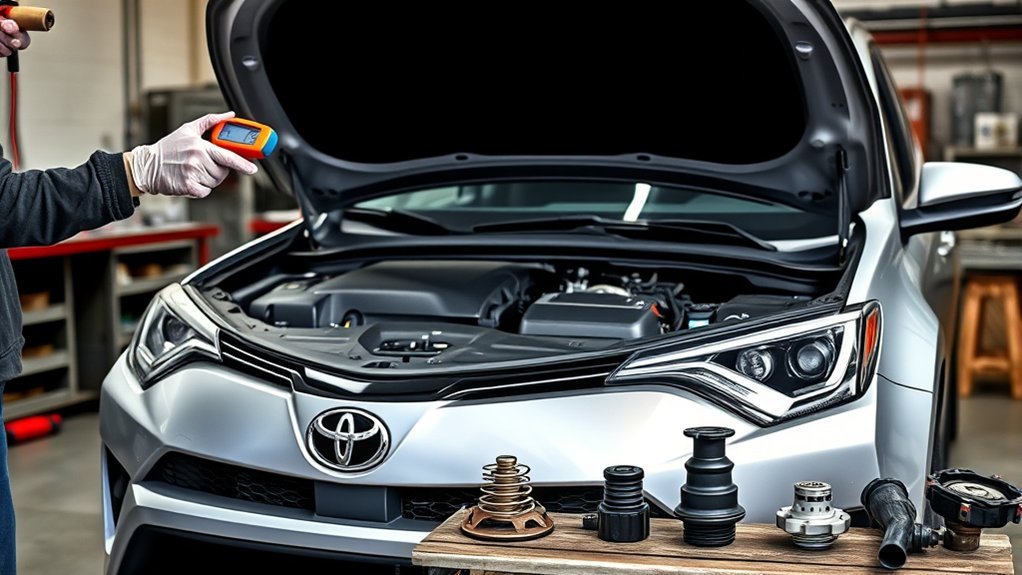
Because overheating can escalate quickly, you should treat any cooling-system symptom as urgent and decide fast whether to repair or replace components. You’ll use targeted repair strategies and a clear cost analysis to free yourself from escalating bills and loss of mobility. A shop will pressure-test the system, inspect hoses for leaks, verify thermostat operation, and bench-test the radiator fan and water pump to determine failure mode.
| Component | Typical Repair Range | Replacement Range |
|---|---|---|
| Thermostat | $150–$300 | $200–$400 |
| Hoses/Leaks | $150–$350 | $200–$500 |
| Water Pump | $200–$500 | $300–$1,000 |
| Radiator Fan | $150–$400 | $300–$700 |
| Engine (if ignored) | N/A | $3,000+ |
Decide by comparing immediate repair cost versus replacement life expectancy and risk. Act fast to avoid catastrophic engine expense and reclaim control of your vehicle.
Preventive Maintenance Checklist to Avoid RAV4 Overheating
After weighing repair versus replacement, you’ll want a short, regular checklist to keep your RAV4 from returning to the shop: Check coolant levels every 15 days and top off with the correct coolant types specified in the owner’s manual. Log each fill so you can spot consumption trends that suggest leaks. Replace coolant every 30,000 miles or every 2 years per the maintenance schedule to retain corrosion inhibitors and boil-over protection. Inspect radiator fins for debris and clean them to preserve airflow; damage or blockage reduces heat transfer. Visually and manually check hoses, clamps, and the radiator for wetness, stains, or bulges; address leaks immediately to prevent abrupt coolant loss. Verify thermostat operation by monitoring warm-up times and consistent idle temperature. Confirm water pump integrity—no noise, no seepage, no overheating under load. Follow this methodical routine to maintain control, reduce dependence on shops, and keep your RAV4 reliable and free.
Frequently Asked Questions
What Are 10 Common Causes of Overheating on a Toyota?
You’ll face coolant leaks, thermostat failure, radiator blockage, water pump issues, blown head gasket, air pockets, fan malfunction, faulty temperature sensor, oil sludge, and excessive engine load; you’ll inspect, repair, and reclaim control.
How Much Does It Cost to Replace a Radiator in a Toyota RAV4?
You’ll pay about $400–$800 for radiator replacement, depending on cost factors like radiator price ($150–$500), labor ($200–$400), and extra parts; get multiple quotes so you’ll secure fair, liberating service choices.
Conclusion
When your RAV4 overheats, act quickly: pull over, shut off the engine, and let it cool before checking coolant level and caps. About 20% of roadside breakdowns are cooling-system related, so diagnosing thermostat, water pump, radiator, fans, hoses, and trapped air methodically prevents repeat failures. You’ll decide repair vs. replace based on leak size, pump bearing play, and thermistor readings. Follow the preventive maintenance checklist to keep temperatures in spec and avoid costly downtime.