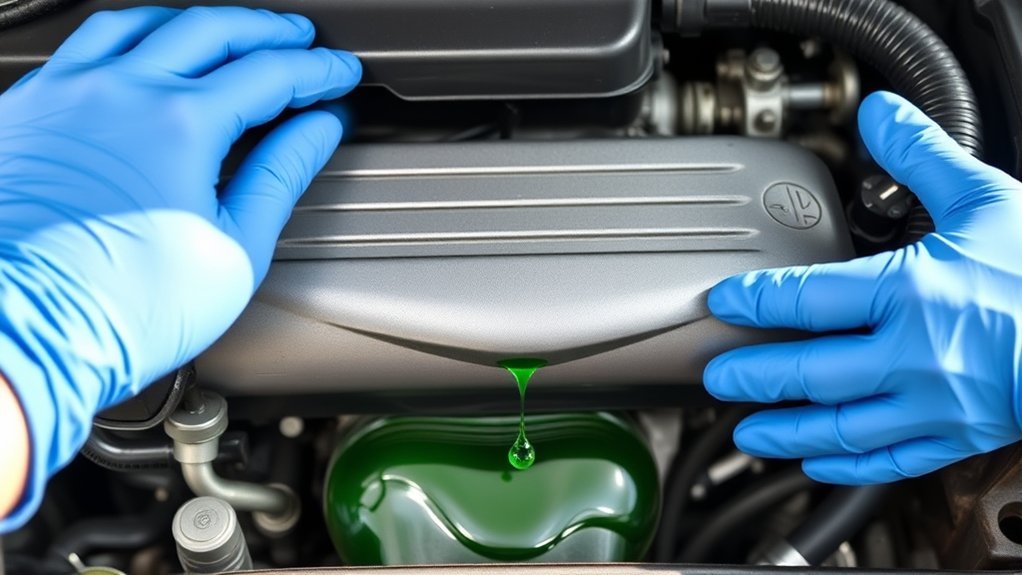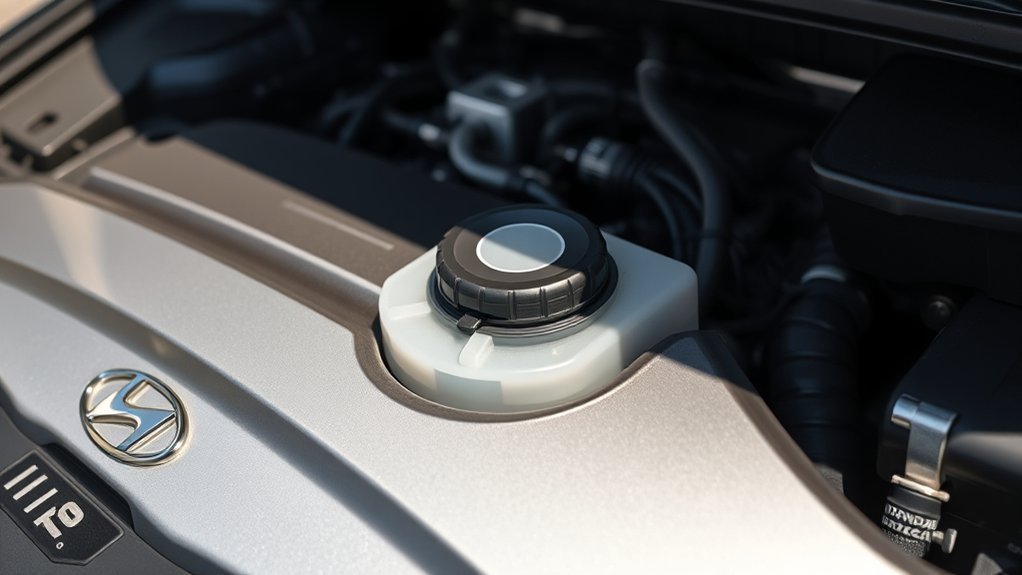
Checking the brake fluid level in your Hyundai Sonata is a quick safety check that can help you catch low fluid, leaks, or contaminated fluid before they affect braking. Park on a level surface, find the brake fluid reservoir under the hood, and confirm the fluid sits between the MIN and MAX marks. If you need to add fluid, use only the brake fluid type listed on your reservoir cap or in your exact Hyundai owner’s manual.
Quick Answer
To check Hyundai Sonata brake fluid, park on level ground, open the hood, locate the translucent brake fluid reservoir near the master cylinder, and read the fluid level against the MIN and MAX marks. If it is low, add the specified fluid only—recent Sonata manuals list DOT-4, but always verify your model year.
Key Takeaways
- The brake fluid level should stay between the MIN and MAX marks on the reservoir.
- Use the exact fluid specified on the reservoir cap or in your Hyundai owner’s manual; recent Sonata manuals specify DOT-4.
- Do not use old brake fluid that has been left open, and never let dirt, water, oil, or the wrong fluid enter the reservoir.
- If the fluid is very low, drops again after topping off, or the brake pedal feels spongy, have the brake system inspected before driving.
At a Glance
| Time Required | 5–10 minutes |
| Difficulty | Beginner |
| Tools Needed | Clean cloth, flashlight, clean funnel if adding fluid, sealed bottle of specified brake fluid |
| Cost | Free to inspect; usually low cost if topping off with the correct fluid |
Understanding the Importance of Brake Fluid Maintenance
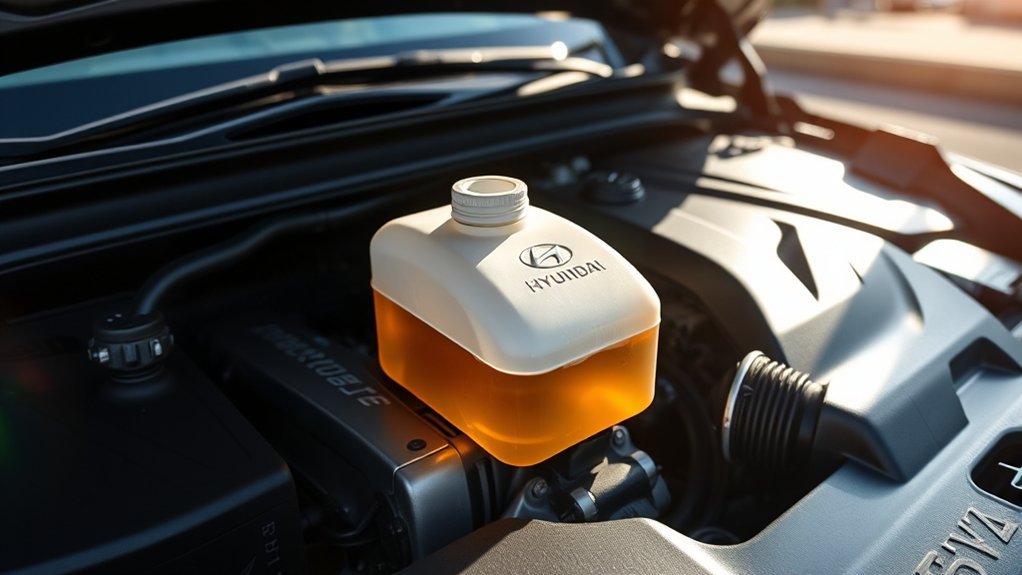
Brake fluid is the hydraulic fluid that helps transfer force from your brake pedal to the brake components at the wheels. When the level is too low, contaminated, or filled with the wrong type of fluid, braking performance can suffer and brake parts can be damaged.
For recent Sonata maintenance guidance, Hyundai lists brake fluid service as an inspection item every 8,000 miles or 12 months and a replacement item every 48,000 miles or 48 months under normal maintenance. Always confirm the schedule for your exact model year in the official Hyundai owner’s manual portal or with your Hyundai dealer.
Warning: Do not ignore a brake warning light, a spongy pedal, fluid below the MIN mark, visible leaks, or brake fluid that keeps dropping after you top it off. These can indicate a brake-system problem that needs inspection before normal driving.
How Often Should You Check Brake Fluid Level?
Hyundai’s owner maintenance guidance says to check the brake fluid level at least once a year, while the Sonata maintenance schedule calls for regular brake fluid inspections at service intervals. A quick owner check once a month is a smart habit, especially before long trips, after brake work, or if the brake warning light comes on.
The level should be between the MIN and MAX marks on the side of the reservoir. If the level is slightly lower than before, that can happen as brake pads wear. If the level is near or below MIN, drops quickly, or needs frequent additions, treat it as a possible leak or brake wear issue instead of simply topping it off again.
How to Find the Brake Fluid Reservoir on a Hyundai Sonata
Open the hood and look toward the rear of the engine bay near the firewall, usually on the driver’s side. The brake fluid reservoir is typically a small translucent plastic tank mounted above or near the brake master cylinder. The cap usually has brake-fluid warning text and the required DOT fluid type.
Note: Sonata layouts vary by model year, engine, and hybrid/non-hybrid configuration. If the reservoir is not obvious, use your exact owner’s manual rather than guessing.
How to Identify Dark Brake Fluid and What It Means
Fresh brake fluid is usually clear to light amber. Fluid that looks very dark, cloudy, sludgy, or full of debris may be old or contaminated. Color alone is not a perfect test, but dark or dirty fluid is a good reason to check your service history and schedule brake fluid service if it is overdue.
Brake fluid can absorb moisture over time once the system or bottle is exposed to air. Moisture lowers boiling performance and can contribute to corrosion inside the hydraulic brake system. That is why you should keep brake fluid clean and dry, use sealed containers, and follow Hyundai’s maintenance schedule.
Recommended Brake Fluid Types for Your Hyundai Sonata
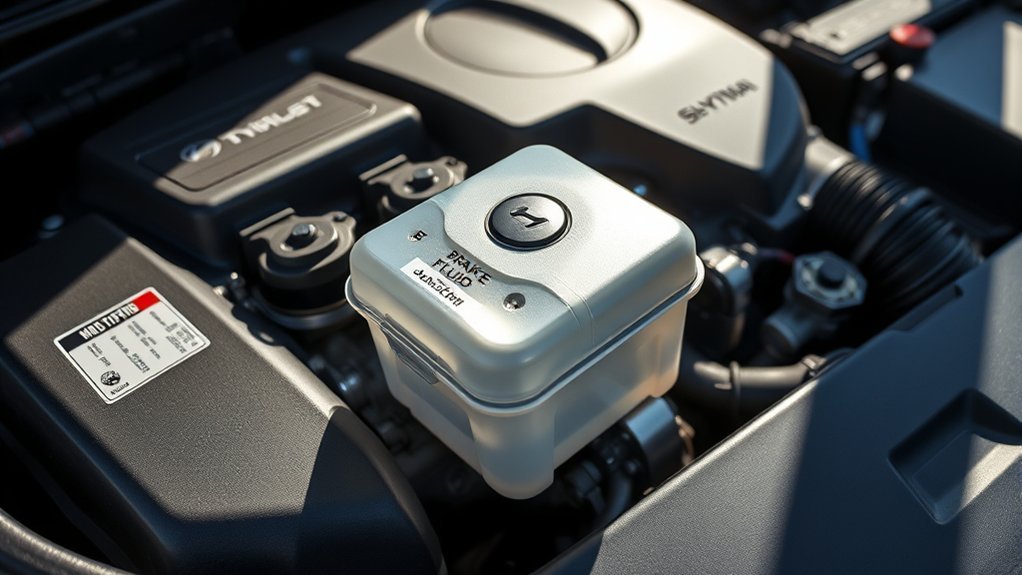
The safest answer is simple: use the brake fluid type printed on your Sonata’s reservoir cap or listed in your exact owner’s manual. Recent Hyundai Sonata owner-manual data specifies DOT-4 brake fluid. Older model years can differ, so do not rely on a generic list or another vehicle’s recommendation.
| Fluid Type | What to Know | Use in a Sonata? |
|---|---|---|
| DOT-3 | Common glycol-based brake fluid used in many vehicles. | Use only if your exact manual or cap specifies it. |
| DOT-4 | Common higher-performance glycol-based brake fluid; recent Sonata manuals specify DOT-4. | Yes, when specified by your manual or reservoir cap. |
| DOT-5 | Silicone-base fluid category; not the same as DOT-5.1. | Do not use unless Hyundai specifically specifies it for your vehicle. |
| DOT-5.1 | Non-silicone DOT category with different performance requirements than DOT-5. | Use only if your exact manual or cap specifies it. |
Pro Tip: Buy a small, sealed bottle of the exact specified brake fluid. Brake fluid absorbs moisture after opening, so an old half-used bottle in the garage is not a good choice for brake service.
[Products Worth Considering]


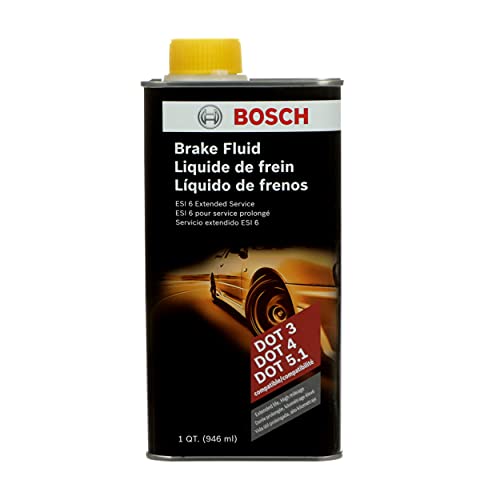
[NEXT GENERATION FLUID] - Bosch ESI6 is a next generation brake fluid designed for today's modern braking systems and is the first fluid to simultaneously combine both low viscosity and high wet boiling point (365 Degrees Fahrenheit)
Step-by-Step Procedure for Checking Brake Fluid Levels
- Park safely. Put your Sonata on a level surface, shift to Park, set the parking brake, and turn the engine off.
- Open the hood. Use a flashlight if needed and locate the brake fluid reservoir near the master cylinder.
- Check the level from the outside. You usually do not need to open the cap just to read the level. Look through the reservoir and compare the fluid to the MIN and MAX marks.
- Inspect the fluid condition. Clear to light amber is normal. Very dark, cloudy, or debris-filled fluid should be serviced.
- Clean before opening. If you must add fluid, wipe the area around the cap first so dirt cannot fall into the reservoir.
- Add only the specified fluid. Use a clean funnel and add fluid slowly until it reaches the MAX mark. Do not overfill.
- Secure the cap. Tighten the reservoir cap, wipe any spills immediately, and confirm the brake pedal feels normal before driving.
Warning: Brake fluid can damage paint and irritate eyes. Avoid splashes, wear eye protection if adding fluid, and rinse any painted surface immediately with plenty of water if fluid spills.
[Products Worth Considering]

Compatible with Hyundai: Fit for Hyundai Accent 1999-2006, Azera 2011-2016, Elantra 2006-2020, Santa Fe 2000-2018, Santa Fe Sport 2013-2018, Santa Fe XL 2019, Sonata 2009-2014, 1998-2005, Sonata Hybrid 2011-2019, Tucson 2015-2021

Replacement Part Number: 58531-2B500 585312B500 58531-07000 5853107000

【Purchase Instructions】 This brake fluid reservoir cap measures 2.46 x 2.46 x 0.46 inches and serves as a direct replacement for OEM part numbers 58531-07000 and 585312B500. Please verify your vehicle's part number, model, and year thoroughly before purchasing to ensure proper fit and functionality.
Safe Techniques for Adding Brake Fluid
Adding brake fluid is simple, but cleanliness matters. Even small amounts of dirt, water, petroleum products, or the wrong fluid can damage the brake system. If you are unsure what fluid to use, stop and verify the specification first.
[Products Worth Considering]


Transmission & Motor Oil Refill: 23 inch long funnel for transmission fluid reaches deep transmission dipstick tubes, narrow oil filler necks, and tight engine bay openings without removing hood components

For hydraulic actuated brake and clutch systems
Use the Proper Fluid Type
Read the reservoir cap and your Hyundai owner’s manual before adding anything. For many recent Sonata models, the correct fluid is DOT-4. Do not mix in DOT-5 silicone fluid, mineral oil, engine oil, power steering fluid, or any unidentified fluid.
Avoid Contamination Risks
Clean the cap and surrounding area before opening the reservoir. Use a clean funnel, open the brake fluid bottle only when you are ready to pour, and close the bottle immediately afterward. Never pour used brake fluid back into the reservoir.
Use Appropriate Tools
A clean cloth, flashlight, and clean funnel are usually enough for an owner-level check. Do not use a dirty funnel that has touched oil, coolant, washer fluid, or fuel. After adding fluid, make sure the cap is sealed tightly to help keep moisture out.
Common Mistakes to Avoid When Handling Brake Fluid
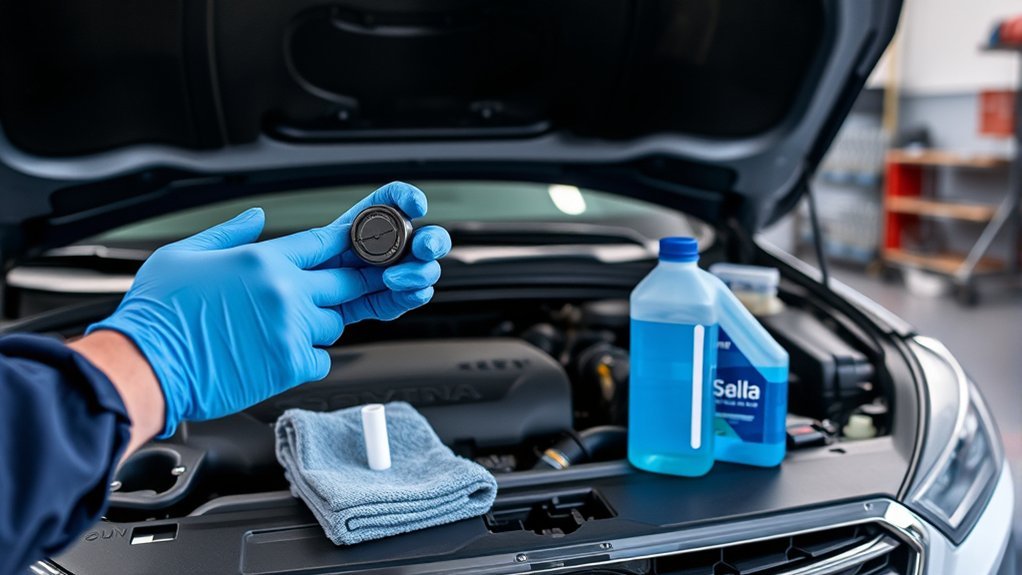
A brake-fluid check is easy, but these mistakes can turn a quick inspection into a safety problem:
- Using the wrong DOT fluid: Always follow your manual or reservoir cap.
- Opening the reservoir unnecessarily: Check the level through the translucent reservoir first.
- Adding fluid repeatedly without inspection: Frequent top-offs can point to a leak or worn brake components.
- Using an old open bottle: Brake fluid exposed to air can absorb moisture.
- Overfilling: Fill only to the MAX mark, not above it.
- Ignoring dark fluid: Dark or dirty fluid should prompt a service-history check and possible fluid replacement.
Troubleshooting Brake System Problems
If your brake fluid check shows a problem, use the symptoms below to decide what to do next. Brakes are safety-critical, so do not guess your way through a suspected leak or warning light.
| Symptom | Possible Cause | Recommended Action |
|---|---|---|
| Fluid below MIN | Pad wear, leak, or overdue service | Add specified fluid only if needed, then inspect for leaks or schedule service. |
| Fluid keeps dropping | Possible hydraulic leak | Do not keep topping off; have the brake system inspected. |
| Spongy brake pedal | Air, moisture, leak, or hydraulic issue | Avoid normal driving and schedule brake diagnosis. |
| Brake warning light | Parking brake, low fluid, or brake-system fault | Confirm the parking brake is released; if the light remains on, inspect fluid and get service. |
| Dark or cloudy fluid | Aged or contaminated fluid | Check service history and replace brake fluid if due or contaminated. |
Low brake fluid is not just a maintenance detail. If it is excessive or recurring, treat it as a possible brake-system leak until proven otherwise.
Helpful Resources for Brake Maintenance Support
Your best resource is the owner’s manual for your exact Sonata model year. Hyundai’s official manual portal lets you select the vehicle and confirm the correct fluid type, maintenance schedule, and reservoir warnings. Hyundai’s maintenance schedule page can also help you confirm when brake fluid inspection or replacement is due.
Video tutorials can be useful for seeing reservoir location, but always verify the fluid type and service interval with Hyundai’s official information, not a generic video or forum post. If the brake warning light is on, the pedal feels abnormal, or the fluid level is repeatedly low, contact an authorized Hyundai dealer or qualified brake technician.
Sources
- Hyundai Owner’s Manual Portal — used to verify that owners should check vehicle-specific manual information.
- Hyundai Normal Maintenance Schedule — supports Sonata brake fluid inspection and replacement intervals.
- Hyundai Brake Fluid Level Guidance — supports MIN/MAX level checks, cap-cleaning, low-fluid warnings, paint warnings, and sealed-fluid guidance.
- Hyundai USA Maintenance Schedule — official Hyundai maintenance-schedule lookup resource.
- 49 CFR § 571.116 Motor Vehicle Brake Fluids — supports DOT brake-fluid performance and labeling standards.
Frequently Asked Questions
What kind of brake fluid does a Hyundai Sonata take?
Use the brake fluid listed on your reservoir cap or in your exact Hyundai Sonata owner’s manual. Recent Sonata manuals specify DOT-4 brake fluid, but older years can vary, so verify before adding fluid.
Can I drive my Sonata if the brake fluid is low?
Do not drive normally if the fluid is below MIN, the brake warning light stays on, the pedal feels spongy, or you see a leak. Add only the specified fluid if needed, then have the brake system inspected.
How often should Hyundai Sonata brake fluid be replaced?
For recent Sonata normal maintenance guidance, brake fluid is inspected every 8,000 miles or 12 months and replaced every 48,000 miles or 48 months. Follow the schedule for your exact model year and driving conditions.
Is dark brake fluid always dangerous?
Dark fluid does not automatically mean immediate brake failure, but it can indicate age or contamination. If the fluid is very dark, cloudy, dirty, or overdue for service, schedule a brake fluid replacement.
Can I mix DOT-3 and DOT-4 brake fluid?
Do not mix fluids as a shortcut. Even when two glycol-based fluids may be chemically compatible, your Sonata should receive the exact specification Hyundai lists for your model year. Never add DOT-5 silicone fluid unless the vehicle specifically requires it.
Conclusion
Checking your Hyundai Sonata brake fluid level is quick, but it is a safety-critical task. Keep the level between MIN and MAX, use only the specified brake fluid from a sealed container, and do not ignore low fluid, repeated top-offs, leaks, warning lights, or a soft brake pedal. A few minutes of careful inspection can help you catch brake problems early and keep your Sonata safer on the road.