The torque converter in a Hyundai Sonata is the automatic transmission component that lets engine power flow smoothly to the transmission while the car is stopped, accelerating, or cruising. When it works correctly, you barely notice it. When it starts failing, you may feel shuddering, delayed engagement, stalling, slipping, higher highway RPM, or rough shifts.
Quick Answer
A Hyundai Sonata torque converter transfers engine power to the automatic transmission through fluid coupling, then uses a lock-up clutch at cruising speeds to reduce slip. Common failure signs include shuddering, stalling, delayed gear engagement, slipping, overheating smells, and diagnostic codes such as P0741 or P0743.
Key Takeaways
- The torque converter acts like an automatic clutch between the Sonata’s engine and transmission.
- Shuddering, stalling when stopping, delayed drive/reverse engagement, or high RPM at highway speed can point to torque converter or transmission-control issues.
- On 2013 Sonata models, trouble codes such as P0741 and P0743 should be diagnosed before replacing major parts.
- A failed solenoid, wiring harness, valve body issue, bad fluid level, worn converter clutch, or internal transmission damage can feel similar from the driver’s seat.
- A stall test is a professional shop procedure, not a safe driveway test.
What Is a Torque Converter and Its Role in the Hyundai Sonata?
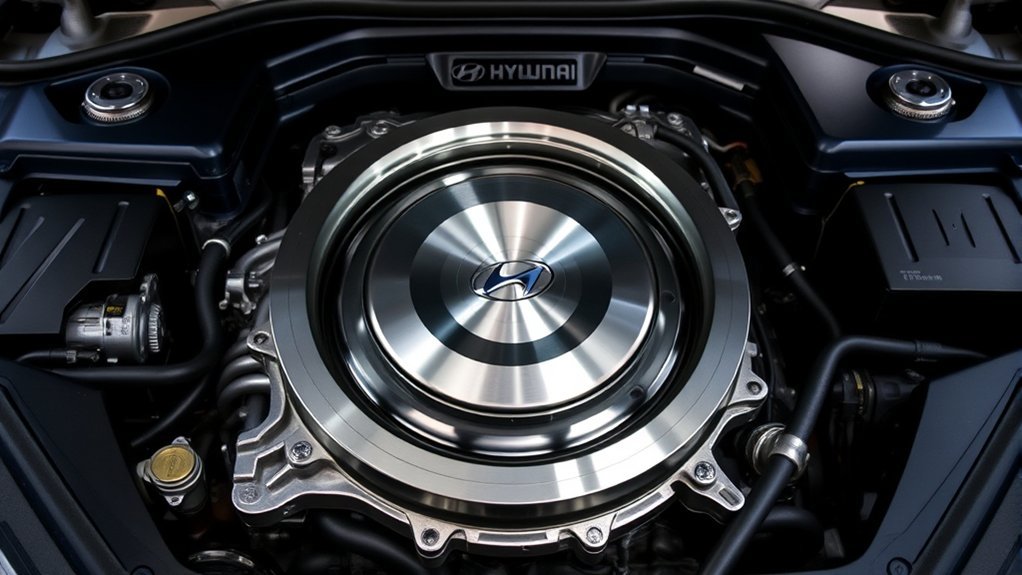
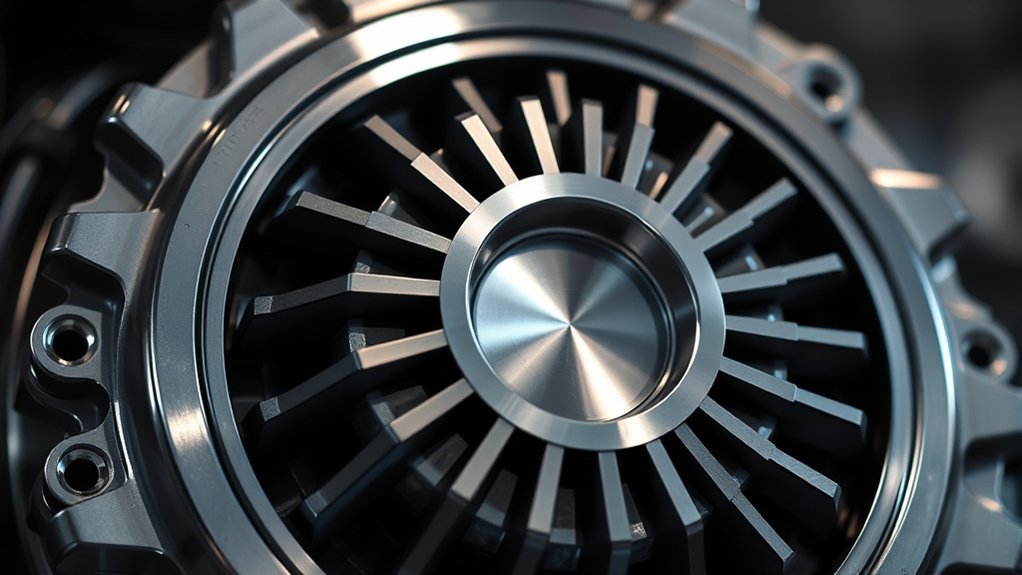
A torque converter is a round, fluid-filled component mounted between the engine and the automatic transmission. In a Hyundai Sonata, it performs the job that a clutch performs in a manual-transmission car, but it does it automatically through transmission fluid and hydraulic pressure.
Its main job is to let the engine keep running while the vehicle is stopped in gear. When you press the accelerator, the converter helps multiply and transfer torque so the Sonata can move away smoothly. Once the vehicle is cruising, the converter’s lock-up clutch can create a more direct connection to reduce slip and improve efficiency.
The exact design depends on the Sonata model year and powertrain, so always confirm specifications and service procedures through your Hyundai owner resources or a repair manual matched to your VIN.
How a Torque Converter Enhances Performance and Efficiency
A healthy torque converter makes an automatic Sonata feel smooth at low speeds and more efficient at steady cruising speeds. It does this with a few key parts working together.
Torque Converter Functionality Explained
| Component | What It Does | Why It Matters |
|---|---|---|
| Pump/Impeller | Spins with the engine and moves transmission fluid | Starts the hydraulic power transfer |
| Turbine | Receives fluid force and turns the transmission input | Moves power into the transmission |
| Stator | Redirects fluid flow inside the converter | Helps multiply torque during launch |
| Lock-Up Clutch | Creates a direct connection during steady cruising | Reduces slip, heat, and wasted energy |
| TCC Solenoid | Controls lock-up clutch apply/release through the valve body | A fault can trigger drivability issues or codes |
Impact on Fuel Efficiency
A torque converter naturally allows some slip because it transfers power through fluid. That slip is useful at idle and low speed, but it wastes energy at steady cruising speed. A lock-up clutch reduces that loss by mechanically linking the engine and transmission more directly.
This can improve efficiency, but the amount varies by driving conditions, transmission design, vehicle load, fluid condition, and whether the lock-up clutch is operating correctly. Government fuel-efficiency resources explain that advanced transmission designs help engines operate more efficiently, and older educational material notes that converter slip can waste engine output before lock-up reduces that loss.
A lock-up clutch is best understood as an efficiency feature, not a guaranteed fuel-economy percentage. If your Sonata’s RPM is unusually high at highway speed, the lock-up system deserves inspection.
Common Issues and Solutions
Torque converter problems can overlap with other transmission issues, so diagnosis matters. A shudder under light throttle may feel like a failing converter clutch, but low fluid, wrong fluid, valve body wear, solenoid faults, wiring problems, engine misfire, or internal transmission wear can create similar symptoms.
| Symptom | Possible Cause | Best Next Step |
|---|---|---|
| Shudder at 35–55 mph | Converter clutch slip, fluid issue, or misfire | Scan for codes and road-test with live data |
| Stalls when stopping | Converter clutch not releasing, idle issue, or engine fault | Stop driving if unsafe and get a diagnosis |
| Delayed Drive or Reverse | Low fluid, pressure loss, valve body, or internal wear | Check fluid level procedure and pressure data |
| High RPM at cruise | Lock-up clutch not applying or transmission slip | Check for P0741, P0743, and related codes |
| Burning smell or overheating | Excessive slip or fluid overheating | Avoid continued driving and inspect immediately |
Warning: If the Sonata stalls in traffic, slips badly, smells like burnt fluid, will not move normally, or goes into limp mode, do not keep driving it to “see if it clears up.” Continued driving can turn a small hydraulic or solenoid problem into internal transmission damage.
Identifying Torque Converter Problems in the 2013 Sonata
The 2013 Hyundai Sonata can show torque-converter-related symptoms such as shuddering, stalling when coming to a stop, rough engagement, or abnormal highway RPM. However, those symptoms are not enough to condemn the torque converter by themselves.
The first step is a full scan of the engine and automatic-transmission control modules. Codes such as P0741 and P0743 are especially relevant because they relate to the torque converter clutch system and torque converter control circuit. Hyundai service bulletin material filed with NHTSA outlines diagnostic paths for automatic-transaxle solenoid DTCs, including P0741 and P0743.
At a Glance
| Time Required | 30–90 minutes for initial scan and road test; longer for internal transmission checks |
| Difficulty | Intermediate for basic scanning; professional for stall tests, valve body work, or converter replacement |
| Tools Needed | OBD-II scanner with transmission data, lift or safe shop setup, fluid-temperature reading, service information |
| Cost | A diagnostic fee first; repair can range from fluid/service work to solenoid, converter, valve body, or transmission replacement |
Common Symptoms Experienced
| Symptom | What You May Notice | Why It Matters |
|---|---|---|
| Stalling | Engine stalls when stopping or shifting into gear | The converter clutch may not be releasing, but idle or engine faults must also be ruled out |
| Rough idle in gear | Vibration or lugging while stopped in Drive | Can feel like converter drag, engine misfire, or mount wear |
| Erratic gear engagement | Harsh, delayed, or inconsistent Drive/Reverse engagement | May indicate hydraulic pressure, valve body, solenoid, or internal wear |
| Shudder | Vibration during light acceleration or cruise | Common converter-clutch complaint, but fluid and misfire checks are needed |
| Reduced fuel economy | Higher RPM or more fuel use at highway speed | The lock-up clutch may not be applying correctly |
Diagnostic Process Explained
A careful diagnosis usually includes these steps:
- Scan all modules: Record engine and transmission codes before clearing anything.
- Check freeze-frame and live data: Look at torque converter clutch command, slip speed, gear ratio, fluid temperature, and engine misfire data.
- Inspect leaks and fluid history: The 2013 Sonata automatic transaxle fluid is not judged by color alone, and the level check must follow the correct temperature and plug procedure.
- Check wiring and connectors: Solenoid-related codes can come from the solenoid, harness, connector, or control circuit.
- Road-test under controlled conditions: A technician should confirm when the symptom occurs: cold, hot, light throttle, stop-and-go, or highway cruise.
- Perform shop-only tests if needed: A stall test or hydraulic-pressure test should be done only by a trained technician with the proper safety setup.
Note: A generic parts-store scan may show only powertrain codes. For transmission diagnosis, use a scan tool that can read Hyundai automatic-transmission data, solenoid commands, and torque converter slip information.
Repair Options Available
The right repair depends on the diagnosis, not the symptom alone. A Sonata that shudders at cruise may need a different repair than one that has a hard electrical solenoid code.
| Finding | Likely Repair Path | Transmission Replacement Needed? |
|---|---|---|
| Incorrect fluid level or service history | Correct fluid-level procedure, inspect for leaks, service if required | Usually no, unless damage already occurred |
| P0743 or related solenoid circuit issue | Inspect wiring, connector, solenoid, and valve body harness | Not always; follow service information |
| Converter clutch shudder with no electrical fault | Confirm fluid, slip data, and converter clutch behavior | Converter or transmission repair may be needed |
| Failed stall test or internal slip | Internal transmission diagnosis | Possible |
| Metal debris or burnt fluid | Internal inspection and overhaul/replacement estimate | Often possible or likely |
Diagnosing Torque Converter Issues: What Mechanics Look For
When a mechanic checks a suspected torque converter problem, the goal is to separate the converter from everything that can mimic it. A good diagnosis usually looks at:
- Diagnostic trouble codes: P0741, P0743, pressure-control codes, shift-solenoid codes, and engine misfire codes can all matter.
- Torque converter slip data: The technician compares commanded lock-up with actual slip speed.
- Fluid temperature and level: Many Hyundai automatic transmissions require a temperature-specific level check, not a simple dipstick check.
- Harness and connector condition: Electrical faults can imitate a bad solenoid.
- Valve body operation: A sticking valve or pressure-control issue can affect converter clutch apply and release.
- Stall-test results: This test helps evaluate internal transmission holding ability, but it must be performed with the exact safety procedure.
Pro Tip: Ask the shop for the actual code numbers, live-data findings, and the reason they recommend a converter, solenoid, valve body, or full transmission. A clear diagnosis should explain why cheaper causes were ruled out.
Comparing Repair Options: Torque Converter Replacement vs. Full Transmission Replacement
A torque converter replacement is usually less extensive than replacing the full transmission, but it is still a major job because the transmission must typically be removed or separated from the engine. That is why a confirmed diagnosis matters before authorizing the repair.
A torque converter replacement may make sense when the converter clutch is confirmed to be the problem and there is no strong evidence of internal transmission damage. A solenoid or valve body repair may make sense when scan data and service information point to a control fault. A full transmission replacement or rebuild may be necessary when there is internal slip, heavy debris, failed clutch packs, or repeated code return after proper repairs.
| Option | Best When | Main Risk |
|---|---|---|
| Fluid-level correction or service | Fluid level/service condition is the main issue | Will not fix worn hard parts |
| Solenoid/harness repair | Electrical or solenoid DTC is confirmed | Wrong diagnosis can leave the symptom unchanged |
| Torque converter replacement | Converter clutch failure is confirmed | Internal debris may damage the new converter |
| Valve body repair/replacement | Hydraulic control problem is confirmed | May not fix damaged internal clutches |
| Transmission rebuild/replacement | Internal slip, failed stall test, debris, or repeated failure is present | Highest cost, so diagnosis must be solid |
Choosing the Right Mechanic for Your Sonata
For a Hyundai Sonata torque converter concern, choose a shop that regularly diagnoses automatic transmissions rather than one that only swaps parts. Before approving work, ask:
- What codes were stored? Ask for the exact DTCs, not just “transmission code.”
- Was live torque converter slip data checked? This helps prove whether the clutch is applying and releasing.
- Was the fluid level checked using the correct Hyundai procedure? Many models require a temperature-based check.
- Was the harness inspected? Wiring and connector problems can look like solenoid failure.
- Is there debris in the pan? Metal or clutch material changes the repair decision.
- What happens if the code returns? A good estimate explains the next diagnostic step.
It is also smart to check open recalls or safety campaigns through the NHTSA 2013 Hyundai Sonata vehicle page or by using your VIN on NHTSA’s recall lookup tool.
Maintaining Your Torque Converter for Longevity and Reliability
The best way to protect the torque converter is to protect the automatic transmission as a system. Use the correct Hyundai-approved automatic transmission fluid, repair leaks quickly, and follow the maintenance schedule for your exact model year and driving conditions.
For 2013 Sonata owner-manual guidance, automatic transaxle fluid is not normally checked under normal usage conditions. Under severe conditions, the manual text directs that the fluid be changed by an authorized Hyundai dealer according to the scheduled maintenance section. It also notes that darker fluid color alone is not a reliable reason to replace the fluid.
Severe use can include repeated short trips, hot heavy city traffic, mountain driving, rough roads, taxi/commercial operation, or towing where applicable. If your driving fits those conditions, ask a Hyundai dealer or transmission specialist to confirm the correct service interval and fluid specification for your VIN.
Note: Avoid “miracle” additives or cleaners unless the product is specifically approved for your transmission and repair goal. A slipping converter clutch or solenoid DTC needs diagnosis, not guesswork.
Frequently Asked Questions
Do Hyundai Sonatas have transmission issues?
Some Hyundai Sonata models can develop transmission or torque-converter-related problems, but symptoms should not be diagnosed by guesswork. Stalling, shuddering, slipping, or delayed engagement can come from fluid level, solenoids, wiring, valve body faults, torque converter wear, engine issues, or internal transmission damage.
What are the most common Hyundai Sonata torque converter symptoms?
Common signs include shuddering during light acceleration, stalling when coming to a stop, delayed Drive or Reverse engagement, slipping, high RPM at highway speed, rough shifts, reduced fuel economy, and codes such as P0741 or P0743.
Can I drive with a bad torque converter?
Do not keep driving if the car stalls, slips badly, overheats, smells like burnt fluid, or will not move normally. Light intermittent shudder should still be checked soon because converter slip can create heat and may damage the transmission.
Does a P0741 code mean I need a new torque converter?
Not automatically. P0741 points to a torque converter clutch system problem, but the cause can be the converter, solenoid control, valve body, wiring, fluid condition, or internal transmission wear. A technician should check service information, live data, and related codes before recommending parts.
Should I replace the torque converter or the whole transmission?
Replace only what the diagnosis proves is faulty. A solenoid or harness issue may not require a full transmission. A confirmed converter clutch failure may justify converter replacement. Internal slip, debris, failed clutch packs, or a failed stall test may point toward rebuild or replacement.
Conclusion
Your Hyundai Sonata’s torque converter is essential for smooth launches, stable cruising, and efficient automatic-transmission operation. If you notice shuddering, stalling, delayed engagement, high RPM, or transmission codes, do not jump straight to the most expensive repair. Start with a proper scan, fluid-level verification, live-data road test, and wiring or solenoid inspection. With the right diagnosis, you can avoid unnecessary parts replacement and protect the transmission from further damage.
Sources
- Hyundai USA Manuals & Warranties — official Hyundai owner manual and warranty resource access.
- 2013 Hyundai Sonata Owner’s Manual text — automatic transaxle fluid normal-use and severe-use guidance.
- NHTSA-hosted Hyundai TSB 12-AT-016-1 — automatic transaxle solenoid DTC procedures including P0741 and P0743.
- NHTSA 2013 Hyundai Sonata vehicle page — recall and safety-campaign lookup reference.
- FuelEconomy.gov Advanced Transmission Technologies — transmission efficiency background.
- Louisiana Department of Natural Resources: Torque Converters and Fuel Economy — torque-converter slip and lock-up efficiency explanation.