In the Hyundai Sonata, you’ll find both direct and indirect Tire Pressure Monitoring Systems (TPMS). Direct TPMS uses individual sensors for real-time tire pressure readings, enhancing safety and fuel efficiency. Indirect TPMS, on the other hand, relies on wheel speed sensors to gauge pressure changes, making it more cost-effective. Understanding these differences helps you maintain your vehicle’s performance and safety. Let’s explore how to identify which system your Sonata has and the best maintenance tips for it.
What Is Direct TPMS and How Does It Work in the Hyundai Sonata?

Direct Tire Pressure Monitoring System (TPMS) is an essential feature in the Hyundai Sonata, designed to keep you informed about your tire pressure in real-time. This system employs sensors installed in each tire, providing accurate readings within 1 PSI. You’ll appreciate how the dashboard displays these real-time metrics, enhancing your awareness and safety on the road.
With its superior sensor functionality, Direct TPMS captures 59% of the market, outperforming indirect systems with its precision. You can rely on immediate pressure alerts, which can prevent dangerous under-inflation and improve fuel efficiency by 3%-5%. Proper maintenance is key; these sensors typically last 5-10 years or about 100,000 miles. By keeping an eye on your tire pressure, you’ll not only extend tire life by up to 15% but also liberate yourself from the worries of unexpected tire issues. Stay informed, stay safe, and enjoy the drive!
How Does Indirect TPMS Work: What You Should Know?
Indirect TPMS uses wheel speed sensors in the ABS to monitor tire pressure by comparing the rotation speeds of each tire. While it has some advantages, like being less complex than direct systems, it also has limitations, especially in accuracy and performance under certain conditions. Understanding how this system operates can help you make informed decisions about your Hyundai Sonata’s tire maintenance.
How It Operates
Understanding how the Indirect Tire Pressure Monitoring System (TPMS) works is vital for maintaining your Hyundai Sonata’s safety and performance. This system utilizes wheel speed sensors from your ABS to monitor tire pressure based on rotational speed differences. Here’s how it operates:
- Speed Comparison: It checks each tire’s speed for discrepancies, signaling under-inflation.
- Dashboard Alert: If it detects a difference, it triggers a warning light to keep you informed.
- Calibration Necessity: After a tire rotation or replacement, proper pressure calibration is essential for accurate monitoring.
While this system is cost-effective and easy to install, remember it may not catch gradual pressure loss as effectively as Direct TPMS. Stay proactive to guarantee the best driving conditions!
Key Advantages
While some systems offer real-time pressure readings, the indirect TPMS in your Hyundai Sonata has several key advantages that enhance your driving experience. This system utilizes wheel speed sensors to monitor tire pressure by comparing the rotational speed of each tire, which helps detect low pressure effectively. Since it relies on existing ABS components, it’s cost-effective and demands less maintenance—no sensors inside the tires means fewer potential failures. Though it doesn’t provide real-time feedback, it promotes tire safety awareness and encourages you to stay diligent about regular tire maintenance. Plus, the need for manual recalibration after tire changes guarantees you remain engaged in your vehicle’s upkeep, ultimately contributing to your overall driving safety.
Limitations Explained
The indirect TPMS in your Hyundai Sonata, while cost-effective and easy to maintain, comes with notable limitations that you should be aware of. Here are three key concerns regarding tire pressure monitoring:
- Delayed Detection: It primarily relies on wheel speed sensors, making it less effective at detecting gradual pressure loss, which can lead to safety concerns.
- Manual Recalibration: After tire rotation or replacement, you need to manually recalibrate the system, adding an extra step to your maintenance routine.
- Lack of Real-Time Data: Unlike direct TPMS, it doesn’t provide real-time pressure data for each tire, limiting your ability to respond promptly to potential issues.
Understanding these limitations can empower you to take proactive steps in ensuring your safety on the road.
Comparing Direct and Indirect TPMS: Key Features and Differences
When comparing Direct and Indirect TPMS in your Hyundai Sonata, you’ll notice key differences in sensor technology and monitoring accuracy. Direct TPMS uses dedicated sensors in each tire for real-time pressure readings, while Indirect TPMS relies on wheel speed sensors that can miss gradual changes. Understanding these distinctions can help you appreciate the benefits of each system and make informed decisions for your vehicle.
Sensor Technology Differences
Understanding the differences between Direct and Indirect Tire Pressure Monitoring Systems (TPMS) is essential for every Hyundai Sonata owner.
- Direct TPMS: Uses individual sensors, offering real-time pressure readings with a sensor accuracy of 1 PSI.
- Indirect TPMS: Relies on ABS wheel speed sensors, detecting pressure changes based on tire rotation differences, but struggles with gradual pressure loss.
- Maintenance Requirements: Direct TPMS requires sensor upkeep and battery replacement every 3-7 years, while Indirect TPMS utilizes existing components, making it cheaper and easier to install.
Choosing between these systems affects your Sonata’s safety and performance. The precision of Direct TPMS not only empowers you with exact tire pressures but also enhances your driving confidence.
Monitoring and Accuracy
Monitoring tire pressure accurately can greatly impact your Hyundai Sonata’s performance and safety. With Direct TPMS, you get real-time pressure readings for each tire, ensuring accuracy within 1 PSI. This system not only enhances tire maintenance but also makes it easy to detect issues before they escalate. In contrast, Indirect TPMS relies on wheel speed sensors, inferring pressure changes that can lead to inaccuracies. While it provides a warning light, you miss out on specific pressure data. By opting for Direct TPMS, you can improve fuel efficiency by 3%-5% and extend tire life by up to 15%. Choosing the right system is essential for effective pressure monitoring and keeping your Sonata in top shape.
How to Identify the TPMS Type in Your Hyundai Sonata?
Curious about how to identify the TPMS type in your Hyundai Sonata? Knowing your system can enhance your tire pressure management and overall system reliability. Here’s how to pinpoint whether you have a Direct or Indirect TPMS:
Identifying your Hyundai Sonata’s TPMS type can improve tire management and system reliability. Here’s how to tell if it’s Direct or Indirect.
- Dashboard Display: Look for individual tire pressure readings on your dashboard. If you see them, you likely have a Direct TPMS.
- Valve Stems: Inspect your tire valve stems. Metal stems usually indicate a Direct TPMS, while rubber ones suggest an Indirect TPMS.
- ABS Sensors: If your Sonata relies on ABS wheel speed sensors without dedicated pressure sensors, it’s equipped with an Indirect TPMS.
Don’t forget to consult your owner’s manual or your dealer for confirmation. Understanding your TPMS type is crucial, as Direct TPMS offers real-time pressure data, while Indirect TPMS only alerts you to pressure discrepancies.
Common TPMS Issues and Solutions
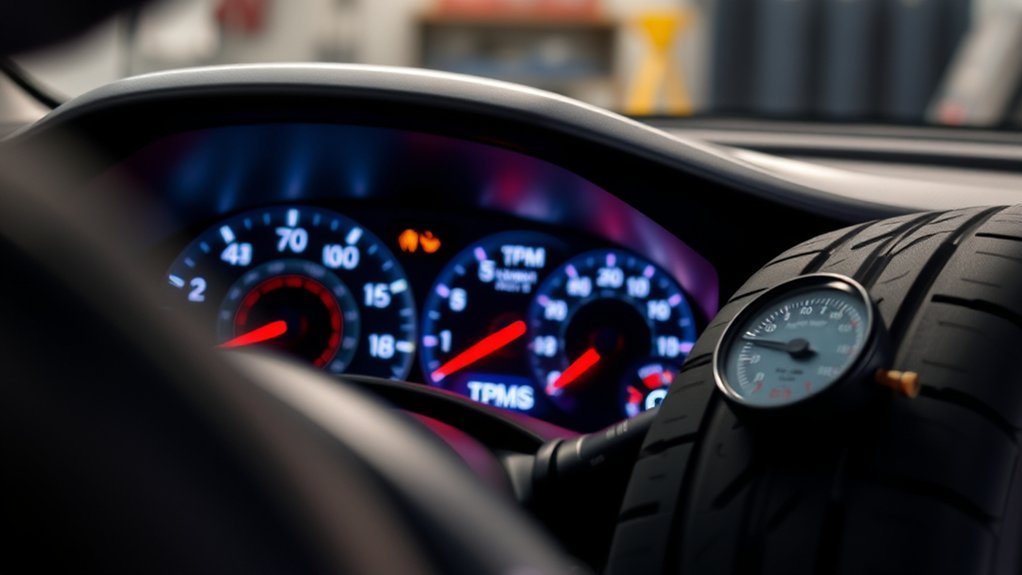
While many Hyundai Sonata owners appreciate the benefits of Tire Pressure Monitoring Systems (TPMS), they often encounter common issues that can disrupt performance. One significant problem is sensor battery failure in Direct TPMS, typically occurring after 3-7 years. This can cause your TPMS light to stay on, even when tire pressure is adequate. For Indirect TPMS, recalibration is essential after tire rotations or replacement to guarantee accuracy, as it may not detect gradual pressure loss effectively.
Temperature fluctuations can also trigger false alerts; a drop of 10 degrees can lead to a loss of 1-2 PSI. To combat these issues, consider using TPMS troubleshooting tips, like regularly checking tire pressure and maintaining your system. If your sensors are nearing the end of their lifespan, refer to a sensor replacement guide to guarantee your system remains reliable. Regular maintenance can enhance performance and keep you safe on the road.
The Importance of Proper Tire Pressure for Safety and Performance
Proper tire pressure is vital for both safety and performance in your Hyundai Sonata. When you keep your tires properly inflated, you not only enhance your driving experience but also guarantee your safety on the road. Here are three key benefits:
Proper tire pressure ensures safety and performance in your Hyundai Sonata, enhancing your driving experience on the road.
- Extended Tire Life: Proper inflation can reduce tire wear by up to 15%, saving you money on replacements.
- Improved Fuel Efficiency: You can save 3%-5% on fuel costs, allowing you to drive further without breaking the bank.
- Enhanced Safety: Well-inflated tires improve handling and braking, considerably reducing the risk of blowouts and accidents.
With every 10-degree temperature change, tire pressure can drop by 1-2 PSI, making regular checks important. By maintaining the right tire pressure, you’ll enjoy a smoother ride and contribute to safer roads for everyone. Take control of your driving experience and embrace the freedom that comes with proper tire maintenance!
Expert Maintenance Tips for Your Hyundai Sonata’s TPMS
Maintaining your Hyundai Sonata’s Tire Pressure Monitoring System (TPMS) is essential for ensuring safety and peak performance. Start by regularly checking your tire pressure according to the specifications on the driver’s side door placard. This simple step can extend your tire life by 15%. If your TPMS light is solid, it indicates low pressure, while a flashing light signals a more serious issue. If the light stays on after correcting the pressure, you may need to contemplate sensor replacement strategies, as it could indicate a failed sensor. To recalibrate your TPMS, take your Sonata for a drive over 50 mph for 10-15 minutes after making adjustments. For persistent issues, utilize an OBD-II scanner for advanced troubleshooting; it’s more effective than visual inspections. Following these TPMS maintenance tips will help you stay safe and keep your Sonata performing at its best.
Frequently Asked Questions
Is Direct or Indirect TPMS Better?
Direct TPMS is better for its accuracy and real-time monitoring. You’ll enjoy peace of mind knowing your sensors require less maintenance, helping you maintain ideal tire pressure, enhance safety, and save on fuel costs.
What Is the TPMS on a Hyundai Sonata?
Did you know that your Hyundai Sonata’s TPMS can detect pressure changes within 1 PSI? This advanced system uses sensor types for real-time pressure monitoring, ensuring your tires stay safe and properly inflated on every drive.
Conclusion
In the world of tire monitoring, understanding whether your Hyundai Sonata uses direct or indirect TPMS is like knowing the difference between a compass and a map—they both guide you, but in unique ways. By grasping their features and functions, you can guarantee your vehicle runs smoothly and safely. Regular maintenance and awareness of your TPMS type will keep your tires in great shape, ultimately enhancing your driving experience and performance on the road.