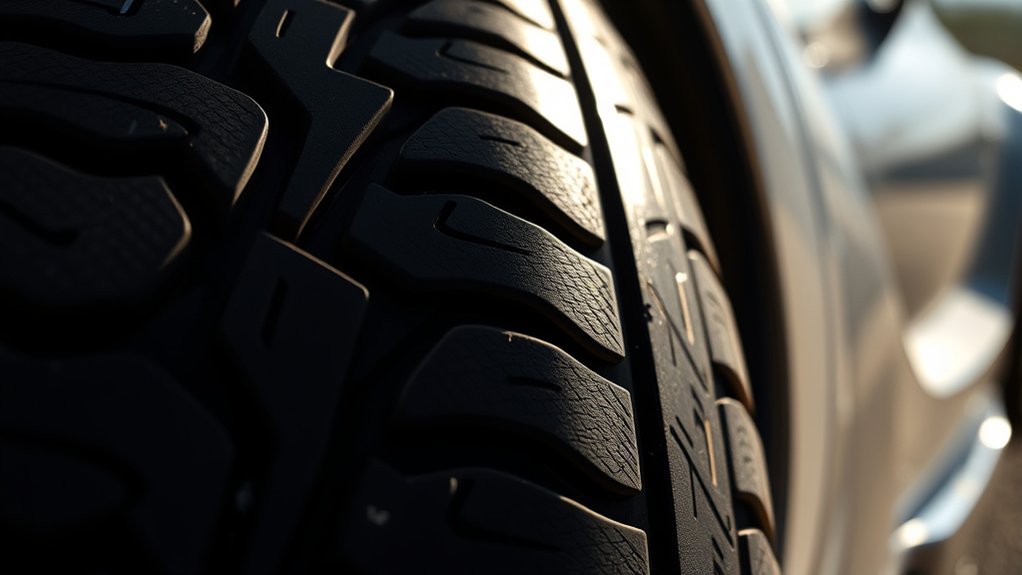
Understanding tire wear patterns on your Toyota Supra is essential for your vehicle’s performance. Look for signs like patchy wear, vibrations, or pulling to one side, which indicate alignment or suspension issues. Unchecked tire pressure can lead to uneven wear, influenced by your driving habits. Regular maintenance, including tire rotations and pressure checks, is key to prolonging tire life. Keep an eye out for solutions to specific wear issues that can enhance your safety and comfort on the road.
Recognizing the Signs of Tire Wear Patterns
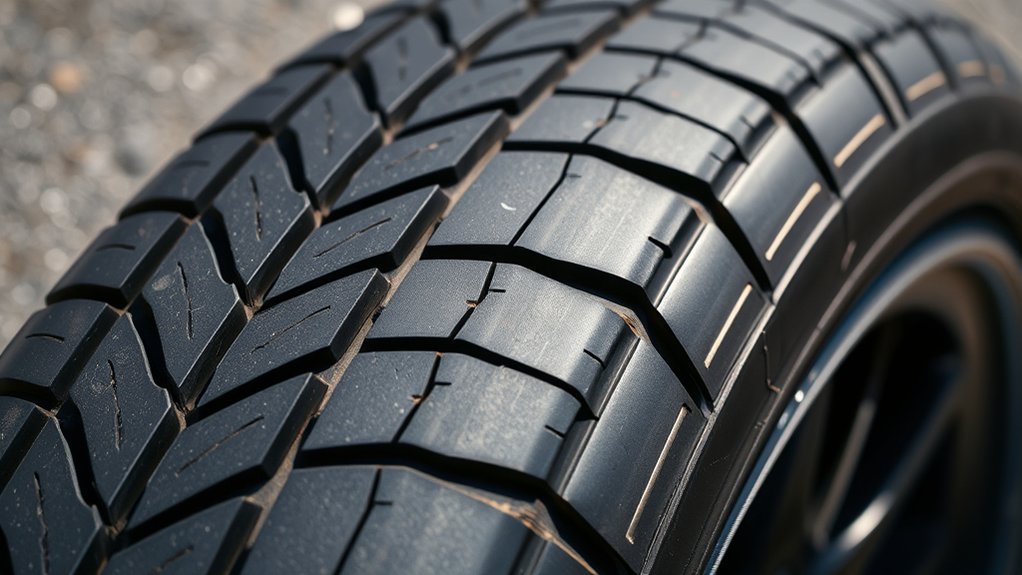
How can you tell if your Toyota Supra’s tires are wearing unevenly? Start with visual inspections, looking for patchy wear or excessive wear on one side—these are clear signs of misalignment or suspension issues. Regularly check tire pressure, as underinflation can lead to faster wear on the outer edges, while overinflation causes quicker center wear. If you notice vibrations or your car pulling to one side, it’s time for wear pattern identification. Use a tread depth gauge; anything below 2/32nds of an inch means your tires are nearing their end. Implement tire inspection tips like rotating your tires every 5,000 to 7,000 miles to achieve even wear, prolonging lifespan and enhancing your driving experience.
What Causes Uneven Tire Wear on a Toyota Supra?
Uneven tire wear on your Toyota Supra can stem from several key factors, each impacting performance and safety. Incorrect toe alignment often causes one side of the tire to wear faster. Excessive camber settings, especially on lowered models, lead to inner shoulder wear. Your driving styles matter too; frequent curvy roads increase lateral forces, worsening uneven patterns. Neglected tire pressure, ideally between 36-39 psi, also exacerbates wear: underinflation affects outer edges, while overinflation wears the tread center. Finally, suspension issues like worn shocks disrupt tire-road contact, resulting in cupping or edge wear.
| Factor | Effect on Tire Wear |
|---|---|
| Toe Alignment | Uneven wear on one side |
| Camber Settings | Inner shoulder wear |
| Driving Styles | Increased lateral wear |
Why Regular Tire Maintenance Is Crucial
Regular tire maintenance isn’t just a good idea; it’s essential for your safety and your vehicle’s performance. By checking tire pressure, ensuring proper alignment, and conducting routine inspections, you can prevent uneven wear and extend tire life. Staying proactive with these practices keeps your Toyota Supra handling smoothly and safely on the road.
Importance Of Tire Pressure
While you might overlook tire pressure during routine maintenance, it plays an essential role in your Toyota Supra’s performance and safety. Maintaining the recommended tire pressure—typically between 36-39 psi—prevents uneven tire wear and guarantees peak road contact. Underinflated tires wear faster on the edges, increasing the risk of blowouts, while overinflated tires compromise traction and comfort. Regular pressure checks not only enhance fuel efficiency by up to 3% but also extend tire lifespan, saving you money in the long run. Remember, seasonal changes can affect pressure; a 10°F drop can reduce it by about 1 psi. Prioritizing tire pressure means improved handling and stability, guaranteeing a safer, more liberating driving experience.
Alignment Adjustments Matter
If you want to keep your Toyota Supra performing at its best, paying attention to alignment adjustments is important. Regular alignment checks prevent uneven tire wear, sparing you from frustrating feather edging and patchy patterns. Proper toe angles matter; even slight misalignments can wear the inner shoulders faster than you’d like. After lowering your Supra with coilovers, rechecking those alignment settings is essential to accommodate changes in camber and ride height. Tire rotation every 5,000 to 7,000 miles guarantees even wear, especially if you’re pushing your performance limits. Plus, consistently monitoring your suspension settings is critical—worn components can throw off alignment, hurting your tire contact with the road and accelerating wear. Stay proactive, and your Supra will thank you!
Regular Inspections Prevent Issues
To keep your Toyota Supra running smoothly, consistent tire maintenance is essential. Regular inspections not only enhance safety but also extend the lifespan of your tires. Here are some tire inspection benefits you won’t want to overlook:
- Identify uneven wear patterns early for timely adjustments.
- Monitor tire pressure monthly to avoid underinflation or overinflation.
- Schedule tire rotations every 5,000 to 7,000 miles for even wear distribution.
- Check suspension components periodically to maintain proper tire contact with the road.
How Driving Habits Contribute to Tire Wear

Driving habits play an essential role in determining how quickly your tires wear down, as aggressive maneuvers like hard braking and rapid acceleration can lead to uneven tread wear. Frequent sharp turns add stress to the tire edges, causing quicker wear, while hitting potholes or curbs can misalign your wheels, leading to accelerated wear on one side. Adopting smoother driving techniques, such as gradual acceleration and deceleration, helps maintain even tire wear and enhances vehicle performance.
| Driving Habit | Effect on Tire Wear |
|---|---|
| Hard Braking | Increases tread wear |
| Rapid Acceleration | Causes uneven wear |
| Sharp Turns | Wears outer edges faster |
| Hitting Potholes | Can misalign wheels |
| Smooth Driving | Promotes even wear |
How to Align and Adjust Suspension to Minimize Tire Wear
To minimize tire wear on your Toyota Supra, proper alignment and suspension adjustments are essential. Start by ensuring your rear toe aligns with manufacturer specs, as even slight misalignments can lead to uneven wear. Regular checks on camber settings and tire pressure will keep your tires performing at their best and extend their lifespan.
Proper Alignment Techniques
While it might seem minor, proper alignment plays an essential role in extending the life of your Toyota Supra’s tires. Implementing effective alignment techniques can make a significant difference. Here’s how you can minimize tire wear:
- Regularly check and adjust toe alignments; even slight misalignments can cause uneven wear.
- Use a professional alignment machine for precise measurements and adjustments.
- Monitor suspension components for wear; faulty shocks or struts can lead to tire issues like cupping.
- Set rear camber between -1.5 to -2.5 degrees for ideal contact and handling.
Suspension Adjustment Tips
Maximizing your Toyota Supra’s tire lifespan hinges on precise suspension adjustments. Start by regularly checking your toe angle; even a slight misalignment can cause significant inner shoulder wear, especially if you’ve lowered your ride height with aftermarket coilovers. Aim for a rear camber setting around -2.5 degrees for street use, adjusting as needed based on observed wear patterns. After any coilover adjustments, perform a full alignment check within the first 1,000 miles to avoid settling issues. Don’t forget to monitor tire pressures between 36-39 psi, as improper inflation exacerbates uneven wear. Finally, inspect suspension components regularly—worn shocks or struts can disrupt alignment and lead to uneven tire wear. Keep your suspension tuning on point for peak performance!
Solutions for Specific Tire Wear Issues
When you notice specific tire wear patterns on your Toyota Supra, addressing them promptly can prevent further damage and secure peak performance. Here are some solutions for common issues:
- One-Side Wear: Get an alignment check to correct toe angle issues.
- Cupping Wear: Inspect and possibly replace worn shocks or struts.
- Center Wear: Adjust tire pressure to manufacturer specifications to prevent overinflation.
- Feather Edging: Schedule a thorough alignment check to restore handling.
Additionally, keep an eye on wear indicators and maintain a regular tire rotation schedule every 5,000 to 8,000 miles. By proactively addressing these patterns, you’ll guarantee your Supra remains responsive and safe on the road.
Frequently Asked Questions
How to Read Tire Wear Patterns?
To read tire wear patterns, check for uneven wear, which signals alignment issues. Monitor tire pressure regularly; maintaining it between 36-39 psi prevents problems. Observe tread for signs of over or under-inflation for safety.
Conclusion
In the world of high-performance driving, keeping an eye on your tire wear is as vital as tuning a finely crafted engine. Just like a well-timed race, your Toyota Supra deserves the best care to perform at its peak. By staying vigilant and addressing any wear patterns promptly, you’ll not only enhance your car’s longevity but also guarantee that every twist and turn on the road feels like a scene from a thrilling action movie. Don’t let uneven tires steal your spotlight!