If your 4Runner takes on deep water, don’t crank repeatedly—you’ll risk hydrolock, bent rods, or cracked blocks; listen for heavy knocks, check for water in the intake or a soaked air filter, and look for wet spark plugs or milky oil. Disconnect the battery, drain obvious water, and avoid restarting until a diagnostic compression test and pressure checks are done. Minor flushes can fix some cases, but severe intrusion often needs engine teardown or replacement; continue for guidance on inspection, prevention, and repair.
Spot Hydrolock: Key Symptoms to Check Now
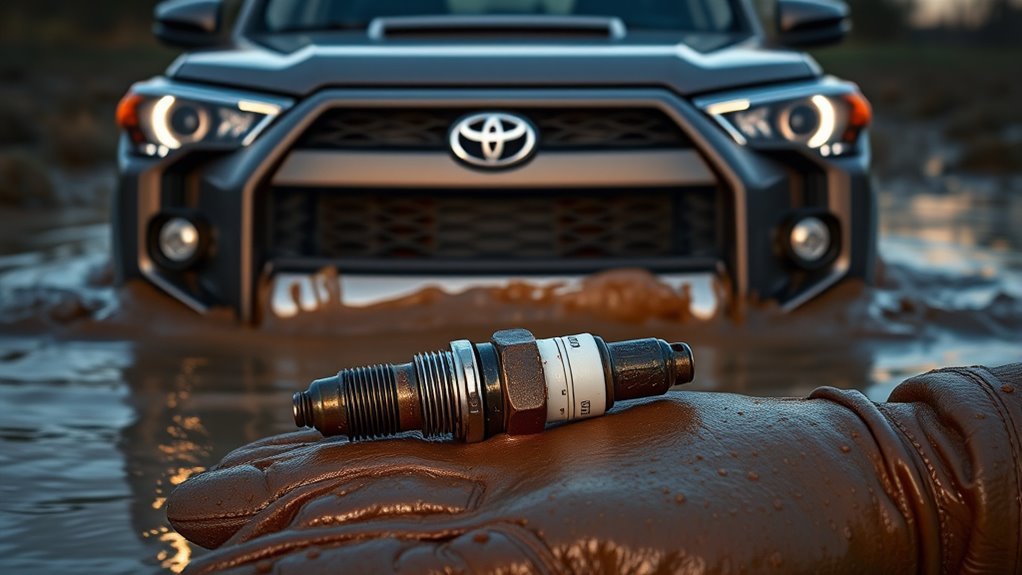
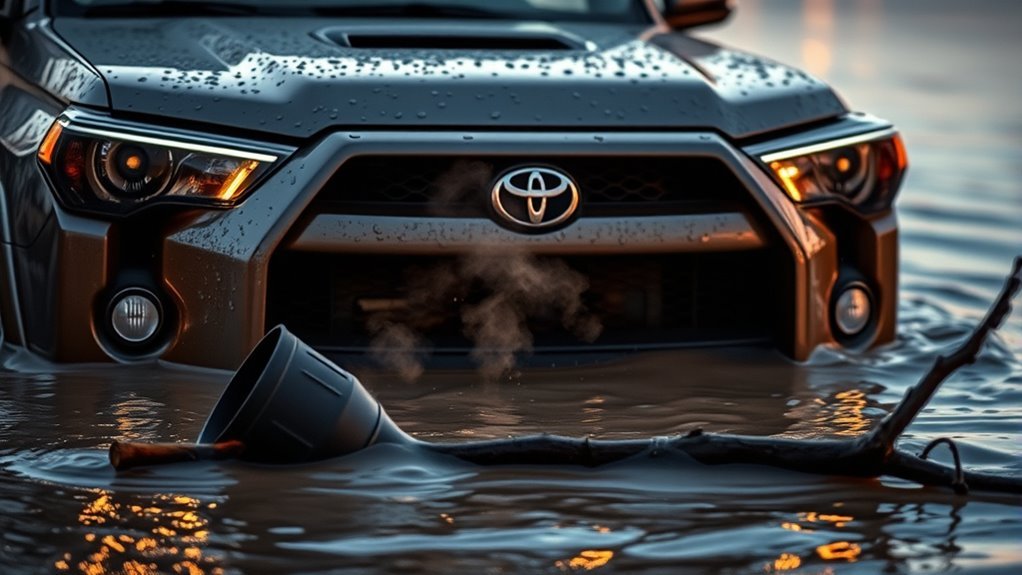
If your 4Runner stalled or was exposed to deep water, start by checking for clear mechanical signs of hydrolock: the engine may crank with unusual knocking or banging and still fail to start, you might see water pooled in the air intake or filter box, and the engine can turn over without firing—each of these strongly indicates water in the cylinders. You’ll want to listen closely: abnormal engine noises during cranking—metallic knocks or slaps—are high-priority clues that liquid, not air, is resisting piston travel. Inspect the intake and filter box visually for standing water; visible moisture equals immediate concern. Note exhaust behavior: persistent water discharge or steam after attempted starts further supports water ingestion. Monitor dashboard indicators; a check engine light with misfire codes aligns with hydrolock. Use systematic water detection: document each symptom, avoid further cranking that risks damage, and prepare clear observations for responders. Your careful, measured assessment advances both safety and freedom to act.
Immediate Steps : What to Do Before You Call a Tow
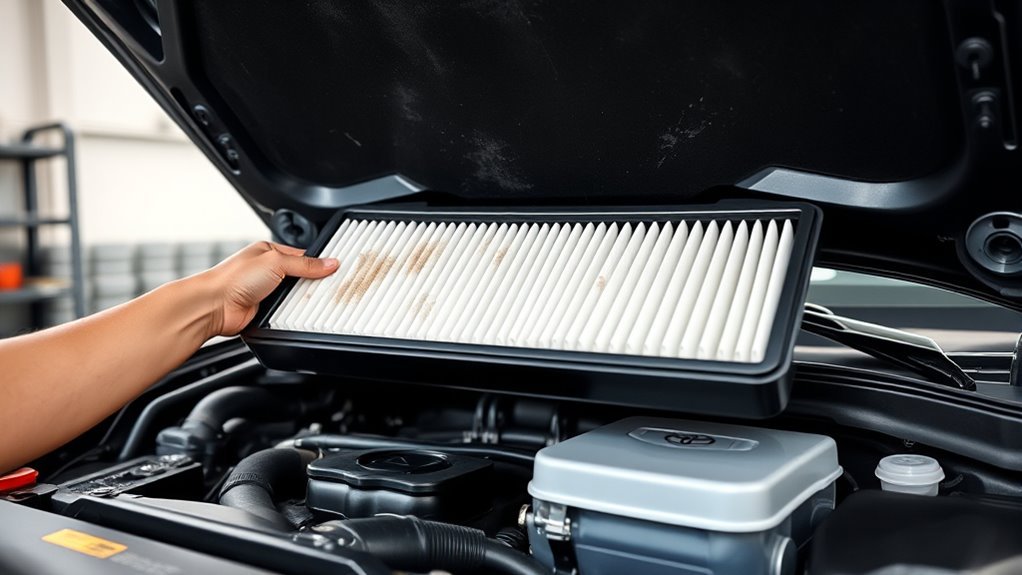
Because hydrolock can cause catastrophic internal damage, stop attempting starts immediately and take a few controlled steps before you call a tow: you’ll preserve the engine and retain options for repair. First, perform a battery disconnection to eliminate electrical hazards and prevent any accidental cranking while you assess. Work methodically: isolate the negative terminal, secure the cable, and avoid metal contact. Next, visually check the air intake and filter for water intrusion; this confirms exposure but don’t probe deeper here. Proceed to a basic spark plug inspection by removing plugs to look for water in the cylinders; allow any liquid to drain passively—don’t rotate the engine with the plugs out. Document what you find with photos and notes to empower your mechanic. Finally, contact a trusted tow or service provider, describe your observations precisely, and request they avoid towing methods that could further damage the drivetrain. These controlled actions protect your freedom to choose repairs and limit escalation.
Quick DIY Checks: Inspect Intake, Plugs, and Fluids
When you suspect water exposure, start by inspecting the air intake, spark plugs, and fluids in a systematic order to quickly gauge risk of hydrolock and contamination. First perform an intake inspection: trace the intake path from the snorkel or airbox to the throttle body, look for standing water, damp air filters, or soaked ducting. Remove the filter element and dry or replace it. Next do a spark plug examination: remove each plug to check for wetness, hydrocarbon wash, or rust; a wet plug indicates water in that cylinder and potential hydrolock. With plugs out, crank the engine briefly to expel water and then perform a compression test on every cylinder to evaluate seal integrity. Finally check oil and coolant for cross-contamination—milky oil signals water intrusion. Also inspect visible gaskets and seals for damage that could allow ingress. These checks let you decide if you can continue driving or need professional repair.
Prevent Hydrolock on Trails and Flooded Roads (4Runner Tips)

Although water can look shallow, always verify depth against your 4Runner’s fording spec (about 27.5 inches on most models) before committing to a crossing. You want freedom to explore, but you must be technical and precise: assess depth, note current strength, and confirm exit angles. Slow your approach to create a steady bow wave; that minimizes splash and reduces the chance of water entering intake systems.
- Measure and observe: use a stick or marker, walk the route if safe, and never guess water fording capability.
- Modify and maintain: fit a snorkel intake system to raise the air entry point; regularly inspect seals, gaskets, and splash guards for integrity.
- Respond decisively: if you suspect ingestion, stop, kill the engine, disconnect the battery, and inspect the air filter and intake before attempting restart.
These steps protect your engine and preserve the autonomy you seek on trails and flooded roads.
Repair Choices, Typical Costs, and When to Replace the Engine
If your 4Runner has ingested water, start by having a qualified technician perform pressure tests and a thorough visual inspection to determine the extent of internal damage; this assessment dictates whether you can fix components like bent connecting rods and gaskets or need a full engine replacement. After diagnosis, you’ll evaluate repair strategies: minor issues may be resolved by draining fluids, replacing spark plugs, and flushing systems for a few hundred dollars. Moderate damage often requires disassembling the engine to replace bent rods, pistons, or gaskets—labor and parts can push costs into the low thousands. Use a strict cost analysis when damage approaches severe levels: cracked blocks, seized assemblies, or multiple failed components typically justify a full engine replacement, which can exceed $5,000 depending on parts and labor. Factor in vehicle age and remaining useful life; choose repairs only when they restore reliable, liberated mobility at a reasonable long-term cost.
Frequently Asked Questions
How Does Hydrolocking Occur?
You get hydrolocking when water ingestion floods combustion chambers, preventing pistons from compressing, causing instant engine failure risk; you’ll hear knocks, the engine won’t turn, so you avoid deep water and protect your freedom to travel.
What Kind of Damage Does Hydrolock Cause?
You’ll face catastrophic engine failure from water intrusion: bent rods, cracked heads or cylinders, blown head gasket, damaged pistons/rings, and starter burnout from repeated attempts—each requiring extensive repairs or full engine replacement to regain freedom.
What Kind of Cars Get Hydrolock?
Like a sieve catching a storm, lower and poorly sealed cars—sedans, sports cars, modified off‑road rigs, and any with low intakes—get hydrolock; you’ll need Hydrolock prevention, skepticism about Hydrolock myths, and cautious technical checks.
Conclusion
You’ll probably think you’ve outsmarted water until your 4Runner proves you haven’t—ironically, that’s when you’ll be glad you checked plugs, intake, and fluids first. Take measured steps: don’t crank, don’t assume, document damage, and tow if necessary. Small, cautious DIY checks can save you big repairs, but be precise—hydrolock is unforgiving. If repairs look extensive, accept replacement rather than gamble on a compromised engine you can’t fully verify.