The production Toyota GR Supra does not come with factory active aero. Its body uses fixed aerodynamic parts, while active aero usually refers to movable wings, flaps, or spoilers that change angle while you drive. If you add an aftermarket active aero setup, you need to understand how the wing, actuators, sensors, and controller affect grip, drag, safety, and legal use.
Quick Answer
The Toyota GR Supra does not have OEM active aero with a motorized rear wing from the factory. You can fit aftermarket active aero parts, but they need careful setup so the car stays balanced and safe. A well-built system uses sensors, actuators, and a controller to add downforce when needed and reduce drag when grip matters less.
Key Takeaways
- The production Toyota GR Supra uses passive aero, not factory active aero.
- Aftermarket active aero can improve grip, but poor setup can hurt balance and safety.
- Wing angle, actuator speed, sensor data, and controller logic all affect how the system works.
- Suspension and brake tuning should match any major aero upgrade.
- Track rules, insurance terms, and road laws may limit active aero use.
Active Aero: How a Supra System Can Work
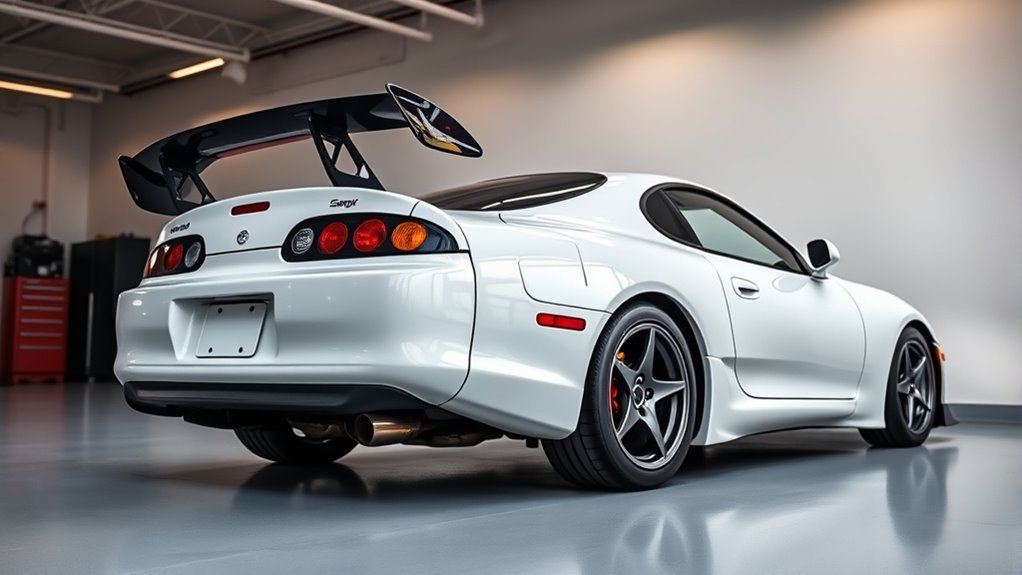
Active aero uses movable aerodynamic parts to change drag and downforce as driving conditions change. On a Supra, this usually means an aftermarket adjustable rear wing, active front splitter, or control module rather than a factory system.
The goal stays simple: add grip when you corner or brake hard, then reduce drag when you need speed on a straight. A tuned system can help high-speed stability, but it must work with the car’s suspension, tires, and driver inputs.
Note: The terms “active aero” and “adjustable aero” often get mixed, but true active aero moves automatically while you drive.
Key Components: Wing, Actuators, Sensors, and Control Unit
A Supra active aero build starts with the aero surface itself, such as a rear wing or front flap. The part must have enough strength to hold aerodynamic load without flexing, cracking, or shifting at speed.
Actuators move the aero surface. Builders may use electric motors, servos, or hydraulic parts, but the system needs fast and repeatable movement. Slow or uneven motion can upset the car during braking or cornering.
Sensors feed data to the electronic control unit (ECU) or a separate controller. Common inputs include vehicle speed, steering angle, brake pressure, throttle position, and yaw rate. The controller then changes wing angle based on the map you choose.
When Active Aero Moves: Speed, Yaw, and Drive Mode Triggers
Active aero should not move at random. A safe setup uses clear triggers, tested maps, and fail-safe limits so the car reacts in a predictable way.
Speed-Based Activation
Speed-based activation changes wing or flap position as the car reaches set speed points. A mild setup may keep the wing flat at low speeds, add angle at highway speeds, and use more downforce at track speeds.
The exact speed thresholds depend on the wing, tires, suspension, and intended use. You should test those settings in a controlled environment instead of copying numbers from another build.
| Speed Range | Typical Action | Main Effect |
|---|---|---|
| Low speed | Minimal angle | Low drag |
| Medium speed | Partial angle | More stability |
| High speed | Higher angle | More rear grip |
Yaw and Steering Inputs
Yaw rate and steering angle help the controller understand how the car turns. When the car rotates quickly, the system can add downforce to support rear grip and calm the chassis.
This kind of control needs careful tuning. Too much rear downforce can make the front feel weak, while too little can let the rear move around under throttle. The best setup keeps the car neutral and easy to read.
Drive Mode Overrides
Some aftermarket systems let you choose street, sport, or track maps. A street map may reduce movement and drag, while a track map may use faster response and more wing angle.
Mode control gives you flexibility, but each map still needs testing. A safe map should also include a locked or limp-home position if a sensor, actuator, or controller fails.
| Mode | Aero Behavior |
|---|---|
| Street | Lower movement, lower drag |
| Sport | Balanced response and stability |
| Track | Faster response and more grip |
Performance: Downforce, Drag, and Handling Trade-Offs

Active aero can help the Supra feel more stable at high speed, but it never gives free performance. More wing angle usually adds downforce and grip, but it also adds drag.
That drag can reduce acceleration and top speed on longer straights. For that reason, the best system changes angle only when the car needs more grip. A track map should balance corner speed, braking stability, and straight-line pace.
Front-to-rear balance matters as much as total downforce. If you add a large rear wing without matching front aero, the car may push wide in corners. If you add too much front aero, the rear may feel loose.
OEM Aero vs Aftermarket Wings and Spoilers
The Supra’s factory aero focuses on predictable road use, cooling, drag control, and stability. It uses fixed body shapes rather than a motorized factory wing.
Aftermarket wings and spoilers give you more room to tune the car for track use. You can choose wing size, angle, end plates, mounts, and control logic. That freedom also adds risk if the parts do not match the car.
Fitment matters. A poorly mounted wing can flex, vibrate, or shift the car’s balance. Use strong mounts, correct hardware, and professional setup if you plan to run high speeds.
[Products Worth Considering]

Good fitment: This rear trunk spoiler wing is well fits for Toyota Supra A90 A91 MK5 Coupe 2-Door 2019 2020 2021 2022 2023 2024 2025

A CLASSIC 2-IN-1 KIT FOR EXPERIENCED MODELERS: AMT's 1/25 scale 1978 Ford Courier Minivan is great project for the intermediate model builder who likes pickup trucks or vintage vans. Add it to your collection today!

Fitment – Custom-designed for Toyota Supra MK5 A90 A91 Coupe 2019-2026. Custom-fit rear trunk spoiler wing designed to match factory body lines for a clean, sporty upgrade.
What to Check Before Installing Active Aero on a Supra
Before you install active aero, decide where you will use the car. A street car needs quiet operation, weather resistance, and low maintenance. A track car needs strong mounts, repeatable movement, and clear rules compliance.
You should also confirm that the system can fail safely. If an actuator loses power, the wing should not jump to a dangerous angle. The controller should show faults clearly and keep the car stable enough to return to the paddock or shop.
Warning: Never test new active aero settings at public-road speeds, because sudden balance changes can cause a loss of control.
[Products Worth Considering]


Compatibility: Compatible with 2020-2026 Toyota Supra A90 A91 Coupe

Sprue Brothers Tamiya 1:24 Toyota Supra, TAM24123
Tuning Considerations: Suspension, Brakes, and Aero Balance
Aero upgrades work best when the rest of the car can support them. More downforce can load the tires harder, which may call for changes to spring rates, damping, ride height, and alignment.
Brake upgrades may also become necessary if the car carries more speed into braking zones. Better pads, fluid, cooling, and rotors can help keep pedal feel consistent during track sessions.
Tune one area at a time and record results. Lap times, tire temperatures, driver notes, and data logs can show whether the active aero helps or only adds drag.
| Component | Why It Matters |
|---|---|
| Suspension | Controls platform and tire load |
| Brakes | Handles higher speeds and heat |
| Tires | Turns downforce into grip |
| Alignment | Keeps contact patches stable |
[Products Worth Considering]

FITMENT: The Coilover Suspensions Kits fits for Toyota for Supra 1986-1992

【Fit Perfectly】 for Toyota Corolla 9th Gen. E130 2003-2008; for Toyota Matrix XRS E130 2003-2008

【Fitment】 for Toyota Supra 1993-1998 JZA80L; for Lexus SC300 1992-2000 JZZ30; For Lexus SC400 1992-2000 UZZ30
Active Aero Maintenance and Common Failure Modes
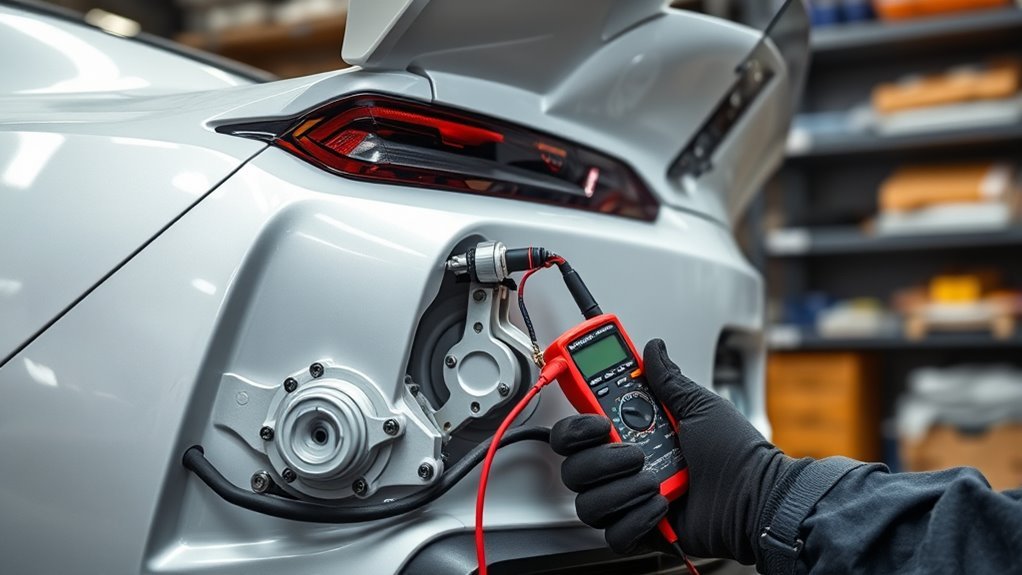
Active aero adds moving parts, wiring, and control logic to the car. You need a regular inspection routine so small faults don’t turn into major failures.
Active aero can improve stability, but it needs clean wiring, secure mounts, smooth actuator movement, and clear fault checks.
- Inspect movable parts for play, cracks, loose bolts, and uneven motion.
- Check wiring, connectors, fuses, and grounds for corrosion or damage.
- Scan the controller for faults after any erratic movement or warning light.
- Confirm mounts stay tight after track sessions and high-speed use.
- Update control software only when the supplier confirms compatibility.
Common failure signs include grinding noises, slow movement, fault codes, uneven wing position, and loose mounts. Stop using the system until you find the cause.
Legal, Safety, and Track-Rule Implications
You need to check road laws, event rules, and insurance terms before you use active aero. Some events limit movable aero parts, wing size, mounting methods, or control logic.
Regulatory Compliance Risks
Road rules can vary by location. A part that works on private tracks may still draw attention on public roads if it blocks lights, extends too far, or creates a hazard.
Keep receipts, install notes, and inspection records. Good records help you show that the parts came from known suppliers and received proper installation.
Track Safety Requirements
Track organizers may require strong mounts, safe edges, lockout modes, and pre-event inspection. You should review the rulebook before you build the system, not after.
A sudden wing movement can change the car’s balance at the worst time. For that reason, track setups should use tested limits, fail-safe positions, and secure hardware.
Liability and Insurance Effects
Active aero can affect your insurance profile because it changes the car’s performance and risk. Tell your insurer about major aero changes so you don’t create claim problems later.
- Confirm whether your policy covers modified aero parts.
- Ask whether track use changes your coverage.
- Keep service records for actuators, mounts, and wiring.
- Document control maps and safety limits after major changes.
Owner Checklist: Diagnostics, Upgrades, and When to Consult a Pro
If you want consistent aero performance, inspect the active parts before hard driving. Check for wear, damage, loose fasteners, and smooth movement.
You should also check wiring and controller faults before each track day. A loose connector can turn a good system into an unpredictable one.
| Checkpoint | Action |
|---|---|
| Visual | Inspect for wear or damage |
| Movement | Verify smooth operation |
| Electrical | Check connections and corrosion |
| Diagnostics | Scan the control module |
| Symptoms | Note noise or erratic motion |
Consult a professional if the system binds, moves unevenly, shows repeat faults, or needs controller replacement. You should also get expert help before cutting body panels or adding structural wing mounts.
Frequently Asked Questions
How does active aero work?
Active aero moves parts such as wings, spoilers, flaps, or splitters while you drive. A controller uses sensor data to change the angle for more grip, less drag, or better stability.
Does the Toyota Supra have active aero?
No, the production Toyota GR Supra does not have factory active aero with a motorized rear wing. It uses fixed aerodynamic parts from the factory, while active systems come from aftermarket builds.
Is active aero automatic?
True active aero works automatically after you set its control map. The system moves based on triggers such as speed, braking, steering angle, yaw rate, or drive mode.
Can active aero make a Supra faster on track?
It can, but only when the system suits the car and the track. A poor setup can add drag, upset balance, or make the car harder to drive.
Is active aero legal on the street?
Street legality depends on your location and the parts you install. Check local rules and make sure the system does not block lights, create sharp edges, or extend past legal limits.
Conclusion
The most important point is simple: the Toyota GR Supra does not come with factory active aero, but aftermarket systems can add useful control when you build and tune them correctly. Start with strong parts, safe control logic, and a setup that matches your tires, brakes, and suspension.
Before you chase more downforce, confirm that your mounts, wiring, and controller can handle real speed. A balanced, well-tested setup gives you more confidence without turning the car into a guessing game.