Choosing the right Toyota Supra requires understanding its evolution from a Celica-badged grand tourer to a modern, BMW-engineered performance machine. This guide maps out each generation to help you find the version that fits your budget, mechanical skill, and driving goals.
Quick Answer
The best Supra for you depends on your goals: choose the Mk1 or Mk2 for a nostalgic project, the Mk3 or Mk4 for high-horsepower tuning potential, and the Mk5 for reliable, modern daily performance. Always prioritize rust-free examples for older models and look for documented maintenance history to avoid high ownership costs.
How to Use This Supra Guide
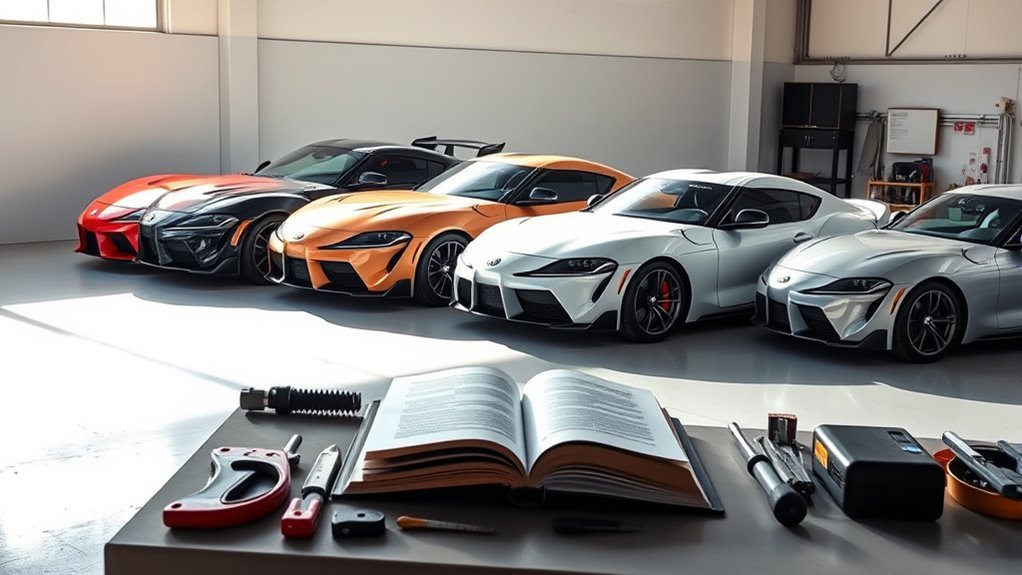
Align your goals—restoration, daily driving, or track performance—with these generation profiles to focus on the specs that matter. Each section outlines engine types, horsepower figures, and signature features to simplify your decision. Use the performance notes to compare factory outputs against aftermarket paths while keeping potential repair costs in mind.
Mk1 (1979–1985 Celica Supra): Specs, Buying Tips, Mod Potential
Originally sold as the Celica Supra, the Mk1 (1979–1985) offers a classic inline-six engine with 110 to 116 horsepower. These cars provide a balanced chassis, making them excellent candidates for vintage restoration. Inspect the hatch seams and shock towers for rust, as these areas often hide significant structural damage. Performance upgrades like modern suspension and cooling systems significantly improve the driving feel without ruining the car’s vintage character.
Mk2 (A60, 1982–1986): Facelift Differences, Rust Hotspots, What to Check
The 1984 facelift introduced updated front-end geometry and revised aero components. These improvements refine the car’s stance and cooling efficiency compared to earlier models. Always verify the vehicle identification number and body tags to ensure the car retains its original specifications. Watch for moisture damage in the floor pans and hatch areas, as professional metal repair is expensive.
Facelift Visual Changes
Post-1985 Mk2 models feature redesigned pop-up headlights and a sharper front fascia. These visual cues distinguish the later cars from the initial design. Inspect the bumper alignment and panel gaps carefully to reveal if the car suffered from past accidents. Proper headlight operation indicates a well-cared-for electrical system.
- Revised pop-up headlight assemblies
- Reshaped, tighter front fascia lines
- Improved interior trim and badging details
- Cleaner panel gaps signaling better assembly
- Smooth headlight motor operation
Common Rust Hotspots
Rust accumulates quickly in the hatch area, rear wheel wells, and shock towers of the A60 chassis. Use a magnet to check for hidden body filler during your inspection. Address any surface bubbles immediately to prevent deeper perforation of the metal. Always prioritize structural welding over temporary cosmetic patches to preserve the vehicle value.
Pre-Purchase Inspection
When evaluating an A60 Supra, prioritize structural integrity over cosmetic condition. The 1984–1986 models generally feature higher-output engines, making them more desirable for enthusiasts. Avoid any car with evidence of poorly executed chassis repairs or severe undercarriage corrosion.
- Verify VIN and engine code consistency
- Inspect the hatch and shock towers for rust
- Check the undercarriage for patched metal
- Test the pop-up headlight motors
- Review all available service records
Mk3 (A70, 1986–1992): NA Vs Turbo, Common Failures, Upgrade Paths
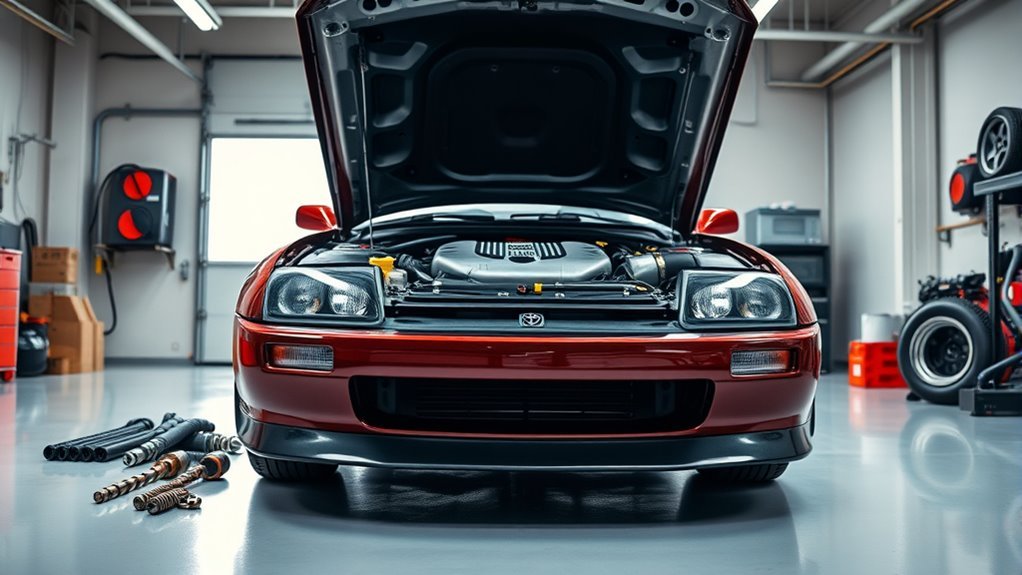
Choose between the naturally aspirated 7M-GE engine and the turbocharged 7M-GTE based on your mechanical budget. The NA model is simpler and easier to maintain for a daily driver. The turbo model produces 232 horsepower stock but requires strict adherence to a head gasket maintenance schedule. Plan for cooling system upgrades if you pursue increased boost levels.
Mk4 (A80, 1993–1998): 2JZ Tuning, Performance Mods, Collector Value
The 2JZ-GTE engine in the Mk4 Supra is famous for its cast-iron block and enormous tuning potential. Stock twin-turbo models produce 320 horsepower, which serves as a reliable baseline for further modifications. Collectors prioritize manual transmission models and original examples with documented history. Keep all original parts if you modify the car to maintain its long-term market value.
- Intake and exhaust swaps provide immediate gains
- Upgraded turbos and fuel systems support high-power builds
- Strengthened clutches and gearboxes handle extra torque
- Suspension and brake upgrades are necessary for track use
- Document all service to preserve collector appeal
Mk5 (A90/A91, 2020–Present): Chassis, Engines, Trims Explained
The Mk5 Supra uses a modern rear-wheel-drive platform co-developed with BMW. The 3.0-liter inline-six engine provides near 50/50 weight distribution and sharp handling characteristics. Higher trims like the 3.0 Premium include upgraded wheels and braking systems designed for performance driving. This generation offers the most reliable daily experience thanks to modern electronics and factory warranty support.
| Trim | Key Equipment | Primary Focus |
|---|---|---|
| 3.0 Premium | 19-inch wheels, carbon aero | Comfort and performance |
| Launch Edition | Limited-slip differential, Brembo brakes | Track capability |
2023 GR Supra Turbo: Changes, Performance, and Should-You-Upgrade?

The 2023 GR Supra improves upon previous years with 382 horsepower and refined chassis calibration. This car reaches 60 mph in about 3.9 seconds while maintaining a neutral balance during cornering. If you desire modern speed with factory reliability, the 2023 model remains a top choice. Stock components handle aggressive driving, so modifications are only necessary for specialized track needs.
Which Supra To Buy: Use Cases, Budget Tiers, Top Picks
Match your budget to the generation that fits your mechanical comfort level. The second-generation models (1982–1986) provide the lowest entry point for classic car enthusiasts. If you seek legendary tuning status, save for a Mk4 Turbo. Use the GR Supra if you prefer modern safety features and turn-key reliability. Always factor in the cost of potential repairs when budgeting for older models.
Maintenance & Ownership Costs By Generation
Ownership costs fluctuate significantly across the model lineup. Older generations have cheaper components but require more frequent labor for rust prevention and age-related wear. Newer models benefit from warranty coverage but use more expensive, specialized parts.
Routine Service Costs
Budgeting for service prevents surprise expenses during your ownership. Older engines often require more frequent oil changes and cooling system flushes compared to modern designs.
- First Gen: $500 per year for basic maintenance
- Second Gen: $600–$800 per year for rust and mechanical care
- Third Gen: $800–$1,000 per year, specifically for head gasket prevention
- Fourth Gen: $1,000–$1,500 per year due to turbo maintenance
- Fifth Gen: $600–$800 per year with warranty support
Parts Availability Concerns
Parts for the first and second generations are increasingly difficult to source. Many owners rely on custom fabrication or scavenging from parts cars. The Mk4 has the strongest aftermarket support, allowing for cheaper repairs and performance upgrades. Always consult a professional mechanic regarding availability before committing to a vintage project.
Insurance And Taxes
Insurance premiums vary based on the vehicle’s market value and intended use. Collector insurance often lowers rates for older, well-maintained models. Modern Supras may attract higher premiums due to the cost of replacing specialized sensors and body panels. Check your local registration laws to see if historic plates offer tax benefits.
Frequently Asked Questions
Are Supra Parts Compatible Across Different Generations?
No, most parts are not interchangeable. While some aftermarket upgrades fit multiple years, you should expect to perform custom fabrication for major engine or chassis swaps.
Can a Supra Be Registered for Racing or Track-Only Use?
Yes, but you must ensure the vehicle meets the specific safety regulations of your local racing organization. Track-only cars often lose their road-legal status and require specialized insurance.
What Insurance Costs Are Typical for Modified Supras?
Modified Supras often cost 20 to 60 percent more to insure than stock models. Always declare your modifications to your insurance provider to ensure you remain fully covered in case of an accident.
Are There Common VIN Decoding Tips for Verifying Originality?
Use online VIN decoders to verify the build month, trim level, and original engine specifications. Check the manufacturer tags under the hood to ensure they match the vehicle’s documentation.
Which Supra Models Qualify for Historic or Classic Plates?
Qualifications depend on your state or country. Usually, vehicles older than 25 years qualify for historic status if they remain largely original. Always consult your local motor vehicle department for specific rules.
Conclusion
The Toyota Supra offers something for every enthusiast, whether you prefer vintage mechanical simplicity or modern computer-controlled performance. Choose the generation that aligns with your available time and financial resources. Begin your search by prioritizing a clean, rust-free chassis to ensure the best possible ownership experience.