If your Camry shows a pre-collision malfunction message, it usually indicates sensor misalignment or dirty connections. Start by inspecting the wiring behind the mirror cover for loose connections. Clean the radar sensor to prevent false alerts and check for any debris affecting its performance. If issues persist, consider professional help for diagnostics. Regular maintenance and inspections enhance the system’s reliability, ensuring your safety. Keep exploring for tips on maintaining your vehicle’s advanced safety features.
Understanding Your Toyota’s Pre-Collision System

The Toyota pre-collision system acts as a vigilant guardian, using radar sensors to identify potential collisions and alert you in real-time. This innovative system incorporates key components like radar technology, which continuously scans the roadway ahead. When functioning correctly, it provides essential warnings, enhancing your safety while driving.
However, issues can arise. A malfunction message, such as “Visit your dealer,” signals that the system isn’t operating as intended. Common culprits include loose wiring connections, especially after windshield replacements, which can disrupt sensor performance. To maintain accuracy, regularly clean the radar sensor located behind the Toyota emblem; dirt or debris can lead to false alerts.
After any maintenance work, double-check all wiring connections to guarantee the pre-collision system operates effectively. By understanding these elements, you can help maintain the integrity of your Toyota’s safety features, empowering you on the road.
Top Reasons for Pre-Collision Alerts in Your Toyota
Several factors can trigger pre-collision alerts in your Toyota, often leading to confusion and concern. One common issue is loose wiring, particularly after recent windshield replacements, which can disrupt the vital connectivity of your radar sensor. This sensor, hidden behind the Toyota emblem, can also malfunction if dirt or debris accumulates on it, resulting in false alerts.
When you see messages like “Visit your dealer,” it typically indicates problems with sensor functionality or wiring connections that need your attention. It’s important to regularly check and secure the white and black wires linked to the radar sensor. Consistent maintenance, including cleaning the radar sensor and inspecting wiring, can greatly reduce the chances of pre-collision system malfunctions. By staying proactive, you guarantee that your vehicle remains safe and reliable on the road, freeing you from unnecessary stress related to these alerts.
How Recent Windshield Replacement Affects Your Vehicle
When you replace your windshield, it’s vital to understand how the process might impact your vehicle’s pre-collision systems. The installation can lead to sensor misalignment or loose connections, triggering malfunction alerts. Here are a few key points to keep in mind:
- Wiring Issues: Improperly connected wiring can disrupt the pre-collision system’s functionality.
- Sensor Location: The radar sensor, often behind the Toyota emblem, may become misaligned during replacement, affecting its performance.
- Cleaning Is Important: Dirt or debris on the sensor can cause false alerts, so make sure it’s clean and unobstructed.
To maintain your pre-collision system’s operational status, check that all electrical connections are secure. If you notice any alerts post-replacement, it’s worth inspecting the windshield impact on your vehicle’s systems. Taking these steps can help prevent unnecessary issues and guarantee your safety on the road.
How to Diagnose Your Pre-Collision System Issues
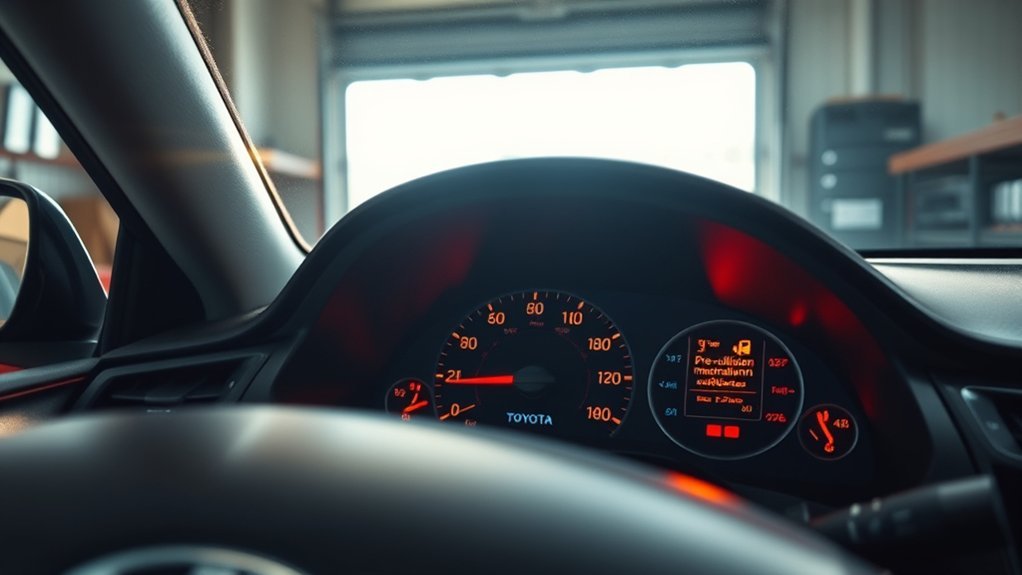
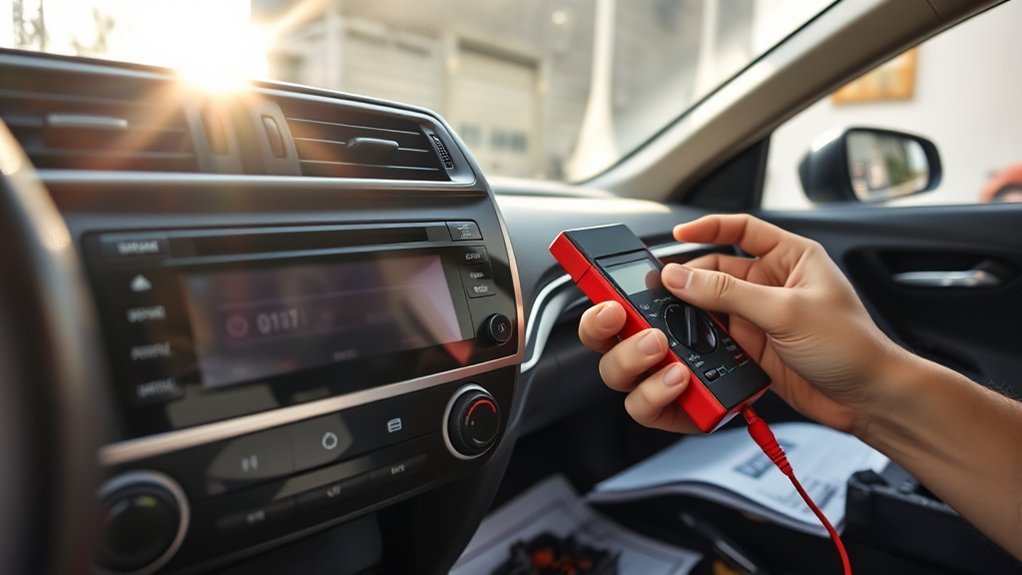
After addressing potential issues from your recent windshield replacement, it’s important to know how to diagnose pre-collision system problems. Start by checking for a “Visit your dealer” message, which indicates a malfunction. Focus on the wiring behind the mirror cover—loose or disconnected connections can disrupt pre-collision technology.
Next, inspect the radar sensor behind the Toyota emblem. Verify it’s clean; dirt can cause false alerts. Use Windex and a clean rag for maintenance. After these checks, restart your vehicle to see if the system returns to normal functionality.
Here’s a quick reference table for diagnosing your pre-collision system:
| Issue | Solution |
|---|---|
| “Visit your dealer” message | Check wiring and connections |
| Loose wiring | Secure connections |
| Dirty radar sensor | Clean with Windex and a rag |
| System still malfunctioning | Consult a professional |
Safely Check Your Wiring Connections
To guarantee your pre-collision system functions properly, start by checking the wiring connections, especially following a windshield replacement. Loose or disconnected wires can lead to system malfunctions. Here’s how to safely check your connections:
To ensure your pre-collision system works effectively, check wiring connections, particularly after a windshield replacement.
- Gather your wiring tools: Use a screwdriver to remove the mirror cover and access the wiring.
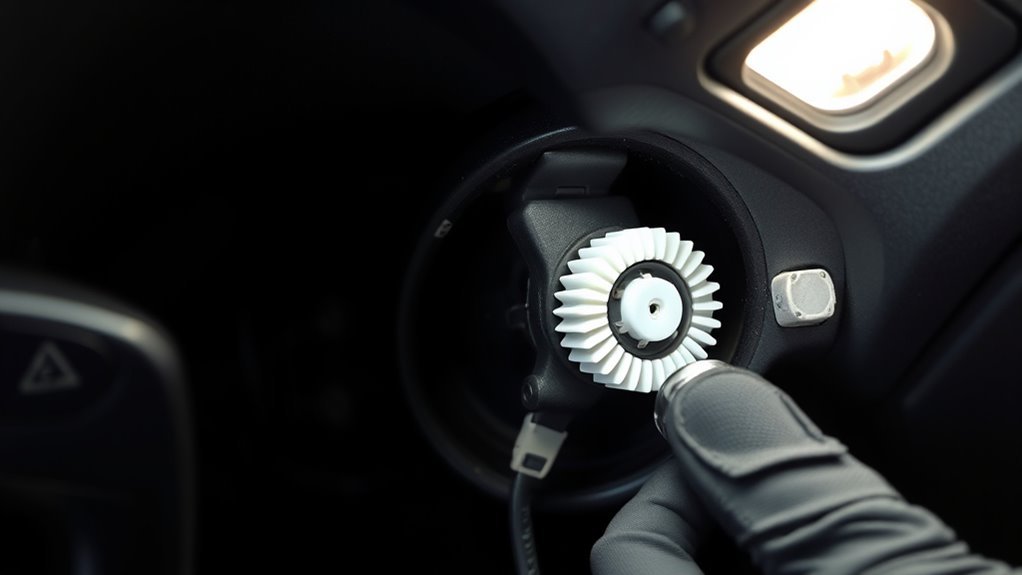
- Inspect the main wires: Focus on the two essential wires (white and black) linked to the radar sensor. Make sure they’re securely plugged in.
- Follow safety precautions: Disconnect the battery before starting to prevent any electrical shorts.
Once you’ve reconnected the wires, carefully reassemble all components to avoid further issues. Regular maintenance, like cleaning the radar sensor with Windex, helps keep the system running smoothly and reduces false alerts. By following these steps, you can guarantee your pre-collision system is in top shape.
Reconnect Your Wires: A Simple Guide
Once you’ve accessed the wiring, check the connections thoroughly, especially the white and black wires. Loose connections can lead to system malfunctions, so verify everything is secure. After reconnecting, reassemble all components correctly to maintain functionality.
Check Connections Thoroughly
Checking connections thoroughly is essential for the proper functioning of your Camry’s pre-collision system. Start by carefully removing the mirror cover to access the wiring, ensuring you don’t damage any components. Focus on the two primary wires—white and black. Here’s what to do:
- Inspect wiring color coding for accuracy and security.
- Check for loose connections, especially if you’ve had a windshield replacement.
- Reconnect any disconnected wires to eliminate the “Visit your dealer” message.
Connection troubleshooting can greatly enhance your system’s reliability. After reassembling everything, restart your vehicle to verify that the pre-collision system is operational. A little attention to detail can save you from bigger issues down the road!
Ensure Proper Reassembly
Reassembling your Camry’s pre-collision system requires careful attention to detail to guarantee everything functions correctly. Start by removing the mirror cover gently to avoid damage. Inspect the white and black wires; verify their connections are secure, as loose wiring often triggers malfunction messages. After reconnecting, focus on component alignment and make certain all parts are properly placed to maintain vehicle integrity. Pay special attention to wiring integrity—double-check that no wires are pinched or obstructed during reassembly. This step is essential in preventing future issues with the system. Finally, restart your vehicle and verify the system status. Check for any warning messages to confirm everything’s functioning as it should.
Clean Your Radar Sensor for Best Performance
To guarantee peak performance of your Camry’s pre-collision system, keeping the radar sensor clean is essential. Dirt, debris, or smudges can trigger false alerts, compromising your safety. Here are some radar maintenance tips and effective sensor cleaning methods:
- Use Windex and a clean rag: Regularly wipe the sensor located behind the Toyota emblem to prevent erroneous readings.
- Check after repairs: If you’ve had windshield replacement or repairs, inspect the sensor’s positioning to confirm it’s aligned correctly.
- Frequent inspections: Make it a habit to check the sensor during routine maintenance, especially during seasonal changes.
A clean radar sensor enhances the pre-collision system’s sensitivity, helping it accurately detect obstacles. By following these steps, you’ll guarantee your system functions correctly and keeps you safer on the road.
Test Your Pre-Collision System After Repairs
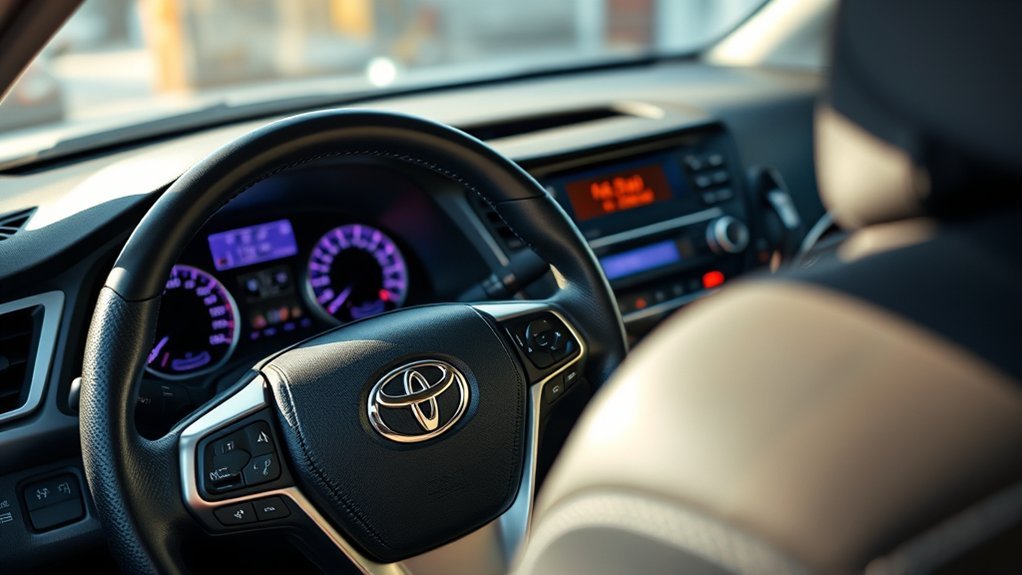
After any repairs, particularly windshield replacements, it’s essential to test your Camry’s pre-collision system to confirm everything functions correctly. Start with pre-collision troubleshooting by checking for any loose wiring connections that could affect the system. The radar sensor, located behind the Toyota emblem, is critical; make sure it’s clean to avoid false alerts. Pay special attention to reconnecting any disconnected wires, especially the white and black ones, to guarantee proper operation.
Once everything’s connected, restart your vehicle and confirm the system status is operational without error messages. Regular testing is important for maintaining sensor reliability. By keeping the radar sensor clean and verifying all connections are secure, you enhance the sensitivity and effectiveness of your pre-collision system. Remember, diligent sensor maintenance can prevent future issues and protect your safety on the road.
What If My Pre-Collision System Still Doesn’t Work?
If your pre-collision system still isn’t working, start by checking the wiring connections again to confirm everything’s secure. Next, inspect the radar sensor alignment for any misalignment or debris that could interfere with its operation. If problems persist, it’s best to consult a professional for further assistance.
Check Wiring Connections Again
Inspecting wiring connections is vital when your pre-collision system still isn’t functioning properly. Start by checking for loose or disconnected wires, especially behind the mirror cover. Focus on these wiring troubleshooting tips:
- Confirm the two main wires, typically white and black, are securely plugged in.
- Look for any signs of dirt or debris on the radar sensor behind the Toyota emblem.
- Clean the radar sensor with Windex and a clean rag to remove obstructions.
If all connections are secure and the sensor’s clean but the issue continues, consult a dealer for further diagnostics. Electrical connection maintenance is essential for peak performance, and professional attention might be necessary to resolve underlying issues effectively.
Inspect Radar Sensor Alignment
Even with secure wiring connections and a clean radar sensor, your pre-collision system might still malfunction due to improper sensor alignment. Start by ensuring the radar sensor, located behind the Toyota emblem, is securely fastened and free from obstructions. Misalignment can lead to inaccurate readings, causing false alerts or preventing activation. Visually inspect the sensor’s angle and position relative to the vehicle’s centerline. If it appears misaligned, perform radar sensor calibration as per your vehicle’s service manual. Don’t forget to check for any sensor obstruction removal, as even small debris can impact performance. Regular maintenance, including checking alignment and cleanliness, can help prevent future issues with your pre-collision system, keeping you safer on the road.
Consult Professional Assistance
When your pre-collision system still won’t function after checking connections and cleaning the radar sensor, it’s time to seek professional assistance. A Toyota dealer can provide the diagnostic tools necessary to uncover deeper issues that might be affecting your system.
Consider these points:
- Specialized Equipment: Dealers have advanced diagnostic tools to read error codes that you might not see.
- Sensor Calibration: A malfunctioning radar sensor may need calibration or even replacement if damaged.
- Windshield Installation: Confirm any recent windshield replacements were done by certified professionals to prevent interference with sensor functionality.
Keeping a record of repairs can help the dealer diagnose the problem more efficiently, guaranteeing you get back on the road safely.
How to Keep Your Toyota’s Safety Features in Tip-Top Shape
Maintaining your Toyota’s safety features is essential for guaranteeing peak performance and reliability. Start by regularly inspecting and cleaning the radar sensor located behind the Toyota emblem; dirt can trigger false alerts or system malfunctions. If you’ve replaced the windshield, check the wiring connections to make certain they’re secure—loose wires can cause pre-collision system errors. Monitor your vehicle for any malfunction messages, such as “Visit your dealer,” which indicate safety systems needing immediate attention. Always follow the manufacturer’s guidelines for maintenance and servicing to keep all safety technology functional and effective. Finally, engage with your vehicle’s technology by testing safety features like the pre-collision system after maintenance to confirm they’re operating correctly. These maintenance tips will help you enjoy the peace of mind that comes from a well-maintained Toyota. Staying proactive guarantees your safety features remain in top shape, enhancing your overall driving experience.
Frequently Asked Questions
Where Is the Pre-Collision Sensor on a Camry?
The pre-collision sensor’s located behind the Toyota emblem on the front grille. For installation, make certain it’s clean and unobstructed. Regularly check for alignment to maintain peak performance and avoid malfunction messages.
Conclusion
In the domain of automotive safety, your Toyota’s pre-collision system is your guardian angel, ready to thwart potential disasters. If you’ve followed this guide and your alerts persist, don’t hesitate to consult a professional. Remember, maintaining your vehicle’s safety features is like tending a garden; neglect can lead to unwanted weeds. Stay proactive and guarantee all systems are functioning to keep your journeys safe and sound. Your peace of mind is worth it.