Brake pedal pulsation in your Toyota Camry often results from warped rotors, worn brake pads, or contaminated fluid. You might notice vibrations during deceleration, clicking noises at low speeds, or humming sounds while braking. To diagnose, you can check rotor runout and pad thickness. Depending on the damage, you may need to resurface or replace the rotors. Regular inspections and high-quality parts can help prevent issues. Discover effective maintenance strategies to keep your brakes performing at their best.
What Causes Brake Pedal Pulsation in Toyota Camry?
Brake pedal pulsation in your Toyota Camry often stems from several key issues, with warped rotors being the most common culprit. When rotors warp, they create uneven contact, leading to vibrations during braking. Regular brake rotor inspection is vital to catch these issues early. Additionally, worn brake pads can exacerbate pulsation problems; if they can’t maintain a smooth surface against the rotor, you’ll feel the effects. Contaminated brake fluid can also hinder performance, causing irregular braking forces that manifest as pulsation. Improper installation of components, like misaligned rotors or calipers, contributes greatly to brake pedal vibration. Finally, frequent overheating—often due to aggressive driving or heavy loads—can lead to warping and subsequent pulsation. Addressing these factors proactively can help guarantee a smoother, safer driving experience in your Camry.
Symptoms of Brake Pulsation to Watch For
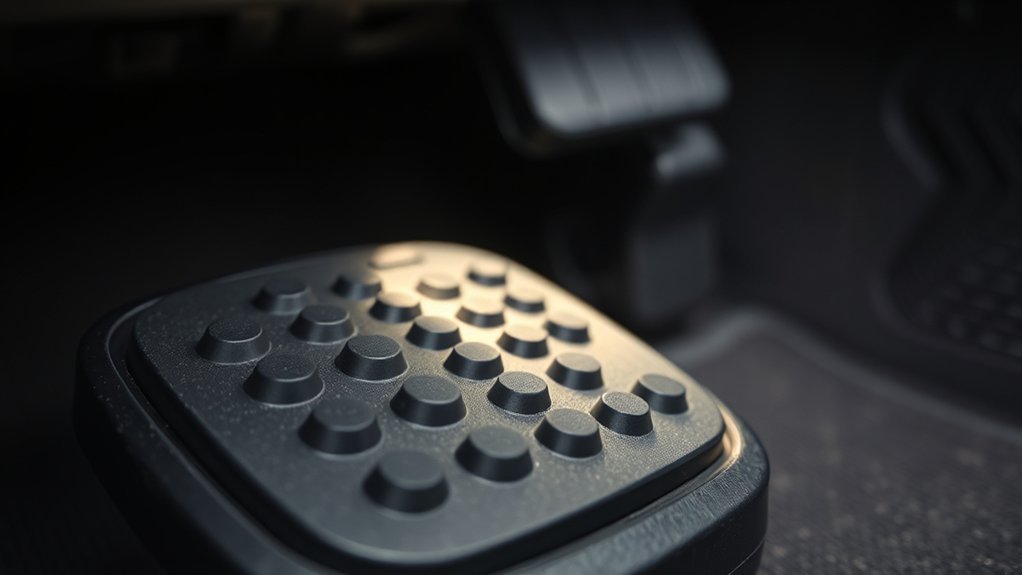
When driving your Toyota Camry, you might notice specific symptoms indicating brake pulsation, especially as you decelerate below 15 mph. You may feel a distinct pulsation in the brake pedal, signaling potential issues within the braking system. This sensation typically doesn’t transfer to the seat or steering wheel, pointing to localized rotor issues or pad problems.
Additionally, you might hear a clicking noise when starting from a stop, particularly at low speeds, which further suggests underlying brake component malfunctions. A humming sound may also become apparent when you engage the brakes, disappearing once you stop, reinforcing the likelihood of rotor irregularities. Regular inspections of your braking system are essential, as these symptoms can worsen over time and lead to more severe issues if not addressed promptly. Stay vigilant to guarantee your Camry’s braking system operates safely and effectively.
How to Diagnose Brake Pulsation
- Measure rotor runout using a dial indicator to guarantee it’s within manufacturer specifications, identifying any warping issues.
- Check the brake pad thickness; they shouldn’t be worn beyond a quarter inch for effective braking performance.
- Inspect the calipers for proper function, looking for sticking or uneven wear that could contribute to pulsation.
- Monitor for vibrations in the brake pedal when decelerating below 15 mph, which often signals rotor or pad issues.
Repairing Brake Pulsation: Resurfacing vs. Replacing
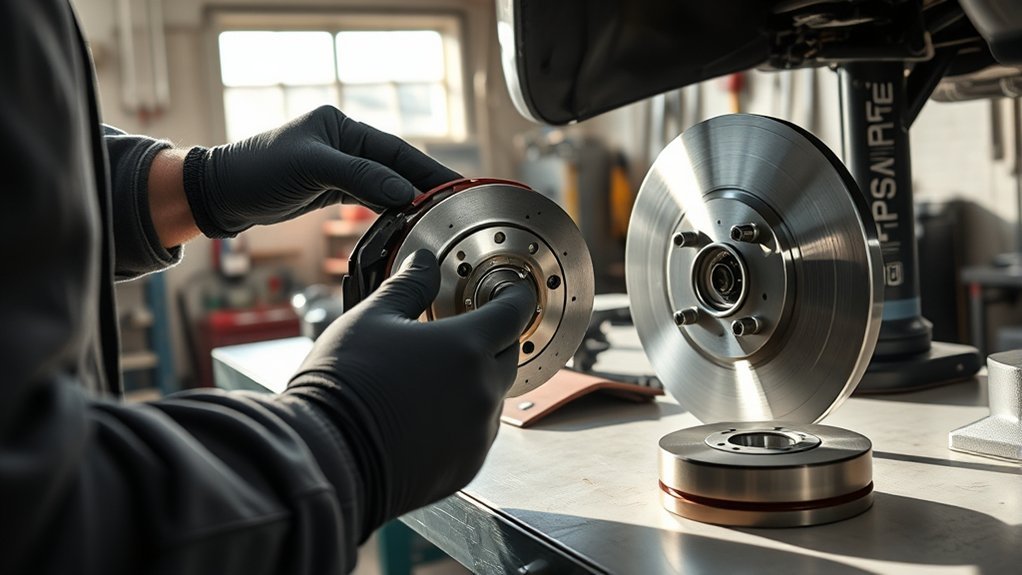
Addressing brake pedal pulsation effectively often hinges on the choice between resurfacing and replacing rotors. If your rotors show minor imperfections, rotor resurfacing can enhance performance and extend their lifespan, making it a cost-effective option. However, if the rotors are excessively warped or fall below the manufacturer’s minimum thickness, brake replacement is vital to guarantee peak braking performance.
Evaluate the severity of the damage carefully; resurfacing suits minor wear, while replacement becomes necessary for significant warping. Additionally, proper installation and bedding of new brake pads and rotors are essential for preventing future pulsation issues. Follow manufacturer guidelines for effective break-in processes. Regular inspections of your brake components will help you determine the best course of action—whether to opt for resurfacing or replacement—based on visual indicators and performance symptoms. Making the right choice can liberate you from ongoing brake issues and enhance your driving experience.
Maintenance Tips to Prevent Brake Pulsation
To prevent brake pulsation, regular maintenance is vital. By staying proactive, you can enhance your braking system’s performance and lifespan. Here are some tips to keep in mind:
Regular maintenance is essential for preventing brake pulsation and ensuring optimal braking system performance and longevity.
- Inspect Components Regularly: Check brake pads and rotors for wear or damage. Catching issues early can help prevent pulsation.
- Clean Hub Surfaces: Guarantee thorough cleaning before rotor installation to eliminate dirt or rust that can disrupt rotor alignment.
- Practice Gentle Braking: Use early braking and coasting techniques to reduce heat buildup and stress on brake components.
- Replace Worn Parts Promptly: Adhere to manufacturer recommendations for replacing brake pads and rotors. High-quality components are essential for peak performance.
Frequently Asked Questions
How to Fix Brake Pulsation in Pedal?
To fix brake pulsation, check your rotor condition and replace warped rotors. Inspect brake fluid levels and guarantee proper installation. Regularly monitor brake pads for wear to maintain smooth braking performance and reduce pulsation.
What Is the Most Likely Cause of a Pulsating Brake Pedal?
Ever felt that unsettling vibration? Your pulsating brake pedal likely stems from warped rotors or uneven pad wear. Regular brake maintenance tips can help you tackle pedal sensitivity issues before they escalate into serious problems.
What Should You Recall When the Brake Pedal Is Throbbing Pulsating in a Car Equipped With an Anti-Lock Braking System ABS While Braking Intensively?
When your brake pedal’s throbbing during intense braking, recall that it might indicate safety concerns. Inspect your brake system for warped rotors or uneven wear, ensuring peak performance and preventing further issues. Regular maintenance is essential.
Conclusion
In summary, addressing brake pedal pulsation in your Toyota Camry is vital for a smooth and safe ride. Think of your brakes as the heartbeat of your vehicle; any irregularity can signal deeper issues. By diagnosing the problem early, you can choose between resurfacing or replacing components, ensuring your car stops on a dime. Remember, regular maintenance acts like a shield against future pulsation, keeping your driving experience as steady as a calm sea.