
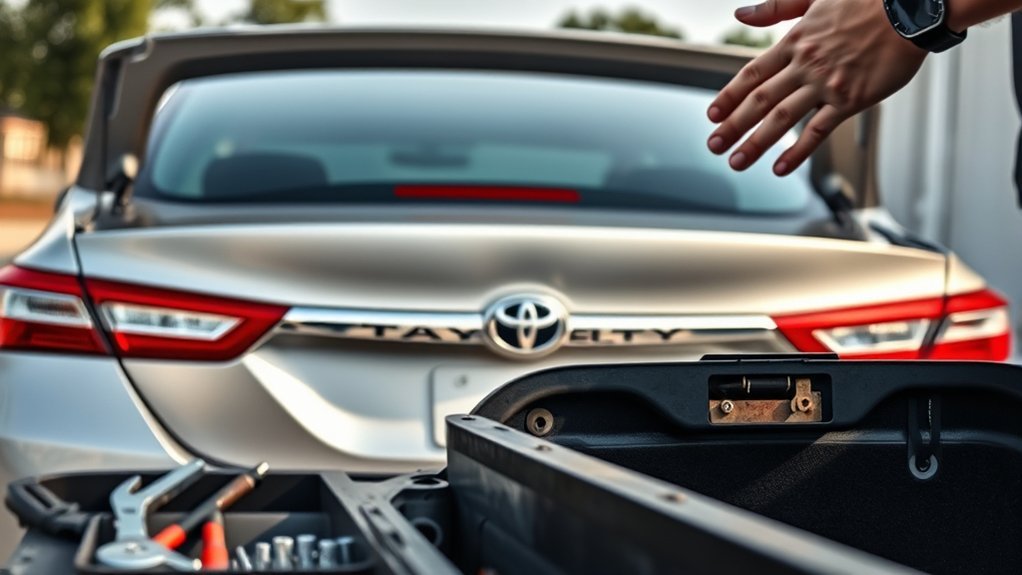
Toyota Camry Trunk Won’t Open: Causes, Fixes, and Costs
What’s in This Article
- Common Symptoms of a Malfunctioning Trunk
- Check the Trunk Lockout and Emergency Release First
- How to Diagnose Trunk Opening Issues
- What the Trunk Latch Motor Does
- How to Troubleshoot Key Fob Failures Affecting Your Trunk
- Aftermarket vs. OEM Parts: Which Is Better for Your Trunk Latch?
- Step-by-Step Guide to Replacing the Trunk Latch
- Why Wiring and Connectors Can Stop the Trunk Release
- Post-Replacement Trunk Testing
- Cost of Replacement Parts
- Maintaining Your Trunk Latch for Longevity
- When to Call a Mechanic or Toyota Dealer
- Frequently Asked Questions
Your Toyota Camry trunk can fail at the worst time: bags inside, key fob in hand, and no release sound from the latch. The cause may come from a weak key fob battery, a trunk lockout setting, a bad latch motor, damaged wiring, or a misaligned latch. This guide shows you how to test each cause in a safe order before you buy parts.
Quick Answer
If your Toyota Camry trunk won’t open, start with the simplest checks: unlock the car, test the manual release, check the key fob battery, and inspect the trunk lockout setting. If the trunk opens manually but not with the fob or interior button, the fault often points to the latch actuator, wiring, connector, or key fob signal. Use your vehicle identification number before ordering parts because Camry latch designs vary by year and trim.
Key Takeaways
- Start with the key fob battery, trunk lockout, and manual release before you remove trim panels.
- Focus on the actuator motor, wiring, and connectors when the trunk opens manually but not electronically.
- Match any replacement latch to your Camry year, build location, trim, and keyless-entry setup.
- Check current part prices and confirm fit with your vehicle identification number before you buy.
- Call a mechanic if the trunk stays shut, wiring looks damaged, or the latch binds after adjustment.
If your Toyota Camry’s trunk won’t open, an electronic fault may cause the issue. Common causes include a faulty trunk latch motor, a key fob problem, a damaged connector, or a failed release switch. First, check whether the trunk opens with the manual release. If it does, inspect the key fob battery, trunk lockout setting, wiring, and connectors before you replace the latch assembly.
Common Symptoms of a Malfunctioning Trunk
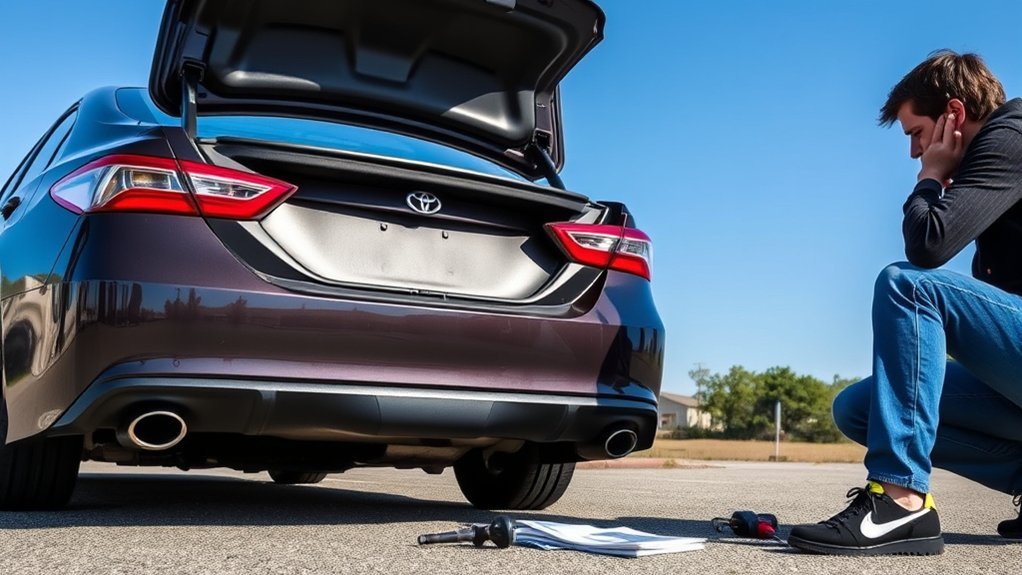
When your Toyota Camry’s trunk shows signs of malfunction, you may notice a few clear symptoms. The trunk may refuse to open with the key fob, even though the doors still lock and unlock. This points you toward the trunk latch, actuator motor, wiring, or receiver system.
If you can open the trunk manually, the mechanical latch may still work. In that case, check the electronic components that control the release. Listen for clicking, buzzing, or rattling from the latch area because those sounds can signal a weak actuator or a latch that binds under load.
A non-functional trunk button on the key fob can also come from a weak fob battery or a damaged button. If the trunk opens with the interior switch but not the fob, test the fob first. If neither electronic release works, inspect the fuse, wiring, connector, and latch motor.
Check the Trunk Lockout and Emergency Release First
Before you remove panels, confirm that a trunk lockout or valet setting has not blocked the release. Many Camry models let you open the trunk through keyless entry or a trunk opener switch, but features vary by year and trim. Your owner’s manual gives the best instructions for your exact model.
Use the mechanical key if your Smart Key battery fails or the car does not respond. Toyota’s Camry Quick Reference Guide also identifies an internal trunk release, which helps someone open the trunk from inside in an emergency. Never climb into a closed trunk to test it.
Note: If the trunk contains your key, wallet, tools, or emergency gear, call roadside assistance before you force the latch.
How to Diagnose Trunk Opening Issues
Start your diagnosis with the symptoms you can confirm. Check whether the trunk opens manually. If the manual release works, the latch may not have a full mechanical jam, and the fault may sit in the actuator, fob, switch, wiring, or receiver.
If you hear the latch motor click but the trunk stays shut, check for misalignment or a weak actuator. If you hear no sound, inspect the fob battery, interior switch, fuse, wiring, and connector. Avoid forcing the lid because you can bend the striker or damage the latch.
| Symptom | Likely Cause | First Check |
|---|---|---|
| Trunk won’t open with key fob | Weak fob battery, bad fob, receiver issue, or actuator fault | Try a spare fob and replace the fob battery |
| Manual release works | Electronic release fault | Check actuator power and connector fit |
| Latch clicks but trunk stays shut | Weak actuator, latch bind, or striker misalignment | Inspect alignment and latch movement |
| Trunk lid sits unevenly | Misaligned striker or bent hinge area | Check gaps around the trunk lid |
| Latch looks dirty or sticky | Debris, old grease, or corrosion | Clean and lubricate the latch safely |
What the Trunk Latch Motor Does
The trunk latch motor, also called the actuator, releases the latch when you press the key fob or interior trunk switch. The actuator receives power through a connector and moves the latch mechanism. If it fails, you may hear a weak click or no sound at all.
Manual operation may still work when the actuator fails. That difference gives you a useful clue. To keep the system reliable, check the latch, wiring, and connectors during routine cleaning.
Use parts that match your exact Camry. A latch for one model year or build style may not match another. Original equipment manufacturer (OEM) parts often reduce fitment risk, but a quality aftermarket part can work when it matches the correct part number and connector.
How to Troubleshoot Key Fob Failures Affecting Your Trunk
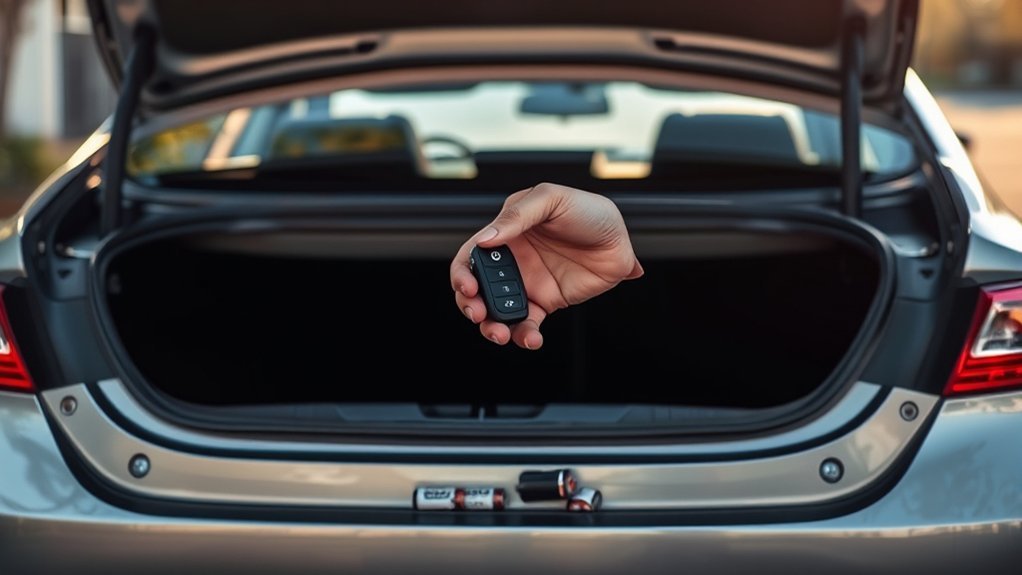
If your trunk won’t open with the key fob, start with the fob battery. A weak battery can still unlock doors at times but fail to send a strong trunk-release signal. Then test a spare fob, inspect the fob case, and check whether other remote buttons work.
Check Key Fob Battery
A weak or dead key fob battery can stop the trunk release from working. Replace the battery with the type listed in your owner’s manual or printed on the old battery. After you install it, test the lock, unlock, panic, and trunk buttons.
| Action | What to Do | What It Tells You |
|---|---|---|
| Check Battery | Open the fob and inspect the battery type and position. | A weak or loose battery can stop trunk release. |
| Try Spare Fob | Test a second remote if you have one. | A working spare points to a bad primary fob. |
| Inspect for Damage | Look for cracks, water marks, or stuck buttons. | Physical damage can block button contact. |
| Test Near Vehicle | Stand close to the trunk and press the button. | Short range can signal a weak fob battery. |
If replacing the battery does not fix the trunk release, continue with the car-side checks. The receiver, wiring, switch, or latch actuator may still cause the failure.
Inspect Key Fob Signal
Check whether the key fob signal works for other functions. If the fob unlocks the doors but not the trunk, the trunk circuit may need attention. If no remote function works, focus on the fob battery, fob damage, programming, or vehicle receiver.
Stay close to the vehicle when you test the trunk button. Large buildings, other electronics, or a weak battery can reduce range. If the fob looks fine and the trunk still does not open, ask a dealer or locksmith to test the remote signal.
Test Door Lock Mechanism
Test the door locks before you blame the trunk latch. If the doors respond to the fob, the remote can still communicate with the car. If the trunk does not respond, inspect the trunk lock mechanism and its wiring.
Use the manual latch if your Camry model has one. If the manual release works, the trunk is not fully jammed. That result points you toward the actuator, switch, wiring, or connector.
Aftermarket vs. OEM Parts: Which Is Better for Your Trunk Latch?
When you choose between aftermarket and OEM parts for your Toyota Camry trunk latch, match the part before you compare prices. OEM Toyota parts use Toyota part numbers and fit the intended model range. Aftermarket parts can cost less, but you still need the correct year, trim, build location, keyless-entry setup, and connector style.
Do not assume one latch fits every Camry. Some powered trunk lock actuator listings cover specific model years, build locations, and keyless-entry setups. A wrong latch may bolt in but fail to work with the key fob.
Choose OEM if you want the lowest fitment risk and plan to keep the car for years. Choose aftermarket only when the listing confirms the exact vehicle fit and includes the actuator features your Camry needs. Keep your receipt until you test both manual and electronic release.
[Products Worth Considering]

Protect your car key with this premium TPU cover that offers 360-degree protection against drops, shocks, scratches and dust while adding a stylish, slim profile. The integrated metal‑textile keychain keeps keys secure and easy to carry for both men and women. Compatible with a wide range of Toyota models from 2016 to 2025, it ensures a snug fit and a premium look. Lifetime customer service guarantees a hassle‑free experience.
This genuine Toyota fuel tank cap assembly ensures a perfect fit for your vehicle, delivering reliable sealing and protection against fuel leaks. It meets OEM specifications, offering Toyota‑quality assurance and a manufacturer warranty for peace of mind. Ideal for drivers seeking authentic parts that maintain performance and safety.

Protect your Toyota key fob with this slim, one‑piece TPU case that offers a snug, lightweight fit without adding bulk. The transparent front panel safeguards buttons while keeping them visible, and the clear back design shows the original logo for a premium look. Easy snap‑on installation and durable construction guard against scratches, drops, and everyday wear, making it ideal for a wide range of Toyota models.
Step-by-Step Guide to Replacing the Trunk Latch
Before you replace the trunk latch, gather the correct tools and confirm the replacement part. Work slowly because trunk trim clips can break. Disconnect the battery before you unplug or reconnect latch wiring.
[Products Worth Considering]

These valve stem caps feature a durable die‑cast construction with an electroplated finish that resists rust and wear, providing a sleek look for your wheels. The built‑in rubber O‑ring ensures a tight seal to prevent air loss, while the tool‑free design lets anyone install or remove them in seconds. Ideal for a wide range of Toyota models, they combine style, safety, and easy maintenance.

These TPE door anti‑kick pads provide durable, water‑resistant protection for Toyota Tundra doors from 2022 to 2026. They fit precisely, are easy to install with double‑sided tape, and can be cleaned simply with water. The pads guard against scuffs and impacts while preserving the door's appearance and smooth operation.

[Fitment] Compatible with 2007 2008 2009 2010 2011 Toyota Camry.
Tools Required For Replacement
You need a few basic tools to replace the trunk latch on most Toyota Camry models. A socket set, screwdrivers, trim tool, and pliers usually cover the job. Your exact model may need more tools, so check a service manual before you start.
| Tool | Purpose | Notes |
|---|---|---|
| Socket Set | Remove latch bolts | Use the correct size to avoid rounding bolts |
| Screwdrivers | Remove screws and small covers | Keep flathead and Phillips drivers nearby |
| Trim Tool | Release trunk liner clips | Helps reduce broken clips |
| Pliers | Grip cables and clips | Useful in tight spaces |
Step-By-Step Installation Process
- Disconnect the negative battery cable before you unplug latch wiring.
- Open the trunk and remove the inner trunk trim panel with a trim tool.
- Take photos of the latch, cable routing, connector position, and bolt locations.
- Unplug the latch connector and release the cable from the old latch.
- Remove the latch bolts while you support the latch with your other hand.
- Install the new latch and route the cable the same way as the original.
- Reconnect the wiring connector and tighten the latch bolts evenly.
- Reconnect the battery and test the latch before you reinstall the trim.
Warning: Keep your hands clear of the latch and striker while another person tests the trunk release.
Testing New Latch Functionality
After you install the new trunk latch, test it before you reinstall every clip and cover. Open and close the trunk gently several times. The latch should catch, release, and reset without grinding or sticking.
Next, test the key fob operation, the interior trunk switch, and the manual release. If the fob still fails but the manual release works, recheck the connector, actuator compatibility, and wiring. If the latch binds, adjust the latch or striker before you force the lid closed.
Why Wiring and Connectors Can Stop the Trunk Release
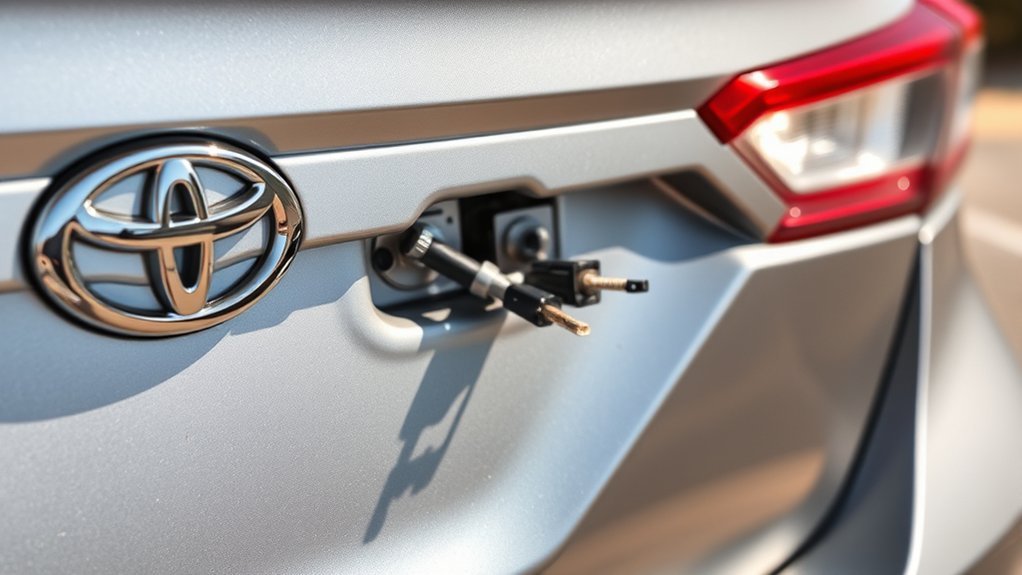
Wiring and connectors control how the trunk latch motor receives power and commands. A loose connector, broken wire, corroded terminal, or pinched harness can stop the release even when the latch looks new. Moisture in the trunk area can make connector problems worse.
Inspect the connector near the latch first. Make sure it clicks into place and sits free of dirt, water, or bent pins. Then follow the harness where it bends near the trunk hinge, because repeated opening and closing can stress wires in that area.
If you see green corrosion, burnt pins, broken insulation, or loose terminals, stop and repair the wiring before you install more parts. A new latch cannot work well if it does not receive steady power and ground.
Post-Replacement Trunk Testing
After replacing the trunk latch, test both the key fob and manual handle. This confirms that the latch, actuator, cable, and connector work together. Do not close the trim panel until every release method works.
Key Fob Functionality Check
Testing the key fob helps you confirm the electronic side of the repair. Press the trunk button while you stand close to the car. If the latch does not respond, test the lock and unlock buttons next.
| Issue | What to Check |
|---|---|
| Key fob unresponsive | Replace the fob battery and try a spare fob |
| Trunk latch won’t open | Confirm actuator fitment and connector lock |
| Wiring issues | Inspect terminals, hinge-area wiring, and ground points |
| Part mismatch | Verify the part number with your vehicle identification number |
| Function fails after install | Recheck cable routing and latch alignment |
If every test works, reinstall the trunk trim and clips. Then test the trunk again with the trim in place.
Manual Latch Operation Test
Test the manual latch before you finish the repair. The latch should release with light pressure and reset cleanly. If it drags, check the cable routing and striker alignment.
If the manual release works but the key fob does not, focus on the electrical side. Check the actuator connector, key fob battery, interior switch, and wiring. Repeat both tests after you adjust anything.
Cost of Replacement Parts
Toyota Camry trunk latch costs depend on the model year, part number, trim, build location, and seller. Do not rely on one fixed price. Use your vehicle identification number to confirm fit before you buy.
- OEM powered latch example: Toyota OEM Parts Online listed part 64600-06070 for 2018 to 2024 Toyota models with an MSRP of $255.81 and a sale price of $173.78 as of May 2026.
- Aftermarket powered latch example: PartsGeek listed a Dorman 931-860 actuator for 2007 to 2011 Toyota Camry models at $138.97 as of May 2026.
- Labor cost: Shop labor varies by region and trim-panel access, so ask for a written quote before approving repair.
- Fitment risk: A lower price does not help if the latch lacks the correct actuator, connector, or keyless-entry setup.
For long-term reliability, compare warranty terms, return policy, and connector style. A correct part that fits the first time often saves more money than the cheapest listing.
[Products Worth Considering]

[Fitment] OE Number:64600-AA020/64600AA020/64600-33091/6460033091. This trunk Latch Lock Actuator suit for Toyota Camry 2002-2006, please check make/mode/year before purchase.
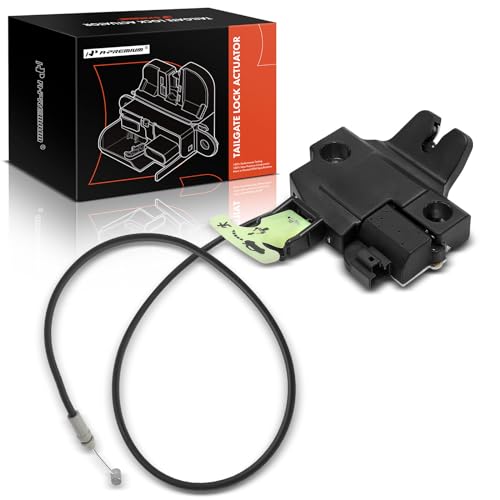
[Vehicle Fitment]: Trunk Latch Tailgate Lock Actuator Compatible with Toyota Camry 2018-2023, Avalon 2019-2022
Maintaining Your Trunk Latch for Longevity
Good trunk latch maintenance can prevent many release problems. Inspect the latch for dirt, rust, loose bolts, and worn contact points. Clean the latch area with a dry cloth before you add lubricant.
Use a light lubricant made for automotive latches, and wipe away excess. Too much grease attracts dirt and can make the latch sticky. Keep the trunk weather seal in good shape so water does not reach the latch and connector.
Check the wiring and connectors during routine cleaning. Make sure the connector fits tight and the harness does not rub against sharp trim edges. Avoid low-quality replacement parts that do not match your Camry’s original latch design.
When to Call a Mechanic or Toyota Dealer
Call a mechanic or Toyota dealer if the trunk stays shut after simple checks. You may need trim removal from inside the cabin, wiring diagnosis, or latch replacement. A technician can also confirm whether your key fob, receiver, or body control module sends the right command.
Get help sooner if you see damaged wiring, water inside the trunk, or a latch that will not close securely. A trunk that opens unexpectedly can damage cargo or create a road hazard. Ask the shop to verify part fitment with your vehicle identification number before installation.
Frequently Asked Questions
How Much Is It to Fix a Trunk That Won’t Open?
Parts can cost less than $150 for some aftermarket actuators or more than $250 at MSRP for some OEM powered latch assemblies. Labor adds more if a shop removes trim, diagnoses wiring, or adjusts the striker. Ask for a quote based on your exact Camry year and vehicle identification number.
What Causes a Trunk Latch to Fail?
A trunk latch can fail from wear, dirt, corrosion, moisture, weak actuator parts, damaged wiring, or poor alignment. If the latch clicks but will not release, the actuator may not have enough force. If it makes no sound, check power, ground, fob signal, and connectors.
Why Does My Camry Trunk Open Manually But Not With the Key Fob?
This usually points to an electronic release problem, not a fully jammed latch. Check the key fob battery, spare fob, actuator connector, interior trunk switch, and wiring. If those checks pass, the actuator motor may need testing or replacement.
Can a Weak Key Fob Battery Stop Only the Trunk Button?
Yes, a weak fob battery can cause uneven remote performance. One button may seem less reliable, especially if it needs a longer press or stronger signal. Replace the battery and test all remote buttons before you buy a latch.
Should I Buy an OEM or Aftermarket Camry Trunk Latch?
Choose OEM when you want the lowest fitment risk. Choose aftermarket only when the listing confirms your exact year, trim, build style, keyless-entry setup, connector type, and part number. Keep the old latch until the new one passes every test.
Conclusion
A Toyota Camry trunk that won’t open usually needs a simple, step-by-step diagnosis, not guesswork. Start with the key fob battery, lockout setting, manual release, and connector before you replace the latch. If the trunk opens manually but not electronically, focus on the actuator, wiring, and fob signal. Use your vehicle identification number for parts, test the repair before reassembly, and get help if the latch stays stuck or wiring looks damaged.
References
- 2025 Camry Quick Reference Guide | Toyota, 2025
- How do I operate the Smart Key locking and unlocking functions? | Toyota Customer Support
- Trunk Lock Actuator Motor, Toyota 64600-06070 | Toyota OEM Parts Online, accessed May 2026
- Dorman 931-860 Trunk Lock Actuator Motor for 2007 to 2011 Toyota Camry | PartsGeek, accessed May 2026
- How To Change the Battery in a Toyota Key Fob | Nucar Toyota of Norwood, 2022



[…] to Update Toyota Camry Infotainment […]