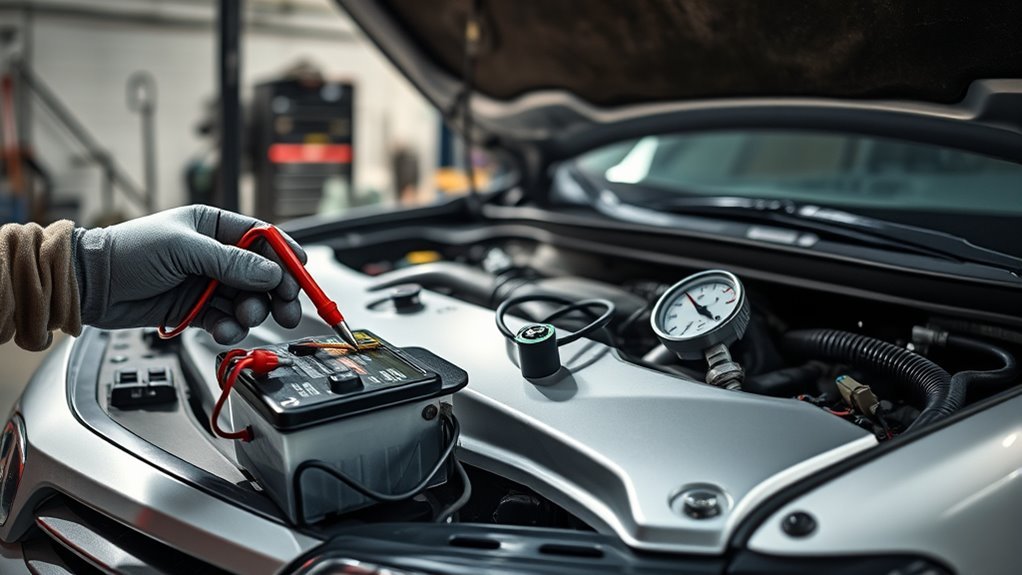
If your Toyota Camry door locks aren’t working, start by checking for common symptoms like buzzing noises or inconsistent locking behavior. Determine if it’s an electrical issue affecting all doors or an actuator problem with a single door. If you find an actuator failure, gather the necessary tools, and follow a step-by-step installation guide. Confirm all connections are secure during reassembly. Keep troubleshooting further issues for better lock performance as you continue.
Common Symptoms of Door Lock Actuator Issues
When dealing with door lock actuator issues in your Toyota Camry, you’ll likely notice several key symptoms. The most immediate sign is the failure of the door to lock or release using the remote or key fob. If you hear a buzzing or clicking noise during operation, that often indicates a malfunctioning actuator. When only one door fails to respond while the others work normally, it’s a clear sign of a problem isolated to that specific actuator. Inconsistent locking or releasing behavior—where the door occasionally works but then fails—typically points to actuator wear or damage. For effective actuator maintenance, conduct a visual inspection; look for signs of physical damage or corrosion, as these can greatly impact functionality. Addressing these symptoms promptly can help maintain your vehicle’s door lock mechanics and guarantee reliable operation.
Identifying the Type of Door Lock Issue: Electrical vs. Actuator Problems
When facing door lock issues in your Toyota Camry, it’s crucial to identify whether the problem stems from electrical components or the door lock actuator. If all doors are unresponsive, you may have an electrical issue, while a single door malfunction often signals actuator failure. Understanding these distinctions will guide your troubleshooting and repair efforts effectively.
Electrical Issues Overview
Identifying whether your Toyota Camry’s door lock issue stems from electrical problems or faulty actuators is vital for effective troubleshooting. If all doors fail to operate simultaneously, it likely points to issues with the electrical connections or relays rather than the door lock mechanisms themselves. Conversely, if just one door malfunctions and you hear a buzzing sound during operation, the actuator is probably the culprit. When all doors are unresponsive, seeking professional diagnosis is advisable, as the problem may involve complex electrical systems. If the remote entry fails while manual locks work, the key fob battery is likely at fault. Properly distinguishing between electrical and actuator issues is important for efficient repairs.
Actuator Failure Symptoms
Electrical issues can often masquerade as actuator problems, making it vital to recognize the specific symptoms of actuator failure. If you hear a buzzing sound when locking or releasing the door, it suggests the actuator is struggling to operate. A single door’s failure usually indicates a bad actuator, while multiple doors not responding points to electrical issues. For instance, if the remote lock/release feature fails but manual locking works, the problem likely lies with the key fob battery. Identifying whether it’s an actuator-related issue or an electrical problem is important for determining repair costs. Understanding different actuator types can help you make informed decisions about repairs and guarantee an effective resolution.
Troubleshooting Steps Explained
To effectively troubleshoot door lock issues in your Toyota Camry, start by determining whether the problem affects all doors or just one. This distinction helps identify the issue type: electrical problems affect all doors, while actuator issues typically impact a single door.
| Issue Type | Symptoms | Action Required |
|---|---|---|
| Electrical | All doors non-functional | Check relay and wiring |
| Actuator | One door buzzing | Replace actuator |
| Remote Failure | Key fob not working | Replace key fob battery |
| Manual Locking | Works fine | No action needed |
| Actuator Lifespan | Old parts may fail | Consider replacement |
Replacing a Door Lock Actuator: A Step-by-Step Guide
Before you start replacing the door lock actuator, gather the necessary tools, including a Torx screwdriver and a panel removal tool. Be mindful of common installation mistakes, like improper alignment of the actuator or failing to reconnect electrical connectors. With the right preparation, you can guarantee a smooth replacement process.
Tools Required For Replacement
When you’re ready to replace the door lock actuator in your Toyota Camry, having the right tools on hand simplifies the process. You’ll need a Torx screwdriver set, a flathead screwdriver, and a socket wrench to remove screws and bolts. A trim removal tool is essential for accessing internal components without damaging the door panel. To detach electrical connectors securely, keep needle-nose pliers handy. Always opt for a replacement actuator designed for your specific Camry model to guarantee compatibility. Remember to wear safety glasses and gloves to protect yourself from sharp edges and electrical components. Following these actuator maintenance tips and tool safety precautions will make your repair smoother and safer.
Common Installation Mistakes
Installing a door lock actuator in your Toyota Camry can be straightforward, but several common mistakes can hinder proper functionality. One major installation pitfall is neglecting connector checks; verify all electrical connectors are securely reattached to avoid issues. Additionally, double-check the alignment of the locking rod during installation to guarantee proper locking and releasing action. Be cautious not to damage the door panel clips while disassembling, as broken clips can cause rattling noises upon reassembly. Moreover, secure the window track rail correctly to allow adequate space for the actuator’s movement. Finally, test the door locking mechanism multiple times before finalizing the assembly to confirm that the new actuator is functioning correctly.
Troubleshooting Remote Lock/Unlock Issues in Your Car?
Have you noticed your Toyota Camry’s remote lock/unlock feature isn’t working? Start by confirming the issue is with the remote, not the car itself. Manually lock and unlock the doors to isolate the problem. The most common culprit is a dead key fob battery.
Here’s a quick troubleshooting guide:
| Step | Action |
|---|---|
| 1. Check Battery | Replace with recommended battery types. |
| 2. Test Remote | After replacement, test the remote again. |
| 3. Inspect Electrical Issues | Look for blown fuses or faulty relays. |
If the remote still fails, consult your vehicle’s manual for specific key fob maintenance tips. This will help you guarantee proper troubleshooting and restore your lock/unlock functionality efficiently.
What Tools and Parts You’ll Need for the Repair
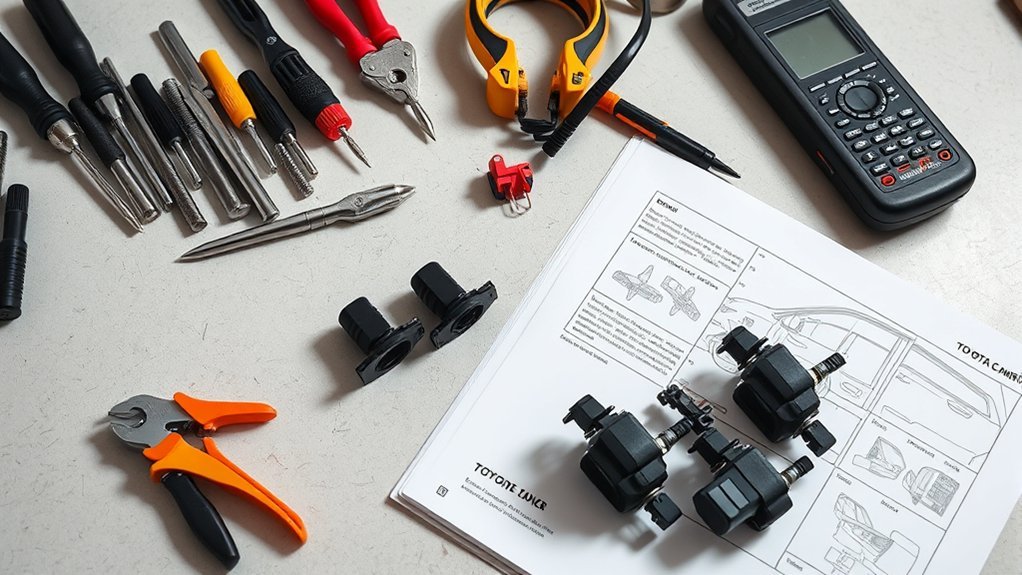
To successfully repair the door locks on your Toyota Camry, you’ll need a few essential tools and replacement parts. Start with a set of Torx screwdrivers to remove the screws securing the door panel and actuator. A flathead screwdriver or a plastic trim removal tool is vital for prying off the plastic panel and separating body clips without damaging them.
You’ll also require a compatible OEM door lock actuator for your specific model year, ensuring proper function with various door lock types. Inspect electrical connectors for any damage; if you find snipped wires, wire strippers will help you make necessary repairs. Additionally, having a multimeter on hand is advisable to diagnose any lingering electrical issues after installation. By gathering these tools and parts, you’ll empower yourself to tackle the repair efficiently and effectively.
Reassembling the Door for a Secure Fit
Reassembling the door of your Toyota Camry requires careful attention to detail to guarantee a secure fit. Start by verifying all electrical connectors are securely reattached. This step is essential for connector security, preventing any malfunctioning of the door locks and other components. Next, align the door panel with the body of the car, confirming that all clips and tabs fit snugly into their respective slots. This proper door panel alignment is critical for structural integrity.
Reinstall the screws for the door handle, window control, and armrest in the correct order to maintain a solid build. Before securing the panel, double-check that the locking rod for the actuator is properly engaged. Finally, conduct a test of the door locking mechanism after reassembly. This confirmation step guarantees everything operates smoothly, allowing you to enjoy the liberated functionality of your Camry’s door locks.
Common Mistakes to Avoid After Replacing an Actuator
After replacing the actuator, it’s vital to avoid common mistakes that could compromise the functionality of your door locks. First, verify all electrical connections are securely reattached; loose connections can prevent the actuator from functioning properly. Next, double-check the actuator alignment by confirming that the metal rod is correctly positioned and securely connected to avoid any misalignment issues.
When reassembling, don’t force the door panel back onto the door—make sure all clips and screws are accurately positioned to prevent damage. Additionally, test the locking mechanism before fully reassembling the door; this helps catch any issues early on. Finally, keep track of all removed screws and components during disassembly to avoid missing parts during reinstallation. By paying attention to these details, you’ll enhance the reliability and performance of your newly installed actuator.
Frequently Asked Questions
Why Is My Toyota Camry Not Locking?
Your Toyota Camry might not lock due to key fob issues or a faulty door lock actuator. If manual locks work, focus on replacing the fob battery or diagnosing the actuator for a quick fix.
How Much Does It Cost to Fix a Car Central Locking System?
Fixing a car’s central locking system typically costs between $100 and $400. Your cost breakdown includes labor (50-70% of total) and parts, with repair options varying based on complexity and required components.
Conclusion
In summary, tackling your Toyota Camry’s door lock issues can feel like maneuvering through a maze, but with the right tools and steps, you can find your way out. By understanding the symptoms and identifying the root cause, you’re well-equipped to replace the actuator and restore functionality. Remember to double-check your work and avoid common pitfalls. Soon you’ll be locking and releasing your doors with ease, just like a well-oiled machine.