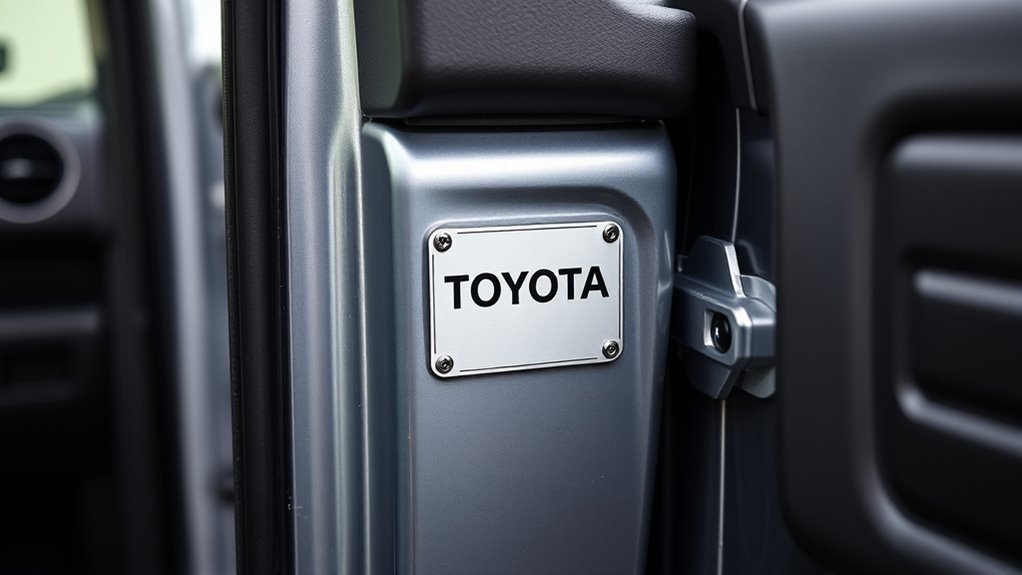
Your Toyota Tundra’s driver-side door-jamb area can show several important labels: the certification label, the tire and loading information label, and sometimes a dealer, distributor, or alterer addendum label. Together, these labels help you confirm GVWR, GAWR, tire/load information, payload limits, and any recorded equipment changes before you haul cargo or tow a trailer.
Quick Answer
A Tundra door-jamb sticker helps you confirm the truck’s rated weight limits before loading. Check the certification label for GVWR and GAWR, the tire/loading label for occupant-and-cargo capacity, and any addendum label for dealer or distributor equipment. Then subtract passengers, cargo, and actual tongue weight from payload.
Key Takeaways
- GVWR is the maximum loaded weight of the truck; GAWR is the maximum allowed load on each axle.
- Payload is used by passengers, cargo, bed gear, accessories, and trailer tongue weight.
- A “zero-pound” note only means no change is recorded on that label; it does not replace scale verification.
- Airbags, helper springs, and heavier tires may improve handling or tire capacity, but they do not raise the certified GVWR or payload.
- The safest check is a loaded public-scale weigh-in with front axle, rear axle, and combined weight documented.
At a Glance
| Time Required | 10 minutes to read labels; 30–60 minutes if using a public scale |
| Difficulty | Easy |
| Tools Needed | Phone camera, calculator, tire-pressure gauge, scale ticket, and tongue-weight scale if towing |
| Cost | Usually free to read labels; public scale fees vary by location |
What the Tundra Door-Jamb Sticker Shows: Payload, GVWR, GAWR, and Modifications
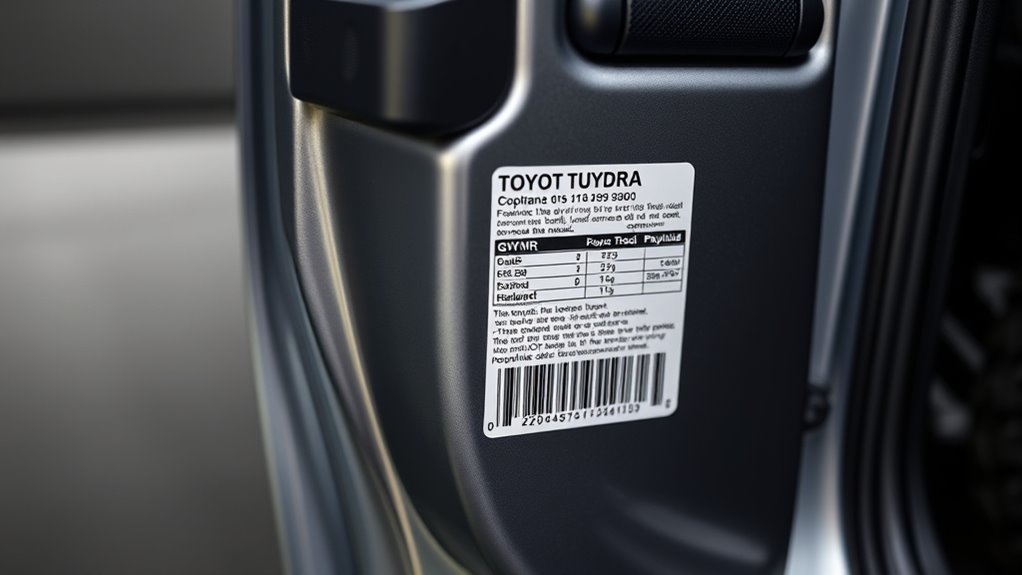
When you open the driver-side door, look for more than one label. The federal certification label is the main place to verify the truck’s GVWR and GAWR. GVWR is the maximum allowable loaded truck weight. GAWR is the maximum allowable weight on the front or rear axle.
The tire and loading information label is where you typically find the occupant-and-cargo load statement. Toyota’s owner material also warns that overloading can damage tires and reduce steering and braking performance, so these numbers are not just paperwork—they are safety limits.
| Label or rating | What it tells you | How to use it |
|---|---|---|
| Certification label | GVWR, GAWR, VIN, manufacturer information, and compliance data | Do not exceed the total GVWR or either axle’s GAWR |
| Tire and loading information label | Occupant-and-cargo capacity and recommended tire information | Start your payload calculation here |
| Dealer, distributor, or alterer label | Recorded equipment changes, added weight, or rating changes when applicable | Compare it with the factory label, window sticker, and dealer paperwork |
| Scale ticket | Actual loaded front axle, rear axle, and gross vehicle weight | Use it to verify the truck as loaded, not just as rated |
Warning: Never exceed the lowest applicable rating: payload, GVWR, front GAWR, rear GAWR, tire load rating, hitch rating, trailer GVWR, or Toyota’s published towing limit for your exact truck.
Where to Find the Tundra Door-Jamb Sticker and How to Read the Numbers
Open the driver-side door and check the door-latch post, hinge pillar, door edge, and nearby jamb area. Federal rules place the certification label where it is easy to read without moving anything except the outer door, and Toyota’s camper information identifies the certification label location as the left-side door latch post.
Read the labels in this order:
- Find the GVWR. This is the truck’s maximum loaded weight.
- Find the front and rear GAWR. These keep you from overloading one axle even if total weight looks acceptable.
- Find the occupant-and-cargo capacity. This is the practical payload starting point for people, cargo, accessories, and hitch load.
- Check for addendum or alterer labels. These may list equipment weight or rating changes made before sale.
- Photograph every label. Save clear photos with the VIN, scale tickets, and dealer paperwork.
Note: Do not assume curb weight is printed on every door-jamb label. If you need curb weight, use Toyota’s specifications for your exact model or weigh the truck with full fluids and no cargo.
Calculate Usable Payload: Passengers, Cargo, Accessories, and Tongue Weight
Usable payload is what remains after you account for real-world weight. Use this formula:
Usable payload = sticker payload − passengers − cargo − added accessories − trailer tongue weight
Do not use a guessed tongue weight. Use the trailer manufacturer’s loaded tongue-weight guidance, a dedicated tongue-weight scale, or a public-scale method. Tongue weight counts against the truck’s payload because it pushes down on the hitch and rear axle.
| Example item | Weight |
|---|---|
| Sticker payload | 1,400 lb |
| Driver and passengers | -500 lb |
| Cooler, tools, luggage, and bed cargo | -250 lb |
| Dealer/aftermarket accessories added after the label | -100 lb |
| Measured trailer tongue weight | -550 lb |
| Remaining usable payload | 0 lb |
This example shows why a Tundra that looks capable on paper can run out of payload before it runs out of engine power or advertised tow rating.
[Products Worth Considering]

These TPE door anti‑kick pads provide durable, water‑resistant protection for Toyota Tundra doors from 2022 to 2026. They fit precisely, are easy to install with double‑sided tape, and can be cleaned simply with water. The pads guard against scuffs and impacts while preserving the door's appearance and smooth operation.

The Pigenius windshield sunshade protects your Tundra's interior from heat and UV damage while keeping the cabin cool. Its accordion design folds easily for storage and quick setup, and the triple‑laminate construction provides durable, reflective protection. Ideal for long trips and daily commutes, it guards dashboards, seats, and steering wheels from sun‑related wear.

The SCUARI Wiper Arm Removal Tool offers a durable carbon steel construction and an adjustable knob for flexible height control, making it easy to detach wiper arms on cars, SUVs, and trucks. Its rotating handle and secure locking screw ensure safe, damage‑free removal, while the compact collar fits most standard wiper arm sizes. Ideal for both DIY owners and professional mechanics seeking quick, reliable service.
How Accessories and Distributor Labels Change Payload and GVWR Numbers
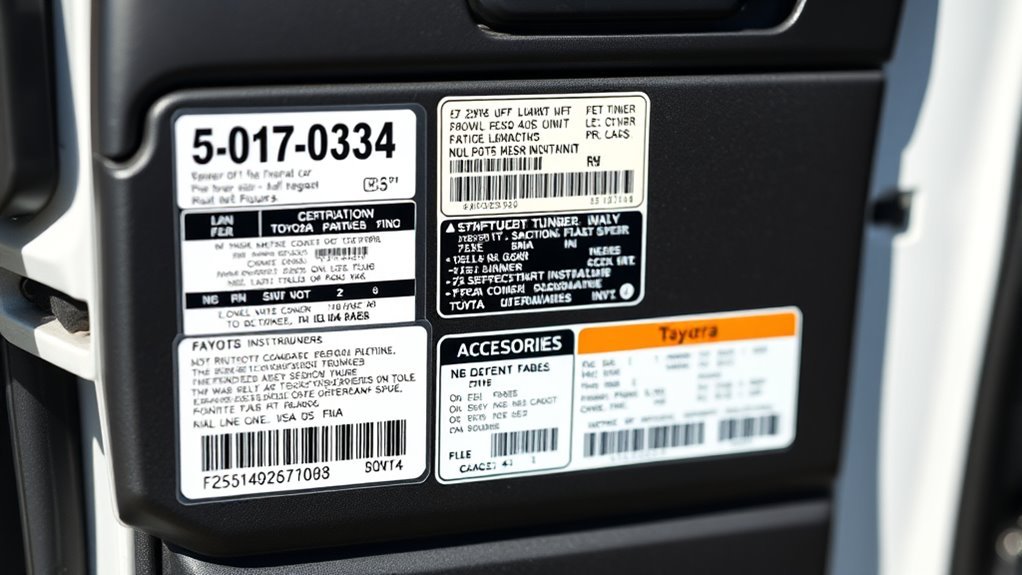
Accessories add real weight. Running boards, bed racks, tonneau covers, toolboxes, winches, skid plates, larger wheels, bed caps, and hitch equipment can all reduce the amount of payload left for people and cargo. Some equipment may be recorded on a dealer or distributor addendum label; other aftermarket parts may not be reflected on any factory label.
Regional distributors such as Southeast Toyota or Gulf States Toyota may add accessories before a vehicle reaches the selling dealer. If you see a separate label or addendum, compare it against the VIN, window sticker, purchase paperwork, and the equipment installed on the truck.
- Ask the dealer which accessories were installed before sale and how much each weighs.
- Keep the Monroney/window sticker, addendum label, and accessory invoices.
- Do not rely only on “zero-pound” notes if the truck has visible added equipment.
- Recalculate payload after every meaningful accessory change.
[Products Worth Considering]

Protect your vehicle's door handles and bowls with high-quality, reflective, self‑adhesive stickers that resist scratches, water, heat and fading. The subtle reflective glow improves night‑time visibility, enhancing safety while adding a sleek, luxurious look. Easy to install and durable, they fit most cars, trucks, SUVs and RVs.

The SINGARO Car Door Edge Guard provides durable protection for vehicle doors with its high-quality PVC natural rubber and stainless steel core, preventing damage from accidental impacts and wear. Easy to install by cutting and clamping, it fits cars, trucks, SUVs, and ATVs, and can also be used for sealing edges on other surfaces. Its flexible design ensures smooth door operation while safeguarding the vehicle exterior.

Vehicle Fit:The Car Gear Shift Panel Trim Cover is compatible with Tundra / Sequoia 2022-2025 2026. Simply remove the double-sided adhesive and stick it on, will not affect the use of the gear shift or button.
When a Modification or Alterer Label Is Required
A new label is not required for every small accessory. Federal certification rules distinguish between ordinary readily attachable components and alterations that affect the vehicle’s certified ratings, vehicle type, or compliance with applicable standards. If a vehicle is altered before first retail sale in a way that affects its ratings or compliance, the alterer has certification responsibilities and may need to add a label without covering the original manufacturer label.
For you as the owner, the practical rule is simple: if a label, addendum, or dealer paperwork says weight ratings changed—or if the truck has equipment that clearly adds weight—document it and verify the loaded truck on a scale.
Pro Tip: Before buying a Tundra for RV towing, photograph the certification label and tire/loading label, then ask the dealer for the exact payload number after all installed options.
Verify Your Truck’s Real Payload: Step-by-Step Weighing and Documentation
The label gives you ratings. A scale tells you what your truck actually weighs. Use the same load you plan to travel with: passengers, fuel, pets, tools, cooler, bed gear, hitch equipment, and trailer tongue weight if towing.
- Start with label photos. Capture GVWR, GAWR, tire/loading information, VIN, and any addendum label.
- Load the truck normally. Include people, cargo, hitch equipment, and full travel gear.
- Weigh the truck without the trailer if possible. Record front axle, rear axle, and total weight.
- Weigh again with the trailer hitched. Record how tongue weight changes rear axle load and total truck weight.
- Compare the numbers. Total truck weight must stay at or below GVWR, and each axle must stay at or below its GAWR.
- Adjust before driving. Remove cargo, shift load, reduce water/fuel/cargo in the trailer, or choose a lighter trailer if needed.
- Save the ticket. Keep scale tickets with your maintenance records and towing setup notes.
Toyota’s camper information also advises weighing front and rear wheels separately when carrying a truck camper so axle loads can be compared with GAWR. The same habit is useful for heavy cargo and RV towing.
Common Discrepancies: “Zero-Pound” Notes, Sticker Mismatches, and Next Steps
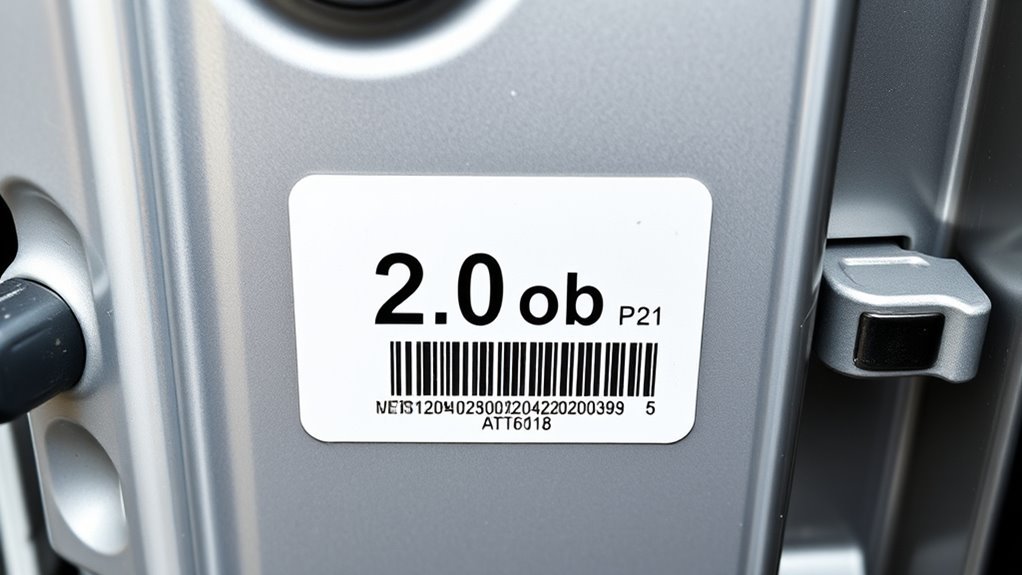
If you see a “zero-pound” note, treat it as a record for that specific label—not as proof that nothing on the truck adds weight. A later toolbox, larger tires, bed rack, or hitch accessory may not appear on the original label.
Use this troubleshooting checklist when numbers do not match:
- Sticker payload differs from online specs: trust the truck-specific label first, then verify with Toyota documentation and a scale.
- Dealer addendum shows accessories: ask for itemized weights and installation dates.
- Scale ticket exceeds GVWR or GAWR: remove weight or change the towing/cargo setup before driving.
- Truck has aftermarket suspension helpers: remember they do not raise certified GVWR, GAWR, or payload.
- VIN paperwork does not match the truck: stop and ask the dealer or Toyota for written clarification.
Quick Checklist Before Towing an RV: Read, Weigh, Document, and Adjust
Before hitching an RV, confirm the truck’s actual loaded weight—not just the advertised tow rating. Payload often becomes the limiting number because passengers, bed cargo, hitch equipment, and trailer tongue weight all sit on the truck.
- Read the driver-side certification label and note GVWR and front/rear GAWR.
- Read the tire/loading label and note the occupant-and-cargo capacity.
- Measure or verify loaded trailer tongue weight.
- Weigh the truck fully loaded, ideally with separate front and rear axle readings.
- Confirm the truck is under GVWR and both axle ratings.
- Confirm tire pressure and tire load rating match the loaded setup.
- Save label photos, scale tickets, and dealer accessory paperwork.
Frequently Asked Questions
What information is on the Toyota Tundra door-jamb sticker?
The door-jamb area may include multiple labels. The certification label lists items such as GVWR, GAWR, VIN, and manufacturer compliance information. The tire and loading information label lists occupant-and-cargo capacity and tire information. Some trucks may also have a dealer, distributor, or alterer label showing added equipment or rating changes.
Why do some Toyota Tundras have a Texas sticker?
A Texas-related label can mean different things. Toyota Motor Manufacturing Texas in San Antonio produces Tundra and Tundra HEV, so some labels may relate to manufacturing or origin. Other stickers may be dealer, distributor, inspection, or addendum labels. Read the label title, match the VIN, and compare it with the window sticker and dealer paperwork.
Does trailer tongue weight count against Tundra payload?
Yes. Trailer tongue weight presses down on the hitch and becomes part of the load carried by the truck. Count it along with passengers, cargo, bed gear, and accessories when calculating usable payload.
What is the difference between payload and towing capacity?
Payload is how much weight the truck can carry on itself. Towing capacity is how much trailer weight the truck can pull when properly equipped. RV owners often run out of payload before reaching the advertised tow rating because tongue weight, passengers, and cargo all use payload.
Can airbags or helper springs increase my Tundra’s payload sticker number?
No. Suspension helpers may reduce sag or improve control when properly installed, but they do not change the certified GVWR, GAWR, or payload shown for the truck. You still need to stay within the ratings on the labels and verify weight on a scale.
What should I do if my Tundra’s labels and paperwork disagree?
Photograph every label, save the window sticker and dealer addendum, then ask the dealer or Toyota for written clarification tied to your VIN. Until the conflict is resolved, use the most conservative number and verify the loaded truck on a public scale.
Conclusion
Your Tundra’s door-jamb labels are the starting point for safe loading, not the final proof of what your truck weighs today. Read the GVWR, GAWR, tire/loading information, and any addendum labels. Then calculate payload with passengers, cargo, accessories, and measured tongue weight included. If the numbers are close, get a scale ticket before towing or hauling heavy loads.
Sources
- Toyota Owners — 2025 Tundra Vehicle Load Limits — supports Toyota’s overloading warning and cargo/load-limit guidance.
- Toyota Owners — 2025 Tundra Trailer Towing — supports towing safety and the need to avoid overloading vehicle or trailer.
- Toyota 2026 Tundra Camper Information — supports GVWR/GAWR, axle weighing, and certification-label location guidance.
- 49 CFR 567.4 — Certification Label Requirements — supports federal certification label placement and required label framework.
- 49 CFR 571.110 — Tire Selection and Loading Information — supports tire/loading terminology and load-carrying information requirements.
- Toyota Motor Manufacturing Texas — Toyota USA Newsroom — supports the Texas manufacturing context for Tundra and Tundra HEV.