Differential and transfer-case fluid protects the gears that send power to your Toyota Tundra’s wheels. The right service interval depends on your model year, drivetrain, towing habits, off-road use, and the fluid condition. The safest rule is simple: check your exact owner’s manual first, then shorten the interval if the truck tows, hauls, runs off-road, or has an unknown service history.
Quick Answer
For normal driving, Toyota commonly lists differential and transfer-case oil as inspection items and replacement when condition requires it. Many owners still choose a 50,000–60,000-mile preventive change. If you tow, haul, use a car-top carrier, or drive off-road, follow the severe-service schedule in your model-year manual, often around 15,000–30,000 miles depending on the component.
Key Takeaways
- Do not use one interval for every Tundra; check the Toyota owner’s manual page for your exact year.
- Normal-use schedules often call for inspection, while severe use can require earlier replacement.
- Use the exact differential and transfer-case fluid specification in the manual; do not assume all Tundras use the same oil.
- Always remove the fill plug before draining, support the truck safely, and recycle used oil properly.
At a Glance
| Time Required | About 1–2 hours for rear differential, front differential, and transfer case |
| Difficulty | Moderate DIY job |
| Tools Needed | Fluid pump, drain pan, correct sockets/hex keys, torque wrench, new gaskets or crush washers, gloves, eye protection |
| Cost | Varies by model, fluid capacity, shop labor, and whether you already own the tools |
Toyota Tundra Differential Fluid Interval: Normal vs. Severe Use
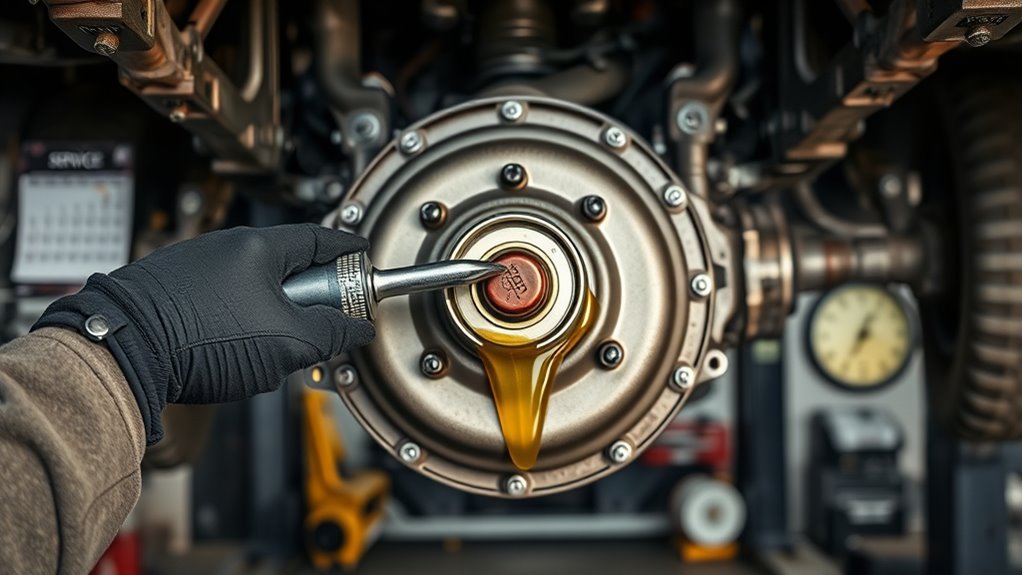
The best interval is the one listed in your model-year Toyota maintenance guide. For current Tundra maintenance guidance, Toyota separates normal service from special operating conditions. Under normal driving, the schedule often lists the front differential oil, rear differential oil, and transfer-case oil as inspection items. Under special operating conditions, Toyota can call for replacement at shorter intervals, especially if the truck tows, carries heavy loads, or uses a car-top carrier.
| Driving Use | Best Interval Guidance | Practical Takeaway |
|---|---|---|
| Normal commuting and light driving | Inspect on the factory maintenance schedule and replace if the oil is contaminated, low, leaking, or overdue by owner preference. | A preventive change around 50,000–60,000 miles is reasonable, but it should not be presented as the same factory rule for every Tundra. |
| Towing, heavy loading, or car-top carrier use | Follow the “special operating conditions” section of the Toyota maintenance guide for your exact year. | Expect shorter service intervals, commonly in the 15,000–30,000-mile range depending on component and model year. |
| Off-road, water crossings, mud, sand, or dusty roads | Inspect more often and replace fluid immediately if water, grit, metal debris, or a burnt odor is found. | One deep-water crossing can justify an early fluid change even if mileage is low. |
| Used truck with unknown history | Change the rear differential, front differential if 4WD, and transfer-case fluid if equipped unless records prove recent service. | A baseline service removes uncertainty and gives you a clean maintenance record. |
Note: A 2WD Tundra has a rear differential, but it does not have a front differential or transfer case to service. A 4WD Tundra has all three service points.
Toyota Recommendations and Official Fluid Specs
Toyota’s official maintenance information is model-year specific. Before buying fluid, open the correct owner’s manual or warranty and maintenance guide for your truck. The same “Tundra” name covers multiple generations, engines, axles, transfer cases, and fluid specifications.
For differentials, many Toyota applications specify a gear oil that meets the required Toyota grade and an axle lubricant classification such as API GL-5. API GL-5 is intended for gears, particularly hypoid axle gears, operating under high-speed shock-load or low-speed high-torque conditions. That makes it relevant to differential oil selection when your manual calls for it. However, the transfer case may require a different Toyota fluid, so do not automatically pour the same gear oil into the transfer case unless your manual says it is correct.
Warning: Never guess on fluid viscosity, GL rating, or transfer-case fluid type. The wrong fluid can cause noise, poor lubrication, seal issues, or drivetrain damage. Match the label on the fluid bottle to the exact specification in your owner’s manual.
How to Inspect Differential and Transfer-Case Oil Quickly
A quick inspection helps you decide whether a fluid change can wait or should happen now. Work on a level surface, let hot components cool enough to touch safely, and wear gloves and eye protection.
- Find the fill plug first. Make sure it can be loosened before removing any drain plug. If you drain the oil and then discover a seized fill plug, the truck may be stuck.
- Check for leaks. Look around the differential cover or housing, axle seals, pinion seal, transfer-case seams, and drain/fill plugs.
- Sample the oil. If possible, draw a small sample from the fill hole. Clear amber or lightly darkened oil is usually less concerning than oil that smells burnt, looks milky, or contains visible grit.
- Inspect the drain-plug magnet if equipped. Fine gray paste can be normal. Chunks, flakes, or heavy metal buildup are warning signs.
- Record what you find. Note the odometer, oil condition, leaks, noises, and whether towing or off-road use has increased since the last service.
Milky oil usually points to water contamination. Burnt odor can point to overheating or heavy use. Low level can mean a leak. Any of these findings should move the fluid change to the top of your maintenance list.
[Products Worth Considering]
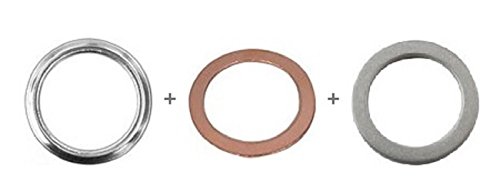
GENUINE TOYOTA GASKET KIT

Toyota Lexus Transfer & Differential Service Gasket Kit

Complete 12-piece service kit with 3 types of crush washers: 6pcs steel (OEM 12157-10010) 18mm / 0.71in ID x 24mm / 0.94in OD x 2.5mm / 0.10in, 4pcs aluminum (OEM 90430-A0003) 18mm / 0.71in ID x 24mm / 0.94in OD x 2mm / 0.08in, 2pcs copper (OEM 90430-24017) 24mm / 0.94in ID x 32mm / 1.26in OD x 2mm / 0.08in. Total 12 pieces = enough for 2 complete differential and transfer case fluid services.
When to Shorten Intervals: Towing, Off-Road, and Heavy Use
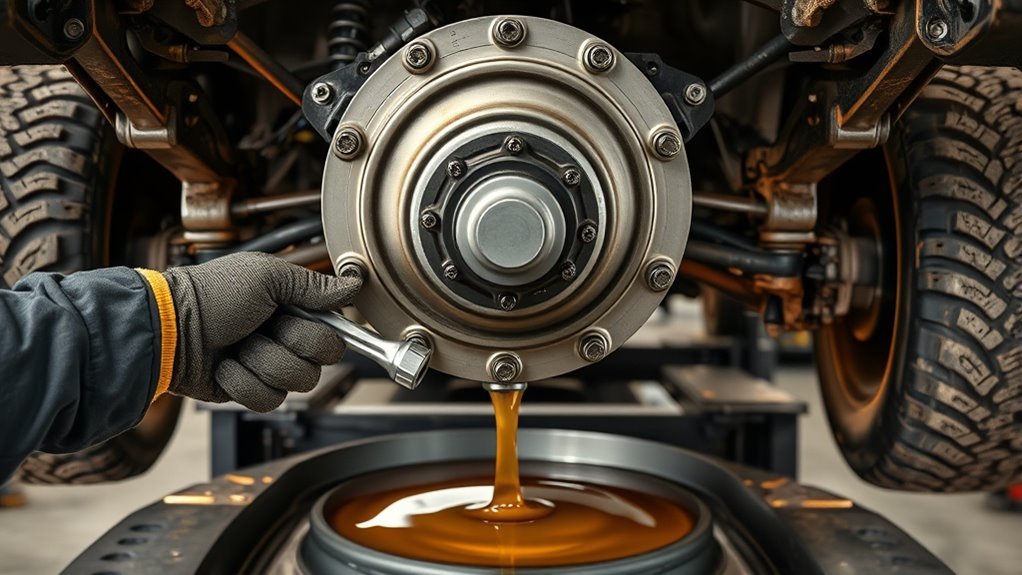
Heat and contamination are the two big reasons differential and transfer-case oil wears out early. Towing raises gear loads and oil temperature. Off-road driving adds shock load and increases the chance of water, mud, or dust contamination. Heavy payloads, steep grades, hot climates, and frequent 4WD use also make the fluid work harder.
[Products Worth Considering]

Compatible With Toyota Lexus Scion Transfer Case And Differential Service Transfer & Differential Service Gasket Kit

Precise Replacement: Top hex head size is 24 mm, thread specification is M18 x 1.5, thread length is 11.5 mm, and thread diameter is 17.8 mm. Each set includes 1 drain plug and 2 sealing gaskets. The rear differential fill plug is a direct replacement for OEM part 90431-18057
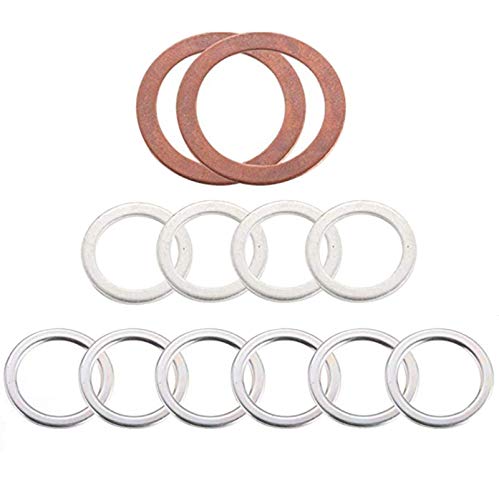
All the gaskets you need for the Toyota diffs and transfer case. There are 2 washers that look the same, those are for the transfer case. Then you have 3 washers that look the same - 2 are for the rear diff and 1 is for the front. The copper one is also for the front diff.
Towing and Load Frequency
If your Tundra tows only a few times per year and the fluid stays clean, the factory maintenance guide may be enough. If it tows frequently, hauls near payload limits, or spends time in mountain grades and summer heat, use the severe-service schedule. On many trucks, that means thinking in terms of 15,000–30,000-mile service windows instead of waiting for a long normal-use interval.
- Occasional towing: inspect regularly and consider a preventive change earlier than a commuter truck.
- Frequent towing: follow the special operating conditions chart in your maintenance guide.
- Heavy or commercial use: inspect more often and change fluid whenever it smells burnt, turns milky, shows heavy metal debris, or has been overheated.
Off-Road and Severe Conditions
Off-road service is not just about mileage. Mud, water, sand, and repeated low-speed torque can contaminate or overheat fluid quickly. After deep water, check the differentials and transfer case as soon as practical. If the oil is milky or foamy, change it immediately.
Pro Tip: If you off-road often, keep spare drain/fill plug gaskets or crush washers in your maintenance kit. They are cheap insurance against slow leaks after service.
Which Fluids to Use: Grades, GL-5, and Toyota Options
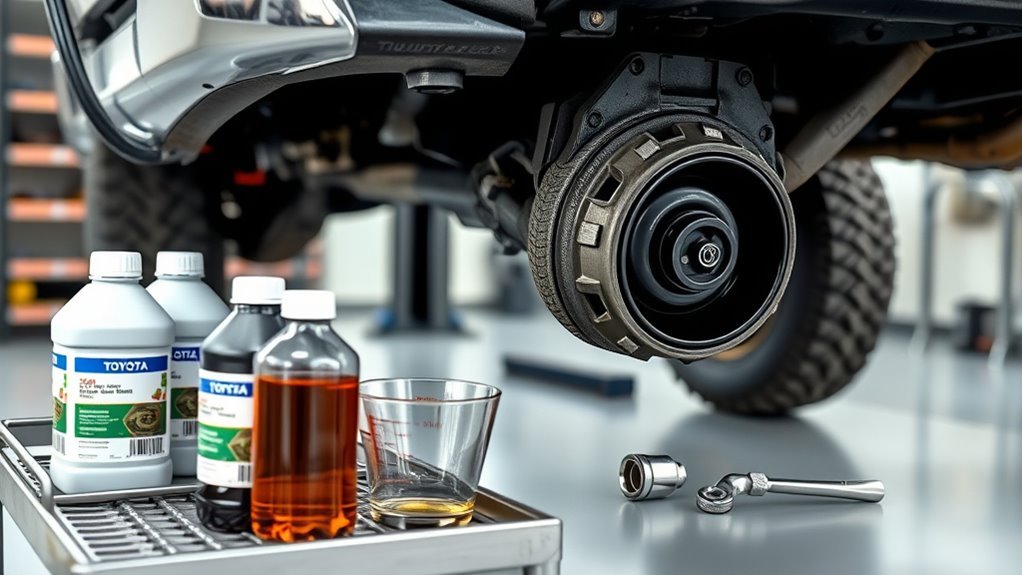
The correct fluid is not chosen by brand alone. It is chosen by the Toyota specification for your exact truck. Check the owner’s manual, the maintenance guide, or a Toyota parts counter with your VIN.
| Component | What to Verify | Important Note |
|---|---|---|
| Rear differential | Toyota-approved gear oil grade, viscosity, GL rating, capacity, and plug torque. | This is the service point every Tundra has. |
| Front differential | Toyota-approved differential oil for your model year and 4WD axle. | Applies to 4WD models only. |
| Transfer case | Exact Toyota transfer-case fluid specification and capacity. | Do not assume it uses the same oil as the differential. |
| Limited-slip or locking axle | Whether the manual calls for limited-slip-compatible fluid or a friction modifier. | Do not add friction modifier unless the exact axle/fluid specification requires it. |
When your manual calls for a GL-5 differential oil, choose a product that clearly states that it meets the required specification. The ASTM D7450 GL-5 rear axle lubricant standard also describes GL-5-type lubricants as intended for automotive axles, particularly hypoid gears, under high-load conditions.
[Products Worth Considering]

For best performance, follow the manufacturer's recommendations in your vehicle owner’s manual.
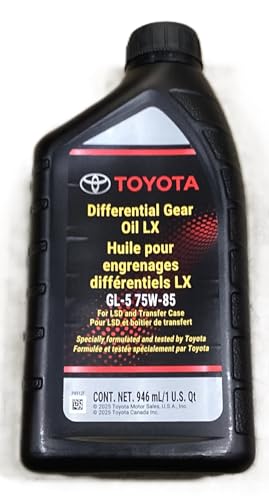
GENUINE TOYOTA: Specially formulated and tested differential gear oil designed specifically for Toyota LSD and transfer case applications

SATISFIES REQUIREMENTS - for gear oil viscosity of SAE 75W80, 75W, 80W and 85W, as well as SAE 30 and SAE 10W30 motor oil
DIY vs. Dealer: Cost, Time, Tools, Checklist
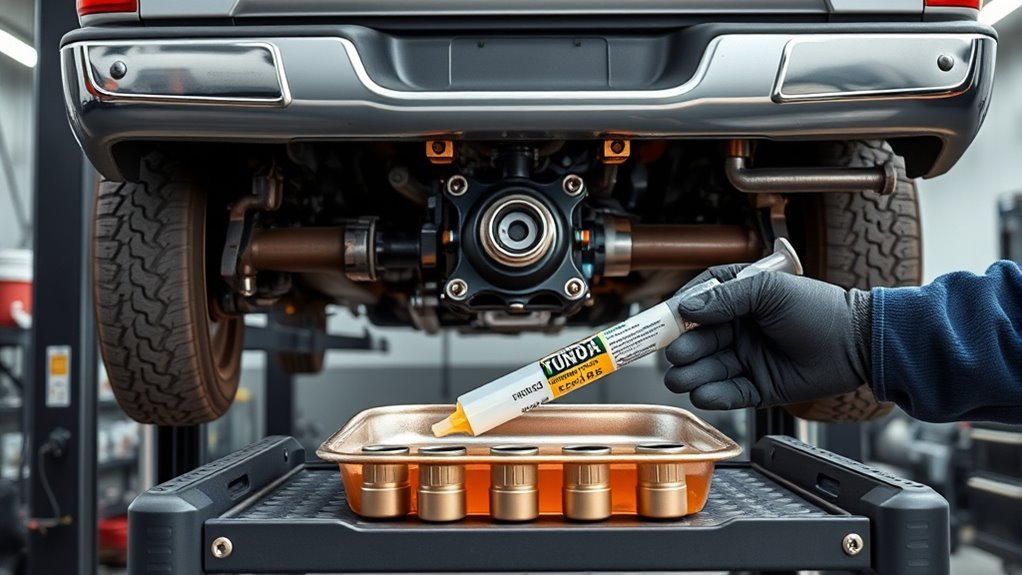
A Tundra differential and transfer-case fluid service is a manageable DIY job for careful owners, but it must be done safely. The truck should be level during filling, because many driveline components are filled until the fluid reaches the bottom of the fill opening. If the truck is tilted, the level can be wrong.
Warning: Never rely on a jack alone while working under a truck. Use properly rated jack stands on a solid surface, chock the wheels, and follow safe lifting points from the owner’s manual.
- Confirm the specs. Check the manual for fluid type, capacity, drain/fill plug torque, and gasket or crush washer requirements.
- Gather tools. You will usually need a drain pan, fluid pump, sockets or hex keys, torque wrench, gloves, eye protection, and replacement washers or gaskets.
- Loosen the fill plug first. This is the most important DIY rule.
- Drain the old fluid. Remove the drain plug, inspect the oil, and clean the plug magnet if equipped.
- Replace the washer or gasket. Reusing crushed washers can cause slow leaks.
- Refill to the correct level. Pump in the specified fluid until it reaches the manual’s fill-level requirement.
- Torque the plugs. Use the torque spec for your exact component and model year.
- Check for leaks. Road-test the truck, then recheck around the plugs and seals.
A dealer or independent shop is a good choice if the fill plug is seized, the truck has leaks, you are unsure about the fluid specification, or you do not have a safe way to support the vehicle.
Interval Options: Conservative, Standard, Aggressive Schedules
There is no single perfect interval for every Tundra. Use the schedule below as a practical planning guide, then confirm it against your exact Toyota manual.
| Schedule Style | Best For | How to Use It |
|---|---|---|
| Manual-first normal service | Daily driving with little towing or off-road use. | Inspect on Toyota’s schedule and replace if fluid condition, leaks, noise, or mileage history justifies it. |
| Preventive owner schedule | Owners who keep trucks long-term and want a simple memory point. | Consider changing around 50,000–60,000 miles under normal use, while still inspecting sooner. |
| Severe-service schedule | Towing, heavy loading, frequent 4WD use, desert heat, steep grades, or work-truck duty. | Use the special operating conditions section of the Toyota maintenance guide, often 15,000–30,000 miles depending on component. |
| Condition-based immediate service | Water crossings, milky oil, burnt smell, heavy metal debris, leaks, or new gear noise. | Change the fluid now and inspect for the cause. |
Warning Signs and Basic Troubleshooting
Old or low differential oil can show up as noise, vibration, leaks, or abnormal wear. These symptoms do not always prove the differential is failing, but they do mean you should inspect the fluid and related components.
- Whine on acceleration or deceleration: Check fluid level and look for metal debris. Gear or bearing wear may need professional diagnosis.
- Grinding, clunking, or chatter: Inspect fluid condition, axle components, universal joints, driveshaft hardware, and suspension parts.
- Oil spots under the axle: Check plug gaskets, cover/housing seals, pinion seal, and axle seals.
- Milky fluid: Treat it as water contamination and replace the oil promptly.
- Burnt smell: Look for heavy towing, overheating, low oil level, or severe-duty use.
If you find large metal flakes, repeated leaks, or loud gear noise, do not rely on a fluid change alone. Have the axle or transfer case inspected before more damage occurs.
Recordkeeping, Parts, and Service Tips
A simple maintenance log helps you avoid guessing later. Record the date, odometer, component serviced, fluid brand and specification, quantity used, plug torque, washer or gasket part numbers, and what the old oil looked like. Keep receipts and take a photo of the bottle label so you can confirm the exact spec later.
Use genuine Toyota parts or parts that clearly match Toyota’s required specification. This is especially important for drain/fill plug washers, transfer-case fluid, and any axle that has special limited-slip requirements.
Used gear oil and transfer-case fluid should be collected in a clean drain pan, poured into a sealed container, and taken to a recycling or used-oil collection site. The U.S. EPA used-oil guide warns that used oil must be managed properly to prevent water and environmental pollution.
Frequently Asked Questions
How often should I change the differential fluid on my Toyota Tundra?
Check your model-year maintenance guide first. Under normal use, Toyota commonly schedules inspections and replacement when condition requires it. Many owners choose a preventive change around 50,000–60,000 miles. If you tow, haul, or drive off-road, follow the severe-service schedule, often around 15,000–30,000 miles depending on the component.
Should I change the front differential and transfer-case fluid at the same time?
If your Tundra is 4WD, servicing all driveline fluids together can be convenient, but the interval and fluid type may differ by component. A 2WD Tundra has no front differential or transfer case. Always verify the schedule and fluid specification for each service point.
What fluid should I use in a Toyota Tundra differential?
Use the exact Toyota-approved specification listed for your model year, axle, and drivetrain. Many differentials require a GL-5-type gear oil, but viscosity and Toyota part specifications vary. Do not choose fluid by internet advice alone.
Is dark differential oil always bad?
Not always. Slight darkening can happen with use. Milky oil, burnt odor, low level, visible grit, heavy metal flakes, or noise from the axle is more serious. If in doubt, changing the fluid is cheaper than ignoring contamination.
Can I change Tundra differential fluid myself?
Yes, if you can safely support the truck, identify the correct plugs, use the correct fluid, and torque the plugs properly. Always loosen the fill plug before draining. If a plug is seized, the axle is leaking, or you are unsure about the fluid spec, use a qualified shop.
Conclusion
Keep your Toyota Tundra’s drivetrain service simple: inspect the rear differential, front differential if equipped, and transfer case on the factory schedule; shorten the interval for towing, heavy loading, off-road use, water crossings, or unknown service history; and always use the exact fluid specification from your model-year manual. A careful fluid change with the right oil, new washers, proper torque, and good records can prevent avoidable wear and make long-term ownership easier.
Sources
- Toyota 2026 Tundra Warranty & Maintenance Guide — factory maintenance schedule and special operating conditions.
- Toyota Manuals and Warranties — model-specific owner manual and warranty resources.
- API Publication 1560 — API gear lubricant service designations, including GL-5.
- ASTM D7450-24 — rear axle gear lubricant performance for API Category GL-5 service.
- U.S. EPA Used Oil Quick Start Guide — safe used-oil handling and disposal guidance.