Use recirculate in your Camry when you want faster cooling, to keep out traffic exhaust or dust, or in stop‑and‑go heat; it reuses cabin air through the evaporator so the AC works more efficiently. Switch to fresh air to clear humidity and fog, remove stale or parked‑car odors, and restore oxygen on long drives; it draws filtered outside air and lowers cabin moisture. Alternate modes to protect HVAC performance, and keep reading for practical switch-and-maintenance tips.
Quick Decision: Recirculate or Fresh Air for a Camry
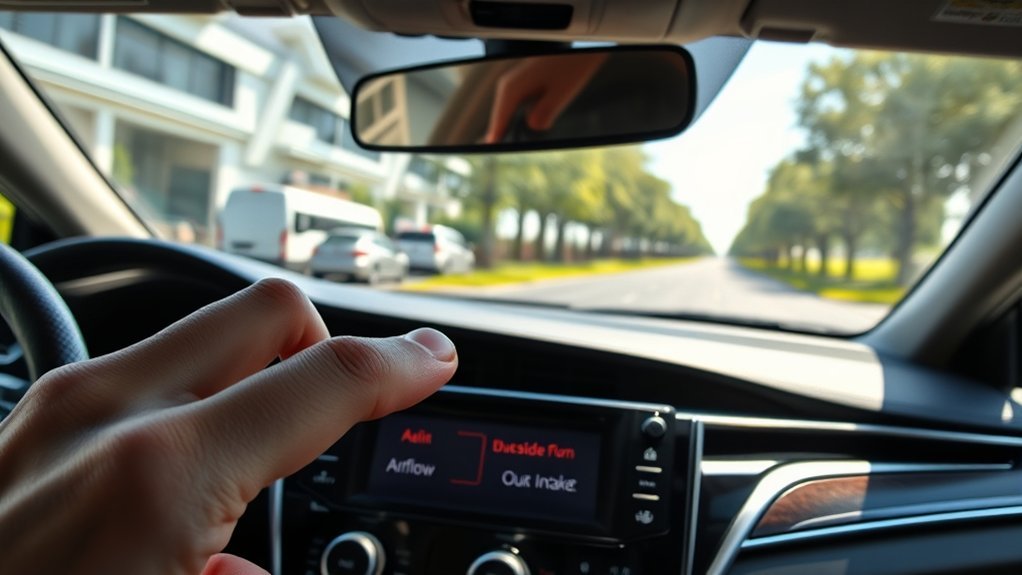
Wondering whether to hit recirculate or fresh air in your Camry? You’ll choose based on immediate needs: in hot weather or stop-and-go traffic, use recirculate to accelerate cooling and preserve conditioned air, tightening climate control efficiency. When humidity rises or windows fog, switch to fresh air to introduce outside air, disperse moisture, and improve air quality. On long drives or if strong odors appear, select fresh air to flush stale air and restore ventilation. If you’re driving through dust or pollution, engage recirculate to limit contaminants entering the cabin and maintain a cleaner environment. To prevent moisture buildup and sustain HVAC performance, alternate modes periodically rather than locking one setting indefinitely. You’re aiming for liberation from discomfort and distraction: control the cabin environment deliberately, monitor conditions, and toggle between recirculate and fresh air to balance rapid cooling, ventilation, and air quality with minimal effort.
How Recirculate Mode Works in a Camry
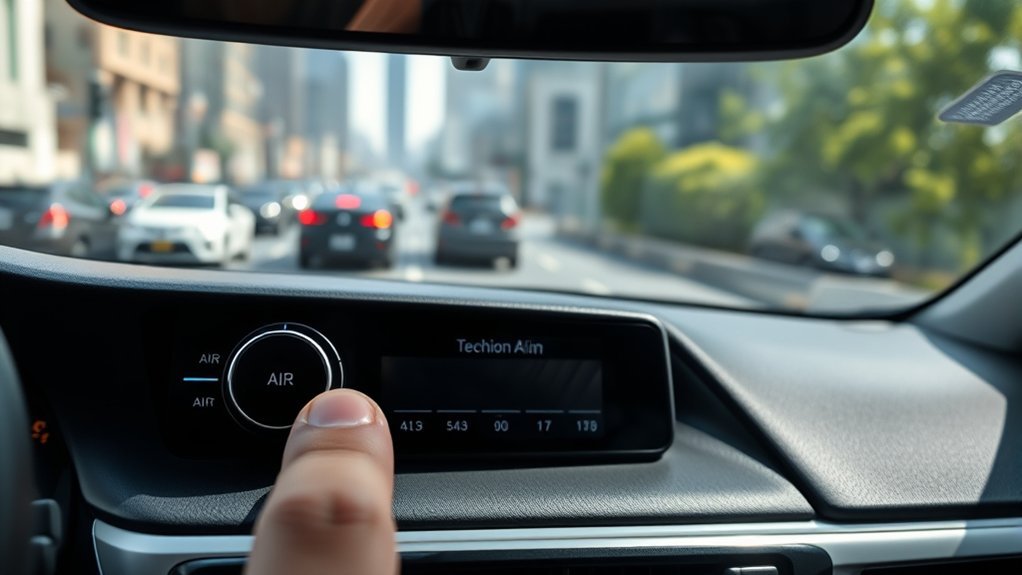
Now that you know when to pick recirculate or fresh air, here’s how recirculate mode actually works in a Camry. You press the button with the car icon and circular arrow to close external vents and reuse cabin air. The system routes interior air through the HVAC evaporator and blower, reducing the thermal load because you’re not constantly cooling hot outside air. That delivers immediate cooling and explains key recirculate advantages: faster temperature drops, more efficient AC operation, and steadier cabin temperatures in stop-and-go traffic or polluted environments. You’ll notice better control when external conditions are harsh, but you must manage humidity and stale air. Some Camry models auto-disable recirculate below about 75°F to balance comfort and system efficiency. To preserve liberation of movement and clear thinking, switch to fresh air periodically so moisture and contaminants don’t accumulate and air quality stays acceptable. Use recirculate strategically, not permanently.
How Fresh Air Mode Works in a Camry
You’ll activate fresh air mode to draw outside air through the intake vent at the base of the windshield and into the HVAC system. The incoming airflow passes the cabin air filter, which traps dust, pollen, and particulates before the air is distributed. This filtered exchange lowers cabin humidity and refreshes air without recirculating stale interior air.
How It Draws Outside Air
Fresh Air Mode draws outside air into the Camry by opening a dedicated intake vent and routing filtered outdoor air through the HVAC blower into the cabin. You’ll notice immediate Airflow dynamics: outside pressure differential and the blower speed control the volume moved, while dampers direct flow paths. The system gives clear Ventilation benefits—replacing stale cabin air, reducing humidity, and lowering particulate load when conditions allow. It engages automatically or by your selection, ideal on highways or when outside air is clean. You’ll use it to prevent window fogging in humid conditions and to refresh the interior atmosphere.
- Intake vent opens at the base of the windshield
- Blower forces air through ductwork
- Dampers choose cabin distribution
- Controls modulate flow rate
- System responds to outside-air sensors
Cabin Air Filtration Process
After bringing outside air into the cabin, the Camry routes it through a dedicated cabin air filter that traps dust, pollen, and other particulates before the blower distributes the cleaned air. You’ll feel fresher, drier air because the system actively reduces in-cabin humidity and adjusts intake based on temperature and moisture sensors. That automated modulation preserves visibility and comfort while minimizing HVAC load. To maintain high cabin air quality, monitor airflow and odor changes; diminished output or persistent smells signal a clogged filter. Timely filter replacement restores designed ventilation rates and prevents excess strain on the blower and actuators. Replace the cabin air filter per schedule or sooner if you drive in dusty or pollen-heavy environments to reclaim control over your cabin environment.
Quick Comparison: Recirculate vs Fresh Air
Use Recirculate to cool the cabin faster by reusing already-conditioned air, especially on hot days or after starting from a hot interior. Switch to Fresh Air to control humidity and defog windows, and to refresh stale air after long parking periods. Alternate modes to manage particulate exposure in traffic and maintain overall air quality and HVAC health.
Faster Cabin Cooling
When you want the cabin to reach a comfortable temperature quickly, switch to recirculate: it reuses already-cooled air so the system spends less energy chilling incoming warm air. You’ll reduce cabin temperature faster and improve cooling efficiency, especially in extreme heat or congested traffic. Use recirculate initially for rapid relief; then shift later to balance air quality.
- Recirculate minimizes fresh hot intake, accelerating temperature drop.
- System workload decreases, preserving compressor capacity for cooling.
- In stop-and-go traffic, recirculate maintains lower cabin setpoint with less energy.
- Fresh air remains necessary later to replenish oxygen and purge trapped pollutants.
- Switch after initial cooldown on longer drives to maintain comfort and cabin health.
Act decisively to claim immediate comfort without sacrificing long-term air quality.
Humidity And Defogging
Although recirculate speeds cooling, it traps moist cabin air and increases window fogging risk, so switch to fresh air to pull in drier outside air and lower interior humidity for clearer visibility and safer defogging. You’ll use humidity management proactively: when humidity rises or windows cloud, engage fresh air to dilute interior moisture and restore sightlines. Recirculate is useful short-term for fast cooling, but prolonged use elevates cabin moisture, odor risk, and fog. For defogging techniques, set blower to medium-high, direct airflow to the windshield, and select fresh air to accelerate moisture exchange. Periodically toggle fresh air during long trips to prevent moisture accumulation and CO2 rise. That disciplined routine preserves visibility and gives you control of cabin climate.
Air Quality Management
A clear understanding of recirculate versus fresh-air modes helps you manage cabin air quality: recirculate limits outside intake to reduce pollutants and speed cooling, while fresh air brings in outside ventilation to dilute CO2, humidity, and odors. You’ll switch modes to optimize air quality and comfort factors: recirculate in polluted traffic to block allergens and speed AC response; fresh air to purge stale odors, lower humidity, and prevent mold in the HVAC. Alternate periodically to restore oxygen levels and avoid moisture buildup. Consider environment, trip duration, and HVAC load when choosing.
- Use recirculate in heavy traffic to reduce pollutants.
- Use fresh air to dilute CO2 and odors.
- Alternate modes on long trips.
- Prefer fresh air in high humidity.
- Prioritize comfort factors and ventilation.
When to Use Recirculate: Cooling, Traffic, Pollution

If you’re trying to cool the cabin quickly or keep outside contaminants out, switch your Camry to recirculate so the system reuses already-cooled air rather than drawing in warm, polluted outside air. Use recirculate benefits immediately in hot weather: the HVAC cycles the same cooled air, lowering cabin temperature faster and reducing compressor runtime. In Traffic conditions or stop-and-go congestion, recirculation blocks exhaust and particulate infiltration, maintaining cleaner air for you and passengers. On dusty roads, unpaved terrain, or when strong odors or allergens appear, recirculate limits exposure and keeps interior filters from being overwhelmed. During long climbs or sustained highway pulls, recirculating reduces AC load on the engine, preserving performance and fuel efficiency while stabilizing cabin comfort. Switch off if you need fresh ventilation periodically, but lean on recirculate when your priority is rapid cooling, pollution avoidance, or protecting occupants from airborne irritants—practical control that supports freedom of movement and clear-headed driving.
When to Use Fresh Air: Humidity, Fogging, Stale Odors
When humidity climbs or your windows start to fog, switch your Camry to fresh air so outside air lowers cabin moisture and clears glass quickly. You’ll regain control: fresh air mode exchanges humid cabin air with drier outside air, supporting humidity control and rapid defogging. Use it to purge stale pockets, normalize oxygen levels, and reduce drowsiness on long drives. It’s a straightforward mechanical liberation—air exchange, not masking.
When windows fog or humidity rises, switch to fresh air—exchange cabin moisture for drier outside air and clear glass fast.
- Start fresh air after long parked periods to eliminate stagnant smells.
- Use fresh air on open highways with low pollution for steady ventilation.
- Engage fresh air when windows fog despite the heater or A/C.
- Switch fresh air to remove lingering interior odors from food or gear.
- Rely on fresh air during extended drives to sustain alertness and airflow.
Operate with intent: if outside air quality is acceptable, prioritize fresh air for odor management and moisture reduction. If pollution spikes, revert to recirculate.
Camry Engine, Fuel, and HVAC Impacts of Each Mode
Although recirculate lets the Camry cool faster by reusing already-conditioned cabin air, it can raise interior humidity over time and risk window fogging, while fresh air exchanges moisture and maintains air quality with minimal effect on fuel use. You’ll exploit recirculate when rapid cabin cooling is the priority: the A/C cycles less and the compressor encounters lower load, marginally aiding engine efficiency and delivering small fuel savings in extreme heat. Don’t treat it as permanent; trapped moisture accumulates, degrading comfort and visibility. Fresh air mode prevents humidity buildup, supports defogging, and stabilizes in-cabin air quality without measurable penalties to mpg in typical driving. For liberation-focused drivers, alternate modes deliberately—use recirculate for initial cooldown, then switch to fresh air to purge moisture and refresh the cabin. This pragmatic pattern preserves HVAC performance, limits window fogging, and maintains near-optimal engine efficiency while avoiding unnecessary fuel impact.
How to Switch Modes for Comfort and HVAC Health
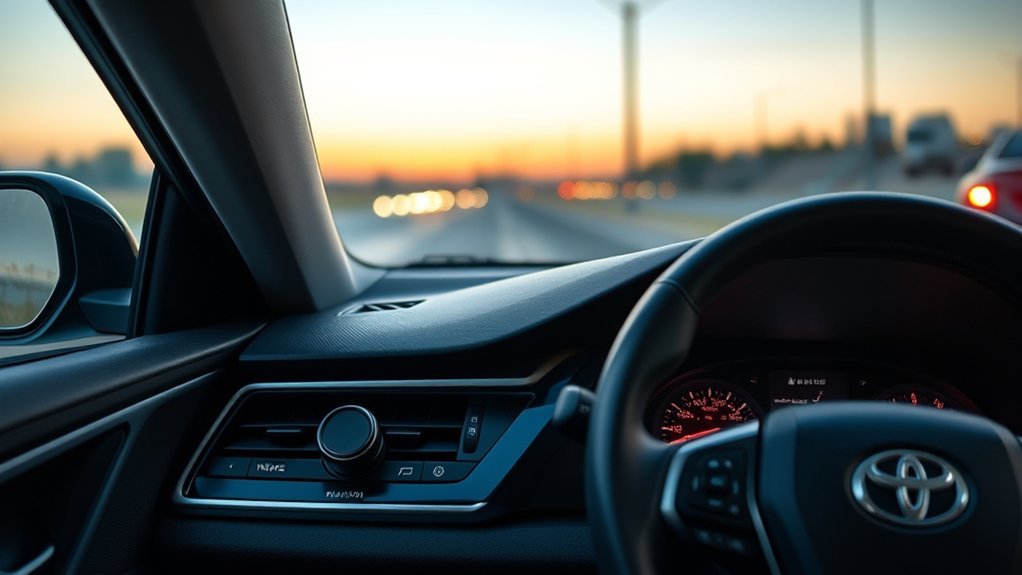
You’ve seen how each mode affects cooling speed, humidity, and engine load; now learn how to switch them to keep the cabin comfortable and the HVAC healthy. In your Camry, press the recirculation button (looping arrow) to engage recirculate for rapid cooling and improved HVAC efficiency in traffic or extreme heat. When humidity rises or windows fog, press the vent/fresh-air button to admit outside air and restore air quality. Alternate modes deliberately: start recirculate to reach set temperature, then switch to fresh air for ventilation and moisture control. Monitor outside conditions and choose fresh air on open highways or after long idle periods to refresh the cabin.
- Start with recirculate to cool faster, then switch to fresh air for ventilation.
- Use fresh air to clear fog and reduce interior moisture buildup.
- Alternate modes periodically to preserve HVAC efficiency.
- Switch based on outside air quality and highway versus traffic conditions.
- Prioritize driver comfort while preventing system moisture accumulation.
Maintenance Tips and When to Get Professional AC Service
Because regular upkeep keeps your Camry’s HVAC efficient and air clean, inspect and replace the cabin air filter per the owner’s schedule and monitor for unusual noises, smells, or weak cooling that signal trouble. You’ll perform filter replacement to restore airflow and system efficiency; carry a compatible spare if you prioritize uninterrupted operation. Use Carista or similar diagnostic tools for baseline AC troubleshooting, logging codes and temperature data before you act.
Schedule professional AC maintenance at least annually, more often if you run recirculate heavily; technicians will check for mold, mildew, refrigerant levels, compressor function, and evaporator contamination. If odors persist, cooling weakens, or diagnostics show faults after your basic checks, don’t delay: a certified technician will perform leak detection, deep-cleaning, and system recharge. Take these steps to maintain cabin air quality, maximize HVAC lifespan, and keep you free to drive without compromise.
Frequently Asked Questions
Should I Use Fresh Air or Recirculation?
Use recirculation for quick cooling, odor control, and improved comfort levels; switch to fresh air to restore air quality, balance humidity, and sustain system efficiency. Alternate periodically to optimize climate control and cabin liberation.
When Not to Use Air Recirculation in Car?
Don’t use air recirculation when outside air quality is good, humidity levels are high, odors persist, long trips risk CO2 buildup, or temperature control needs fresh intake; doing so preserves passenger comfort and maintains breathable, comfortable cabin conditions.
Which AC Mode to Use in Summer in Car?
Use recirculate initially for AC efficiency and rapid temperature control, then switch to fresh air to restore air quality and manage humidity levels; alternate periodically to prevent moisture buildup and maintain system performance and cabin comfort.
Does Recirculation Mode Use More Gas?
No — recirculation typically uses less gas because it improves fuel efficiency by cooling cabin air instead of warmer outside air, but you should monitor air quality and occasionally switch to fresh air for ventilation and comfort.
Conclusion
Use recirculate when you want faster, stronger cooling, when you’re stuck in traffic, or when outside air is polluted; use fresh air to clear humidity, defog windows, and purge stale smells. Recirculate boosts cabin cooling and efficiency but can raise humidity; fresh air stabilizes interior moisture and air quality but may slow cooling. Switch deliberately, monitor comfort and AC load, and service the HVAC when cooling, odor, or defogging performance declines.