You can stop Camry door seals from freezing by removing the moisture that turns into ice, then treating the rubber before cold weather arrives. The best routine is simple: clean the seals, dry every fold and jamb, apply a rubber-safe silicone lubricant or weatherstrip conditioner, and repeat after washes, freezing rain, or heavy snow.
Quick Answer
To stop Camry door seals from freezing, wash the rubber weatherstripping with mild soap, dry it completely, then wipe on a thin coat of rubber-safe silicone spray or weatherstrip conditioner before the first freeze. Avoid petroleum products, excess grease, and car washes unless you can dry the seals afterward.
Key Takeaways
- Frozen Camry door seals usually happen when rain, melted snow, or car-wash water sits in the rubber folds and freezes overnight.
- Clean and fully dry the seals before applying any protectant, or you may trap moisture under the product.
- Use a dedicated silicone lubricant or rubber weatherstrip conditioner; avoid petroleum jelly, general-purpose oils, harsh solvents, and heavy grease on the rubber.
- If the door is already frozen, do not yank the handle. Work around the door edge gently, use vehicle-safe de-icer, or apply low, moving heat.
- Replace seals that are cracked, torn, loose, flattened, leaking water, or still freezing after proper cleaning and treatment.
At a Glance
| Time Required | 15–30 minutes for all four doors |
| Difficulty | Easy DIY maintenance |
| Tools Needed | Mild soap, warm water, microfiber towels, soft brush, compressed air or blower, silicone spray or rubber conditioner |
| Estimated Cost | About $5–$20 if you already have towels and soap |
Why Camry Door Seals Freeze And When It Happens
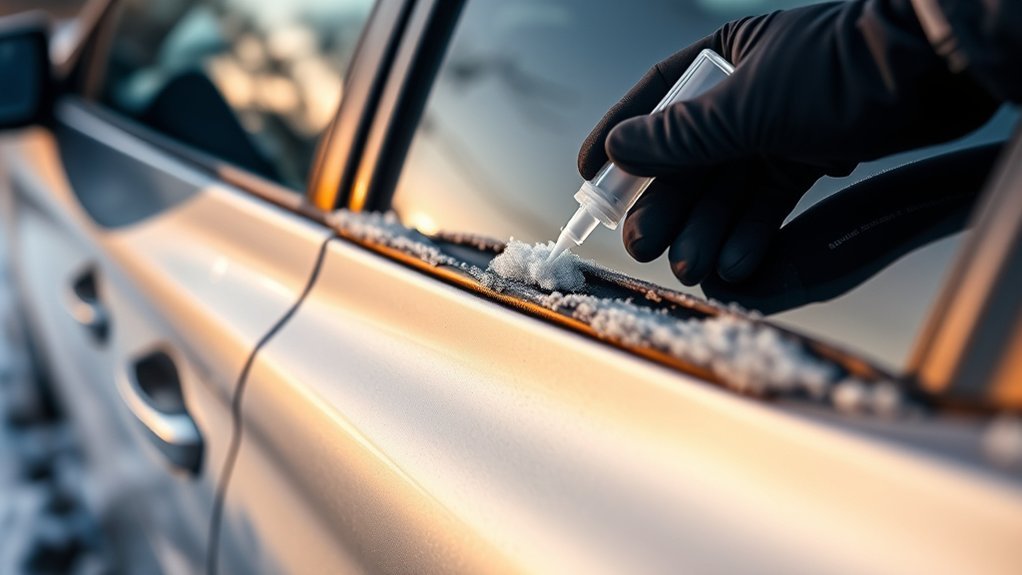
Camry door seals freeze when water sits between the rubber weatherstripping and the painted door frame, then temperatures drop to around or below freezing. Fresh water freezes at 32°F (0°C), and freezing rain can coat surfaces with ice when liquid drops freeze on contact. That is why this problem often appears after a warm, wet day followed by a cold night.
The main trigger is not the cold by itself. It is moisture trapped in the seal. Rain, melted snow, slush, road spray, and car-wash water can sit in the rubber channel. If the seal is dirty, flattened, cracked, or peeling away from the door opening, it holds even more water and freezes faster.
Note: A frozen door is not always a frozen rubber seal. The latch, outside handle, lock cylinder, or window glass run can also freeze. If the door moves slightly but will not open, the seal is often stuck. If the handle feels loose or the lock will not turn, the latch or lock may be the problem.
Quick Camry Door-Seal Inspection Checklist
Start by opening each door and looking closely at the rubber around the door and body opening. A healthy seal should feel flexible, sit flat in its channel, and spring back after light pressure. Worn seals trap water, leak air, and become more likely to freeze.
Visual Seal Damage
Use this checklist before the first freeze, after a hard winter storm, and any time the door sticks:
| Defect | What to watch for | Why it matters |
|---|---|---|
| Cracks or splits | Visible breaks in the rubber | Water can enter and freeze inside the seal |
| Brittleness | Hard, dry, or crumbly texture | The seal cannot flex against the door frame |
| Gaps | Separation at the contact surface | Moisture and wind can pass through |
| Deformation | Flattened or misshapen areas | Water pools instead of draining away |
| Peeling | Seal lifting from the mounting flange | Ice can form behind the weatherstrip |
Cleanliness And Drying
Dirt, road salt, pet hair, and grit hold moisture against the rubber. Wash the seals with warm water and mild soap, then rinse lightly and dry them with a microfiber towel. Use compressed air, a small blower, or the corner of a towel to dry the folds, hinge-side areas, latch side, and lower door opening.
Warning: Do not apply silicone spray, rubber conditioner, talc, or grease to wet seals. Any water trapped under the treatment can still freeze and bond the rubber to the painted jamb.
Tools And Supplies For Winter Door Seal Care
You do not need special shop equipment to prevent frozen Camry door seals. Keep the kit simple and rubber-safe:
- Mild car-wash soap or dish soap: for cleaning rubber and painted jambs.
- Microfiber towels: for drying the seals without scratching paint.
- Soft detailing brush: for corners, folds, and lower jamb areas.
- Compressed air or a small blower: for drying deep channels after washing.
- Rubber-safe silicone lubricant or weatherstrip conditioner: for the main moisture barrier.
- Vehicle-safe lock de-icer: for frozen lock cylinders or latch areas.
- Plastic scraper: for loose exterior ice, not for prying against rubber seals.
When choosing a product, read the label first. A dedicated silicone lubricant can be suitable for most rubber and vinyl surfaces when used as directed, while a weatherstrip conditioner made for car door seals is often cleaner and easier to control. Toyota owners can also check the Toyota Owners manuals and warranties page for model-specific maintenance information.
Winter Cleaning Routine For Door Seals
The best time to stop frozen doors is before the first cold snap. Follow this routine in late fall, then repeat it after car washes, freezing rain, or heavy slush.
- Open all doors and inspect the seals. Look for cracks, gaps, loose sections, and flattened spots.
- Wash the rubber and jambs. Use warm water, mild soap, and a soft cloth or brush.
- Rinse lightly. Do not flood the door opening; you only need to remove soap and loosened grit.
- Dry everything completely. Pay extra attention to the bottom of the door, latch side, hinge side, and rubber folds.
- Apply protectant to a cloth first. Wipe a thin, even layer onto the rubber instead of soaking the seal directly.
- Wipe away excess. The seal should look lightly conditioned, not wet or greasy.
- Open and close the door once or twice. This spreads the product on the contact surface and reveals any tacky buildup.
Pro Tip: Spray silicone onto a microfiber towel, not directly at the door opening. This gives you better control and helps keep overspray away from paint, glass, upholstery, switches, sensors, and electrical connectors.
Best Treatments: Silicone Spray, Dielectric Grease, Rubber Conditioner, And Talc
Each treatment has a different job. The safest approach is to use the lightest product that solves the problem, then wipe off anything extra.
| Treatment | Best Use | How To Apply | Caution |
|---|---|---|---|
| Silicone spray | Main moisture barrier on rubber weatherstripping | Spray on a cloth, wipe a thin coat, then buff excess | Use only products labeled safe for rubber or vinyl |
| Rubber conditioner | Dry, aging, or squeaky weatherstripping | Use the applicator or a cloth and let it dry | Do not use on pedals, steering wheel, seats, or other touch points |
| Dielectric grease | Small latch-contact or stubborn corner areas | Use a tiny amount with a cotton swab | Too much attracts dirt and can make a mess |
| Talc | Light moisture control in tight rubber folds | Dust lightly, then remove loose powder | Avoid heavy buildup and keep it out of mechanisms |
A dedicated silicone lubricant such as WD-40 Specialist Silicone is different from general-purpose penetrating oil. The silicone version is designed to leave a water-resistant lubricating film and is listed by the manufacturer as safe for most rubbers, plastics, and vinyl when used as directed. A rubber-care product such as nextzett Gummi Pflege is another option because it is made specifically for automotive weatherstripping and rubber seals.
What To Avoid: Products And Practices That Damage Seals
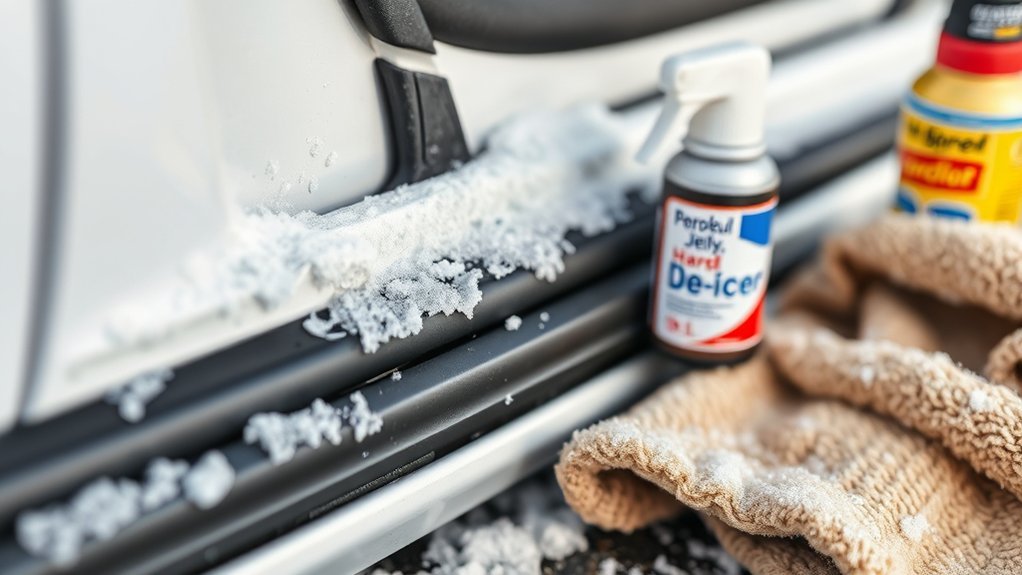
If you want your Camry door seals to survive winter, avoid shortcuts that soften rubber, trap grit, or leave behind a sticky mess.
- Do not use petroleum jelly or heavy oil on the rubber. It can attract dirt, smear onto clothing, and may not be compatible with all rubber compounds.
- Do not use harsh solvents, brake cleaner, gasoline, or strong degreasers. These can dry rubber and damage nearby paint or trim.
- Do not soak the door opening with lubricant. Overspray can reach glass, upholstery, switches, speakers, sensors, or wiring.
- Do not wash the car in freezing weather unless you can dry the seals. Water left in the jamb can freeze the door shut overnight.
- Do not force a frozen door open. Pulling hard can tear the weatherstrip, break a handle, or misalign the seal.
Warning: Never use open flame, a torch, or a heat gun on high near door seals. Rubber, paint, plastic trim, sound insulation, and wiring can be damaged quickly by concentrated heat.
Protect Paint And Jambs To Preserve Seals
The rubber seal is only half of the contact surface. The painted jamb edge also matters because ice forms where the seal touches the metal. Keep that area clean, smooth, and protected.
Wax Contact Areas
After washing and drying the jambs, apply a thin coat of automotive wax or paint-safe sealant to the painted contact areas. This helps water bead and makes it harder for ice to bond the rubber to the frame. Use a soft cloth, keep the layer thin, and buff away residue before it transfers onto the rubber.
- Prep: wash and dry the jamb and seal contact zones.
- Choose: use wax or sealant made for automotive paint.
- Apply: use thin layers and buff clean.
- Maintain: reapply before winter and after repeated washes.
Protect Jamb Edges
Road salt, grit, and chipped paint can hold moisture near the seal. During winter, wipe the lower jambs often and touch up paint chips before corrosion spreads. If you park outside, try to park with the driver’s door away from wind-driven snow or freezing rain, or use a fitted car cover when storms are expected.
After Washing Or Freezing Rain, Do This Before Nightfall
Most frozen-door problems happen after a wet event followed by a cold night. Use this short routine whenever your Camry gets wet in freezing weather:
- Open each door once before temperatures drop.
- Wipe the rubber seals and painted jambs dry.
- Blot the lower corners where water collects.
- Use compressed air or a blower on folds and latch-side gaps.
- Reapply a very light coat of silicone or rubber conditioner if the seals look dry.
- Make sure the door closes normally and does not feel sticky.
If freezing rain is forecast, move the Camry into a garage or under a carport if possible. The National Weather Service explains that freezing rain can create a coating of ice on surfaces it contacts, which is exactly the condition that can lock a damp seal to the door frame.
If A Camry Door Is Frozen Now: Safe Thawing Steps
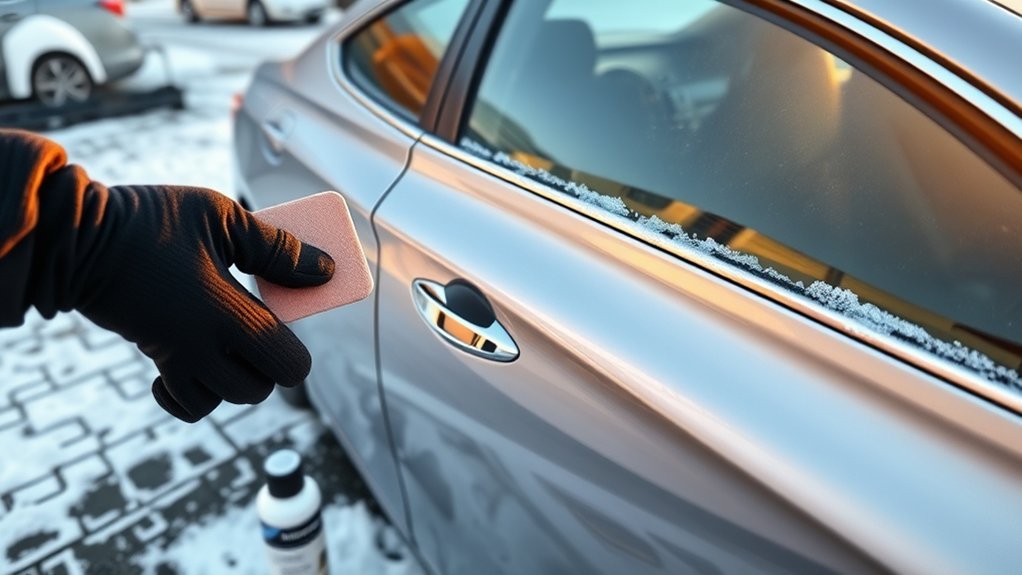
If your Camry door is already frozen shut, slow down and avoid forcing it. The goal is to break the ice bond, not rip the weatherstrip loose.
- Try another door first. If a passenger door opens, climb in and start the car safely so cabin heat can help warm the seals from the inside.
- Press, do not yank. Push gently around the door edge to crack the ice bond before pulling the handle.
- Tap the perimeter with a gloved hand. Light taps can break surface ice without prying on the seal.
- Use vehicle-safe de-icer. Spray it into the gap around the latch side or lock cylinder, then wait a minute before trying again.
- Use low, moving heat. A hair dryer on low can help if you have safe access to power. Keep it moving and away from one spot.
- Use lukewarm water only as a last resort. Keep it away from glass, never use boiling water, and dry the jamb immediately afterward to prevent refreezing.
Note: If the handle moves but the latch will not release, the latch mechanism may be frozen. If the key will not turn, the lock cylinder may be frozen. Treat those areas with lock de-icer instead of pulling harder on the door.
Seasonal Maintenance Schedule: Fall, Winter, Spring Tasks
A simple schedule keeps the seals flexible and reduces surprise frozen-door mornings.
| Season | Task |
|---|---|
| Fall | Inspect all seals, clean with mild soap, dry completely, and repair loose or damaged areas. |
| Late Fall | Apply a thin coat of rubber-safe silicone lubricant or weatherstrip conditioner before the first hard freeze. |
| Winter | Dry seals after washes, rain, wet snow, and freeze-thaw days. Reapply protectant lightly as needed. |
| Spring | Deep-clean the seals and jambs to remove salt and grime, then inspect for cracks, water leaks, and wind noise. |
The best frozen-door fix is prevention: remove water before it turns to ice, then leave only a thin rubber-safe barrier on the seal.
When To Replace Seals Or Call A Pro
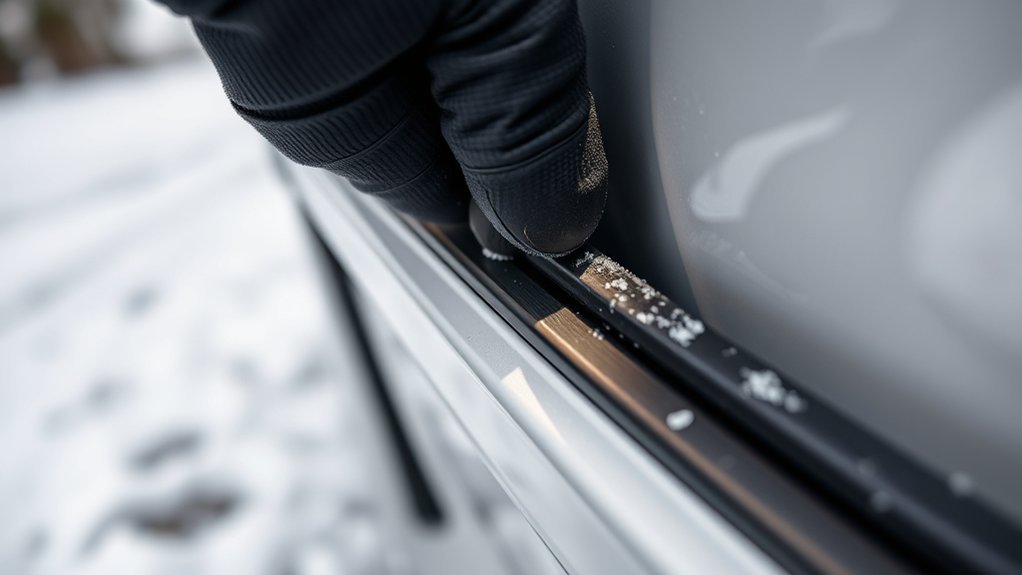
Cleaning and conditioning can help a dry seal, but it cannot fix torn, missing, or permanently flattened weatherstripping. Replace the seal or call a professional if you notice any of these signs:
- Persistent ice buildup despite proper maintenance. The seal may be damaged or misaligned.
- Water inside the cabin after rain or washing. A leaking seal can lead to damp carpet, odor, and corrosion.
- Wind noise or whistling while driving. The seal may not be contacting the door evenly.
- Visible separation from the mounting flange. Ice can form behind the rubber and pull it farther loose.
- The rubber stays crushed after compression. A flattened seal cannot push firmly against the jamb.
- The door appears misaligned. A body shop or Toyota service department should check the fit before you replace parts.
For replacement, the safest choice is an OEM or exact-fit weatherstrip matched to your Camry’s year, body position, and trim. Toyota’s warranty guide also notes that coverage may be denied when a part fails because of abuse, neglect, improper maintenance, or unapproved modifications, so avoid unapproved adhesives or products that could damage the rubber.
Frequently Asked Questions
Can frozen seals void my Camry’s warranty?
Frozen seals by themselves should not automatically void a Camry warranty. However, damage caused by neglect, improper maintenance, unapproved modifications, or harsh products may not be covered. Keep receipts for maintenance products and ask a Toyota dealer if a seal is torn, leaking, or still under warranty.
Can aftermarket seals fit without modifying door trim?
Some aftermarket seals may fit, but do not assume they will fit without trimming or adjustment. Match the seal to the exact Camry year, door position, body style, and clip design. OEM or exact-fit replacement weatherstripping is usually the safest choice when you want factory-like fit.
Does silicone spray affect electronic door sensors?
Silicone spray should not be aimed at electrical connectors, switches, speakers, wiring, or sensors. Spray it onto a cloth first, wipe only the rubber weatherstripping, and remove excess. If your Camry has visible wiring or sensors near the door opening, keep the product away from those areas.
Can pet hair in seals increase freezing risk?
Yes. Pet hair can trap moisture, grit, and road salt in the rubber folds. Brush or vacuum hair from the seals, then clean and dry the area before applying any rubber-safe conditioner.
Is it safe to pour hot water on a frozen Camry door?
Avoid hot or boiling water. If you must use water, use lukewarm water only on the door edge, keep it away from glass, and dry the jamb immediately. In very cold weather, added water can refreeze and make the problem worse.
How often should I treat Camry door seals in winter?
Treat the seals before the first hard freeze, then inspect them monthly during winter. Reapply a thin coat after car washes, freezing rain, or repeated freeze-thaw cycles. If the rubber feels sticky or dirty, clean it before adding more product.
Can I use petroleum jelly on Camry door seals?
It is better to avoid petroleum jelly on automotive door seals. It can attract dirt, transfer onto clothing, and may not be compatible with every rubber compound. Use a rubber weatherstrip conditioner or silicone lubricant labeled safe for rubber instead.
Will parking in a garage stop Camry door seals from freezing?
A garage, carport, or fitted cover can greatly reduce freezing because it limits direct freezing rain, snow, and overnight frost. Still, dry the seals after washing or driving through slush, because trapped moisture can freeze even when the car is later parked under cover.
Sources
- Toyota Owners: Manuals and Warranties — owner manual and warranty reference for Toyota vehicles.
- Toyota 2025 Camry Warranty & Maintenance Guide — warranty responsibility and maintenance language.
- National Weather Service: Freezing Rain and Sleet — explains how freezing rain creates ice on surfaces.
- NOAA National Ocean Service: Freezing Point of Water — confirms fresh water freezes at 32°F.
- WD-40 Specialist Silicone Lubricant — manufacturer guidance on silicone lubricant use on rubber, vinyl, and plastic surfaces.
- nextzett Gummi Pflege Rubber Care Stick — manufacturer guidance for automotive weatherstrip rubber conditioner.
Conclusion
Stopping Camry door seals from freezing comes down to one habit: keep moisture out of the rubber before temperatures fall. Clean the seals, dry the folds and jambs, apply a thin rubber-safe protectant, and repeat after wet winter weather. If a door is already frozen, thaw it patiently instead of forcing it. With a few minutes of seasonal care, your Camry doors should open smoothly instead of fighting you on cold mornings.