Your Camry’s brake lines carry hydraulic pressure from the master cylinder to the brakes at each wheel. When steel lines rust, crack, or leak, the system can lose pressure, the pedal can feel soft, and stopping distance can increase. Salt, moisture, age, and trapped road grime are the main reasons brake lines corrode, especially in winter climates.
Quick Answer
Toyota Camry brake line corrosion is serious because rust can weaken rigid metal brake lines until they leak or burst. If you see brake fluid, a soft pedal, low brake fluid, or a red brake warning light that stays on, stop driving and have the car inspected before it is driven again.
Key Takeaways
- Road salt and moisture speed up rust on exposed steel brake lines, especially around clips, bends, fittings, and rear underbody areas.
- Warning signs include a spongy pedal, brake fluid leaks, low brake fluid, visible rust pitting, and a red brake warning light.
- Do not patch badly rusted brake tubing. Replace the damaged line or line section with correctly flared brake tubing and proper fittings.
- Coated steel, stainless steel, and nickel-copper brake lines can all work, but the replacement must match the original diameter, flare type, routing, and fittings.
- If your Camry lives in a salt belt area, inspect the brake lines at least every season and rinse the undercarriage during winter.
Warning: Do not drive a Camry with an active brake fluid leak, a pedal that suddenly feels soft or drops toward the floor, or a red brake warning light that stays on. Toyota says the brake system warning light can indicate low brake fluid or a brake system malfunction, and continuing to drive may be dangerous. Have the vehicle towed or inspected by a qualified technician.
At a Glance
| Time Required | 10–20 minutes for a basic visual check; longer for a professional lift inspection |
| Difficulty | Easy for visual inspection; advanced/professional for repair or replacement |
| Tools Needed | Flashlight, gloves, clean rag, phone camera, and proper jack stands only if lifting the vehicle |
| Cost | Inspection may be low-cost or included with service; replacement varies by line location, rust severity, labor access, brake fluid, and bleeding |
Why Camry Brake Lines Matter for Safety
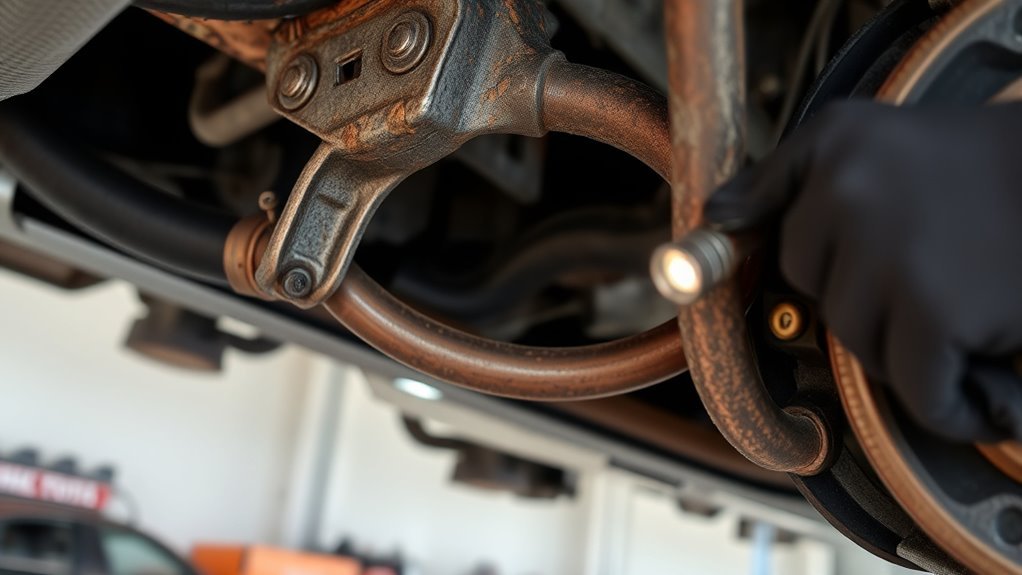
Brake lines are the pressure path for your Camry’s hydraulic brake system. When you press the pedal, brake fluid pressure travels through rigid metal lines and flexible hoses so the calipers can clamp the rotors. If a metal line corrodes badly enough to leak, the system can lose fluid and pressure.
That is why rust on brake lines is not just cosmetic. Surface discoloration may be minor, but deep pitting, wet fittings, swollen hose sections, or flaking metal can point to a line that is close to leaking. Toyota’s maintenance guide includes brake lines and hoses as inspection items and says they should be checked for proper installation, chafing, cracks, deterioration, and leakage.
For current safety notices, check your exact vehicle by VIN through the Toyota Safety Recalls & Service Campaigns lookup and the NHTSA recall database. A recall check does not replace a physical brake-line inspection, but it can reveal open safety campaigns that need dealer attention.
How Cold, Salt, and Moisture Corrode Camry Brake Lines
Steel brake lines can corrode when water, oxygen, and salt reach exposed metal. Road salt is especially harsh because salty water acts like an electrolyte, which speeds the rusting process. The risk is highest in areas that use winter de-icers, on vehicles parked outside, and on older cars with worn coatings or trapped grime under the body.
Winter Salt Exposure
Salt collects along the undercarriage, around brackets, behind splash shields, and near wheel wells. These areas may stay wet long after the road looks dry. A line can look acceptable from one angle but be deeply pitted where it touches a clip or bracket.
- Inspect after salty driving: Look at visible brake lines near the wheels, firewall, subframe, and rear suspension area.
- Wash the underbody: Rinse salt and slush from the underside during winter and again after the last major salt event of the season.
- Do not ignore small wet spots: A clear, amber, or brownish spot under the car can be brake fluid, especially if the reservoir level is dropping.
Moisture-Driven Oxidation
Moisture can sit against the outside of the line where mud, salt, and debris collect. Over time, protective coatings can lift or chip. Once bare steel is exposed, rust can form and spread under the coating. Corrosion often concentrates at bends, fittings, clips, and areas where road spray hits the line.
Note: Brake fluid also absorbs moisture over time. Follow the service information for your model year and have the hydraulic system inspected if the fluid is dark, contaminated, or if any brake component has been opened for repair.
Driving Symptoms That Signal Brake-Line Failure
Brake-line corrosion often becomes urgent when it creates a leak. If the pedal feel changes or the brake warning light appears, treat the problem as a safety issue, not a routine maintenance note.
Spongy Brake Pedal
A soft, mushy, or sinking brake pedal can mean air has entered the hydraulic system or fluid pressure is being lost. A small leak may cause a gradual change. A larger rupture may cause the pedal to drop suddenly and braking power to fall quickly.
Do not keep pumping the pedal and continue driving as if the car is normal. Pull over safely, avoid high-speed driving, and arrange inspection or towing.
Visible Fluid Leaks
Brake fluid is usually clear to amber when fresh and can become darker as it ages. Look for wetness near brake-line fittings, under the driver-side engine bay area, along the underbody, and near the inside of each wheel. A low master-cylinder reservoir level plus wet brake lines is a strong warning that the system is leaking.
Brake Warning Light
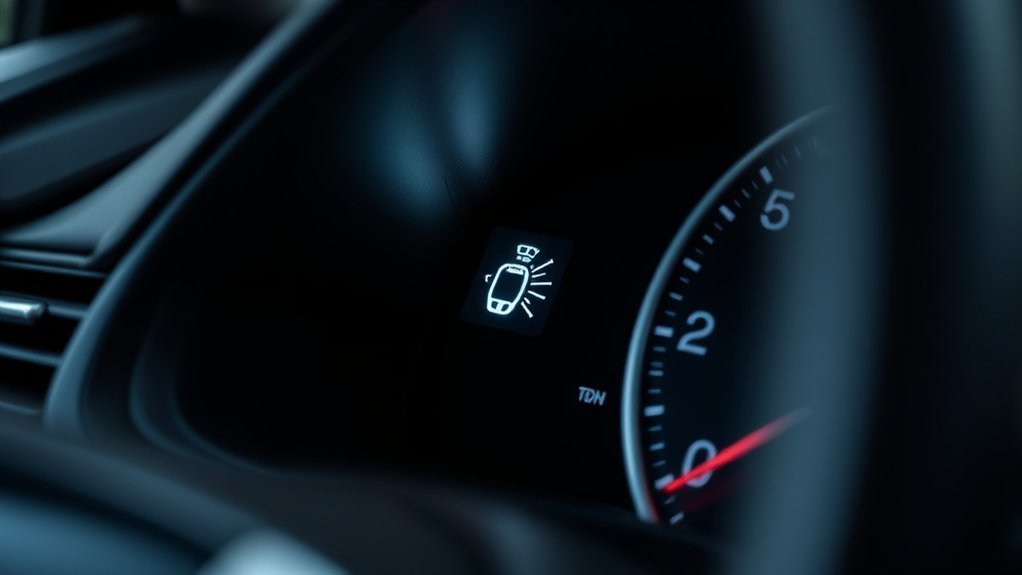
The red brake warning light is not a line-corrosion detector by itself, but it can appear when brake fluid is low or the brake system has a malfunction. Toyota’s current Camry manual says to stop the vehicle in a safe place and contact a Toyota dealer if the brake system warning light indicates low fluid or a malfunction.
Uneven Braking or Pulling
If the vehicle pulls to one side, feels unstable during braking, or requires more pedal effort than normal, the issue may involve a leak, hose problem, caliper problem, uneven pad wear, or another brake fault. Any braking change deserves prompt inspection.
Visual Signs of Brake-Line Corrosion to Check Now
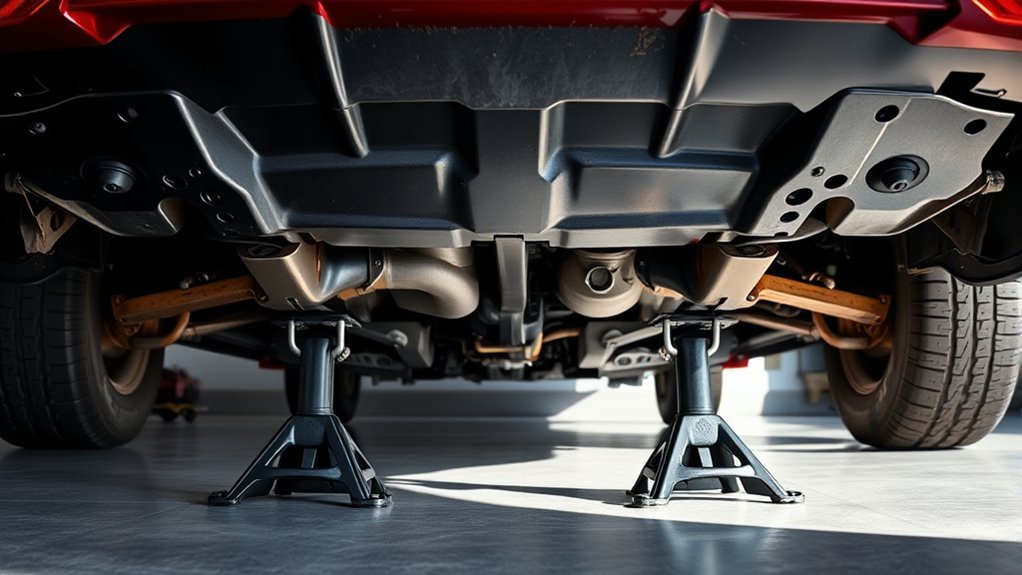
A quick visual check can catch obvious problems before they become emergencies. Park on a flat surface, set the parking brake, let the vehicle cool, and use a flashlight. Never crawl under a car supported only by a jack.
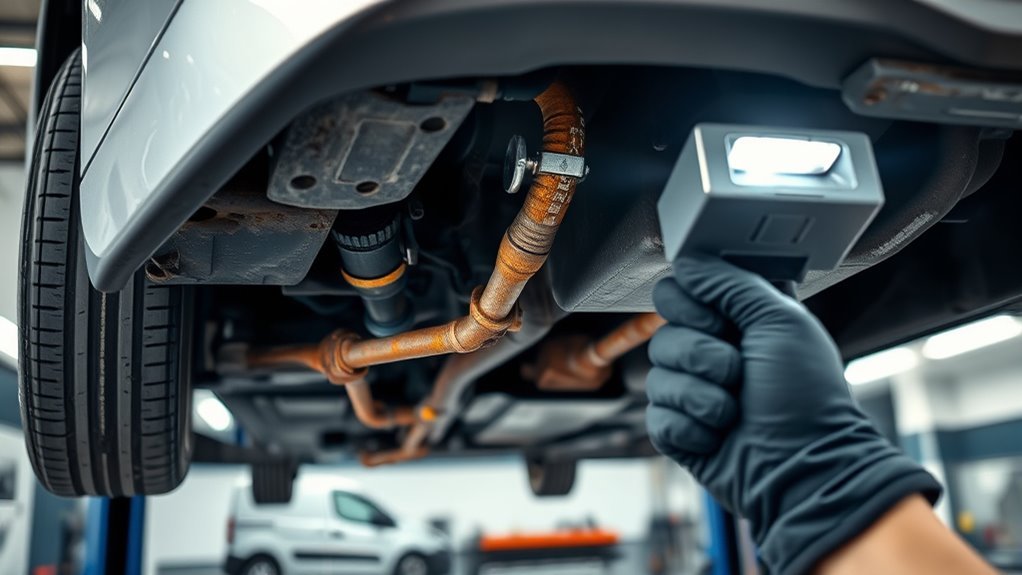
- Rust spots and pitting: Light surface rust may be monitored, but deep pits, scaling, or flaking metal are warning signs.
- Wet lines or fittings: Any dampness around a brake line, junction block, hose connection, or caliper area needs immediate diagnosis.
- Damaged coating: Cracked, lifted, or missing protective coating can expose steel to salt and moisture.
- Corrosion near clips and bends: Brake lines often rust where brackets trap salty mud against the tubing.
- Low brake fluid: If the reservoir level drops without an obvious reason, do not simply top it off and keep driving. Find the leak.
If a brake line is wet, deeply pitted, or flaking, treat it as a safety repair. Brake tubing carries pressure; it is not a place for temporary patches.
Where to Inspect on a Camry
Exact routing varies by Camry model year and configuration, but these areas deserve close attention:
- Master-cylinder area: Check for wetness around the reservoir, lines, and fittings.
- Firewall and front subframe: Look for rust where lines run downward and across the engine bay or underbody.
- Wheel wells: Inspect the transition from rigid metal line to flexible brake hose.
- Underbody clips: Check where lines are held against the body because clips can trap salt and mud.
- Rear suspension and axle area: Rear lines often see heavy road spray and can rust around bends and brackets.
- Brake hoses: Flexible hoses are different from rigid metal lines, but they should also be checked for cracks, swelling, chafing, and leaks.
Pro Tip: Take phone photos of any rusty or wet area. A technician can use the photos to identify the line location and explain whether you need one section, multiple sections, hoses, fittings, brake fluid, or a full bleed.
Safe Camry Brake-Line Inspection Steps
- Park safely: Use a flat surface, good lighting, and wheel chocks if needed.
- Check the brake fluid reservoir: Note whether the level is between the marks. Do not drive if fluid is very low.
- Look behind each wheel: Use a flashlight to check for wetness, rust, cracked hoses, or dripping fluid.
- Scan visible underbody lines: Focus on bends, clips, and fittings where corrosion concentrates.
- Check the ground: Look for fresh fluid under the engine bay, underbody, or near the inside of a wheel.
- Book a lift inspection: If you see pitting, wetness, or flaking, have a shop inspect the full routing on a lift.
Why Corroded Brake Lines Must Be Replaced: Never Patched
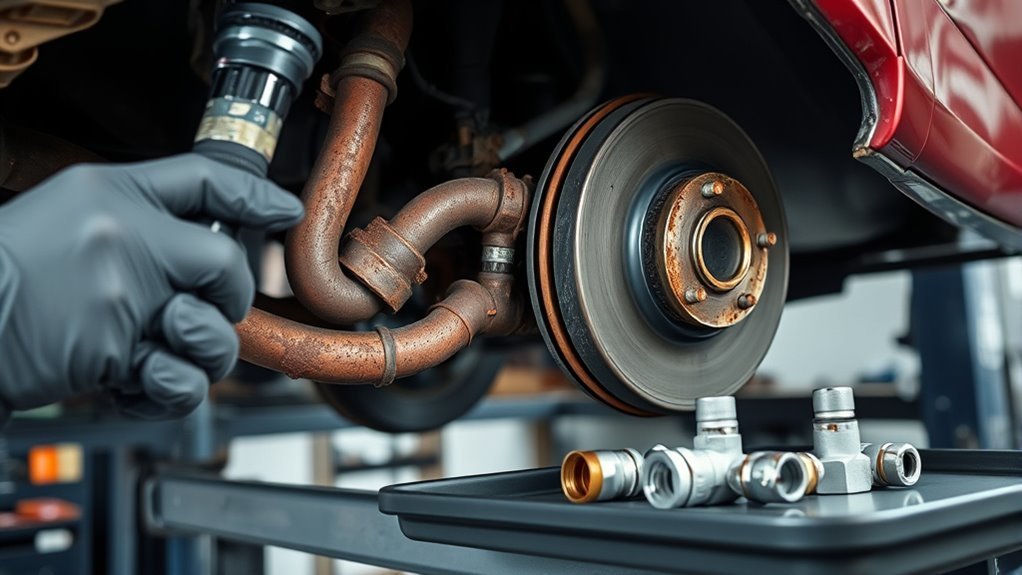
If corrosion has weakened a brake line, the safe repair is replacement of the compromised line or line section using brake-rated tubing, correct flare type, correct fittings, and proper routing. Patches over pitted tubing do not restore the original wall thickness and can hide corrosion that continues to spread.
A proper repair usually includes:
- Removing the damaged hard line or line section
- Matching the original diameter, flare style, and fitting threads
- Routing the new line away from rubbing and heat sources
- Securing the line in proper clips or brackets
- Refilling and bleeding the brake hydraulic system
- Inspecting the remaining lines and hoses for similar deterioration
Warning: Do not use general-purpose compression fittings or hardware-store tubing for brake pressure lines. Brake-line repair requires brake-rated material, correct flaring, and leak-free hydraulic work.
Best Brake-Line Materials for Your Camry: Steel, Coated, Stainless, and NiCopp
The best brake-line material depends on your budget, local rust conditions, and whether you are replacing one section or a larger set of lines. The replacement must match the original line size and connection style. When in doubt, use Toyota service information or have a qualified technician select the parts.
| Material | Pros | Watchouts |
|---|---|---|
| Standard steel | Often inexpensive and close to original equipment style. | Can rust faster in salt-heavy areas if coating is damaged. |
| Coated steel | Protective coating improves corrosion resistance compared with bare steel. | Coating can still chip, crack, or rust at fittings and bends. |
| Stainless steel | Strong corrosion resistance when properly formed and installed. | Can be harder to bend and flare; may cost more. |
| Nickel-copper / NiCopp | Excellent road-salt corrosion resistance and easier hand forming. Copper Development Association describes C70600 copper-nickel brake tubing as inherently resistant to road salt, and AGS lists NiCopp brake line for hydraulic brake systems. | Must still be brake-rated, correctly flared, routed, and fitted. Avoid confusing copper-nickel brake tubing with soft pure copper tubing. |
For rust-prone regions, coated steel, stainless, or nickel-copper can reduce future corrosion risk. The important part is not just the material; it is the complete installation. A poorly flared premium line can leak, while a correctly installed brake-rated line restores safe pressure transfer.
How Much Does Camry Brake Line Replacement Cost?
Cost depends on which part failed. A flexible brake hose is not the same as a rigid metal brake line, and a short accessible line is not the same job as replacing multiple hard lines routed above underbody components.
RepairPal lists a Toyota Camry brake hose replacement estimate in the low hundreds, but rigid brake-line jobs can vary widely because rusted fittings, seized hardware, routing access, brake fluid, and bleeding all affect labor. For an accurate number, ask the shop to separate the estimate into parts, labor, brake fluid, bleeding, and any related hose or caliper work.
- One flexible brake hose: Usually simpler than hard-line routing, but still requires bleeding.
- One rigid metal line section: Cost varies by access, corrosion, and whether fittings come apart cleanly.
- Multiple corroded lines: More expensive, but often smarter if several lines show the same rust pattern.
- Severe salt damage: Shops may need extra time for rusted fasteners, clips, brackets, and seized fittings.
Camry Brake-Line Inspection & Winter Prevention Checklist
Winter prevention is about removing salt, spotting corrosion early, and replacing weak sections before they leak. Use this checklist during winter and again in spring.
| Task | Action |
|---|---|
| Visual inspection | Look for rust pitting, flaking, wet fittings, cracked hoses, and damaged coating. |
| Fluid check | Confirm the master-cylinder reservoir is at the correct level. A falling level can mean a leak. |
| Undercarriage wash | Rinse salt and de-icer from the underside during winter and after the final salt event. |
| Clip and bend check | Focus on brackets, bends, rear underbody areas, and wheel wells where moisture collects. |
| Professional review | Have a technician inspect the full line routing on a lift if you see pitting, wetness, or flaking. |
| VIN check | Check Toyota and NHTSA recall databases for open recalls or service campaigns. |
In severe winter conditions, inspect visible brake lines every few weeks and schedule a full underbody inspection at least once a year. Older Camrys, high-mileage vehicles, and cars from salt belt states deserve closer attention.
Frequently Asked Questions
What causes brake lines to corrode?
Brake lines corrode when moisture, oxygen, road salt, and grime attack exposed steel. Salt speeds the process because salty water helps corrosion spread faster. Rust often starts where protective coating is chipped or where clips and bends trap wet debris.
What causes corrosion on brakes?
Brake corrosion comes from water, oxygen, salt, heat cycles, and road debris. Brake rotors can develop surface rust after rain, but brake-line corrosion is more serious because it can weaken hydraulic tubing and cause fluid loss.
How long do Toyota Camry brake lines last?
There is no single lifespan that fits every Camry. Brake-line life depends on model year, mileage, road salt exposure, coating condition, storage, washing habits, and previous repairs. Inspect them regularly, especially if the vehicle is older or has spent winters in a salt belt area.
How much does it cost to replace corroded brake pipes?
The cost depends on whether the shop is replacing a flexible brake hose, one rigid line section, or several hard lines. Labor access, rusted fittings, brake fluid, and bleeding affect the final price. Ask for a written estimate that lists parts, labor, fluid, bleeding, and any related repairs.
Can I drive with corroded brake lines?
Do not drive if there is a brake fluid leak, a soft or sinking pedal, a low brake-fluid level, or a red brake warning light that stays on. If the lines only show light surface rust, drive cautiously to a shop for inspection, but do not ignore deep pitting, flaking, or wet fittings.
Is NiCopp better than steel for Camry brake lines?
Nickel-copper brake tubing is highly corrosion-resistant and easier to form than steel, which makes it popular in rust-prone areas. Coated steel and stainless can also be good choices. The best option is the one that is brake-rated, correctly sized, properly flared, securely routed, and installed by someone qualified to work on hydraulic brakes.
Sources
- Toyota 2025 Camry Owner’s Manual: Brake System Warning Light — backs up low brake fluid/malfunction warning and stop-driving guidance.
- Toyota Safety Recalls & Service Campaigns Lookup — supports VIN-based Toyota recall and campaign checks.
- NHTSA Recalls Database — supports checking recalls, investigations, complaints, and manufacturer communications.
- Safety+Health: NHTSA Links Road Salt to Brake Pipe Corrosion — summarizes NHTSA’s brake-pipe corrosion advisory and undercarriage washing recommendations.
- Copper Development Association: Copper-Nickel Automotive Brake Tubing — backs up copper-nickel brake tubing corrosion-resistance discussion.
- RepairPal: Toyota Camry Brake Hose Replacement Cost — supports brake-hose cost context, symptoms, and repair cautions.
Conclusion
Brake line corrosion on a Toyota Camry should be handled early because the lines carry hydraulic pressure for stopping. Watch for rust pitting, flaking, wet fittings, low brake fluid, a soft pedal, or a red brake warning light. Light surface rust may only need monitoring, but leaking or deeply corroded tubing needs proper replacement, not a patch. In winter states, rinse the undercarriage, inspect the lines regularly, check for open recalls, and have questionable sections reviewed by a qualified brake technician.