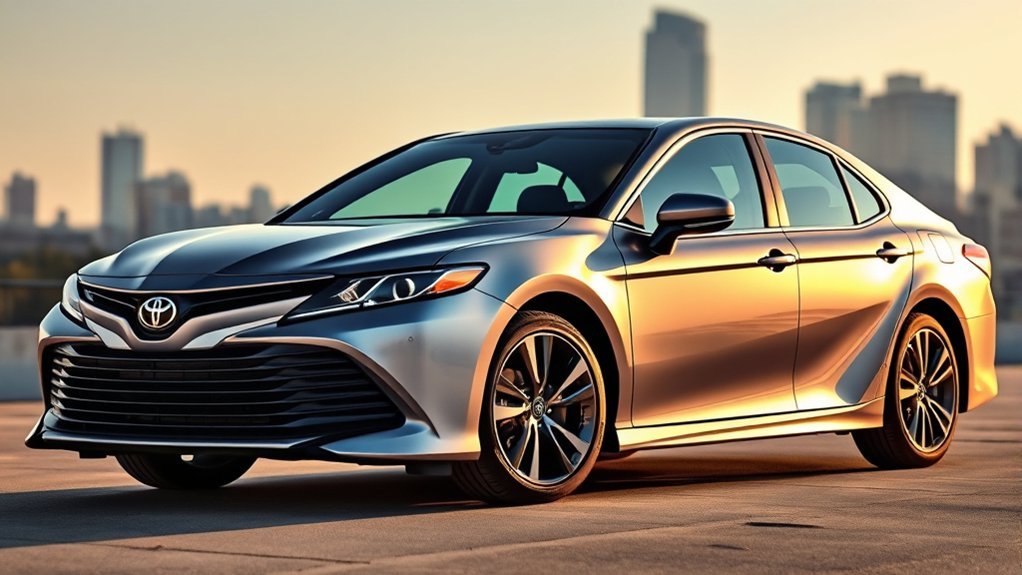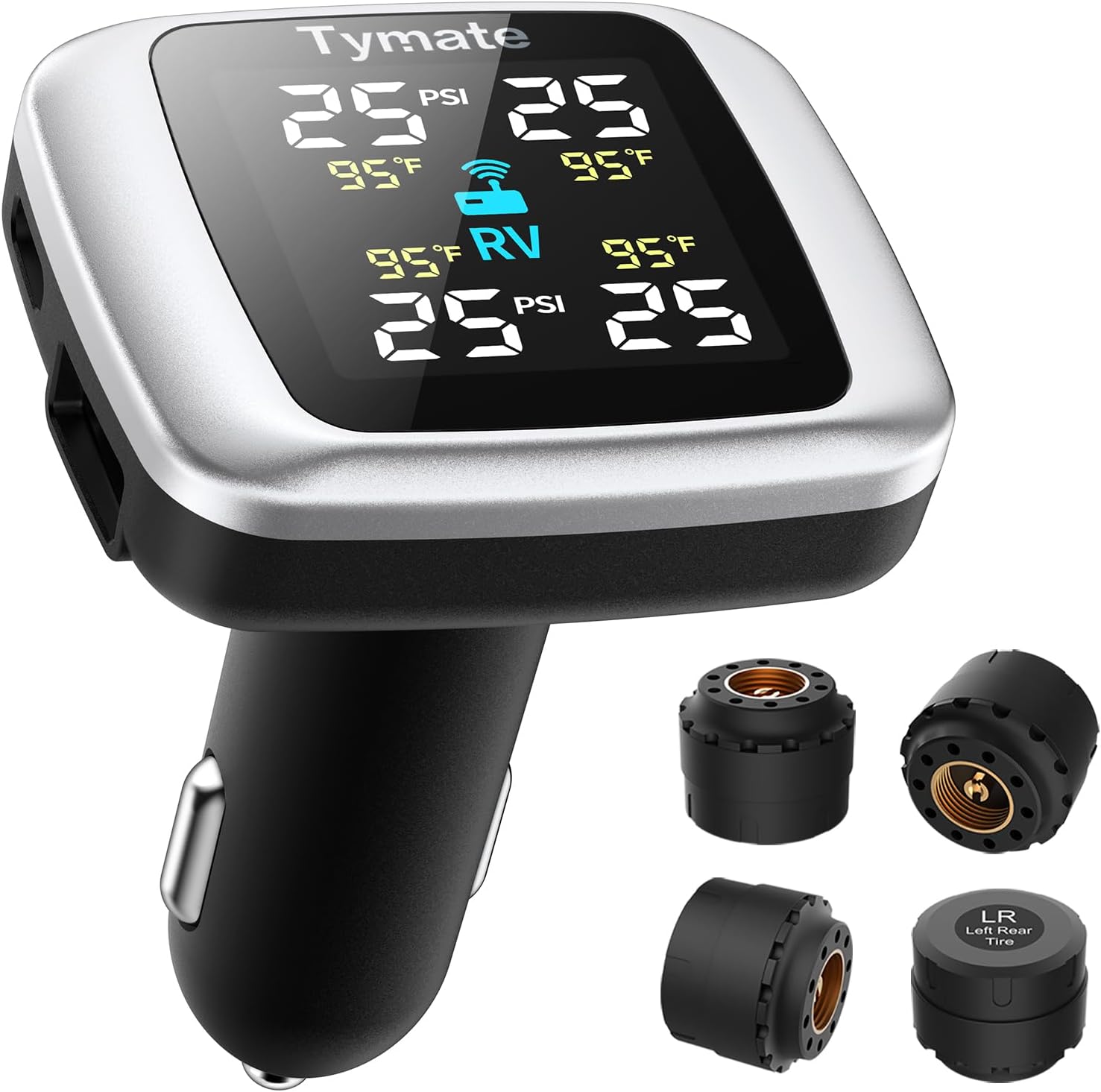
Fit four matching 3PMSF-rated winter tires, keep them inflated to the cold pressure on your Camry’s door placard, and drive with slower, smoother inputs. Those three changes do more for winter traction than any single button or driving mode. Before snow season, also check tread depth, clear snow from the car, refill winter washer fluid, verify coolant protection, and pack basic emergency gear.
Quick Answer
To get better winter traction in a Toyota Camry, install four matching 3PMSF-rated winter tires in the factory size, keep them properly inflated when cold, and drive with smooth inputs. Clear snow from the car, avoid cruise control on slick roads, carry traction aids where legal, and check tread before every season.
Key Takeaways
- The biggest traction upgrade is a full set of 3PMSF-rated winter tires, not just relying on traction control, AWD, or Snow Mode.
- Use the tire size, load index, speed rating, and cold PSI listed on your Camry’s door placard or owner’s manual.
- Aim for at least 4 mm of tread depth before serious winter driving; worn tires lose snow grip quickly.
- Increase following distance, accelerate gently, brake early, and avoid cruise control on snow or ice.
- Check local chain laws and your Camry manual before using chains or snow socks.
At a Glance
| Time Required | 15–30 minutes for a pre-drive check; longer if you are swapping tires |
| Difficulty | Easy for inspection and pressure checks; professional help recommended for tire mounting |
| Tools Needed | Tire pressure gauge, tread-depth gauge, snow brush, ice scraper, winter washer fluid, gloves, flashlight |
| Cost | Basic checks: low cost; winter tires and mounting: varies by tire size, brand, wheels, and storage |
Bottom-Line Fix: Fit Winter Tires on Your Camry
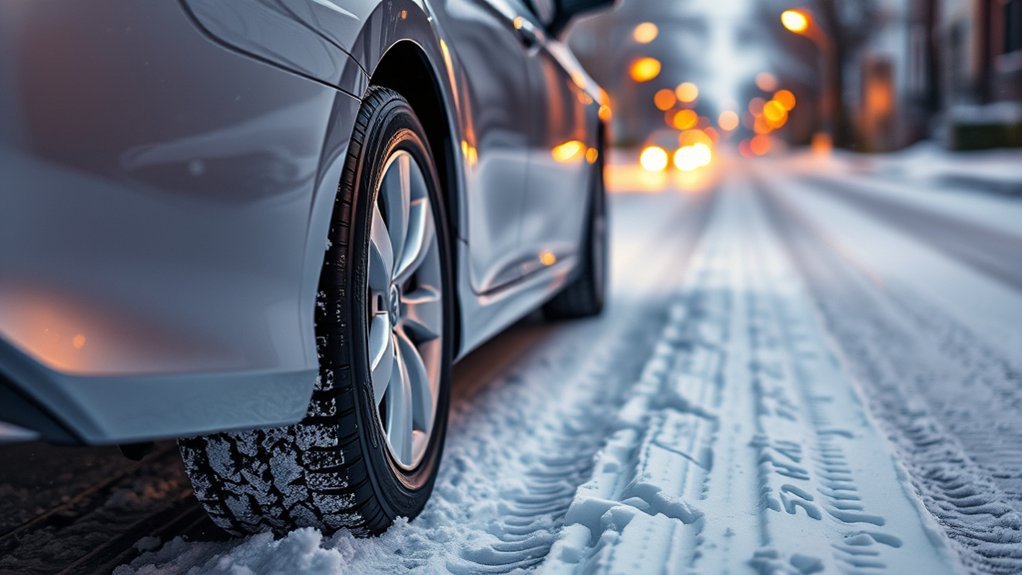
The fastest way to improve winter grip is to install four matching winter tires with the three-peak mountain snowflake symbol. The U.S. Tire Manufacturers Association defines severe-snow tires by snow-traction testing, which is why the 3PMSF symbol matters more than an M+S marking alone.
Winter tires help because their tread design and rubber compound are built for cold, snowy, and slushy roads. Transport Canada also recommends installing winter tires in sets of four and keeping the same type, size, speed rating, and load index on all wheels for stability and control.
Warning: AWD, traction control, ABS, and Snow Mode do not create grip by themselves. They can help manage wheel slip, but the tires still determine how well your Camry starts, turns, and stops.
Diagnose Traction Problems: Tires, Tread, and Pressure
Before buying anything, inspect the tires already on your Camry. Poor winter traction often comes from low tread, incorrect pressure, old rubber, mismatched tires, or uneven wear.
- Measure tread depth at several points across each tire.
- Look for cracks, bulges, cuts, exposed cords, or sidewall damage.
- Confirm all four tires are the same type and similar tread depth.
- Check cold tire pressure before driving or after the car has been parked for several hours.
- Use the tire pressure listed on the driver-side door placard or owner’s manual, not the maximum PSI molded on the tire sidewall.
NHTSA explains that the correct inflation pressure is the vehicle manufacturer’s recommended cold tire pressure. Cold weather can also make a marginal tire-pressure problem show up as a TPMS warning, so do not ignore a light that appears on cold mornings.
Note: A legal minimum tread depth is not the same as a safe winter tread depth. For snow-covered or severe winter roads, treat 4/32 inch as a warning floor and aim for at least 4 mm, about 5/32 inch, before winter starts.
Choose and Buy Tires: 3PMSF, Size, and Cost Tradeoffs
When shopping for Camry winter tires, start with fitment and safety before price. The right winter tire is the one that matches your Camry’s required size and load rating, carries a 3PMSF symbol, and fits your local winter conditions.
3PMSF Versus M+S
M+S means “mud and snow,” but it does not always prove severe-snow performance. The 3PMSF symbol is more useful for true winter driving because it identifies tires that meet a snow-traction performance standard. For a Camry driven through regular snow, slush, or icy mornings, prioritize 3PMSF-rated winter tires or 3PMSF-rated all-weather tires over basic all-season tires.
- Choose 3PMSF for real winter traction.
- Use four matching tires, not two winter tires on one axle.
- Do not mix different tread patterns, constructions, or sizes.
- Choose the tire type based on your climate: dedicated winter tires for heavy snow, all-weather tires for milder areas with occasional storms.
Correct Tire Size
Use the exact tire size listed on the Camry’s driver-side door placard or in the owner’s manual. NHTSA advises buying tires in the same size as the original tires or another size recommended by the vehicle manufacturer. The wrong size can affect clearance, handling, speedometer accuracy, ABS behavior, and stability-control calibration.
Also match the factory load index and use an appropriate speed rating. A tire shop can help verify fitment, but the door placard and owner’s manual are the starting point.
Tire Cost Versus Performance
Premium winter tires usually cost more, but they may provide stronger braking, handling, and wear performance in cold conditions. Budget tires can still be useful if they are correctly sized, 3PMSF-rated, and installed as a matched set. Compare independent tire tests, treadwear expectations, warranty terms, and installation costs before buying.
Pro Tip: If you plan to keep the Camry for several winters, consider a second set of wheels for winter tires. It can make seasonal swaps faster and reduce repeated mounting wear on the tires.
Prep the Car: Clear Snow, Check Wipers, and Fluids
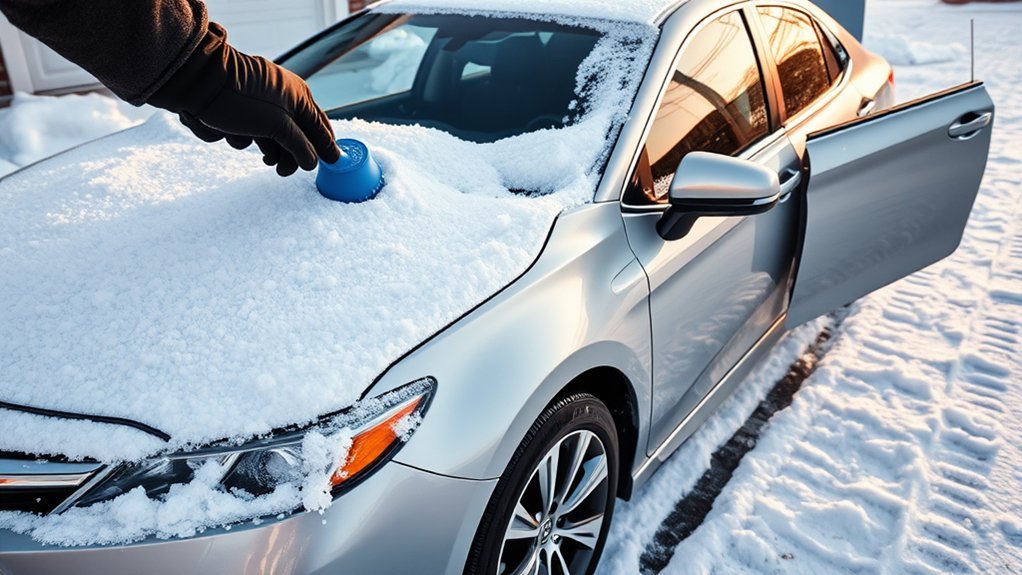
Good traction starts before you shift into Drive. Toyota’s Camry winter-driving guidance says to prepare and inspect the vehicle before winter driving, accelerate slowly, keep a safe distance, and drive at a speed suitable for road conditions.
| Item | Action |
|---|---|
| Windows and mirrors | Clear all snow and ice before driving |
| Roof, hood, and trunk | Brush off snow so it does not slide or blow into traffic |
| Headlights and taillights | Clear completely so others can see you |
| Wipers | Replace cracked or streaking blades |
| Washer fluid | Use winter-rated, low-freeze fluid |
| Coolant | Verify proper antifreeze protection |
Keep the windshield washer reservoir full. Salt spray and road grime can blind you quickly, especially at night or near plow trucks. Also clean cameras and sensors if your Camry has driver-assistance features, because packed snow can interfere with system visibility.
Drive for More Grip: Speed, Following Distance, and Inputs
Winter tires help, but your driving style still matters. On snow and ice, traction is limited, so ask the tires to do one thing at a time: brake, turn, or accelerate. Sudden steering, hard throttle, and panic braking can break traction even with good tires.
- Slow down well below normal dry-road speeds when surfaces are slick.
- Increase following distance to 8–10 seconds in snow or ice.
- Accelerate gently from stops to avoid front-wheel spin.
- Brake early and progressively; let ABS work if it activates.
- Avoid cruise control on slick roads.
- Turn smoothly and avoid abrupt lane changes through slush ridges.
- If the car skids, look where you want to go and steer smoothly in that direction.
NHTSA reports an estimated 101,390 police-reported crashes in snow or sleet conditions in 2023, which is why slowing down and increasing following distance are not optional winter habits.
Use Camry Traction Control, AWD, and Snow Mode the Right Way
Your Camry may have traction control, stability control, drive modes, and available AWD depending on model year and trim. These systems can help manage wheel slip, but they do not replace tires or safe speed.
- Traction control helps reduce wheelspin when accelerating, but it cannot shorten stopping distance on its own.
- ABS helps you steer while braking hard, but it still needs tire grip to work effectively.
- AWD Camry models can improve acceleration traction, but AWD does not make the car stop faster on ice.
- Snow Mode, if equipped, should be used exactly as described in your owner’s manual. Do not assume every Camry has it.
Note: If the traction-control light flashes, the system is telling you the tires are already losing grip. Ease off the throttle, slow down, and make smaller steering and braking inputs.
Emergency and Seasonal Checklist: Chains, Kit, and Tire Swap Plan
Winter traction is also about planning. Install winter tires before the first serious snowfall, check pressure regularly, and keep a compact kit in the car in case weather or traffic leaves you stuck.
Carry Chains and Practice
Snow chains or snow socks can help in mountain passes or chain-control areas, but they must be legal, correctly sized, and compatible with your Camry’s wheel and tire setup. Check your owner’s manual before buying them. Some Camry wheel sizes may have restrictions, and chains are usually installed only on the drive wheels specified by Toyota.
- Confirm tire size and chain compatibility before winter travel.
- Practice installation on dry pavement before you need them in snow.
- Carry gloves, a kneeling pad, and a small flashlight.
- Retighten chains as directed by the chain maker and owner’s manual.
- Drive slowly with chains and remove them when roads are clear.
Warning: Incorrect chains can damage tires, wheels, brake lines, fenders, or TPMS sensors. Never install chains that rub, slap, or do not meet the clearance rules for your Camry.
Build a Winter Kit
Pack a small winter emergency kit before the first storm. You do not need a huge trunk full of gear, but you should have enough to stay visible, warm, and able to dig out or call for help.
- Ice scraper and snow brush
- Blanket, hat, gloves, and hand warmers
- Water and non-perishable snacks
- Flashlight or headlamp with spare batteries
- Phone charger or power bank
- Jumper cables or a charged jump pack
- Small shovel and traction material such as sand
- Reflective triangles or LED warning light
- Basic first-aid kit
NHTSA’s winter driving guidance also stresses preparation, slower speed, and extra following distance because slick roads make it harder to control or stop a vehicle.
Schedule a Tire Swap Plan
Do not wait for the first storm to think about tires. Schedule your winter tire installation before sustained cold weather arrives in your area, then inspect pressure and tread throughout the season.
- Create a calendar reminder for your local winter tire season.
- Check tread depth before installing winter tires.
- Inspect stored tires for cracking, bulges, or uneven wear.
- Check cold pressure after installation and again after the first major temperature drop.
- Rotate tires according to Toyota’s maintenance guidance when appropriate.
- Store off-season tires in a cool, dry place away from sunlight and petroleum products.
Frequently Asked Questions
How do I get better traction in the winter?
Install four matching 3PMSF-rated winter tires, keep them inflated to the correct cold pressure, maintain strong tread depth, and drive smoothly. Slow down, increase following distance, avoid cruise control on slick roads, and carry chains or snow socks only if they are legal and compatible with your vehicle.
What is Snow Mode on a Toyota Camry?
If your Camry is equipped with Snow Mode, it is designed to make low-traction driving smoother by adjusting vehicle response for slippery starts. Availability and behavior vary by model year, trim, and market, so check your owner’s manual. Snow Mode is helpful, but it does not replace winter tires or careful driving.
Are winter tires worth it on a front-wheel-drive Camry?
Yes, if you regularly drive in freezing temperatures, snow, slush, or ice. A front-wheel-drive Camry can move well in light snow, but winter tires improve the tire’s ability to grip during braking, turning, and acceleration.
Does AWD make a Camry good in snow?
AWD can help a Camry accelerate from a stop or maintain momentum, but it does not give the car extra braking grip. Tires, tread depth, pressure, and speed control still matter more for stopping and turning.
Can I put snow chains on a Toyota Camry?
Sometimes, but you must check your exact owner’s manual, tire size, wheel size, and local chain rules first. Some Camry setups have chain restrictions because of clearance, and incorrect chains can damage the vehicle.
Conclusion
Bottom line: the best way to give a Toyota Camry better winter traction is to combine four proper winter tires with careful maintenance and slower driving. Choose 3PMSF-rated tires in the correct factory size, keep cold tire pressure correct, monitor tread depth, and do not expect AWD, traction control, or Snow Mode to overcome worn tires or excessive speed. Add a winter kit, verify chain compatibility before mountain travel, and make tire swaps part of your seasonal routine.
Sources
- Toyota Owners: 2025 Camry Hybrid Winter Driving Tips — Camry-specific winter preparation and driving guidance
- NHTSA Winter Weather Driving Tips — winter driving speed, following distance, and preparation guidance
- NHTSA TireWise Tire Safety — tire pressure, tire size, TPMS, rotation, and tire maintenance basics
- Transport Canada: Using Winter Tires — four matching winter tires, cold-pressure checks, and winter tread-depth guidance
- USTMA TISB 37 Severe Snow Tire Definition — 3PMSF severe-snow tire performance criteria
- Transport Canada: Driving Safely in Winter — winter tire and winter driving safety recommendations