By: [VERIFY: add the real author name and relevant automotive credentials] · Last updated: July 15, 2026
To prevent catalytic converter theft on a Toyota Camry, start with a vehicle-specific shield or cage. Then add safer parking, motion lighting or an alarm, and permanent identification such as VIN engraving and high-heat paint. Confirm shield fitment for your exact model year, engine, drivetrain, and hybrid status before installation. No single device guarantees protection, but layered deterrents add time, noise, visibility, and traceability.
The risk remains current. CARFAX estimated more than 137,000 catalytic converters were stolen in 2025 and reported renewed warnings in 2026. Hybrid owners should take extra care because hybrid converters can contain more precious-metal catalyst material than comparable non-hybrid units.
Review method: The prevention, repair, and legal guidance was checked against NHTSA, NICB, CARFAX, Toyota’s parts site, and the California Bureau of Automotive Repair on July 15, 2026. This article does not claim independent testing of a specific shield.
Quick Answer
Install a Camry-specific shield or cage first, then combine it with secure parking, lighting or an alarm, and converter identification. Verify fitment by model year, engine, drivetrain, and hybrid status. These steps cannot make theft impossible, but they can make removal slower, noisier, and easier to trace.
Key Takeaways
- A fitted shield or cage is the most direct physical deterrent because it restricts access to the converter.
- VIN engraving and high-heat paint improve identification, but they do not physically stop cutting.
- A locked garage, bright parking, cameras, and motion lighting reduce hidden working time.
- After a theft, do not confront suspects, avoid unnecessary driving, file a police report, contact your insurer, and use a legal replacement converter.
Prevention Plan at a Glance
| Best First Physical Step | Install a shield or cage confirmed for your exact Camry configuration |
| Fitment Details | Model year, engine, drivetrain, hybrid status, and converter layout |
| Installation Difficulty | Kit-specific; professional installation is safer without proper lifting equipment |
| Budget Planning | Compare the complete installed cost, included security hardware, warranty, and future service access |
Understanding the Threat: Why Thieves Target Catalytic Converters
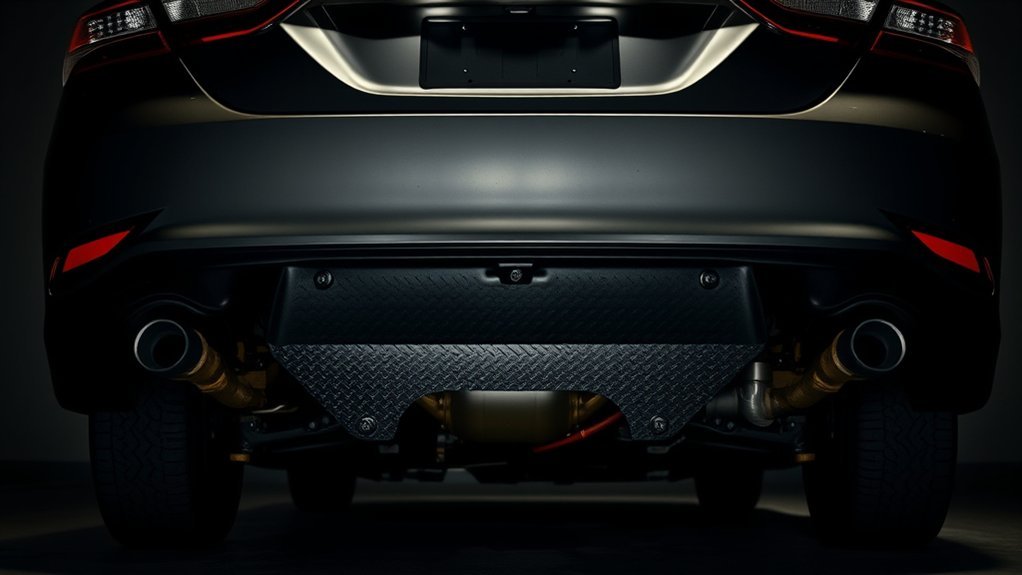
Catalytic converters are targeted because they contain platinum, palladium, and rhodium. These metals help control exhaust emissions, but they also create resale value in illegal scrap channels. The National Insurance Crime Bureau recorded 16,660 insurance claims in 2020 and 64,701 in 2022.
More recent data shows a changing, not eliminated, risk. CARFAX estimated more than 137,000 converters were stolen in 2025, below its reported 2023 peak, and documented renewed law-enforcement warnings in 2026. Vehicle rankings vary by region and year, so use local police reports, insurer notices, and repair-shop experience to judge your immediate risk.
Practical rule: Add enough delay, noise, visibility, and identification that your Camry is no longer the easiest vehicle to target.
Are Toyota Camrys Targeted for Catalytic Converter Theft?
Yes, a Toyota Camry can be targeted, but the risk is not equal across every model year or parking situation. Hybrid vehicles can be more attractive in illegal resale channels because their converters may use more precious-metal catalyst material. That is a category-level concern, not proof that every Camry Hybrid is a top target in every city.
Pickup trucks and SUVs often rank highly because their ground clearance makes access easier. A Camry can still be vulnerable when it is parked outside overnight in a dark, quiet, or repeatedly targeted area. Focus on access, concealment, local theft activity, and whether the car already has a physical barrier.
How High Is Your Camry’s Catalytic Converter Theft Risk?
| Parking or Vehicle Condition | Relative Concern | Best Next Step |
|---|---|---|
| Locked garage, visible camera, regular foot traffic, fitted shield | Lower | Keep the garage closed and inspect shield hardware during service |
| Driveway or apartment lot with lighting but no physical barrier | Moderate | Add a fitted shield, motion lighting, and a camera or alarm |
| Street or isolated lot overnight, recent local thefts, no shield | Higher | Change parking location when possible and prioritize a shield or cage |
Recognizing the Warning Signs of Catalytic Converter Theft
You will usually notice a stolen catalytic converter as soon as the engine starts. Common signs include a sudden roar, a strong exhaust odor, a check engine light, sluggish acceleration, or visible cuts and hanging exhaust parts. Shut the engine off if fumes are entering the cabin or the vehicle is in an enclosed area.
Unusual Noises When Starting
When you start your Toyota Camry and hear a loud rumbling, roaring, or hissing sound, check for exhaust system damage. A missing converter makes the exhaust much louder because the system is no longer sealed the way it should be.
| Warning Sign | What It May Mean |
|---|---|
| Loud roaring or rumbling | Converter or exhaust pipe may have been cut |
| Hissing or rattling | Exhaust leak or damaged underbody hardware |
| Check engine light | Oxygen sensor or emissions system fault after theft or damage |
| Strong exhaust smell | Unfiltered exhaust escaping before the tailpipe |
What Should You Check Under the Car?
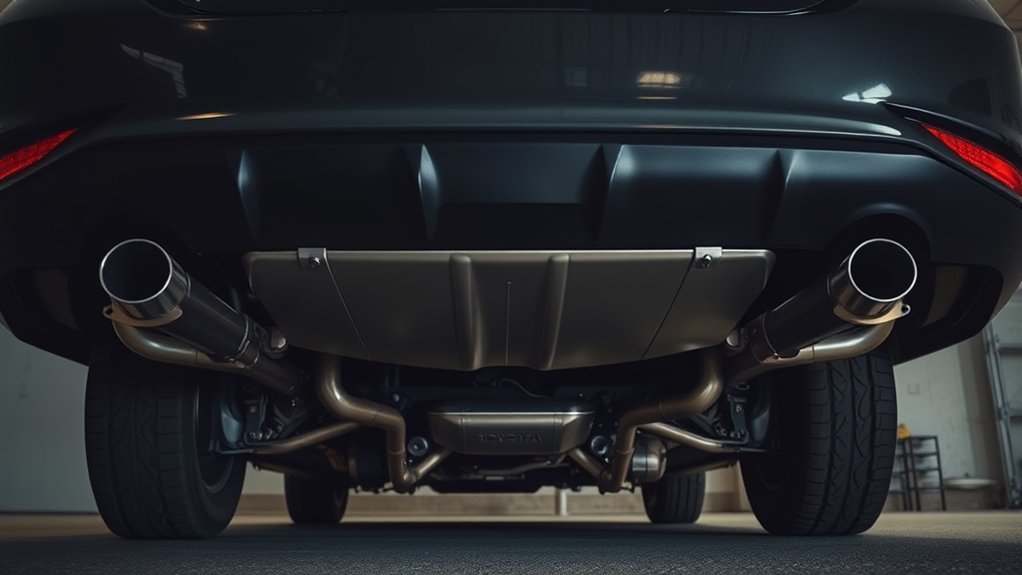
A stolen catalytic converter normally will not change your Camry’s ride height. From a safe position, look for fresh cuts, hanging exhaust sections, loose heat shields, damaged oxygen-sensor wiring, scrapes, or missing hardware under the car.
Warning: Never crawl under a Camry supported only by a jack. Use properly rated jack stands or ramps on level ground, or have a repair shop inspect the undercarriage.
Increased Exhaust Emissions
Without the catalytic converter, exhaust gases bypass a major emissions-control component. You may notice a stronger exhaust odor, a check engine light, sluggish or sputtering acceleration, or a failed emissions inspection. If you suspect theft, shut the engine off in enclosed areas and arrange prompt inspection or towing.
Best Ways to Prevent Catalytic Converter Theft on a Toyota Camry
The strongest prevention plan uses several deterrents together. A shield slows down cutting, VIN etching helps identify the part, smart parking reduces access, and alarms or lights increase the chance that a thief gets noticed.
| Protection Method | Best For | Main Benefit | Limit |
|---|---|---|---|
| Converter shield or cage | Camrys parked outside often | Blocks easy access to the converter | Requires correct fitment and secure installation |
| VIN etching and high-heat paint | All Camry owners | Makes the part easier to trace | Does not physically stop theft by itself |
| Garage, lights, and cameras | Home parking | Reduces hidden access | Depends on your parking setup |
| Alarm or tilt sensor | High-risk parking areas | Adds noise and attention | Works best when paired with a shield |
| Comprehensive insurance | Financial protection | May help pay for replacement | Coverage, deductible, and limits vary by policy |
[Products Worth Considering]
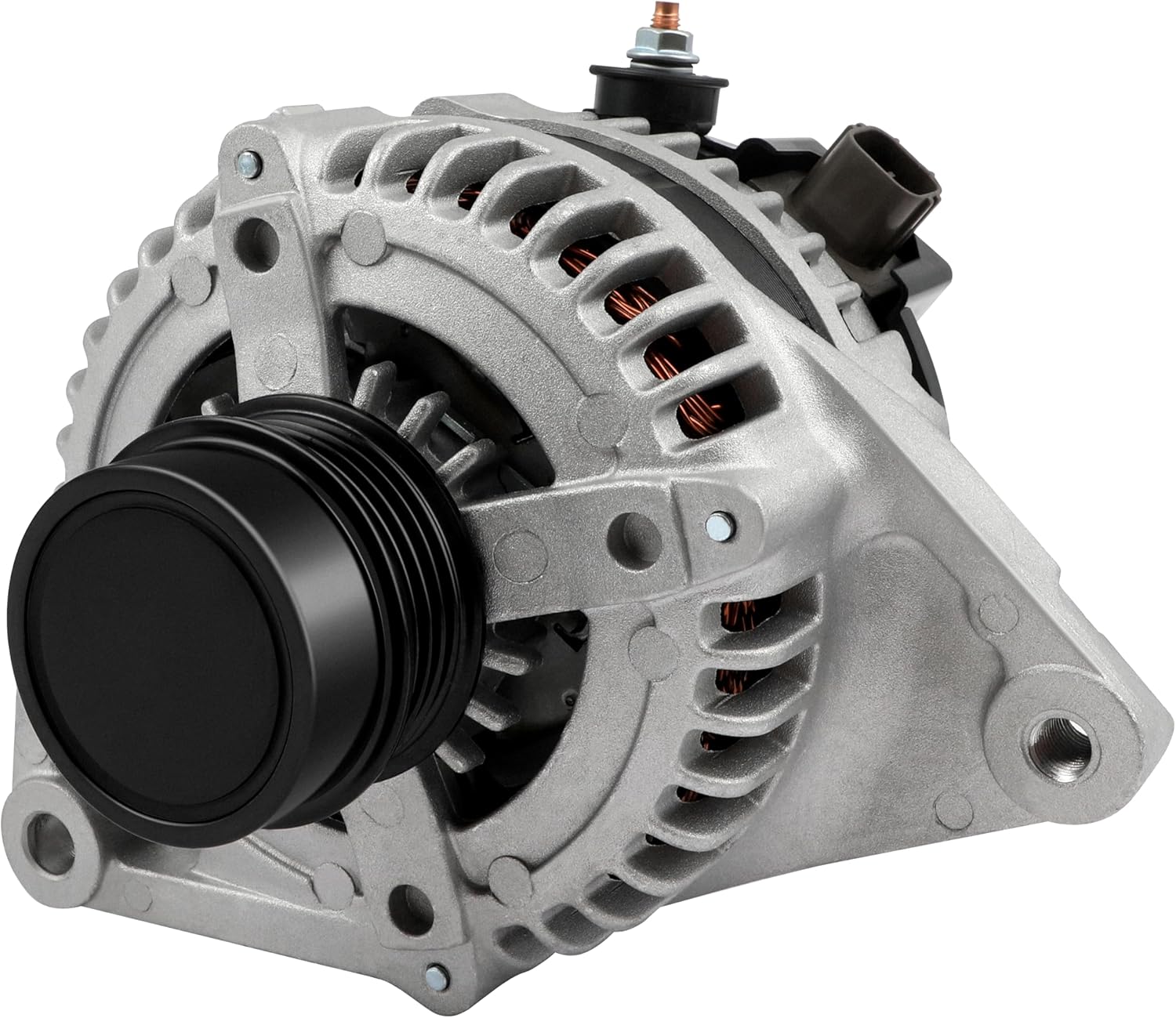
This high output alternator is designed to fit select Toyota, Scion, and RAV4 2.5L applications, delivering reliable charging performance for everyday driving. Built with a 12-volt, 100-amp design and precision-engineered components, it helps support battery recharge, stable electrical output, and consistent operation when your vehicle shows signs of charging issues.

Walker 36454 is a spring bolt kit designed to help secure exhaust components and maintain a tight, leak-resistant connection. It is made for ball and socket joint applications and uses durable materials for long-lasting performance. This hardware is a practical choice for exhaust repairs and compatible replacement needs on select vehicles.

Walker exhaust pipe flange gasket is designed to help complete exhaust repairs with a reliable seal for compatible vehicles. Built to work with OE exhaust components and Walker replacement parts, it features heat-deflecting construction, durable materials, and slotted bolt holes where applicable for easier installation. Engineered and tested for real-world performance, it supports long-lasting exhaust system service.
Do Catalytic Converter Shields Work on a Toyota Camry?
A vehicle-specific shield or cage can make a Toyota Camry’s converter slower and harder to reach. Independent public data does not support a theft-proof guarantee, so treat the device as a delay layer rather than a complete solution. Its real value comes from restricting tool access and forcing a thief to spend more time and create more noise.
[Products Worth Considering]

This oxygen O2 sensor set is designed for select Toyota Camry and RAV4 models with 2.4L engines, providing upstream and downstream replacement coverage in one package. Built to OEM specifications for plug-and-play installation, it helps improve fuel efficiency, support accurate air-fuel monitoring, and restore reliable engine performance. The stainless steel and heat-resistant construction is made for long-lasting durability and stable operation.

FOXWELL NT201 is an easy-to-use OBD2 scanner designed to help drivers quickly read and clear check engine codes, view live engine data, and check emissions readiness. Its color screen, one-key I/M readiness test, and broad compatibility with most gasoline vehicles since 1996 make it a practical tool for everyday diagnostics and maintenance. With plug-and-play operation and lifetime free updates, it offers a simple way to understand vehicle issues without expensive shop visits.

This front bumper license plate bracket is designed for Toyota Camry and Camry Hybrid models from 2018 to 2026, offering a secure and street-legal way to mount your plate. Built from durable, rust-proof plastic with included screw bolts and a wrench, it helps protect your bumper paint while making installation straightforward. The bracket fits US and Canada plates and is made to keep your license plate and registration sticker visible.
Effective Physical Barriers
A good shield must fit your exact Camry year, engine, drivetrain, hybrid status, and converter layout. Toyota’s parts site lists a MillerCAT stainless-steel shield with drill-less installation and tamper-proof hardware for compatible applications. Toyota also states that this is a third-party product, not a Genuine Toyota part, so use the fitment checker and review warranty, legality, and installation terms before purchase.
- Choose vehicle-specific fitment: Match the shield to your Camry’s model year, hybrid or non-hybrid setup, and OEM converter location.
- Look for tamper-resistant hardware: Security screws and specialty fasteners make removal harder.
- Protect service access: A good shield should still allow normal maintenance when removed by a shop.
- Compare material and construction: Judge thickness, fastener access, corrosion resistance, ventilation, and how fully the design covers the converter.
- Use a reputable installer: Poor installation can cause rattles, heat issues, or loose hardware.
Pro Tip: Before buying a shield, take your VIN or full vehicle details to a Toyota dealer, muffler shop, or shield manufacturer and confirm exact fitment. Do not assume a hybrid shield and a non-hybrid shield are interchangeable.
Easy Installation Options
Some shields use factory mounting points, while others use clamps, brackets, or tamper-resistant bolts. A bolt-on kit may be suitable for an experienced DIY owner with properly rated lifting equipment. Professional installation is the safer choice when fitment, ground clearance, heat clearance, or underbody access is uncertain.
Before approving a shield or cage, ask the seller or installer these questions:
- Exact fitment: Does the part match the Camry’s year, engine, drivetrain, and hybrid status?
- Mounting method: Does it attach to manufacturer-specified mounting points rather than directly to the converter?
- Included hardware: Are tamper-resistant fasteners and the correct service bit included?
- Heat and service access: Will the design preserve ventilation, drainage, and normal exhaust service?
- Warranty and legality: Could installation affect a product warranty, vehicle warranty, or local inspection requirement?
Does VIN Etching Stop Catalytic Converter Theft?
VIN engraving does not physically stop a saw, but it can make a recovered converter easier for law enforcement, recyclers, repair shops, and insurers to identify. The NICB recommends converter VIN marking as part of a layered deterrent plan, not as a substitute for a shield.
Many muffler shops, police departments, and community events offer converter-marking services. Some also apply bright high-heat paint to make the part visibly traceable. Use a qualified provider so the marking does not damage the converter or obscure required identification.
Note: Replacement and inspection rules vary by state. The California Bureau of Automotive Repair requires an OEM or CARB-approved aftermarket converter with the correct Executive Order number. It also says a theft-prevention device should not be welded or attached directly to the converter and must not obscure required identification.
How Alarm Systems Add an Audible Deterrent
Alarm systems can help by drawing attention to tampering, jacking, vibration, or movement near the underside of the vehicle. A loud alarm may scare off a thief before the converter is fully cut, especially in a driveway, apartment lot, or parking garage.
- Tilt sensors: Trigger when the car is lifted with a jack.
- Shock sensors: React to impacts, cutting vibration, or rough contact.
- Motion lighting: Makes a driveway or parking area less comfortable for thieves.
- Dash cams with parking mode: May preserve useful footage when correctly positioned, powered, and configured.
- Factory alarm sensitivity: Some systems can be adjusted by a shop, depending on the vehicle and alarm type.
An alarm works best as a second layer. If a thief can cut the converter quickly, noise alone may not be enough. Pair the alarm with a shield or cage for a stronger setup.
[Products Worth Considering]

These Amazon Basics steel jack auto stands provide dependable support for vehicle maintenance with a self-locking ratchet design for easy height adjustment. Built from durable steel with a rustproof coating, they meet recognized safety standards and are designed for sedans and urban SUVs. The pair offers a stable, easy-to-read solution for routine garage work and comes backed by a limited warranty.

This set of four ignition coils is designed to restore smooth engine performance and reliable starting for compatible Toyota, Scion, and Lexus applications. Built to meet or exceed OE specifications, these coil packs help reduce misfires, hesitation, and check engine light issues while supporting stronger ignition output. The direct-fit design makes installation straightforward, and the package includes a warranty for added peace of mind.

This A-Premium serpentine belt drive kit is designed for compatible Toyota Camry, RAV4, and Scion tC models with a DOHC 2.5L L4 engine. It includes a serpentine belt and belt tensioner to help maintain smooth engine operation, reduce noise, and support reliable power transfer. Built for dependable replacement performance, it also comes with a one-year unlimited-mileage guarantee for added peace of mind.
Where Should You Park a Camry to Reduce Theft Risk?
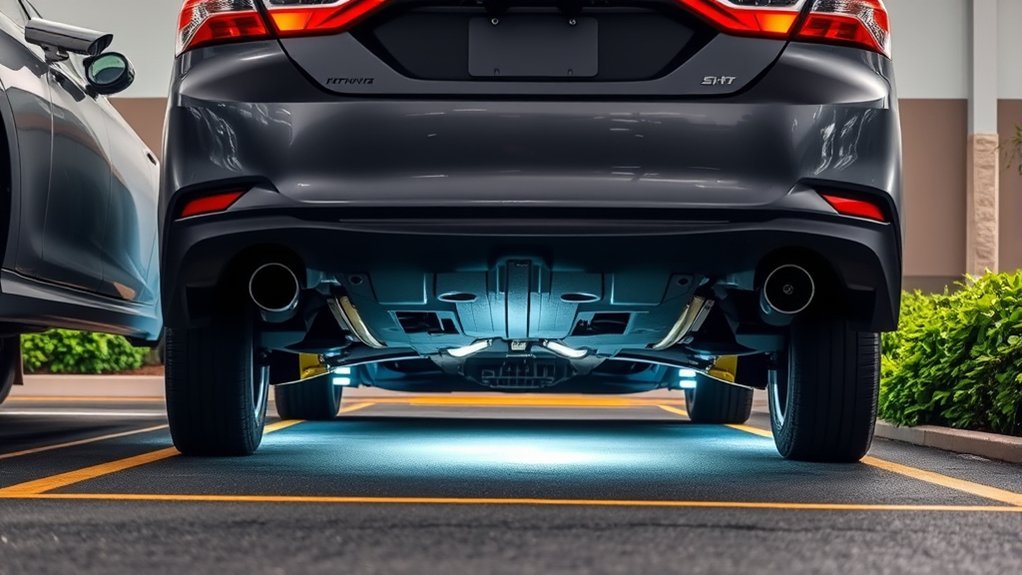
Choose parking that limits concealment and working time. The National Highway Traffic Safety Administration recommends well-lit parking as a basic theft-prevention step. For converter theft, visibility works best when paired with a physical barrier.
- Use a locked garage whenever possible. This is usually the best overnight parking option.
- Choose bright, busy spaces. Thieves prefer dark areas where they can work unnoticed.
- Park near cameras or building entrances. Visibility raises the risk for the thief.
- Avoid isolated corners of lots. A quiet back row gives thieves more time.
- Use motion-sensor lights at home. Light can interrupt a theft attempt before cutting begins.
- Park close to a wall or curb when safe and legal. Limiting access to the underside can make the job harder.
Safety warning: If you see a theft in progress, do not confront the suspects or approach the vehicle. Move to a safe location, call emergency services, and preserve camera footage or a description only when you can do so safely.
How Should You Install a Camry Anti-Theft Shield?
When you install anti-theft devices on your Toyota Camry, proper preparation matters. A shield that is loose, misaligned, or too close to hot or moving parts can rattle, scrape, or create service problems.
- Confirm fitment first. Check your Camry’s year, trim, engine, drivetrain, and whether it is hybrid or non-hybrid.
- Lift the vehicle safely. Use ramps or jack stands on level ground. Never rely on a hydraulic jack alone.
- Read the instructions completely. Identify all hardware, fasteners, and torque requirements before starting.
- Keep required clearance. Follow the kit instructions for heat, drainage, exhaust, suspension, and service access. Do not weld or attach a prevention device directly to the converter where prohibited.
- Tighten hardware evenly. Follow the manufacturer’s sequence and torque guidance to prevent rattles.
- Test after installation. Start the car, listen for vibration, and recheck the hardware after a short drive once the system cools.
How Often Should You Check a Converter Shield?
Check the shield after installation, after any exhaust or underbody service, and whenever you hear a new rattle. From a safe position, look for missing bolts, fresh scratches, bent edges, loose clamps, or signs that required labels are covered. Have a qualified shop inspect any damage or contact with hot or moving parts.
It is also smart to document your setup. Save receipts, part numbers, installation photos, VIN-etching records, and insurance information. This can make a claim easier if theft or attempted theft happens later.
Steps to Take Immediately After Catalytic Converter Theft
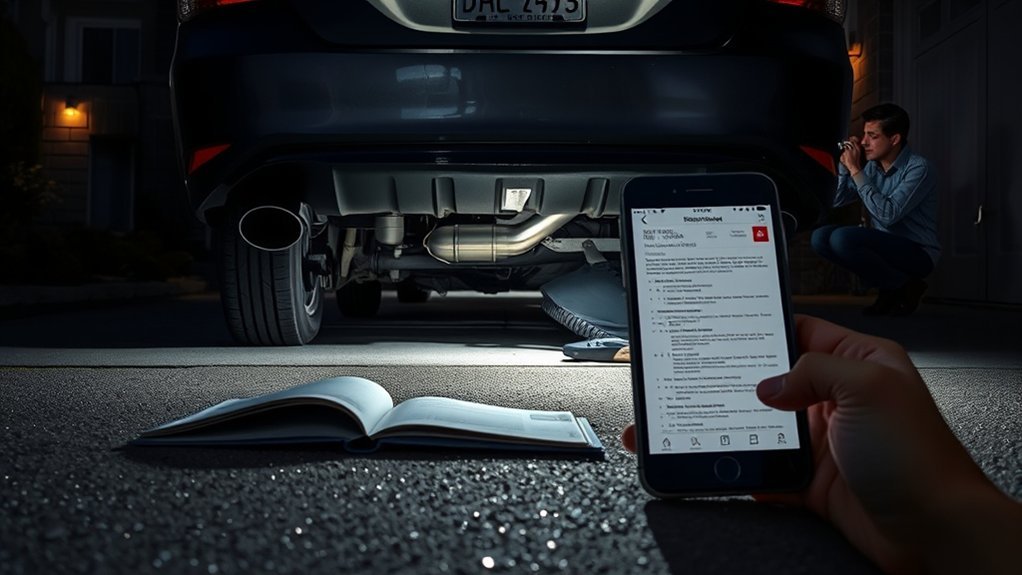
Experiencing catalytic converter theft is stressful, but the right steps can protect your claim, your vehicle, and your safety.
- Do not confront anyone. If the theft is in progress, move to safety and call emergency services.
- Shut the engine off in enclosed areas. A missing converter can create extreme noise, fumes, and additional exhaust-system damage.
- Call local police and file a report. Provide the make, model, plate number, VIN, location, time window, and any camera footage.
- Take photos. Photograph the underside damage, cut pipes, parking location, and any visible tool marks.
- Contact your insurer. Comprehensive coverage may cover stolen vehicle parts, but coverage, deductibles, claim procedures, and limits depend on your policy.
- Schedule repair with a qualified shop. Ask for the correct OEM or legal aftermarket converter for your state.
- Add prevention before parking outside again. Consider a shield, VIN etching, lighting, or alarm upgrades after repair.
Can You Drive a Toyota Camry if the Catalytic Converter Is Stolen?
Your Camry may still start and move after the converter is stolen, but towing is the safer choice. The car may be extremely loud, expose occupants to exhaust, trigger a check engine light, damage nearby exhaust components, and violate emissions requirements.
Do not idle or drive in a garage, parking structure, or other enclosed space. Opening the windows is not a substitute for exhaust safety. Move the car only when needed to leave immediate danger, then arrange towing or professional guidance.
Frequently Asked Questions
How do you protect the catalytic converter from theft in a Toyota Camry?
Use a layered setup: install a Camry-specific shield or cage, park in a locked garage or visible area, add lighting or an alarm, and mark the converter with the VIN. Verify shield fitment for the exact year, engine, drivetrain, and hybrid status.
Are Toyota Camrys targeted for catalytic converter theft?
Yes. Risk depends on local theft activity, parking visibility, underbody access, model configuration, and existing protection. Camry Hybrid owners should take extra care because hybrid converters may contain more precious-metal catalyst material.
Can you drive a Toyota Camry if the catalytic converter is stolen?
The car may run, but towing is safer. A missing converter can create extreme noise, exhaust exposure, emissions violations, and further exhaust-system damage. Do not idle or drive in an enclosed area.
Do catalytic converter shields really work?
A shield cannot guarantee prevention, and public effectiveness data is limited. It can still restrict tool access and add removal time, especially when paired with visible parking, lighting, identification, and an alarm.
Will insurance cover a stolen catalytic converter?
Comprehensive coverage may cover stolen vehicle parts, while liability-only coverage generally does not. Policy terms vary, so confirm the deductible, required police report, repair authorization, and approved replacement process with your insurer.
Is VIN etching enough to stop catalytic converter theft?
No. VIN engraving supports identification and recovery, but it is not a physical barrier. Pair it with a fitted shield, visible parking, lighting, and an alarm for a stronger deterrent plan.
Which Toyota Camry years can use a catalytic converter shield?
Shield availability and design vary by model year, engine, drivetrain, hybrid status, and converter layout. Use the manufacturer’s fitment checker or give the installer your VIN. Do not assume a shield for one Camry generation fits another.
Conclusion
Protect your Toyota Camry in layers. Confirm a shield or cage for the exact vehicle configuration, improve overnight parking visibility, add lighting or an alarm, and mark the converter for identification. If your Camry parks outside or local thefts are rising, prioritize the physical barrier first. After any attempted theft, new exhaust noise, or shield damage, stop using enclosed spaces and arrange a professional inspection.
Sources
- National Highway Traffic Safety Administration: Vehicle Theft Prevention: supports well-lit parking, alarms, identification, and theft-reporting guidance.
- National Insurance Crime Bureau: Catalytic Converter Thefts Surge Nationwide: supports 2020–2022 claim data, anti-theft devices, secure parking, and VIN marking.
- CARFAX: Catalytic Converter Theft: updated June 10, 2026; supports the 2025 estimate, warning signs, hybrid risk context, prevention, and post-theft steps.
- Toyota Parts: MillerCAT Catalytic Converter Shield: supports material, drill-less installation, included hardware, and Toyota’s third-party product disclaimer.
- California Bureau of Automotive Repair: Catalytic Converter Theft and the Smog Check Program: supports California replacement rules and installation cautions for prevention devices.