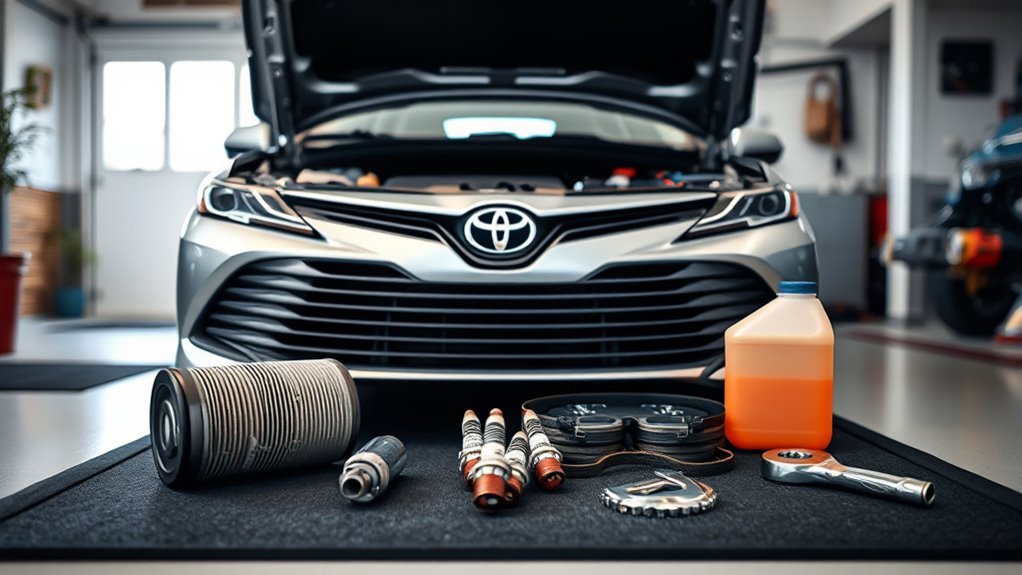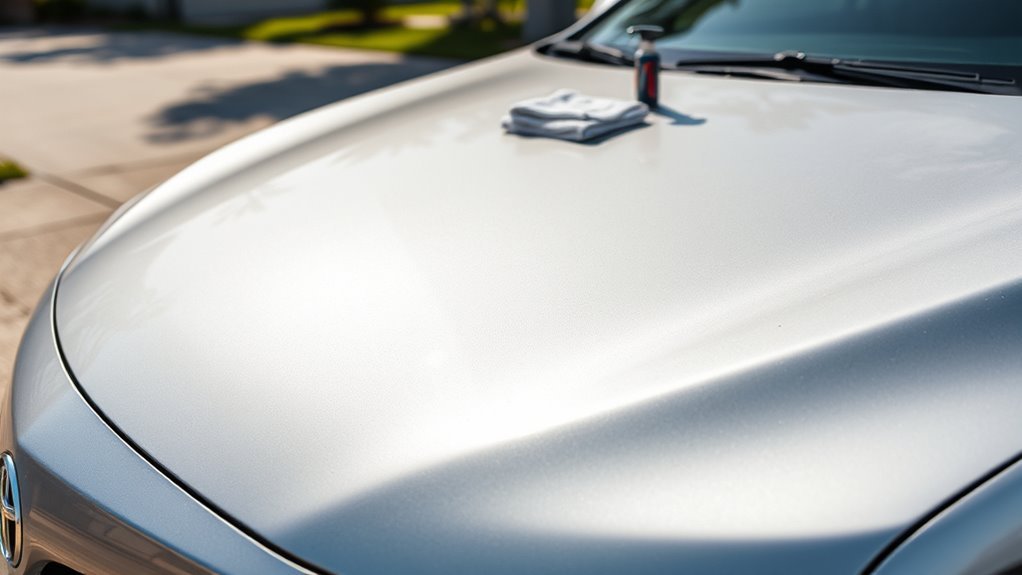
Your Camry’s clear coat shields paint from UV, chemicals and abrasion, and failure shows as dull/cloudy finish, swirl scratches, peeling flakes or chalky residue. Causes are UV polymer breakdown, contaminants (bird droppings, sap, acid rain), age-related loss of elasticity, poor original adhesion or harsh cleaning. You can inspect with gentle wash, polish minor defects, and apply wax or sealant; localized shop repairs beat full resprays for small areas. Keep going for step-by-step checks and fixes.
What Camry Clearcoat Does : 4 Early Warning Signs
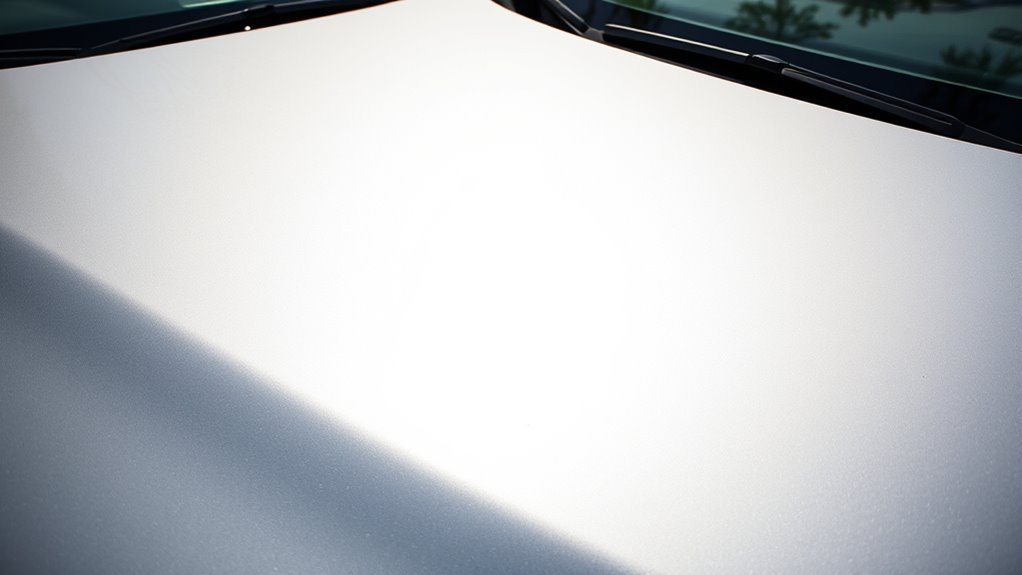
Why does the Camry’s clear coat matter? You rely on that transparent layer for clear coat longevity and oxidation prevention; it’s the barrier that preserves paint integrity and resale value. Inspect regularly for four early warning signs so you can act before repair limits your options.
First, a dull or cloudy finish signals the clear coat’s chemical breakdown and reduced UV resistance. Second, swirl marks or fine scratches—noticeable in direct sunlight—indicate thinning and compromised mechanical protection. Third, peeling or flaking exposes base color and accelerates corrosion and substrate damage if left untreated. Fourth, a chalky residue reflects advanced UV degradation; the polymer network is breaking down and won’t shield pigments effectively.
You’ll extend protection by detecting issues early, scheduling corrective polishing or recoat procedures, and choosing interventions that prioritize long-term durability and freedom from escalating repair constraints.
Why Camry Clearcoats Peel: The 4 Usual Suspects
When clearcoat starts to lift or flake, four usual culprits account for nearly all Camry failures: UV exposure, contaminants, aging/wear, and improper maintenance. You’ll want to know each cause so you can demand better clear coat longevity and insist on effective paint protection.
| Culprit | Effect |
|---|---|
| UV Exposure | Polymer breakdown, microcracks that propagate under heat |
| Environmental Contaminants | Acidic etching from droppings, sap, and acid rain |
| Aging & Wear | Thermal cycling and time reduce film elasticity |
| Improper Maintenance | Abrasives/harsh chemicals abrade clear coat |
Quality of original paint is a latent factor: inconsistent water-based systems can start with weaker adhesion. You should treat failure as systemic, not merely cosmetic—this lets you pursue remedies that restore agency over vehicle lifespan. Prioritize preventive specifications: UV-stable formulations, careful decontamination methods, and conservative maintenance to extend clear coat longevity and robust paint protection.
Quick DIY Checks and Fixes You Can Do Right Now
Having identified the usual causes of Camry clearcoat failure, you can perform a few targeted checks and fixes right now to slow damage and restore appearance. Start with a clear coat inspection: wash the panel with gentle car wash soap and a microfiber towel, then examine for dullness, cloudiness, flaking, or loss of water beading. Map problem areas and note whether defects are localized or widespread.
For minor scratches and swirl marks, use light-duty polishing techniques: apply a small amount of polishing compound with a soft pad, work in overlapping passes, and wipe residue with a clean microfiber. Don’t over-polish—stop when gloss returns. After polishing, apply a high-quality wax containing UV protection to re-establish a sacrificial barrier.
Avoid harsh chemicals and abrasive pads that accelerate degradation. Repeat inspections monthly and reapply wax as needed. These precise, low-cost steps give you immediate control, slow clearcoat decline, and keep your Camry visually liberated from premature decay.
Professional Repair vs. Full Repaint: When to Hire a Shop
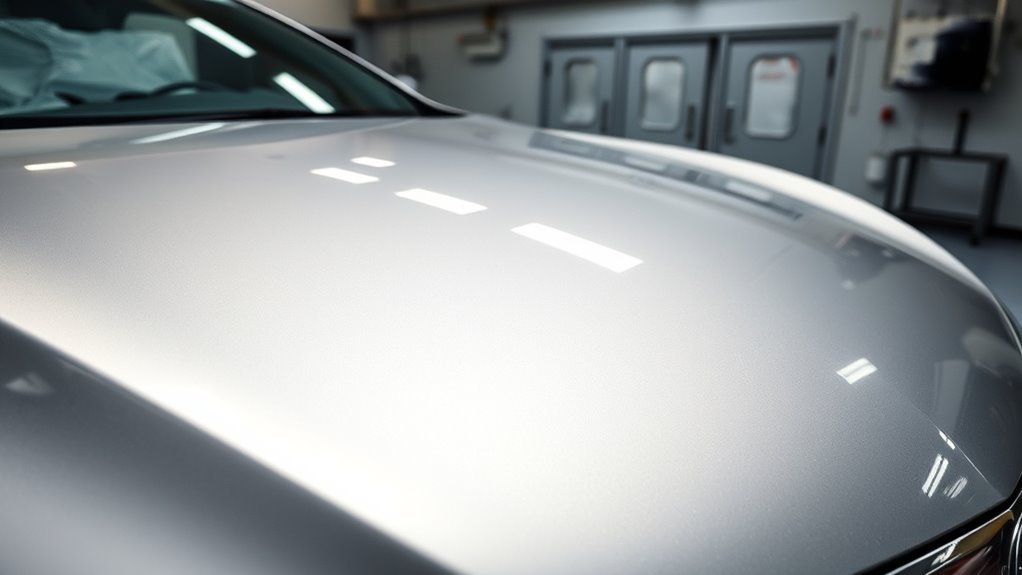
If damage is confined to small patches—typically under a single panel or isolated spots—you can often save time and money by hiring a shop for localized clear-coat repair, since technicians use controlled scuffing, solvent blending, and spray-applied clear to match gloss and adhesion without disrupting adjacent panels. You’ll choose professional repair techniques when defects are confined, substrate paint is intact, and blending can restore appearance and protection. A full repaint becomes necessary when failure spans multiple panels, shows substrate degradation, or when color/texture mismatch risks remain after blending. Assess durability: shop repairs use high-grade materials and cure processes that outperform DIY rattle-can fixes. Factor cost considerations: localized repair generally runs far less than a full respray, but prices vary by region, panel complexity, and labor rates. Inspect with a pro early to catch spreadable failure and avoid escalating to full repaint. You’ll prioritize interventions that restore protection, minimize expense, and preserve the vehicle’s finish integrity.
Easy Maintenance Routine to Prevent Future Clearcoat Loss
Protect your Camry’s finish with a simple, repeatable maintenance routine that focuses on contaminant removal, UV protection, and early detection of damage. Every two weeks, perform targeted washing techniques using a pH-balanced car soap and soft microfiber mitts to remove road grime, bird droppings, and industrial fallout that chemically attack the clearcoat. Rinse thoroughly, dry with a clean microfiber towel, and inspect panels under direct light for dull spots or micro-scratches.
As preventive measures, apply a high-quality wax or paint sealant every three months to add a UV-resistant barrier and slow oxidative breakdown. Store the vehicle in a garage or deploy a breathable car cover in high-sun regions to minimize cumulative UV load. Never use abrasive pads or harsh solvents that thin the clearcoat; opt for dedicated automotive products.
Document inspection findings and address localized deterioration promptly—compound and polish minor defects or consult a professional when clearcoat delamination appears—to safeguard finish longevity and preserve your Camry’s autonomy.
Frequently Asked Questions
What Causes Clear Coat to Fail?
Clear coat fails from UV exposure, chemical exposure, environmental factors, improper application, age deterioration, and maintenance neglect; you’ll see cracking, peeling, and loss of protection, so act proactively to prevent irreversible surface damage and reclaim control.
Why Does Toyota Clear Coat Peel?
Because prolonged UV exposure, contaminants and weaker coatings reduce clear coat durability, you’ll see peeling; environmental factors like acid rain, bird droppings and heat stress weaken bonds, so you should protect, wash, wax and inspect regularly.
What Is the Toyota Paint Problem Class Action Lawsuit?
You’re part of a class action alleging Toyota concealed systemic paint defects; plaintiffs claim premature clear coat failure, seek damages and remediation, and demand accountability for material quality, production processes, and inadequate warranty responses.
Conclusion
You now know what the Camry clearcoat does, how to spot four early failure signs, and the four usual causes behind peeling. Do quick DIY checks—surface hardness, solvent lift, and edge delamination—and apply targeted fixes like wet-sanding and single-panel spot clear. For widespread loss, get a professional respray instead of patching. Maintain with regular washing, clay, and quarterly polymer sealant to prevent recurrence. Even a pocket-watch reminder helps you stay on schedule.