Leaving a Toyota Camry parked for weeks or months is not as simple as locking the doors and walking away. A clean exterior, fresh fluids, protected battery, properly supported tires, dry interior, and rodent-proof storage spot can prevent the usual storage headaches: dead batteries, flat-spotted tires, stale fuel, brake rust, mildew, and chewed wiring.
Quick Answer
To store a Camry for a month or longer, wash and wax it, clean the cabin, change the oil if due, fill the fuel tank and add stabilizer, inflate tires to the door-placard pressure, avoid the parking brake, protect the 12-volt battery, block rodents, and inspect everything before the first drive back.
Key Takeaways
- Use your Camry owner’s manual and driver-door tire placard as the final authority for model-specific pressures, fluids, battery access, and service intervals.
- A battery maintainer is usually better than repeated short idling because the engine, brakes, tires, and fuel system benefit most from a real drive.
- For long storage, do not set the parking brake; use wheel chocks on a level surface so the pads or shoes do not stick.
- Rodent prevention works best when you remove food sources, seal entry points, use traps safely, and inspect the vehicle regularly.
At a Glance
| Time Required | 1–3 hours before storage, plus 10–20 minutes for monthly checks |
| Difficulty | Easy to moderate |
| Tools Needed | Tire-pressure gauge, air compressor, microfiber towels, wax, fuel stabilizer, wheel chocks, desiccant packs, battery maintainer or basic wrench set |
| Cost | About $25–$150, depending on whether you already own a maintainer and cover |
10-Minute Camry Pre-Storage Checklist
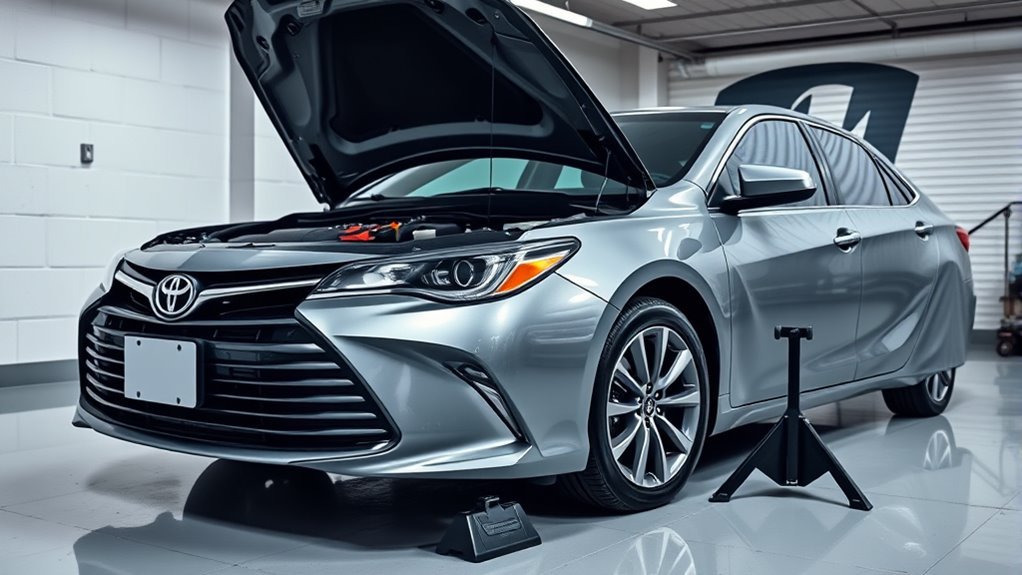
Before you stash your Camry, run through a focused checklist to prevent the most common storage problems:
- Wash, dry, and wax the exterior. Dirt, bugs, road salt, bird droppings, and tree sap can stain or damage paint when they sit for weeks.
- Vacuum and wipe the interior. Remove food, crumbs, water bottles, trash, and anything scented that could attract pests.
- Check maintenance status. Toyota says owners are responsible for the required maintenance in the owner’s manual and maintenance guide, so do not store the car overdue for critical service. Check your model year at Toyota’s official Camry manuals page.
- Service oil if it is due or dirty. Toyota’s 2025 Camry maintenance guide calls for replacing engine oil and filter at the specified interval and no later than 12 months or 10,000 miles for that guide’s normal schedule, so use your own year’s guide rather than a one-size-fits-all rule.
- Fill the fuel tank and add stabilizer. If storing longer than about 30 days, add fuel stabilizer and drive several miles so treated fuel moves through the system.
- Inflate tires to the pressure on the driver-door placard. Do not rely on a random internet PSI number; Camry tire pressure can vary by model year, tire size, and load rating.
- Protect the 12-volt battery. Connect a smart maintainer or disconnect the negative cable if the owner’s manual allows it and you are comfortable resetting clock, radio, window, and other systems afterward.
- Use wheel chocks, not the parking brake. Long contact can cause brake pads or shoes to stick, especially in damp storage.
- Block rodents and moisture. Use desiccants inside, keep the storage area clean, seal gaps, and inspect for droppings or nesting.
- Leave yourself a return checklist. Write down what you disconnected, blocked, inflated, covered, or added so you can undo it safely later.
Warning: Never run the engine in a closed garage. Carbon monoxide is odorless and dangerous. If you start or drive the car during storage, do it with safe ventilation and enough room to move the vehicle.
[Products Worth Considering]

Upgrade your driving comfort with this premium leather steering wheel cover featuring a 3D honeycomb texture for enhanced grip and anti‑slip performance. Its universal fit accommodates 14.5‑15 inch wheels across cars, trucks, and SUVs, while the vibrant red color adds a stylish touch to any interior. Easy to install, it offers durable protection and a secure, non‑slipping hold for safer, more enjoyable rides.

These silicone cup holder inserts provide a curved, anti‑shake design that securely grips water cups and bottles, preventing spills and rattling while driving. Made from high‑strength, waterproof silicone, they fit most vehicle cup holders and are easy to install with a self‑adhesive backing. The set includes six inserts, cleaning paper, and a manual for optimal placement and lasting stability.

These plush car seat belt cover pads provide a soft, friction‑reducing layer that eases shoulder pressure during long drives, making rides more comfortable for adults and kids. The cute purple flower pattern adds a stylish touch to any vehicle interior while the durable, wear‑resistant material ensures long‑term use. Easy Velcro straps secure the pads without tools, and the universal fit works with most seat belts.
Clean, Protect, and Cover the Exterior & Interior
Start by giving your Camry a thorough cleaning inside and out. Road grime, mud, brake dust, insects, bird droppings, and tree sap can bond to paint while the car sits. Wash the body, clean the wheels and lower fender areas, dry everything well, and apply a quality wax or paint sealant.
Inside, vacuum seats, carpets, floor mats, the trunk, and tight crevices. Wipe hard surfaces with a mild interior cleaner, remove all food and trash, and avoid leaving scented air fresheners, gum, pet treats, or cardboard boxes in the cabin. If you have leather or SofTex-style surfaces, clean and condition them with products made for automotive interiors.
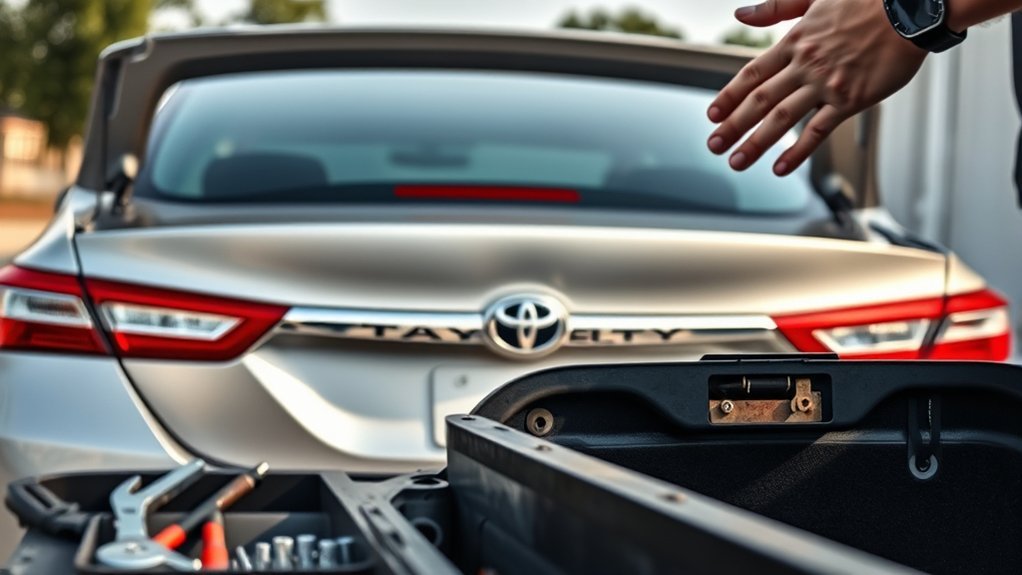
Place desiccant packs or moisture absorbers in the cabin and trunk, especially if the car will sit in a humid garage or outdoor storage. Close doors, windows, trunk, and sunroof fully unless the car is in a secure, dry, pest-controlled space where a tiny amount of ventilation is safe.
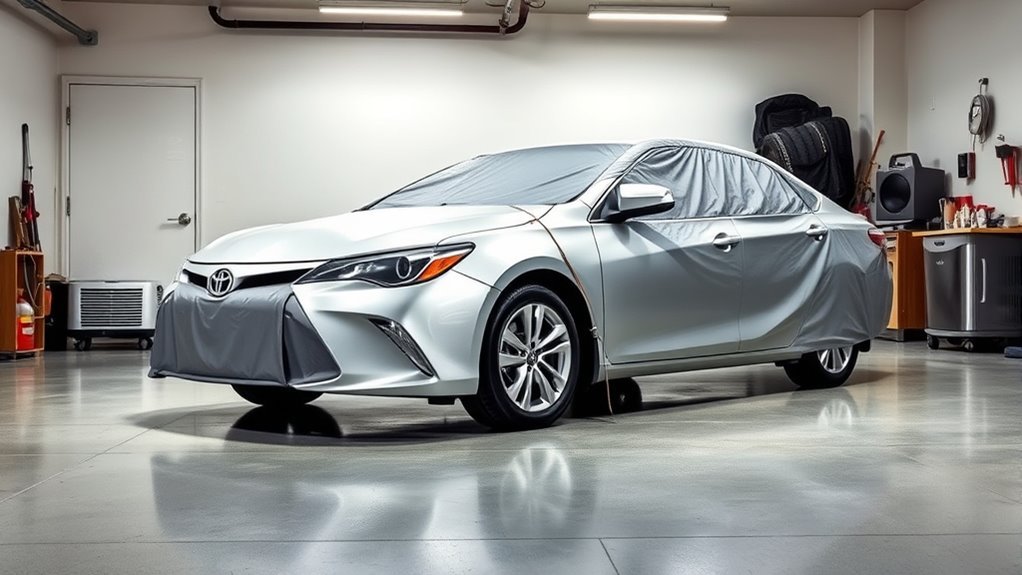
If the Camry must sit outside, use a breathable, snug-fitting, weather-resistant car cover. Avoid cheap plastic tarps that trap condensation against the paint. Indoors, a soft breathable cover protects against dust while still allowing moisture to escape.
Pro Tip: Photograph the car before storage, including tire condition, odometer, battery setup, and any existing scratches. It gives you a quick baseline when you return.
Oil, Fluids & Fuel: What to Change and Top Off
Do not let your Camry sit with neglected fluids. Check engine oil, coolant, brake fluid, windshield washer fluid, and any visible leaks before storage. Toyota’s maintenance materials tell owners to check engine oil regularly and replace engine oil and the oil filter at the specified interval, so consult the guide for your exact model year before deciding whether an oil change is due.
If the oil is near the end of its service interval, change it before storage. Used oil can contain moisture, fuel dilution, acids, and contaminants that you do not want sitting in the engine for months. If the oil is fresh and the storage period is short, a separate pre-storage oil change may not be necessary.
For fuel, fill the tank and add the correct amount of fuel stabilizer if the car will sit more than about 30 days. After adding stabilizer, drive the car for 5–10 miles so treated fuel reaches the fuel lines and injectors. Do not overfill the tank past the pump’s normal shutoff.
Top off washer fluid and confirm coolant and brake fluid are at the proper marks. If brake fluid or coolant is already due for replacement, service it before storage because deteriorated fluids can contribute to corrosion and poor performance.
Fresh fluids, stabilized fuel, and a written maintenance note are cheap insurance against the “it started fine when I parked it” surprise.
[Products Worth Considering]

Stay warm and keep control with the KVAEY fluffy steering wheel cover. Its high‑density plush provides a soft, comfortable grip while the anti‑slip rubber liner ensures safety during winter drives. Easy to install and fits 15‑inch wheels on cars, trucks, and SUVs, adding a cozy, stylish touch to any interior.

Upgrade your vehicle's interior with a stylish boho‑inspired center console cover that adds comfort and a striking visual appeal. Made from premium polyester fiber, anti‑skid cloth, and a plush 5 mm sponge, it provides soft support while reducing hand fatigue during long drives. The anti‑slip adhesive backing keeps it securely in place, and the elastic straps ensure a snug fit on most cars, trucks, SUVs, and vans.
Battery: Maintain, Disconnect, or Use a Tender
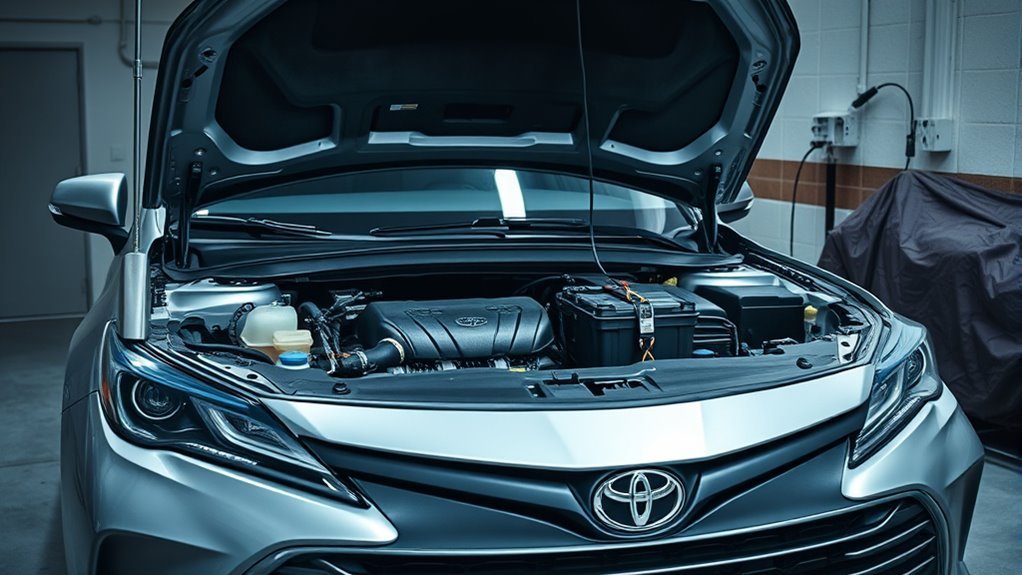
If you are storing your Camry for more than a few weeks, protect the 12-volt battery from slow discharge. The cleanest option is a smart battery maintainer that matches your battery type and automatically switches to float mode instead of overcharging.
If you do not have power where the car is stored, you may disconnect the negative battery cable if your owner’s manual allows it and you are comfortable with the side effects. Reconnection may require resetting the clock, radio presets, power windows, steering-angle calibration, or other systems depending on the model year.
Before storage, inspect the battery case, hold-down, terminals, and cables. Clean corrosion carefully, tighten loose connections, and replace a weak battery before trusting it through a long storage period. A failing battery often will not recover just because it was disconnected.
Note: Hybrid Camry models have a high-voltage hybrid battery and a separate 12-volt auxiliary battery. Do not touch orange high-voltage cables or attempt hybrid-battery service. For storage, focus on maintaining the 12-volt battery and periodically operating the vehicle as the manual recommends.
Tires & Suspension: Pressure, Movement, and Jack Stands
Tires carry the full weight of the car while it sits, so storage can create flat spots. Inflate all four tires to the pressure shown on the driver-door tire placard or in the owner’s manual. Do not guess; tire pressure depends on the exact tire size and model year.
Check pressure monthly if you can access the car. Tires naturally lose pressure over time, and temperature swings can change the reading. If the car will sit for several months, move it enough to change the tire contact patch, or drive it long enough to warm the tires and brakes.
For very long storage, jack stands or tire cradles can reduce flat-spot risk. Only lift the Camry at the proper jacking points, support it on level solid ground, and never crawl under a vehicle supported only by a jack. If you are not comfortable lifting the car safely, skip the jack stands and focus on proper inflation plus periodic movement.
Avoid setting the parking brake. Put an automatic-transmission Camry in Park on level ground and use wheel chocks. For older manual-transmission vehicles, follow the owner’s manual and use chocks so the car cannot roll.
Brakes: Prevent Rust and Avoid a Frozen Parking Brake
Brake rotors can develop light surface rust while a Camry sits, especially in humid climates. A small amount of surface rust often clears during normal braking, but heavy rust, pitting, grinding, pulling, or a soft pedal needs inspection before regular driving.
- Do not store with the parking brake applied. Long contact can cause sticking or corrosion between pads, shoes, rotors, or drums.
- Use the foot brake during periodic drives. A real drive lets the brakes warm up and helps clear light rotor rust.
- Inspect before the first trip. Look through the wheels for heavy rust, broken hardware, fluid leaks, or unusual wear.
If the car has been parked for several months, take the first drive slowly in a safe area. Test brake feel before entering traffic. If the pedal feels spongy, the car pulls, or braking is noisy beyond brief surface-rust cleanup, stop and have it checked.
Rodent and Moisture Prevention for Garage or Outdoor Storage
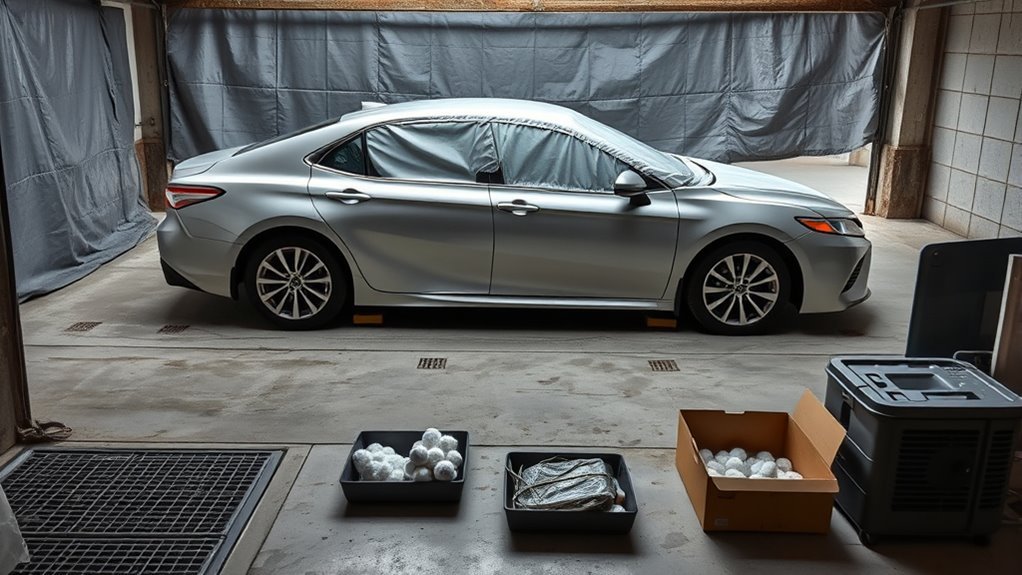
Rodents love quiet, protected spaces, and a stored Camry can look like a tiny apartment with wiring snacks. The best prevention is boring but effective: remove food, remove clutter, seal entry points, and inspect often.
Start with the storage area. Sweep the garage, remove birdseed and pet food, store trash in sealed containers, and move cardboard, leaves, deep mulch, and fabric piles away from the vehicle. The EPA recommends sealing holes and removing food, water, and nesting sources to discourage rodents.
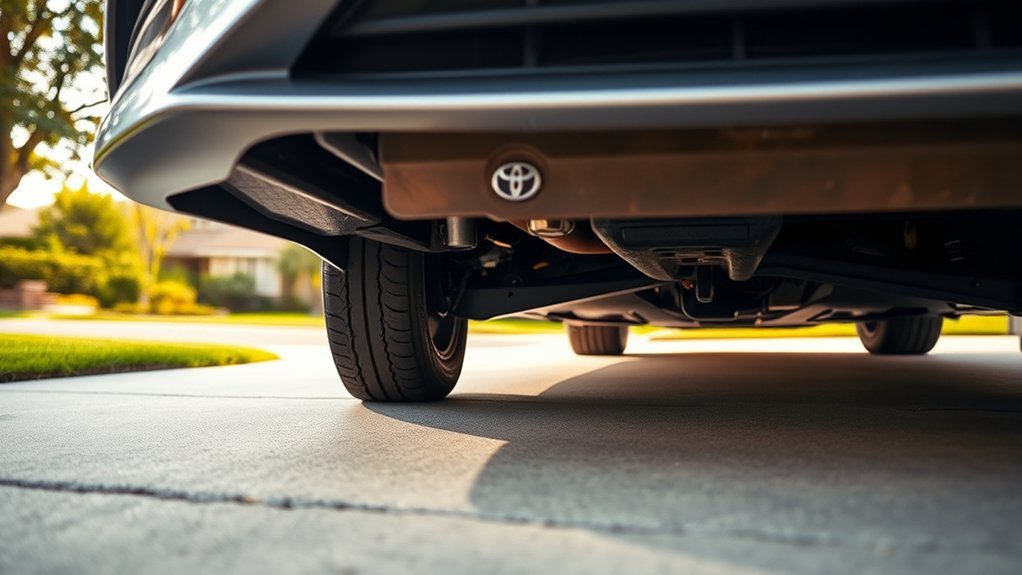
For the car itself, check common access areas such as the exhaust outlet, air-intake area, cowl, wheel wells, and underbody gaps. If you temporarily block an exhaust or intake opening with steel wool or mesh, leave a large tag on the steering wheel so you remove it before starting the engine.
Use traps only where children, pets, and non-target wildlife cannot reach them, and check them regularly. Avoid scattering mothballs around the car or outdoors; mothballs are regulated pesticides, and the National Pesticide Information Center warns that using them in ways not listed on the label can be illegal and harmful to people, pets, and the environment.
Warning: If you find droppings, nesting, or chewed wiring, wear gloves, avoid stirring up dust, ventilate the area, and clean safely. Damaged wiring can cause warning lights, no-start issues, or electrical shorts.
Maintenance Schedule While Away: How Often to Start, Drive, and Inspect
A parked Camry does best with a simple maintenance rhythm. If you can drive it safely, a real drive is better than a short idle because it warms the engine, circulates fluids, charges the 12-volt battery, moves the tires, uses the brakes, and runs the A/C system.
| Storage Length | What to Do |
|---|---|
| Less than 2 weeks | Park clean, remove food, lock it, and make sure tires and battery are healthy. |
| 2–4 weeks | Use a maintainer if the battery is older or the car has many electronics. Check tire pressure before driving again. |
| 1–3 months | Add fuel stabilizer, protect the battery, avoid the parking brake, inspect monthly, and drive 15–20 minutes when possible. |
| More than 3 months | Consider jack stands or tire cradles, more careful rodent prevention, monthly inspections, and professional storage help for 6+ months. |
If someone else will maintain the car, give them a written checklist. Ask them to check for leaks, tire pressure, warning lights, pests, moisture, and battery-maintainer status. If they drive it, they should drive long enough for the engine to reach normal operating temperature and for the brakes to be used safely.
First-Drive Checklist After Long-Term Storage
Before you start the engine, slow down and undo every storage step. The first-drive checklist is where many storage mistakes show up, so do not rush it.
Inspect Under-Hood Components
- Look for rodents. Check for nests, droppings, chewed insulation, damaged hoses, and chewed wiring.
- Remove all temporary blockers. Take steel wool, mesh, tape, tags, or covers out of the exhaust, intake, and cowl areas before starting.
- Check fluids. Verify engine oil, coolant, brake fluid, and washer fluid levels. Look underneath for fresh drips.
- Inspect the battery. Reconnect the negative cable if disconnected, confirm the terminals are clean and tight, and remove the battery maintainer.
- Check belts, hoses, and wipers. Look for cracks, brittleness, loose parts, or signs of leaks.
Road-Ready Safety Checks
Walk around the Camry before driving. Check tire pressure, sidewalls, tread condition, lights, mirrors, windshield, wipers, and washer spray. Confirm the brake pedal feels normal before shifting out of Park.
Start the car and listen. Warning lights may appear briefly during startup, but persistent battery, brake, coolant, oil-pressure, hybrid-system, or check-engine warnings deserve attention before a longer drive. On the first trip, stay close to home, drive gently, and test steering and braking in a safe low-speed area.
Pro Tip: Keep the return drive short: 10–15 minutes around local roads first, then recheck for leaks, smells, warning lights, tire-pressure changes, and brake noise before normal use.
Frequently Asked Questions
How do I leave a Camry parked for 3 months?
Clean it, remove food, change oil if due, fill the tank, add fuel stabilizer, drive briefly to circulate the treated fuel, inflate tires to the door-placard pressure, avoid the parking brake, use wheel chocks, connect a smart battery maintainer or disconnect the negative cable if appropriate, and inspect for rodents and leaks monthly.
Should I disconnect the battery when storing a Camry?
For storage longer than a few weeks, a smart 12-volt battery maintainer is usually the easiest choice if power is available. Disconnecting the negative cable can reduce drain, but you may need to reset electronics afterward. Always follow the owner’s manual for your model year.
How long can my Camry sit without being driven?
A healthy Camry can usually sit for a couple of weeks without special steps, but after about a month you should think about battery charge, tire flat spots, stale fuel, brake rust, moisture, and rodents. For longer storage, prepare it instead of simply parking it.
Is it better to start the car or drive it during storage?
Driving is better than a short idle when it can be done safely. A 15–20 minute drive helps warm the engine, charge the 12-volt battery, move the tires, use the brakes, and circulate fluids. Short idling in a garage is not enough and can be unsafe without ventilation.
Should I overinflate Camry tires for storage?
Use the pressure shown on your driver-door tire placard unless your owner’s manual or tire professional gives a storage-specific instruction. Some storage guides suggest extra pressure for long parking, but overinflation can be unsafe if forgotten before driving, so record any change clearly.
Conclusion
Long-term Camry storage is really a controlled nap, not a cryogenic experiment. Clean it, protect the paint, remove snack invitations for pests, stabilize the fuel, follow Toyota’s maintenance guidance, pamper the 12-volt battery, keep tires round, and skip the parking brake drama. When you return, do the first-drive checks before heading into traffic. Your Camry will be far less dramatic, and smugly ready, because you did the boring stuff right.
Sources
- Toyota Camry Manuals and Warranties — official model-year manuals and owner resources.
- Toyota 2025 Camry Warranty & Maintenance Guide — maintenance responsibilities, oil/filter intervals, fluid inspections, and scheduled service guidance.
- AAA: Tips for Parking and Storing Your Car for Extended Periods — fuel stabilizer, battery, tire, parking brake, cleaning, and insurance storage tips.
- Edmunds: How to Prep Your Car for Long-Term Storage — practical storage steps for fuel, battery, tires, brakes, cleaning, and return checks.
- U.S. EPA: Identify and Prevent Rodent Infestations — rodent exclusion, food-source removal, and prevention basics.
- National Pesticide Information Center: Regulation, Proper Uses, and Alternatives of Mothballs — safe and legal limits for mothball use.