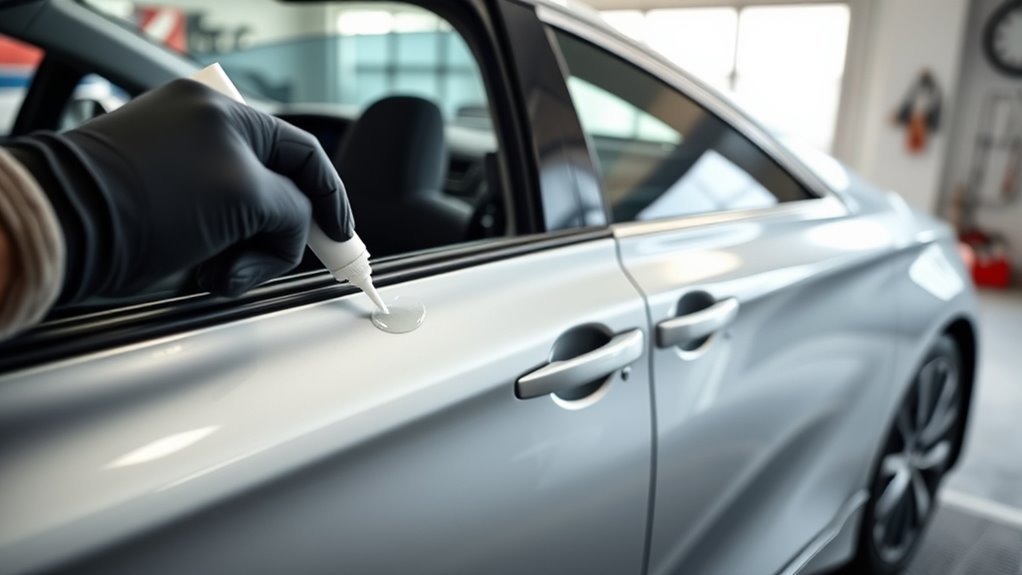
You can stop your Camry doors sticking by cleaning the gasket and surrounding jamb, removing dirt with detail spray and a microfiber, then drying thoroughly. Use a rubber-safe silicone (liquid for quick coverage, paste for longer protection) and apply evenly with a cloth or gloved finger, focusing on corners and compression zones. Reapply every 3–6 months or after cold spells, thaw frozen seals with warm air first, and inspect for cracks or tears to plan repairs if needed; more tips follow.
Quick Fix: Stop Camry Doors From Freezing Shut
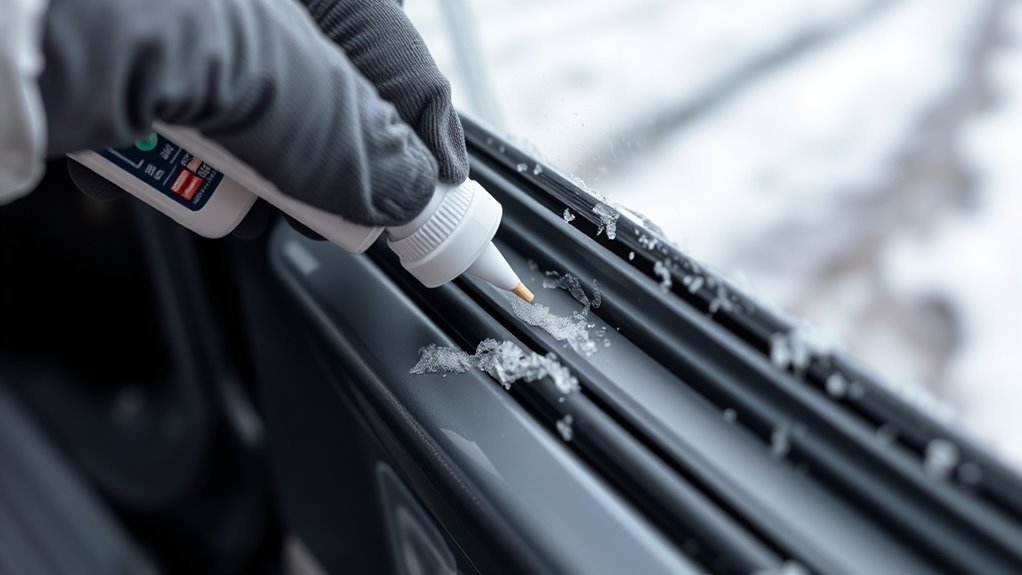
If cold weather’s making your Camry doors stick, a quick silicone treatment on the rubber gaskets will restore flexibility and stop them freezing to the metal. You’ll start by cleaning the gasket and surrounding flange with detail spray and a microfiber cloth so silicone bonds to a clean surface. For swift gasket maintenance use liquid silicone on a rag to spread an even film along the entire seal; paste works but needs more effort. Work the door open and closed gently to work the product into corners and compression points. That prevents frozen doors and preserves seal elasticity. This takes only a few minutes per door and spares you forced entries or damaged weatherstripping. Do it before the first deep freeze, and repeat seasonally or when you notice stiffness. You’ll reclaim control over winter conditions, extend seal life, and keep your Camry reliable without depending on rescue or costly repairs.
Tools & Products for Camry Door Seals
You’ll want a high-quality silicone spray or paste rated safe for rubber—sprays for quick coverage, paste for long-lasting protection. Wear rubber gloves to keep the seals and your hands clean during application. Bring a microfiber cloth and mild cleaner to remove dirt and old residue before you apply the lubricant.
Essential Silicone Types
Choosing the right silicone makes lube jobs faster and longer-lasting: liquid silicone sprays let you mist product onto a microfiber cloth for quick, even application, while paste silicone gives thicker coverage and tougher protection on Camry door seals. You’ll want both: liquid advantages include fast wetting, easy reach into channels, and minimal buildup; paste benefits deliver durable barrier layers resisting cold and abrasion. Prep seals with detail spray and a clean microfiber so silicone adheres; regular maintenance, especially pre-winter, prolongs weatherstrip life and prevents sticking. Pick reputable automotive-grade formulas for predictable performance. Apply methodically, working the seal’s folds and mating surfaces. This approach frees you from seasonal squeaks and frozen doors, keeping your Camry functioning on your terms.
Protective Gloves Needed
Now that you’ve got the right silicone types and a clean seal, put on durable, chemically resistant rubber gloves before you touch any product. You’ll choose glove types—liquid-compatible nitrile for sprays and thicker, solvent-resistant neoprene or thicker nitrile for paste—based on coverage and control. Fit matters: snug but not restrictive, so you retain dexterity for precise application techniques along edges and corners. Inspect gloves for tears and replace them regularly to avoid contaminating the seal and compromising adhesion. Remove and dispose of used gloves immediately after work to protect your workspace and skin. These steps free you from mess and exposure, letting you apply silicone confidently and efficiently without unnecessary risk.
Cleaning Supplies List
Start by laying out the essential cleaning supplies so you can work efficiently and avoid damaging the seals: a quality detail spray for metal around the gaskets, a microfiber cloth to lift dirt without scratching, a rubber-gasket-safe cleaner formulated for elastomers, and multiple pairs of durable nitrile or neoprene gloves for application and cleanup; also include a soft-bristled brush for stubborn grime and a small container of clean water or IPA wipes for final wiping of residues in both the door and cab areas. You’ll also bring a small tray for parts, disposable towels, and a precision pick for trapped debris. Use the detail spray and brush with targeted cleaning techniques, wipe with microfiber, then protect surfaces before lubricant application. These items guarantee reliable gasket maintenance.
Clean Camry Gaskets and Surrounding Metal
Start by spraying the metal jamb and striker area with a detail spray and wipe them clean to remove dirt that can prevent silicone from bonding. Use a microfiber cloth to carefully wipe the rubber gaskets with a rubber-safe cleaner, ensuring you remove grime without abrading the seal. Make sure both the door and surrounding cab surfaces are clean so the lubricant will spread evenly and the gasket stays flexible.
Clean Metal Surfaces
Wipe the door edges and surrounding metal with a detail spray and a microfiber cloth, removing all dirt, dust, and moisture that can bond the rubber gasket to the metal. You’ll target door edges and cab areas to eliminate contaminants that create adhesion points and freezing risks. Use cleaning agents formulated for rubber to avoid chemical attack while ensuring a dry, debris-free surface for silicone application. Work methodically: spray, agitate with the cloth, inspect, and repeat until surfaces are uniformly clean. Regularly scheduled maintenance tips like monthly checks reduce buildup and support gasket longevity by preventing stuck seals and premature wear. Clean metal surfaces free you to act decisively when lubricating, ensuring reliable door operation and personal autonomy.
Wipe Rubber Gaskets
With the metal edges clean, move on to the rubber gaskets and the adjacent cab surfaces; spray a rubber-safe detail product and work methodically with a microfiber cloth to remove grime, dust, and any trapped moisture that can cause the seal to stick in cold weather. You’ll follow precise cleaning techniques: spray, agitate gently, wipe dry, and inspect for embedded debris. Prioritize gasket maintenance—use only products labeled safe for rubber to preserve elasticity and prevent degradation. Remove moisture completely; damp seals freeze to metal and defeat lubrication efforts. Clean both door and cab contact areas to guarantee silicone adheres to a smooth surface. Regular, disciplined upkeep extends seal life, prevents premature replacement, and frees you from winter-stick constraints.
Apply Liquid Silicone to Camry Door Seals
Before applying silicone, make sure the door seals are clean and dry so the product bonds properly; then spray or dispense liquid silicone onto a clean microfiber cloth and rub it evenly along the entire seal to restore flexibility, prevent cold-weather sticking, and reduce cracking. You’ll use liquid silicone benefits and application techniques that are simple: spray the silicone onto the rag, not directly onto the gasket, to control coverage and avoid overspray. Work methodically from one end of the seal to the other, pressing into creases and seams so the compound penetrates the rubber surface. Repeat on all doors; the task only takes minutes and fits into routine maintenance. Regular application maintains pliancy, reduces cracking, and keeps seals from freezing closed in winter. Use compatible cleaners beforehand—detail spray for metal trim and rubber-safe products for gaskets—so adhesion isn’t compromised. This conservative, efficient approach preserves function and gives you control over your vehicle’s readiness.
Apply Paste Silicone for Thicker, Longer Protection
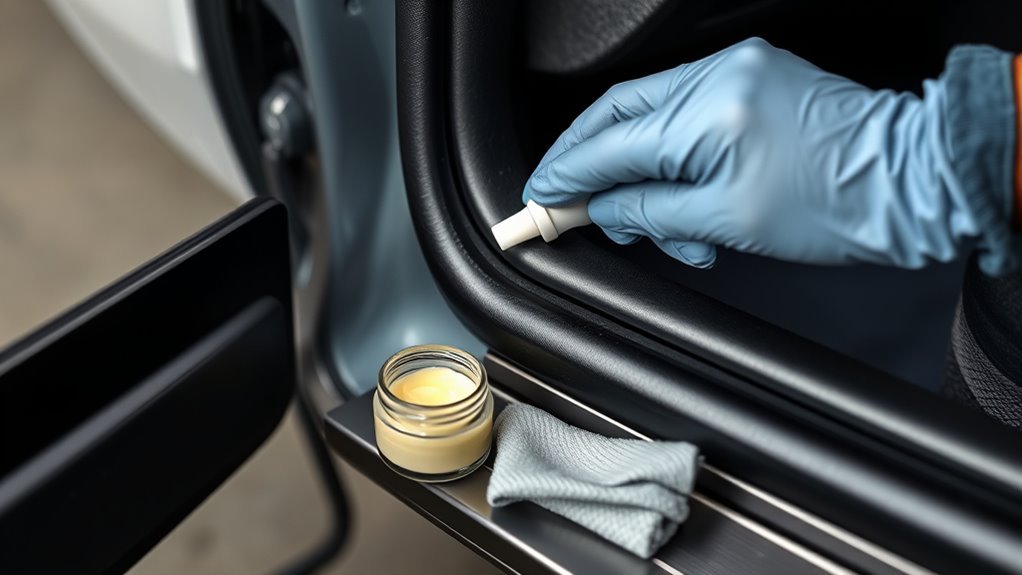
If you want longer-lasting protection than liquid silicone provides, apply paste silicone liberally to the Camry’s rubber door seals to form a thicker barrier against moisture and cold. Start by cleaning the seals thoroughly — remove dirt and old residue so the paste bonds correctly. Put on rubber gloves, scoop a bead of paste, and work it into the profile with a gloved finger or soft applicator, focusing on corners and compression zones.
Use controlled silicone application techniques: apply even pressure, spread to a uniform thickness, and avoid overbuilding that traps debris. The paste creates moisture barrier benefits by sealing micro-gaps and preserving flexibility, so seals stay soft and resist freezing to metal. You’ll extend gasket life and reduce sticking without frequent intervention. Let the paste set per manufacturer instructions before closing doors. This method empowers you to take maintenance into your own hands, delivering durable protection and control over seal performance.
When to Reapply Silicone: Schedule and Signs
When you want reliable seal performance, plan to reapply silicone every 3–6 months and anytime you spot cracking, hardening, or doors sticking in cold weather. You’ll set a silicone application frequency based on climate and use: colder, wetter regions push you toward every 3 months; temperate areas can stretch to 6 months. Perform a door seal inspection after washes, seasonal changes, or any time you notice increased resistance when opening doors.
Check seals visually and by touch for brittleness, surface cracks, flattened sections, or adhesive loss. If seals look glazed or feel rigid, clean with mild soap, dry, and apply paste silicone to restore flexibility. Reapplication is preventive and liberating: it keeps you mobile, avoids frozen-in doors, and delays expensive gasket replacement. Track dates in a maintenance log or calendar reminder so silicone application frequency becomes routine—efficient, technical upkeep that protects your Camry and preserves your freedom to move without being held hostage by frozen seals.
Troubleshooting Camry Door Seals: Frozen, Torn, Hardened
Although cold and moisture often bond rubber to metal, you can diagnose frozen, torn, or hardened Camry door seals quickly by inspecting and testing them — feel along the full gasket for stiff spots, pull gently to see if the rubber separates cleanly, and look for surface cracks, missing sections, or areas glued to the door jamb. Use simple tests: tug, compress, and run your finger for residue. Clean dirt with detail spray and a microfiber to improve silicone adhesion.
| Symptom | Action |
|---|---|
| Frozen | Thaw with warm air, then apply silicone lubricant |
| Torn | Trim loose bits, plan replacement for sealing integrity |
| Hardened | Apply silicone paste; monitor for rubber deterioration |
You’ll keep doors operating freely by practicing targeted seal maintenance. Lubricate regularly, watch for aging rubber, and act quickly. This gives you control and prevents gradual failure without waiting for total breakdown.
When to Repair or Replace Weatherstripping and Extra Longevity Tips

Because door seals take ongoing abuse from weather and use, you should inspect your Camry’s weatherstripping every six months and act quickly on signs of cracking, brittleness, excessive wind noise, or leaks. Perform a focused weatherstripping assessment: run fingers along gaskets, flex sections to reveal hidden cracks, and close doors while listening for air intrusion. Replacement indicators include hardened rubber, visible tears, persistent water ingress, or sustained wind noise after cleaning and lube.
If damage is localized, repair with adhesive-backed EPDM patches or replace the affected strip; full replacement beats repeated patching for compromised runs. Clean gaskets with mild soap and dry thoroughly before any treatment. Apply a silicone rubber protectant annually to restore pliability, repel moisture, and reduce sticking in cold months. Maintain freedom from routine failure by combining semiannual inspections, prompt repairs based on replacement indicators, and yearly silicone applications—this prolongs service life and keeps seals performing without binding.
Frequently Asked Questions
How to Stop Rubber Door Seals From Sticking?
Clean seals regularly, apply silicone lubricant, and schedule preventive maintenance; you’ll perform seal care every few months, using liquid or paste silicone for thorough coverage so rubber stays flexible, resists freezing, and won’t stick.
How to Lubricate Car Door Rubber Seals?
Clean gaskets, then apply silicone paste or liquid using gloves and a cloth; you’ll guarantee even coverage and flexibility. For door seal maintenance, choose proper lubricating products, reapply periodically, and free yourself from frozen, stuck seals.
Conclusion
Think of your Camry’s door seals like a ship’s hull—keep them slick and they’ll glide through winter. Clean the gaskets, apply liquid silicone for smooth operation, and use paste silicone where you need thicker protection. Reapply seasonally or when compression fades. If seals are torn, hardened, or won’t seat, replace them. A little routine care prevents stuck doors and costly repairs, keeping your car’s climate and integrity watertight.