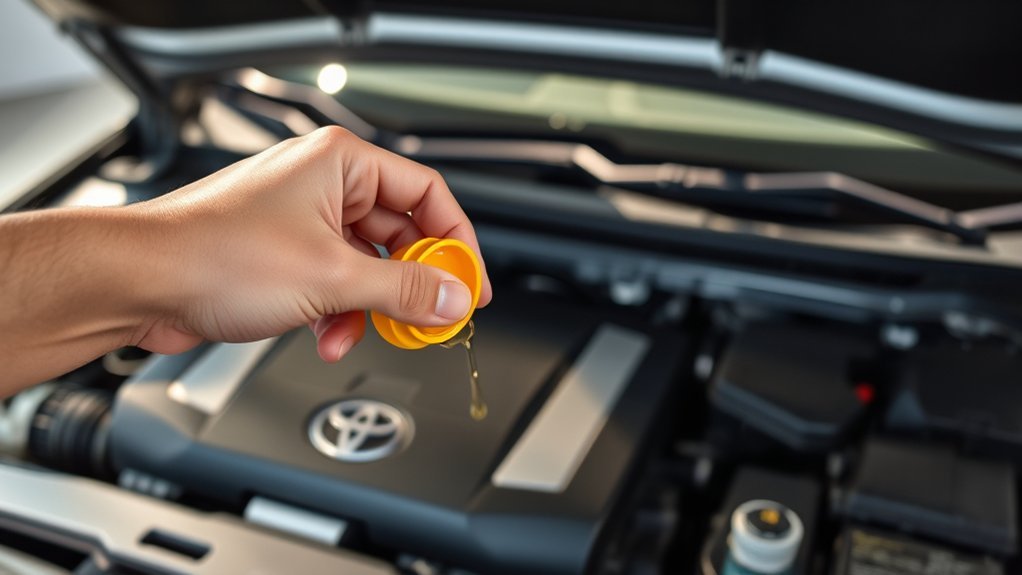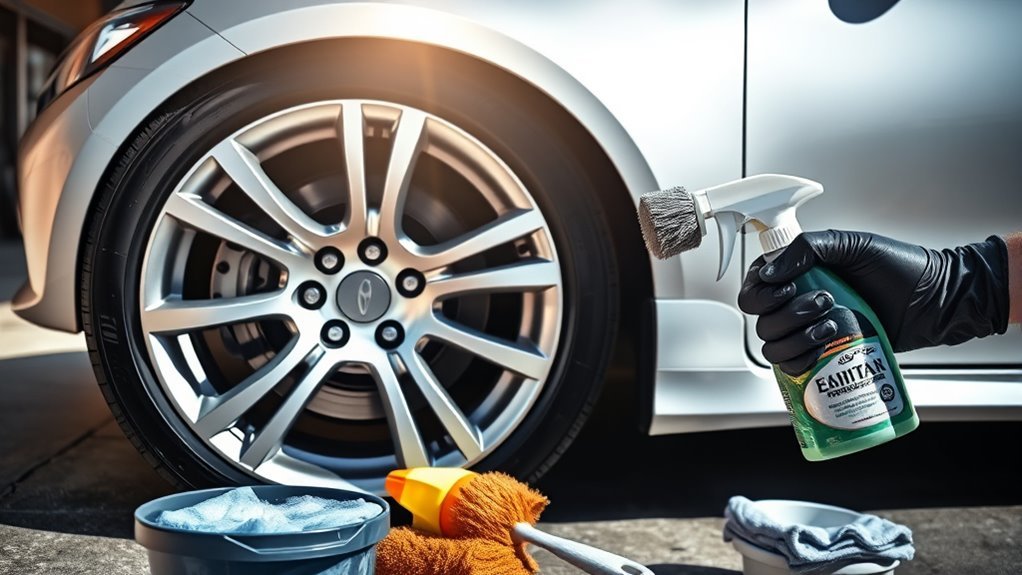
You’ll start by rinsing each wheel with a high-pressure hose to blast loose dirt and dust, then apply a pH-balanced wheel cleaner (test an inconspicuous spot first) and let it dwell. Agitate spokes and barrels with soft-bristled brushes, use an iron fallout remover for stubborn brake dust, clay-bar any embedded particles, then rinse and dry with microfiber towels. Finish with wheel sealant and tire gel for protection, and follow a monthly maintenance schedule to keep them pristine—more tips follow.
Quick Steps to Clean Toyota Camry Wheels and Remove Brake Dust
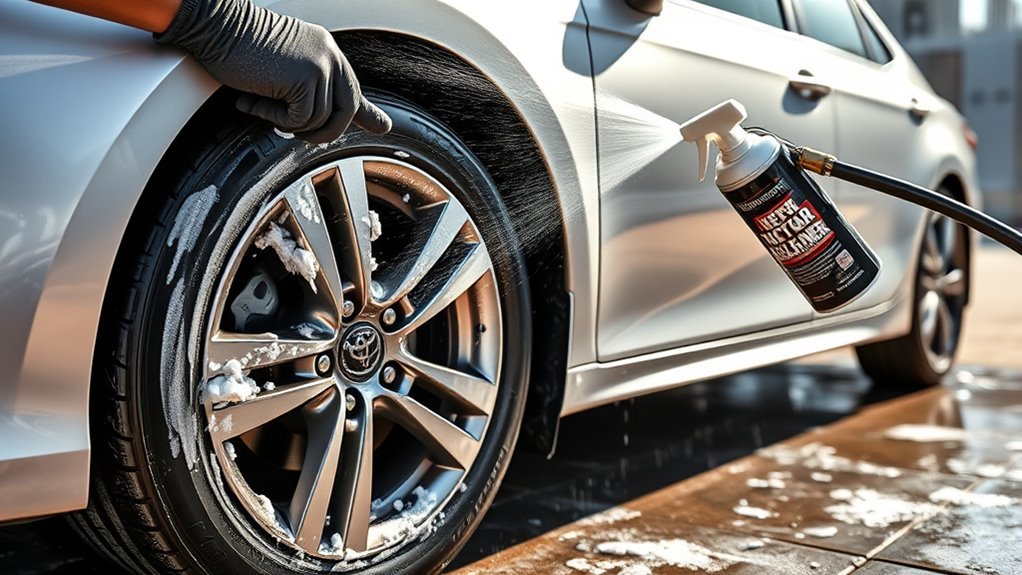
Start by rinsing each wheel with a high-pressure hose to blast away loose dirt and brake dust, then spray a wheel cleaner made for alloy wheels and let it dwell so it can break down grime. You’ll apply cleaner generously, ensuring it penetrates between spokes and along the barrel where brake dust nests. Use a soft-bristled wheel brush to scrub methodically, working outward from the hub to the rim to avoid spreading grime. Rinse thoroughly after scrubbing so no residue remains to attract more dirt. Inspect for stubborn deposits and repeat spot-cleaning as needed. Finish by considering a ceramic wheel coating to repel future brake dust and simplify ongoing care. Make wheel maintenance part of your routine: set a cleaning frequency based on driving conditions—every one to four weeks keeps buildup minimal and preserves finish. These steps free you from constant scrubbing while protecting your Camry’s wheels and maintaining a cleaner, more liberated ride.
Cleaners & Tools for Camry Alloy vs. Chrome Wheels (Test on Finish First)
Start by rinsing wheels to remove loose grit, then test any cleaner on an inconspicuous spot to confirm compatibility with your finish. Use a pH-balanced wheel cleaner and a soft-bristled brush for alloy wheels, and choose a chrome-specific cleaner for chrome surfaces to avoid dulling or scratching. Finish with a thorough rinse and optional wheel sealant to protect shine and reduce brake dust buildup.
Test Cleaner On Finish
Because wheel finishes vary, always test any cleaner on a small, inconspicuous spot before treating the whole Camry wheel to confirm compatibility and avoid damage. You’ll verify wheel compatibility and judge cleaner application behavior—bubbling, color change, or dulling—before committing. For alloy wheels choose a pH-balanced formula and for chrome check labels for stronger-product warnings. Apply a small amount with a soft-bristled brush, agitate gently, then rinse thoroughly and inspect the test area for etching, haze, or residue. If the finish looks unchanged, proceed to the rest of the wheel using the same gentle technique. If you see damage, stop and select a different product. This simple test protects your wheels, preserves finish integrity, and lets you clean without compromising control.
Alloy-Safe Product Choices
When choosing products for your Camry’s wheels, pick a pH-balanced cleaner made for alloy rims and a non‑abrasive formula for chrome, and always test a small hidden area first. You’ll protect finishes and keep labor minimal by using products labeled for alloy wheel maintenance and avoiding acidic or caustic formulas. Use soft‑bristled brushes to reach crevices without scratching; microfiber towels finish drying and remove residue. Rinse thoroughly after cleaning so no chemical traces cause corrosion or stains. Prefer eco friendly cleaners when possible — they reduce environmental harm and won’t sacrifice performance. Regular, deliberate cleaning preserves shine, resale value, and your freedom from costly repairs. Choose tools and cleaners that respect the wheel’s finish and your values.
Chrome Care And Protection
Chrome care begins with a simple rule: always test cleaners on a hidden spot before you apply them broadly. You’ll choose a pH-balanced wheel cleaner formulated for chrome to lift brake dust without causing corrosion or dulling. For alloy wheels, pick a non-acidic cleaner that penetrates grime while preserving the finish. Use soft-bristled brushes to reach tight spots without scratching. After rinsing and drying, apply chrome polishing products to restore shine, then lay down protective coatings or a dedicated chrome sealant to repel future grime. For alloys, use a wheel sealant that resists brake dust. Test first, work methodically, and maintain regularly—this frees you from constant scrubbing and keeps your Camry’s wheels resilient and radiant.
Step-by-Step: Rinse, Apply Cleaner, Scrub Inside Barrel, and Rinse Again
Begin by blasting each wheel with a hose or pressure washer on high to knock loose dirt and brake dust away before you touch anything. Rinse thoroughly to prevent airborne grit and to make subsequent cleaning easier. Spray a wheel cleaner formulated for your Camry’s wheel material, covering faces, lug areas, and the inner barrel; this is essential wheel maintenance, and you’ll want to stick to a cleaning frequency that suits your driving conditions. Let the product dwell per instructions, then attack the inner barrel with a soft-bristled wheel brush—this area traps most brake dust and quickly undoes a clean finish if ignored. Scrub methodically, turning the wheel if needed to reach all hollows. Rinse again with strong water flow to remove cleaner and loosened grime completely. Finish by drying with a microfiber towel to avoid water spots and preserve the fresh look. You’ll leave the wheels liberated from contaminants and ready for protection or inspection.
Stubborn Brake Dust? Remove Stains, Iron Fallout, and Baked-On Grime
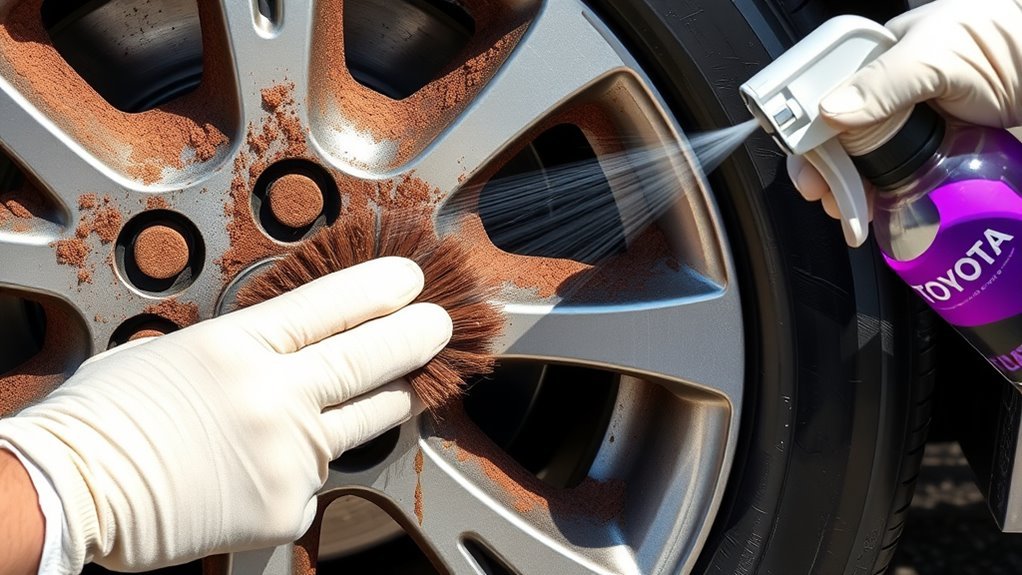
If stubborn brake dust and baked-on grime haven’t come off with your regular wash, you’ll need targeted products and a bit more elbow grease to prevent corrosion and permanent staining. Start with a pH-balanced wheel cleaner formulated to dissolve iron fallout and brake dust; let it dwell per label instructions, then agitate stubborn areas with a detailing brush. Use a compound on the brush for baked-on stains in lug wells and crevices, working patiently until contaminants lift.
After cleaning, run a clay bar across the cool, dry wheel to remove embedded particles and restore a smooth surface—this frees you from recurring buildup and preserves finish integrity. Rinse thoroughly and inspect for lingering iron spots; repeat treatment locally if needed. Finish by applying a light ceramic detailing spray to reinforce wheel protection and repel future brake dust, making maintenance quicker and protecting against corrosion. This sequence liberates your wheels from damage and keeps them easier to maintain.
Drying, Wheel Sealant, and Tire Gel: Protect Camry Wheels Long-Term
Once the wheels are completely clean and cool, dry each one thoroughly with a clean microfiber towel to prevent water spots and streaks. Use deliberate drying techniques: blot stubborn beads, then wipe in overlapping strokes until the surface is matte and streak-free. Dry lug nut wells and inner barrels with smaller towels or a blower to remove trapped moisture.
After drying, apply a wheel sealant to one wheel at a time, following product instructions. You’ll feel sealant benefits immediately: a slick surface that repels brake dust and slows grime buildup, so future washes free you faster. Work sealant into crevices and let it cure fully before driving.
Finish by applying tire gel to sidewalls for a UV-protective, glossy look that resists cracking and fading. Reapply sealant and gel every few months or after heavy cleaning to maintain protection and extend the life and appearance of your Camry’s wheels and tires.
Maintenance Schedule and Simple Tips to Keep Camry Wheels Looking New
A simple monthly routine will keep your Camry’s wheels looking new and prevent brake dust from etching the finish. Clean them at least once a month; more often if you drive in salty or dusty conditions. Always rinse wheels after driving to wash off road grime and loose brake dust before it bonds to the finish.
Use a dedicated wheel cleaner matched to your wheel type to break down stubborn deposits without harming coatings. Agitate with a soft brush, rinse thoroughly, and dry to avoid water spots. After cleaning, apply a wheel sealant or wax to form a protective barrier that aids appearance maintenance and boosts wheel longevity.
Inspect wheels regularly for cracks, corrosion, or hidden damage—dirt can mask defects that compromise safety. Keep a small kit in your trunk: cleaner, brush, microfiber towels, and sealant. These simple, disciplined steps free you from constant worry and keep your Camry’s wheels confident and clean.
Frequently Asked Questions
How to Clean Toyota Camry Rims?
Rinse, apply wheel cleaning solution, scrub rims with a soft brush, rinse thoroughly, dry, then seal for protection. You’ll maintain rim care, repel brake dust, and keep your Camry looking sharp while reclaiming your time and freedom.
Will WD-40 Remove Brake Dust From Rims?
No — WD-40 effectiveness for rim cleaning’s overstated; it might loosen some brake dust but leaves greasy residue, attracts grime, and won’t protect finishes. You’ll want pH-balanced wheel cleaner for lasting, liberated results.
How Do You Clean Brake Dust off a Car?
Rinse wheels, apply a pH‑safe wheel cleaner, agitate with a soft brush, rinse thoroughly, and dry; you’ll remove brake dust. Cleaning tips: work regularly, avoid harsh chemicals, and seal wheels to repel future buildup and reclaim control.
Conclusion
Think of your Camry’s wheels as the shoes that finish the outfit—treat them well and they’ll keep your ride looking sharp. Rinse, clean, scrub, and protect with sealant, tackling stubborn brake dust and iron fallout as needed. Dry thoroughly and apply tire gel for a polished look. Stick to a regular maintenance schedule, spot-clean between washes, and you’ll preserve finish and performance with minimal fuss—simple, effective care that pays back every mile.