What’s in This Article
- Why the Toyota RAV4 Break-In Period Matters
- Before You Begin: Your RAV4 Break-In Checklist
- Step-by-Step Toyota RAV4 Break-In Plan
- Driving Techniques to Enhance the Break-In
- Long Trips: Guidelines for Your RAV4 Break-In
- Top Mistakes to Avoid During Your RAV4 Break-In
- Benefits of Properly Breaking In Your RAV4
- What to Expect After the Break-In Period?
- Frequently Asked Questions
- Conclusion
Your new Toyota RAV4 may feel ready for hard use right away, but the first few hundred miles still matter. Toyota recommends a short break-in period so your engine, brakes, transmission, and related parts can settle under normal driving. This guide explains what to avoid, how to drive, and when you can start using towing and cruise control with more confidence.
Quick Answer
The Toyota RAV4 break-in period covers the first 600 miles. Avoid sudden stops for the first 200 miles, do not tow for the first 500 miles, and avoid extreme speed, sudden acceleration, low-gear driving, and constant speed for the first 600 miles. You can take long trips, but vary your speed and keep the load light.
Key Takeaways
- Avoid sudden stops during the first 200 miles unless safety requires hard braking.
- Do not tow a trailer during the first 500 miles.
- Vary your speed during the first 600 miles instead of using cruise control for long stretches.
- Use gentle acceleration and smooth braking to reduce stress on new parts.
- Check your owner’s manual because trim, market, and model-year details can vary.
Why the Toyota RAV4 Break-In Period Matters

When you bring home a new Toyota RAV4, the break-in period helps key parts settle under normal use. Toyota manual guidance recommends specific driving limits during the first 200, 500, and 600 miles.
This period does not require special tools or complex work. You only need smooth inputs, light loads, varied speeds, and a little patience.
Breaking in your RAV4 the right way can help reduce early stress on the engine, brakes, transmission, and towing parts. It also helps you build good driving habits before you place heavier demands on the vehicle.
Before You Begin: Your RAV4 Break-In Checklist
Estimated total time: Follow these habits for the first 600 miles of driving.
Use the first 600 miles as a gentle driving period. You do not need to avoid the highway, but you should avoid long stretches at one fixed speed.
Warning: Never avoid hard braking if you need to stop quickly for safety.
| Guideline | Details |
|---|---|
| First 200 Miles | Avoid sudden stops when normal traffic allows. |
| First 500 Miles | Do not tow a trailer or heavy load. |
| First 600 Miles | Avoid extreme speed, sudden acceleration, low gears, and constant speed. |
| Long Trips | Drive at varied speeds and avoid heavy loads. |
[Products Worth Considering]

Protect your Toyota RAV4 interior with this custom‑fit windshield sun shade that blocks 99% of harmful UV rays and reduces cabin heat. The mirror cut‑out ensures a seamless fit without gaps, while durable 240T polyester and bendable wire keep it sturdy through repeated use. Foldable and stored in a convenient pouch, it offers easy installation and removal for everyday comfort.

The Autovir windscreen shade offers full windshield coverage for Toyota RAV4 models from 2019 to 2026, blocking up to 99.95% of UV rays and reducing interior heat. Its multi‑layer reflective material provides SPF 100 and UPF 80+ protection while keeping the dashboard, seats, and steering wheel cooler. The foldable design installs quickly and stores conveniently in the glove box, and reinforced stitching ensures long‑lasting durability for daily use.

The Autorder windshield sun shade umbrella provides full coverage for Toyota RAV4 models from 2019 to 2026, blocking heat and UV rays with its advanced ice crystal material. Its ten reinforced skeletons and anti‑puncture edges ensure durability and stability, while the effortless umbrella‑style deployment and compact storage bag make it convenient for everyday use. Keep your car interior cool and protected from sun damage with this easy‑setup, high‑performance sunshade.
Step-by-Step Toyota RAV4 Break-In Plan
- Start with gentle daily driving. Use normal city and highway roads, but keep your throttle inputs smooth.
- Vary your speed often. Change your speed within safe limits so the engine does not sit at one load for too long.
- Brake smoothly. Leave more space than usual so you can slow down without sudden stops.
- Delay towing. Wait until you pass 500 miles before you tow, then keep towing speed modest during the next 500 miles.
- Review your owner’s manual. Check the manual for your exact model year, market, trim, and powertrain.
[Products Worth Considering]

The KDOWES front windshield sun shade offers a custom fit for Toyota RAV4 SUVs, featuring a double‑layer heat shield that blocks up to 99% of solar rays and reduces interior temperature by up to 40°F. Reinforced steel rings and Velcro fasteners ensure easy installation and a secure fit, while the foldable cartilage steel ring allows convenient storage. This high‑quality, reflective fabric protects upholstery, dashboard, and electronics from UV damage, keeping the cabin cool and comfortable.
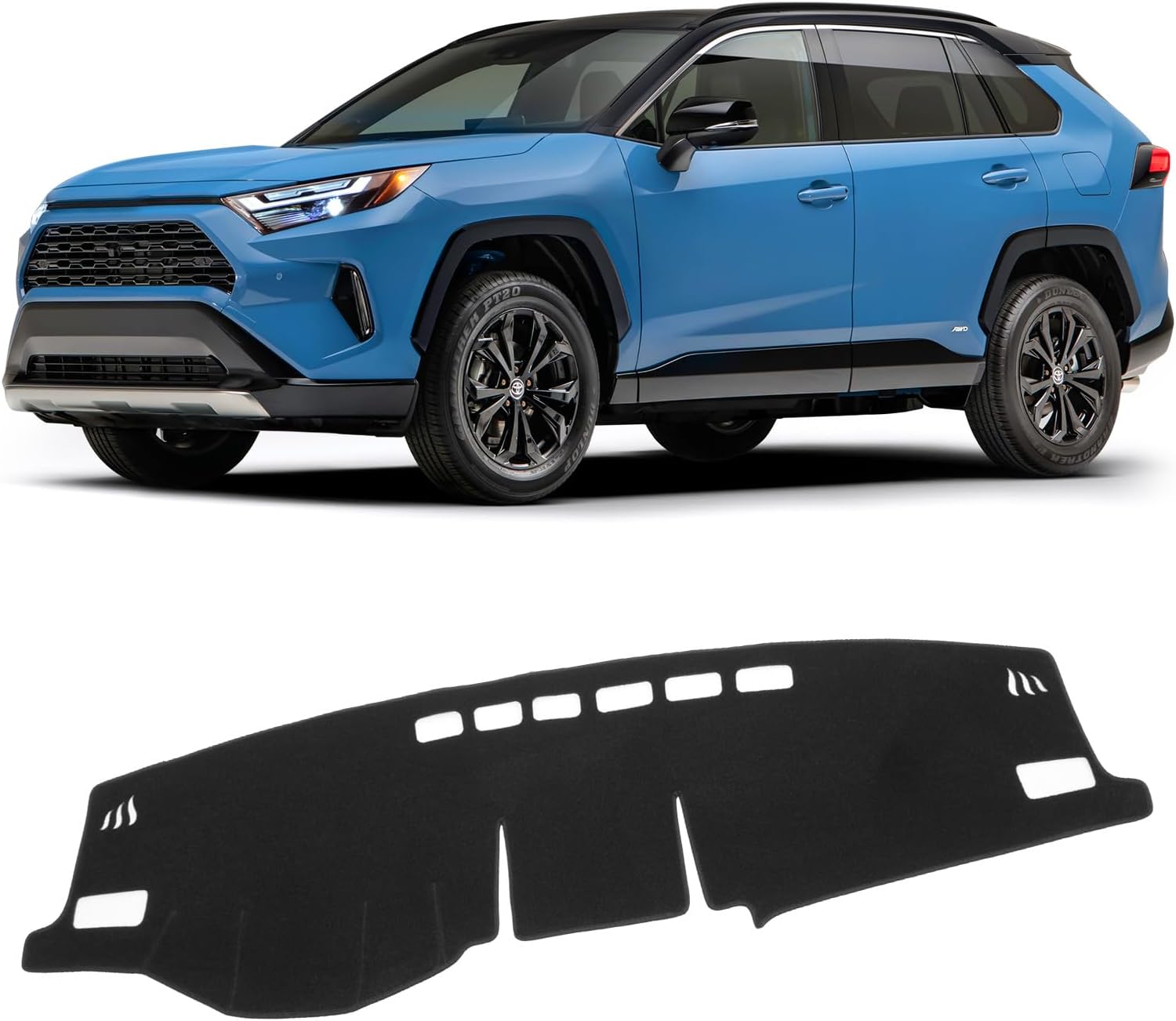
The KUST Black Dashboard Cover Mat offers a custom, eco‑friendly fit for Toyota RAV4 models from 2019 to 2025, protecting the dash from UV damage, scratches, and glare. Made from post‑consumer recycled polyester with a silicone anti‑slip underside, it stays soft, breathable, and odorless while securely adhering to the surface. Installation is quick and reversible, and the foldable design allows easy storage when not in use.
Driving Techniques to Enhance the Break-In
To support your RAV4’s break-in period, focus on varied throttle inputs during the first 600 miles. Gentle acceleration and smooth deceleration help your engine and brakes settle without extra strain. Avoid full throttle, long low-gear driving, and cruise control on long steady-speed drives.
Vary Your Throttle Inputs
Vary your throttle inputs during the break-in period to help your Toyota RAV4 adapt to different loads. Do not use full throttle during the first 600 miles because sudden acceleration can place extra stress on new parts.
Use light to moderate throttle and change speed when traffic allows. This keeps the engine from holding one steady load for too long.
Cruise control can hold one speed for long periods, so avoid relying on it during early driving. You can still drive on the highway, but adjust your speed from time to time while staying safe and legal.
Gradual Acceleration And Deceleration
Gradual acceleration and deceleration help your Toyota RAV4 settle during the break-in period. Ease into the throttle instead of pressing the pedal hard from a stop.
Plan your stops early so you can brake smoothly. Sudden stops may happen in real traffic, but you should avoid them when you have enough time and space.
Skip aggressive launches and sharp slowdowns during this phase. Smooth driving protects your comfort and helps your new RAV4 start its service life with less stress.
Long Trips: Guidelines for Your RAV4 Break-In
You can take a long trip in a new Toyota RAV4, but you should drive with care. Vary your speed, avoid heavy cargo, and do not hold one speed for hours at a time.
If your route includes mountains, slow down before long downhill grades. Avoid riding the brake pedal because long, steady braking can create extra heat.
Stop-and-go traffic can work during the break-in period if you leave space and brake smoothly. Heavy loads, towing, and hard acceleration create more stress than normal passenger driving.
Top Mistakes to Avoid During Your RAV4 Break-In

A few common habits can work against a smooth break-in period. Avoid these mistakes during your first 600 miles.
- Using Cruise Control Too Much: Avoid long constant-speed driving during the first 600 miles.
- Braking Hard Without Need: Avoid sudden stops during the first 200 miles when traffic gives you a safe choice.
- Towing Too Early: Do not tow a trailer during the first 500 miles.
- Pressing Full Throttle: Use gradual acceleration instead of flooring the pedal.
If you tow after 500 miles, keep the next 500 miles gentle. Toyota recommends lower towing speed and no full-throttle acceleration during that early towing period.
Benefits of Properly Breaking In Your RAV4
Properly breaking in your Toyota RAV4 can support smooth performance and long-term dependability. The first 600 miles give the engine, brakes, and related parts time to settle under normal use.
Gentle driving also helps you avoid early stress from sudden acceleration, towing, and hard braking. You give your RAV4 a better start when you let the vehicle ease into heavier work.
You may notice smoother response as the vehicle passes the break-in period. Your maintenance habits, tire care, driving style, and load weight will still affect fuel use and long-term wear.
What to Expect After the Break-In Period?
After the first 600 miles, you can use your RAV4 more normally. You can use cruise control with less concern about long constant-speed driving, but you should still drive safely and follow your manual.
- Smoother Acceleration: Your engine and drivetrain may feel more settled during daily driving.
- Normal Feature Use: You can use cruise control more freely after the break-in period.
- Towing Readiness: You can start towing after 500 miles, but keep early towing gentle for the next 500 miles.
- Ongoing Care: Regular maintenance still matters more than one short break-in period.
Check fluids, tires, brakes, and service reminders as your mileage increases. Your owner’s manual and maintenance schedule should guide every service decision.
Frequently Asked Questions
What Is the Break-In Period for the Toyota RAV4?
The Toyota RAV4 break-in period covers the first 600 miles. Toyota guidance also separates the first 200 miles for braking care and the first 500 miles for towing restrictions.
Does the RAV4 Hybrid Use the Same Break-In Procedure?
Yes, RAV4 Hybrid and plug-in hybrid models still use a gasoline engine and other powertrain parts that benefit from gentle early driving. Follow your exact owner’s manual because model-year and market details can vary.
Can You Drive a New RAV4 on a Long Highway Trip?
Yes, you can drive a new RAV4 on a long trip if you vary your speed and avoid heavy loads. Do not set cruise control for hours during the first 600 miles.
When Can You Tow With a New Toyota RAV4?
Toyota recommends waiting until the vehicle has more than 500 miles before towing. After that, keep early towing gentle and avoid full-throttle acceleration during the next 500 miles.
Do You Need an Early Oil Change After Break-In?
Follow the maintenance schedule in your owner’s manual unless your Toyota dealer gives you different advice for your driving conditions. Do not replace manual guidance with online advice.
Safety Disclaimer: This article is for informational purposes only and does not replace your Toyota owner’s manual, local traffic laws, or advice from a qualified Toyota technician. Always follow your manual and drive in a way that keeps you and others safe.
Conclusion
The main rule is simple: drive gently and vary your speed during the first 600 miles. Avoid sudden stops, towing too early, full-throttle starts, and long constant-speed driving.
Before you tow, take a long highway trip, or push the vehicle harder, review the break-in section in your exact RAV4 owner’s manual. A careful start gives your RAV4 a stronger base for daily driving, road trips, and future service life.
References
- Toyota 2021 RAV4 Prime Owner’s Manual — Toyota owner manual copy via Manualzz, break-in and towing sections.
- Toyota Owner’s Manual PDF — Toyota, break-in schedule reference.
- How to Properly Break in a New Vehicle — Capitol Toyota, 2022.