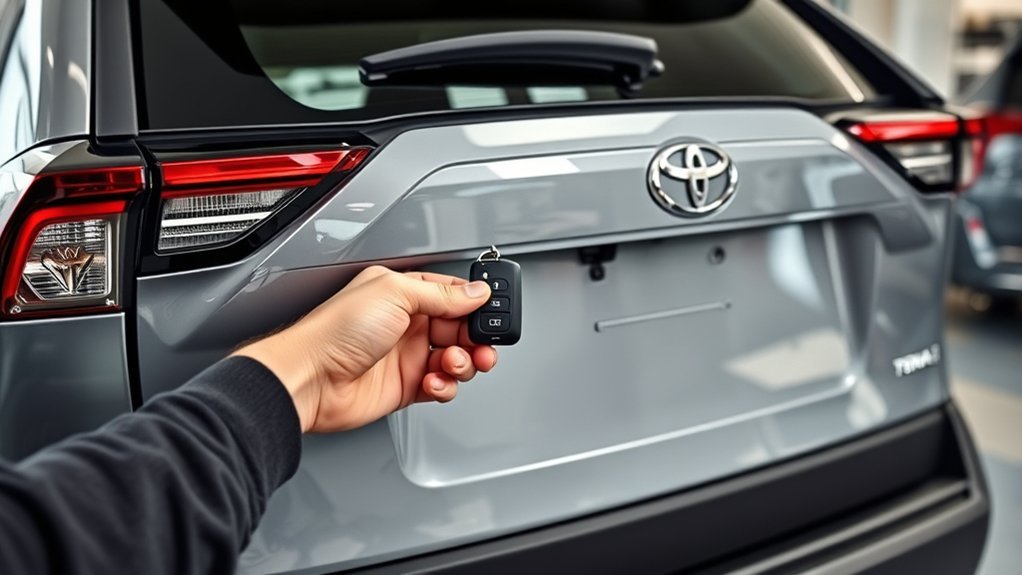
Your RAV4 liftgate beep usually means the power back door system has detected a problem, not that the liftgate has failed for good. Start with simple checks: clear the latch area, inspect the rubber seals, and look for anything that could trigger jam protection. Then try the reset steps in your owner’s manual before you replace parts or book dealer service.
Quick Answer
If your RAV4 liftgate beeps or won’t close, check for debris, folded weatherstripping, latch blockage, weak battery power, and sensor obstruction first. Toyota power back doors use jam protection, so the gate may stop or reverse when it senses resistance. If cleaning and reinitialization don’t fix it, a dealer or qualified mechanic should scan the power back door system.
Key Takeaways
- Check the latch, seals, hinges, and liftgate edge before you assume the motor failed.
- Clean the sensor and drain areas with a soft cloth, not high-pressure water.
- Reinitialize the power back door after battery issues or deep cleaning.
- Stop DIY work if the liftgate drops, binds, grinds, or shows damaged wiring.
Quick Triage: Why Your RAV4 Liftgate Beeps or Won’t Close
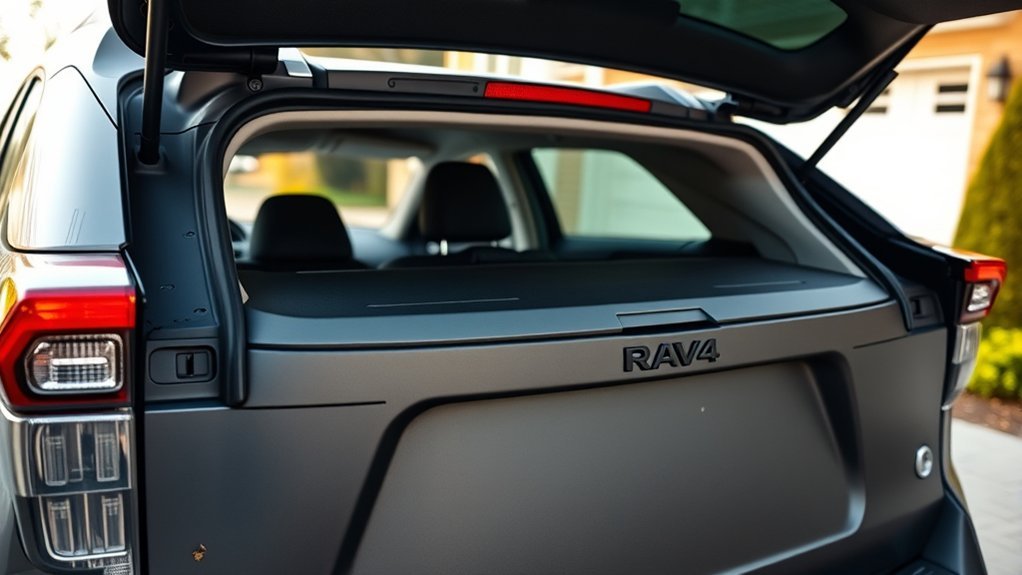
Treat the beep as a warning signal. The power back door may stop, reverse, or refuse to close when dirt, cargo, a folded seal, or a misaligned part creates resistance.
Start your liftgate troubleshooting at the outer edge of the hatch. Check the latch opening, striker area, weatherstripping, hinges, drain channels, and the sides of the liftgate where the jam protection sensors sit.
If the problem started after a wash, avoid aiming high-pressure water at the door seams. Toyota cleaning guidance also tells you to turn off the power back door before washing vehicles with that feature.
Fast 5-Minute Checks for a Liftgate That Won’t Close
Use these quick checks before you remove trim or adjust hardware. They help you find the most common causes without tools.
- Clear the latch and striker: Remove leaves, small stones, cargo straps, and dirt from the latch opening and striker plate.
- Inspect the weatherstripping: Look for folded, loose, torn, or swollen rubber seals that stop the gate from seating flat.
- Check the liftgate edges: Wipe the side sensor areas with a clean, soft cloth so grime can’t trigger a false jam signal.
- Watch the hinge movement: Open and close the gate slowly by hand and stop if you feel binding, grinding, or uneven movement.
- Confirm power back door settings: Check your vehicle menu or manual to make sure the power back door system hasn’t been turned off.
If these checks fix the issue, open and close the liftgate several times from a safe position. Keep hands, cargo, and clothing away from the latch and side edges.
Fix Seal, Sensor, and Strut Contact Issues Safely
A folded seal or dirty sensor area can make the liftgate act like something blocks the door. Open the hatch fully, then inspect both side edges, the rubber gasket, and the gas strut mounting areas.
Press loose weatherstripping back into its channel by hand. Use weatherstrip adhesive only on small loose sections, and follow the adhesive label so you don’t glue the seal in the wrong position.
Warning: Never test jam protection with your fingers, hands, head, or cargo because the system may not react in every pinch point.
Look for loose trim, bent brackets, damaged wiring, or a strut that doesn’t sit evenly on its ball mount. Do not loosen hinges, strut mounts, or latch hardware unless you know the Toyota service procedure or have a qualified mechanic do it.
After cleaning and seal repair, close the liftgate slowly and test powered closing again. If the gate still beeps, reverses, or stops, move to reinitialization and diagnostic checks.
[Products Worth Considering]

Protect your Toyota RAV4 interior with this custom‑fit windshield sun shade that blocks 99% of harmful UV rays and reduces cabin heat. The mirror cut‑out ensures a seamless fit without gaps, while durable 240T polyester and bendable wire keep it sturdy through repeated use. Foldable and stored in a convenient pouch, it offers easy installation and removal for everyday comfort.

The Autovir windscreen shade offers full windshield coverage for Toyota RAV4 models from 2019 to 2026, blocking up to 99.95% of UV rays and reducing interior heat. Its multi‑layer reflective material provides SPF 100 and UPF 80+ protection while keeping the dashboard, seats, and steering wheel cooler. The foldable design installs quickly and stores conveniently in the glove box, and reinforced stitching ensures long‑lasting durability for daily use.
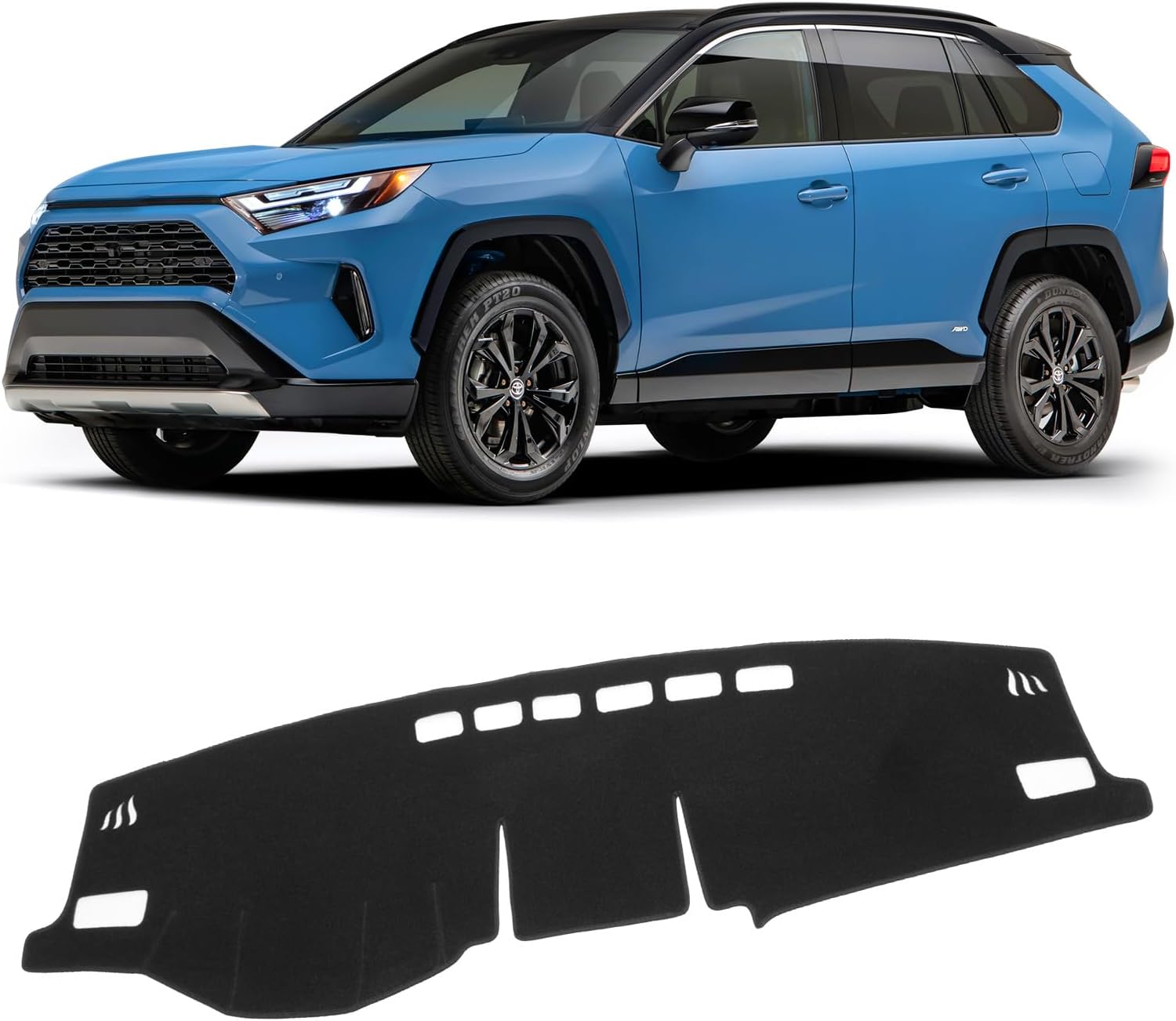
The KUST Black Dashboard Cover Mat offers a custom, eco‑friendly fit for Toyota RAV4 models from 2019 to 2025, protecting the dash from UV damage, scratches, and glare. Made from post‑consumer recycled polyester with a silicone anti‑slip underside, it stays soft, breathable, and odorless while securely adhering to the surface. Installation is quick and reversible, and the foldable design allows easy storage when not in use.
When to Reinitialize, Call a Dealer, or Ask About Manual Operation
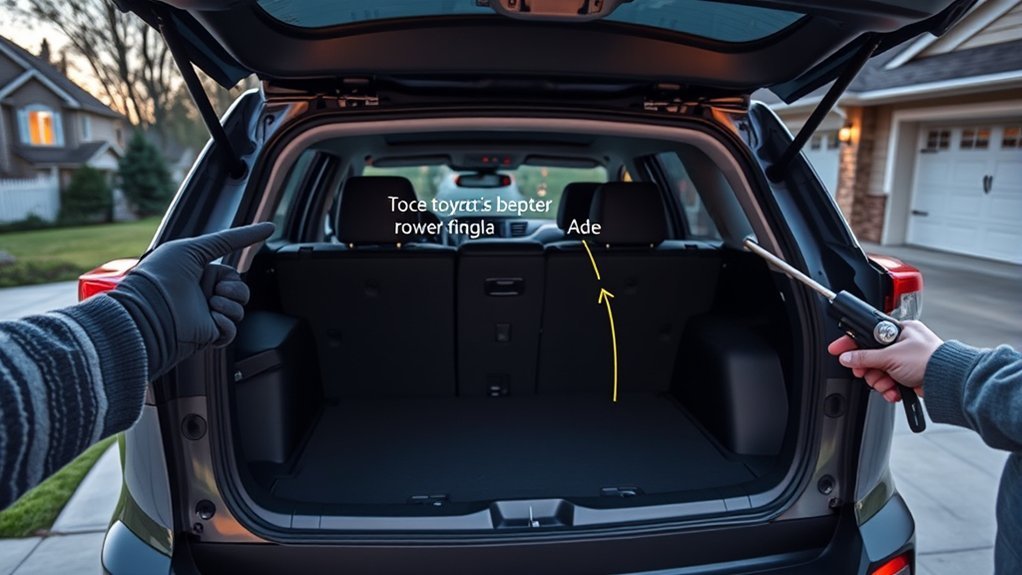
Reinitialize the power back door when the battery died, the battery was disconnected, or the liftgate lost its open-position setting. Use your owner’s manual because steps can change by model year and trim.
- Reinitialize first: Follow the owner’s manual reset or opening-height reset steps, then test the liftgate from a safe distance.
- Call a dealer or mechanic: Book diagnostics if the liftgate still beeps, reverses, drops, binds, or shows uneven movement.
- Check recalls by VIN: Use Toyota or NHTSA recall lookup tools before you pay for a repair, since coverage can depend on your exact vehicle.
- Ask before manual conversion: Only consider manual operation changes after a qualified shop confirms the change won’t affect safety features or warning systems.
Diagnostic fees vary by dealer, market, and model year. Ask for the scan results, fault codes, and repair estimate before you approve parts replacement.
[Products Worth Considering]

The TPXSIUE passenger storage organizer mat provides a custom‑fit, non‑slip silicone tray that keeps items secure and the console tidy. It slides into the grab‑handle slot without tools, protecting the interior from scratches and rattles while offering easy access to pens, gum, and other essentials. Designed for RAV4 models from 2019 to 2024, it delivers a perfect OEM‑like fit and enhances vehicle organization.

Upgrade your RAV4 interior with a sleek, retractable 4‑port USB hub that adds vibrant RGB lighting and fast charging for phones, tablets, and accessories. The intelligent retractable cables keep the console tidy while the snap‑in design ensures easy installation. Compatible with 2020‑2025 RAV4 models, it blends modern tech with a clean aesthetic.
Prevent Repeat Failures: Cleaning, Car-Wash Tips, and Maintenance
Keep the liftgate edges, latch area, and drainage paths clean. Mud, salt, sand, and leaves can build up around seals and make the power back door sense extra resistance.
Before washing, turn off the power back door if your manual tells you to do so. Don’t hold a pressure washer close to the hatch seams, latch, sensors, or wiring areas.
Check the rubber seals each month for tears, gaps, or hard spots. Replace damaged seals before water reaches connectors or the latch area.
After deep cleaning, battery work, or liftgate repair, reinitialize the rear hatch through the correct owner’s manual steps. That helps the system relearn its limits and open height.
When to Stop DIY Checks and Get Professional Help
Stop DIY checks if the liftgate drops suddenly, won’t stay open, closes with a hard slam, or makes grinding noises. Weak struts and damaged actuators can create injury risks.
You should also stop if you see broken wiring, a bent hinge, damaged latch hardware, or body gaps around the hatch. A Toyota service bulletin for some RAV4 models links power back door issues to actuator mount, wiring, alignment, and initialization checks.
A dealer or qualified mechanic can scan diagnostic trouble codes and test jam protection after repair. That step matters because the liftgate must protect people and cargo during normal use.
Frequently Asked Questions
Can a Dead Car Battery Cause the Liftgate to Beep or Not Close?
Yes, low or disconnected battery power can affect power back door operation. After you restore battery power, check your owner’s manual for the correct reinitialization steps.
Does Toyota Warranty or a Recall Cover This Liftgate Issue?
Coverage depends on your model year, mileage, in-service date, and VIN. Check Toyota’s recall page or NHTSA’s recall lookup, then ask your dealer to confirm warranty or service campaign coverage.
Can Cold Weather Make a RAV4 Liftgate Stop Closing?
Cold weather can stiffen seals, thicken grease, and reduce gas strut strength. If the problem goes away when temperatures rise, inspect seals and struts before you replace electronics.
Will Aftermarket Liftgate Accessories Affect Sensor Function?
Yes, heavy or poorly fitted accessories can affect power back door operation. Remove bike racks, spoilers, dampers, or trim pieces that add weight or change hatch alignment, then test the liftgate again.
Can You Temporarily Disable the Obstruction Sensor for Loading Large Items?
You should not bypass obstruction protection. If your RAV4 allows manual liftgate use when the power back door system is off, use that owner’s manual method and keep people clear of the hatch.
Safety Disclaimer: This article gives general information only. It does not replace professional diagnosis from a qualified mechanic or Toyota technician. If the liftgate drops, binds, or fails to protect against obstruction, stop using powered operation until a professional checks it.
Conclusion
A beeping RAV4 liftgate usually points to resistance, misalignment, dirty sensor areas, low power, or a system setting issue. Start with the safe checks you can see and clean, then reinitialize the power back door through your owner’s manual.
If the liftgate still won’t close, don’t force it or bypass safety protection. Get a diagnostic scan and fix the root cause so your hatch closes safely every time.
References
- 2023 RAV4 Owner’s Manual – Toyota, 2023
- Toyota 2021 RAV4 Prime Owner’s Manual – Toyota manual mirror, 2021
- RAV4 Power Back Door Actuator Mount Separation, T-SB-0275-17 – Toyota Motor Sales, USA, 2017
- Check for Recalls – National Highway Traffic Safety Administration, 2026