Toyota Supra B58 reliability is generally strong for a modern turbocharged performance engine, but the B58 is not maintenance-free. The recurring concerns are more often coolant-system leaks, oil-sealing leaks, and peripheral components than widespread failures of the engine block, crankshaft, or cylinder head. A head-gasket failure can occur after severe overheating, but available evidence does not support treating it as a routine B58 problem. For the 2026 U.S. GR Supra 3.0, Toyota rates the turbocharged inline-six at 382 horsepower and 368 lb-ft of torque.
Reviewed and updated: August 8, 2026. This reliability assessment uses Toyota and BMW documentation, published long-term testing, and recurring B58-platform service and owner reports. It does not claim an in-house engine teardown or long-term test. [VERIFY: add the real author/byline and relevant credentials in the CMS template.]
How Reliable Is the Toyota Supra B58 Engine?
The B58-powered GR Supra 3.0 has developed a strong reliability record, especially when it remains close to stock and receives consistent maintenance. The available evidence points more strongly toward aging cooling-system components, oil leaks, and peripheral hardware as ownership concerns than toward routine catastrophic internal-engine failure.
| Reliability Area | What Owners Should Know |
|---|---|
| Overall B58 durability | Generally strong for a modern turbocharged six-cylinder engine, although maintenance history and modifications matter. |
| 2020 Supra 3.0 output | 335 hp and 365 lb-ft of torque. |
| 2021–2026 U.S. Supra 3.0 output | 382 hp and 368 lb-ft of torque. |
| Most important inspection areas | Coolant loss, oil seepage, valve-cover/PCV condition, B58-platform oil-filter-housing/module leaks, service history, fault codes, and recall status. |
| Head-gasket concern | Possible after serious overheating, but it should not be presented as a routine B58 failure without diagnostic evidence. |
| Expected lifespan | No manufacturer-published mileage lifespan exists. High-mileage examples show the engine can exceed 150,000 miles, but no mileage is guaranteed. |
Identifying Common Reliability Issues With the B58 Engine
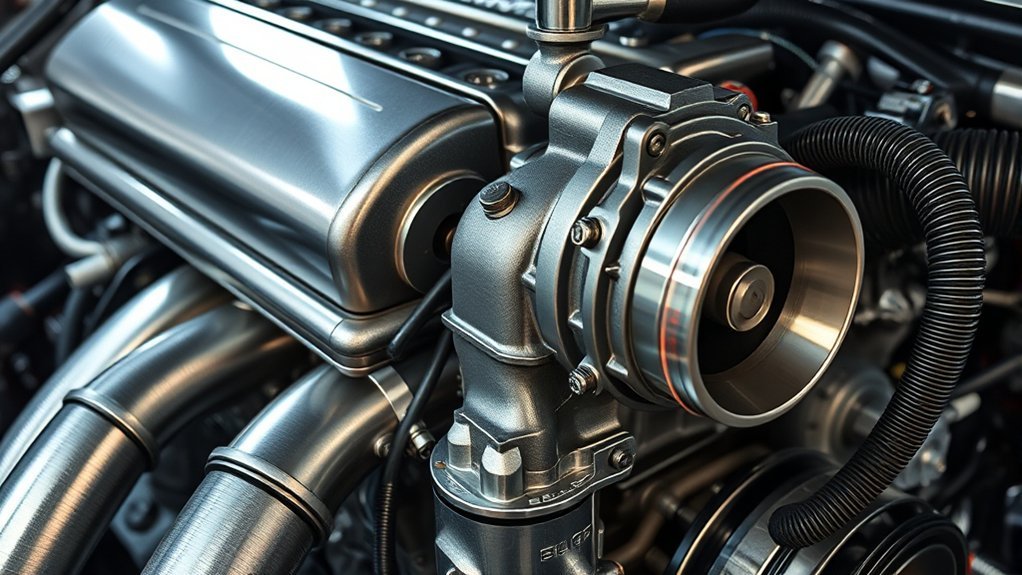
The best way to understand B58 reliability is to separate internal engine durability from the hoses, seals, housings, pumps, and other components surrounding the engine. Most of the commonly discussed ownership concerns fall into the second category.
1. Coolant Loss and Cooling-System Leaks
Do not ignore a low-coolant warning on a B58. Coolant loss can come from external components such as hoses, connections, the expansion tank or cap, and other cooling-system components. Oil-filter-housing/module leaks are also a recurring inspection point across B58 applications.
If the coolant level repeatedly drops, inspect the system or have it pressure-tested rather than continuing to top it off. Severe overheating can eventually damage the cylinder head or head gasket, but a head-gasket failure should not be assumed merely because coolant is disappearing.
2. Valve-Cover, PCV, and Oil-Leak Concerns
Oil seepage around the valve-cover area becomes more important as mileage and heat cycles accumulate. A failing gasket or crankcase-ventilation component can produce an oil smell, visible seepage, abnormal crankcase pressure, or increased oil consumption depending on the fault.
Check the top and sides of the engine for fresh oil before buying a used Supra and investigate any burning-oil smell rather than assuming it is normal for a turbocharged engine.
3. Oil-Filter-Housing and Module Leaks
The oil-filter housing/module is another B58-platform inspection point because the assembly interfaces with both the lubrication and cooling systems. A leak in this area can therefore appear as oil loss, coolant loss, or residue around the housing.
The exact failure rate for the GR Supra fleet is not established, so this should be treated as a component worth inspecting rather than an inevitable failure.
4. Oil and Filter Quality
Use oil and a filter that meet the specifications for your exact Supra model year. The original claim that inexpensive filters routinely disintegrate was too broad to present as a common B58 failure. The more defensible advice is simple: use the correct specification, install the filter correctly, and follow the applicable service schedule.
5. Check Model-Specific Recalls Separately
Not every Supra reliability issue is an internal B58 problem. In January 2026, Toyota announced a safety recall involving certain 2021–2023 Supra vehicles because wear inside the engine starter could prevent starting and, in an extreme case, contribute to a thermal event or fire. Owners and used-car buyers should check the VIN for open recalls.
How to Maintain Your B58 Engine for Longevity
Maintenance history is one of the most important predictors of how a used B58 will behave. Toyota’s published Supra maintenance guidance has specified replacing the engine oil and filter every 12 months or 10,000 miles, or when the oil-maintenance reminder appears, whichever comes first. Always confirm the requirement in the maintenance guide for your exact model year and operating conditions.
- Watch the coolant level: Repeated coolant loss deserves diagnosis, even when no puddle is visible.
- Inspect for oil seepage: Pay attention to the valve-cover area and other common B58 leak points.
- Use the correct oil and filter: Match the specification in the owner’s documentation rather than choosing solely by price.
- Respond to warning messages quickly: Overheating, low oil pressure, low coolant, misfires, or drivetrain warnings should not be driven through without diagnosis.
- Keep service records: A documented maintenance history is especially valuable when buying or selling a used performance car.
- Be more conservative with modified cars: Additional boost and power increase cylinder pressure, fuel demand, and heat load. A tuned B58 should not automatically be expected to have the same maintenance requirements or long-term risk as a stock engine.
A universal 50,000-mile or five-year automatic-transmission fluid interval should not be presented as a Toyota factory requirement without model-specific documentation. Use the maintenance information for your exact Supra and take track use, modifications, temperature exposure, and service history into account.
[Products Worth Considering]

This replacement gas cap is designed for a wide range of Toyota and Lexus models, offering a direct-fit solution for restoring a proper seal at the fuel tank. It helps address check engine light issues related to the fuel cap while providing easy installation and dependable performance. Built from durable materials and rigorously tested before shipping, it is a practical replacement for worn or damaged fuel caps.

This precision straight edge is designed for accurate engine block and cylinder head inspections, helping machinists and mechanics check flatness with confidence. Made from thick cold rolled steel and finished with a protective powder coat, it offers durability, rigidity, and long-term reliability in demanding shop environments. A reusable edge cover and hang hole add convenience for storage and care.
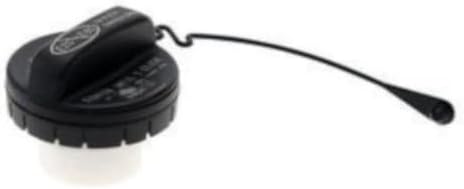
This genuine Toyota fuel tank cap assembly is designed for vehicle-specific fitment and reliable performance. As an OEM part, it delivers Toyota quality assurance and backed manufacturer warranty support, making it a dependable replacement choice for maintaining proper fuel system sealing and function.
Owner Experiences With the Supra’s B58 Engine
Published long-term testing provides more useful evidence than anonymous claims about the B58. Car and Driver’s long-term 2020 GR Supra 3.0 finished its test at 40,332 miles. Its recorded scheduled-service total was $1,046, and its final average fuel economy was 26 mpg. The test did not report an internal B58 engine failure.
That 40,000-mile test is evidence that one heavily used early MkV Supra remained mechanically dependable; it should not be interpreted as a guaranteed repair-cost average for every Supra owner.
That distinction matters. Labor rates, location, model year, how the car is driven, previous maintenance, tires, brakes, accidental damage, and modifications can make one owner’s costs very different from another’s.
Owner communities also contain examples of B58-powered cars reaching high mileage, including some exceeding 200,000 miles. Those examples are encouraging, but they do not establish a manufacturer-rated lifespan or prove that every B58 will reach the same mileage.
What Should You Check Before Buying a Used B58 Supra?
A used Supra’s history can matter more than the odometer alone. Before buying a 3.0-liter MkV, focus on evidence that shows how the engine has actually been treated.
- Service records: Look for consistent oil changes and documented repairs rather than unexplained gaps.
- Coolant history: Ask whether the car has required repeated top-offs, cooling-system parts, or overheating repairs.
- Oil leakage: Inspect the valve-cover area, oil-filter-housing/module area, undertray, and parking location for fresh residue.
- Cold start: Listen for unusual mechanical noise and watch for excessive smoke, rough running, or persistent warning lights.
- Diagnostic scan: Stored or pending faults can reveal problems that are not visible during a short test drive.
- Modification history: Determine whether the ECU was tuned and whether the turbo, fuel system, intake, downpipe, or cooling system has been modified.
- Recall status: Check the VIN for incomplete Toyota or NHTSA safety recalls.
A stock car with complete records and a clean diagnostic inspection is usually easier to evaluate than a heavily modified car with an unknown tune or missing service history.
[Products Worth Considering]

KUST Custom Fit Trunk Mat is designed for 2020-2026 Toyota GR Supra models to help protect the cargo area from dirt, spills, and daily wear. Its TPE construction offers a fresh, odor-free feel, while the raised-edge design adds extra coverage for all-weather protection. Lightweight and easy to remove, it makes cleaning simple and helps keep the trunk neat and protected.

The OEMTOOLS coolant vacuum refill kit helps quickly refill a vehicle’s cooling system while removing trapped air that can lead to overheating and engine damage. It also performs vacuum leak tests to help confirm system integrity and reduce the chance of repeat repairs. With multiple bushings, adapters, and a tapered cone seal, it is designed for flexible use on many radiator and coolant bottle necks.

This MotoRad fuel tank cap is designed as a direct replacement for a wide range of Toyota, Honda, Mazda, Subaru, Nissan, Chevy, and more applications. It helps restore a secure seal at the fuel neck, supporting proper fuel system performance and dependable everyday driving. Use fitment verification to confirm compatibility with your specific vehicle before purchase.
Key Features of the B58 Engine
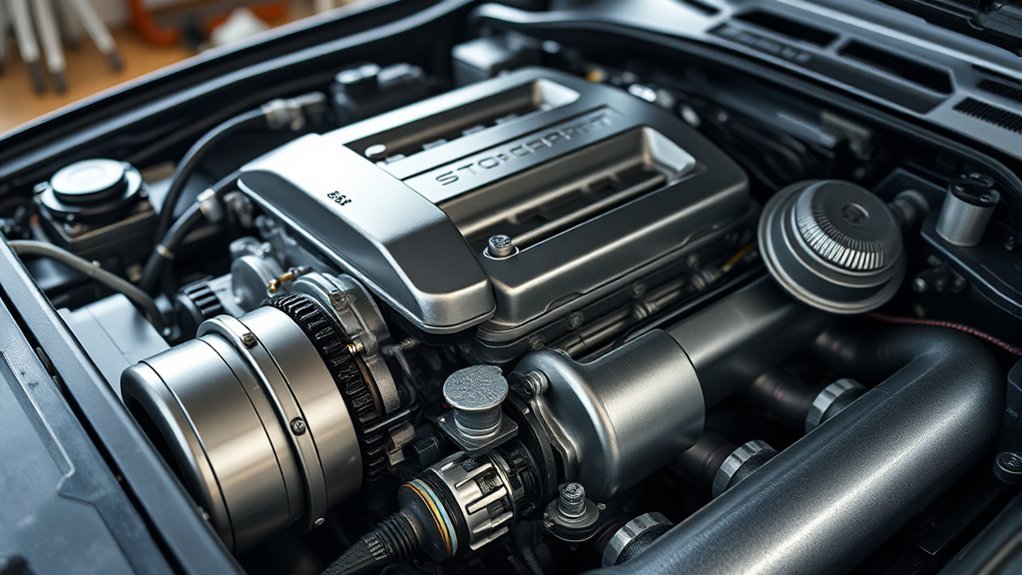
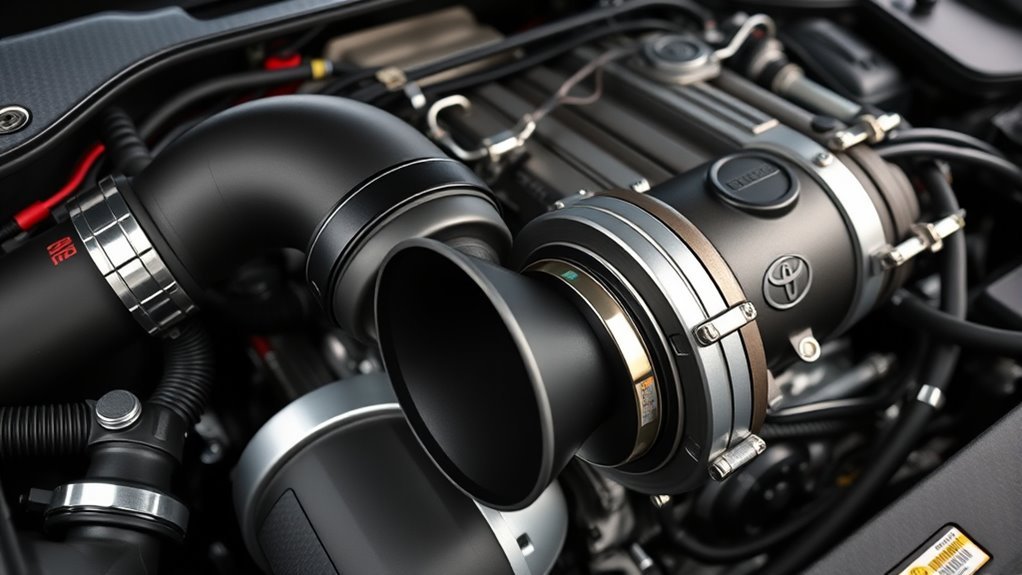
The B58 is a 3.0-liter turbocharged inline-six from BMW’s modular engine family. Toyota describes the 2026 GR Supra version as a twin-scroll single-turbo inline-six. The current U.S. Supra 3.0 produces 382 horsepower and 368 lb-ft of torque.
Model year matters. The 2020 U.S. Supra 3.0 launched with 335 horsepower and 365 lb-ft. Toyota increased the rating to 382 horsepower and 368 lb-ft for 2021, and that output continued through the 2026 MkV Final Edition model year.
The broader B58 family has also received technical revisions during its production life, including changes to fueling, cooling, timing-drive components, and other hardware. Do not assume that every B58 generation or every BMW application uses identical parts simply because they share the B58 name.
BMW’s technical material identifies a twin-scroll turbocharger and a dedicated low-temperature cooling circuit for the charge-air cooler. These design choices support strong power delivery and thermal management, but they do not eliminate the need to monitor cooling-system condition as the vehicle ages.
Is the B58 Engine the Most Reliable BMW Engine?
The B58 can reasonably be described as one of BMW’s better-regarded modern performance engines, but calling it definitively “the most reliable BMW engine” goes beyond the available evidence. Reliability comparisons depend on vehicle age, mileage, maintenance, generation, operating conditions, and what counts as an engine failure versus an accessory or cooling-system repair.
The B58 has received major industry recognition. WardsAuto selected a B58-powered BMW for its 2019 10 Best Engines list, and the engine received further recognition afterward. Those awards support the B58’s engineering and performance reputation, but they are not long-term reliability studies.
The original article also cited the 2018 J.D. Power Vehicle Dependability Study as evidence for B58 reliability. That comparison has been removed because the study measured problems in 2015-model-year vehicles. It therefore does not establish the long-term reliability of the later GR Supra B58 application.
Does Tuning Reduce B58 Reliability?
The B58 has substantial aftermarket support, but extra power should not be treated as free reliability. Raising boost or torque generally increases heat, cylinder pressure, fuel-system demand, drivetrain load, and the consequences of poor fuel or an aggressive calibration.
A lightly modified car with a conservative calibration may remain dependable, but there is no universal horsepower number below which reliability is guaranteed. For a buyer who prioritizes long service life, a stock or lightly modified car with documented maintenance is the lower-risk choice.
[Products Worth Considering]

This A-Premium cartridge engine oil filter is designed for a wide range of Toyota and Lexus vehicles, helping support cleaner oil flow and dependable engine protection. With high filtration efficiency and included O-rings, it offers a practical replacement solution for routine maintenance. Built for extended service intervals, it is suitable for conventional or synthetic oil applications.

This plug-and-play OBD2 scanner helps drivers quickly read and clear engine error codes while providing live data, freeze frame information, I/M readiness, and MIL status for more confident troubleshooting. It adds a built-in voltage test and clear status indicators to support electrical checks and faster diagnostics, making it a practical choice for home users, car enthusiasts, and repair professionals. Compatible with most OBDII vehicles since 1996 and designed with an easy-to-use interface, it offers broad coverage and simple operation in one compact tool.

This replacement gas cap is designed for a wide range of Toyota and Lexus vehicles, offering a direct-fit solution for worn, cracked, or failing fuel caps. Built from durable materials and tested for reliability, it helps restore a secure seal and supports dependable everyday driving. It is a practical replacement part for owners looking for an easy installation and broad vehicle compatibility.
Frequently Asked Questions
What Is the Lifespan of a B58 Engine?
BMW and Toyota do not publish a fixed mileage lifespan for the B58. Well-maintained examples can exceed 150,000 miles, and some owner-reported B58 cars have passed 200,000 miles. That does not guarantee a particular lifespan. Maintenance history, cooling-system condition, modifications, oil-change history, driving style, and overheating events are more useful predictors than one mileage target.
What Are Common Problems With the B58?
Common B58-platform inspection points include coolant loss or external coolant leaks, valve-cover or PCV-related oil leaks, and leaks involving the oil-filter housing/module. Severe overheating can cause major engine damage, but head-gasket failure should not automatically be classified as a routine B58 problem.
Is the New Supra Engine Reliable?
Yes. Available long-term testing and the broader B58 service history support the GR Supra 3.0 as a generally reliable modern performance car when maintained properly. That does not make it maintenance-free, and modified cars, neglected cooling systems, or unresolved leaks can materially increase ownership risk.
What Are the Common Problems With Supras?
On B58-powered MkV Supra 3.0 models, buyers should inspect for coolant loss, oil leaks, warning codes, incomplete maintenance, and signs of aggressive modification. Also check model-specific safety recalls because some Supra recalls concern supporting electrical or fuel-system components rather than the internal B58 engine itself.
Source Notes
The technical and ownership claims in this article were refreshed using Toyota’s 2026 GR Supra specifications and press information, Toyota Supra maintenance documentation, BMW B58 technical training material, WardsAuto engine coverage, J.D. Power’s published methodology, and Car and Driver’s 40,000-mile GR Supra long-term test. Community reports were used only as supporting evidence for real-world patterns and high-mileage examples, not as proof of a guaranteed failure rate or lifespan.
Conclusion
The Toyota GR Supra’s B58 is a strong reliability choice among modern turbocharged performance engines, especially in a stock, well-maintained car. Its reputation is supported more by durable internal hardware and favorable long-term experience than by an absence of problems altogether.
The ownership items worth watching are mainly coolant loss, oil leaks, cooling-system components, service history, modifications, fault codes, and model-specific recalls. Do not assume that every coolant warning means a failed head gasket, and do not rely on a promised 150,000- or 200,000-mile lifespan. Inspect the individual car, verify its history, and address leaks or overheating warnings early. For a used Supra buyer, that approach is far more useful than simply asking whether every B58 is “bulletproof.”