
You should change your Toyota Camry’s transmission fluid every 40,000–60,000 miles under normal driving and about 30,000 miles if you tow, drive in heavy stop‑and‑go traffic, or do lots of short trips. Inspect fluid color and smell regularly; dark or burnt fluid needs immediate service. Older Camrys with dipsticks are easier to check; newer sealed models often require pro service and specific Toyota WS or CVT fluids. Keep records and follow the model‑specific schedule to avoid costly repairs — more details follow.
How Often Should You Change Camry Transmission Fluid?
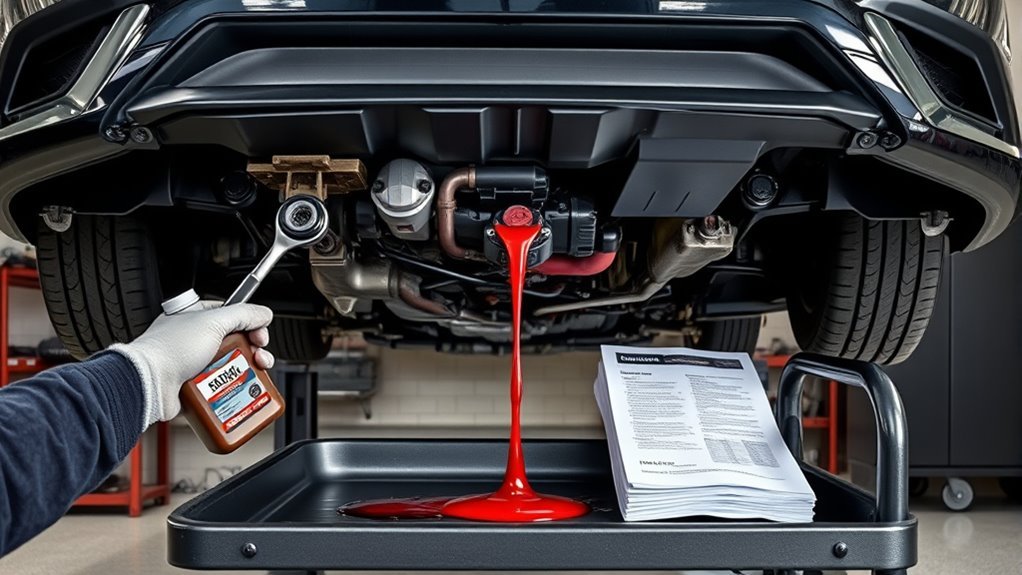
Most Camry models call for a transmission fluid change between 40,000 and 60,000 miles, though you’ll want to shorten that to about 30,000 miles under heavy-duty conditions like towing or constant stop-and-go traffic. You should base your schedule on fluid maintenance principles and realistic driving conditions: treat “lifetime” fluid as conditional, not permanent. Inspect fluid color and smell regularly; dark or burnt odor signals immediate service regardless of mileage. Many owners follow a drain-and-fill every 30,000–60,000 miles to recycle degraded fluid and flush contaminants, which helps extend transmission life without overcomplicating upkeep. Prioritize checks after demanding use—hot, slow traffic or towing increases thermal and mechanical stress. Keep records of changes and inspections so you control longevity and avoid unexpected failures. Take action early: proactive fluid maintenance under liberated terms means you decide intervals based on evidence, not solely on optimistic manufacturer claims.
Toyota Intervals : And When to Change Sooner
Although Toyota’s scheduled interval is often listed at 60,000 miles under normal use, you should plan for earlier service when conditions are severe or you want extra assurance. You’ll override maintenance myths that promise “lifetime” fluid by monitoring fluid quality and usage. Change every 30,000 miles if you tow, endure heavy stop-and-go commuting, or operate in extreme heat or cold.
| Condition | Recommended Interval |
|---|---|
| Normal driving | 60,000 mi |
| Severe use (towing) | 30,000 mi |
| Heavy city traffic | 30,000 mi |
| Older/high-mileage (>100k) | Inspect/change sooner |
| Sealed/”lifetime” systems | Follow manual + inspect |
Check fluid color and level regularly; dark or burnt fluid demands immediate replacement. You’ll prioritize transmission longevity by combining manual guidance with practical inspection—don’t accept blanket claims. This empowers you to make fleetwise, liberated decisions: act on data, not slogans, and schedule service when fluid quality or driving conditions indicate risk.
Which Camry Years and Transmissions Need Extra Service
For your Camry, know whether it has a serviceable dipstick or a sealed transmission — older models with a dipstick let you check fluid color and level yourself, while sealed systems usually need a pro for flushes or top-ups. Expect older 1990s–2000s cars to need more frequent monitoring and earlier fluid changes under heavy use, whereas many recent models use Type WS and have different service access. Verify year-specific fluid spec and access method before scheduling service so you don’t miss required maintenance.
Older Models With Dipstick
When you own a Camry from the late 1990s through the mid-2000s (roughly 1998–2006), you’ll find a transmission dipstick that makes fluid checks and basic service straightforward; this design empowers you to take control of fluid maintenance and see dipstick importance firsthand. Check every 30,000 miles, sooner under heavy use. Use Dexron III or compatible fluid, change filter and perform a basic flush when fluid’s dark or smells burnt. Regular checks prevent costly failures and extend life.
- Inspect: level and color via dipstick; dark/burnt = change.
- Service: basic flush and filter replacement, use recommended fluid.
- Interval: standard 30k miles; reduce interval for towing or severe duty.
Sealed Transmissions Require Service
Since many Camrys from about 2012 onward use sealed transmissions without a dipstick, you’ll need professional service for fluid checks and changes rather than DIY topping or spot inspections. Sealed transmission challenges mean you can’t verify level or condition easily; models from 2018+ with the Direct Shift CVT often require changes around 60,000 miles. You should treat 2012–present Camrys as requiring shop-level procedures to avoid overheating and premature failure.
| Model Years | Service Note |
|---|---|
| 2012–2017 | Sealed design; shop service |
| 2018–present | Direct Shift CVT; 60k interval |
| All sealed | No dipstick; pro fill |
| Owner manual | Check specific intervals |
| Risk | Overheat/failure if neglected |
You’ll prioritize professional servicing importance to protect freedom of mobility.
How to Check Camry Transmission Fluid Level and Condition
Park the Camry on a level surface, run the engine until it reaches normal operating temperature, and keep it idling while you check the fluid. Locate the transmission dipstick toward the rear of the engine bay, pull it out, wipe it clean, reinsert, and then read the level against the markings. Assess the fluid color—healthy fluid is pinkish-red and translucent, while dark or burnt fluid signals contamination and a needed service.
Park On Level Surface
Always position your Camry on a level surface and start the engine before checking the transmission fluid to confirm the reading is accurate. This step is foundational to fluid maintenance and transmission care; uneven ground skews level readings and can mask low or contaminated fluid that threatens freedom from roadside dependence.
- Confirm the parking brake’s engaged, engine idling, and selector in Park to stabilize hydraulic pressure.
- Wait a minute for fluid circulation, then check color—pinkish-red is healthy; dark or burnt means service.
- If below Full, add Toyota Type WS per manual; sealed units require dealer or tech inspection.
You’re taking direct control—accurate checks protect performance and extend your Camry’s autonomy.
Locate The Dipstick
When you’re ready to check the transmission fluid, open the hood and locate the dipstick—usually toward the rear of the engine bay—then pull it out to inspect level and condition with the engine idling at normal operating temperature. You’ll park on a level surface, keep the engine warm, then identify the dipstick location; it’s often labeled or has a colored handle. If you find no dipstick, don’t improvise—many newer Camrys have sealed transmissions and require a professional. Remove the dipstick, wipe, reinsert, then withdraw to read level against marks. Note the fluid’s clarity and level; low or contaminated fluid limits freedom and performance. Follow the owner’s manual and use these maintenance tips to stay proactive and independent.
Assess Fluid Color
With the dipstick out and wiped clean, reinsert it, pull it again, and inspect the fluid’s color and smell to assess condition. You want a pinkish-red fluid; that’s a sign of clean, healthy transmission fluid. Dark brown or black, or a burnt odor, signals fluid contamination and requires service. If your Camry has a sealed system, don’t risk guessing—consult a technician.
- Pinkish-red — normal; maintain schedule per owner’s manual.
- Dark/burnt — contamination; plan a fluid change and inspection.
- Milky/odd smell — possible coolant ingress or severe contamination; seek immediate diagnostics.
Use color indicators plus level checks to detect problems early, protect freedom from breakdowns, and keep control of maintenance decisions.
Drain-and-Fill: Step-by-Step (What to Expect)
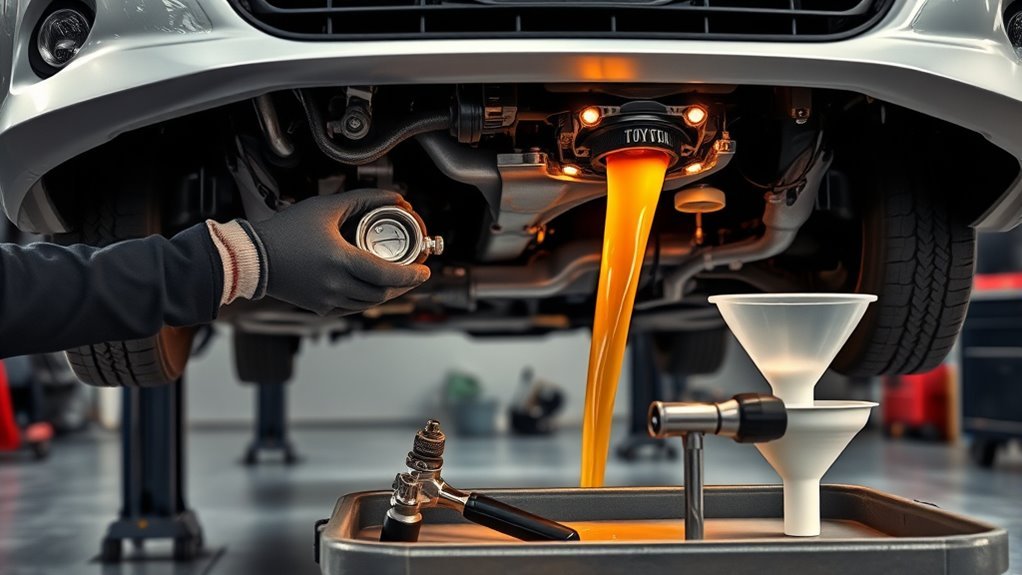
Before you begin, make sure the car is safely raised and supported so you can access the transmission drain plug; you’ll then remove the plug and let the old fluid drain into a suitable container, which typically removes about 30–40% of the fluid. Start by locating the drain plug, loosen it, and allow full drainage. That partial exchange supports fluid maintenance and delivers clear service benefits: reduced contaminants and cooler operation between full changes.
Once drained, remove the transmission pan to inspect and replace the filter. Fit the new filter and gasket precisely to prevent leaks, then reinstall the pan torqued to spec. Refill with the manufacturer-recommended fluid type and quantity—consult the owner’s manual for exact specs.
After refilling, run the engine, cycle gears, and recheck level with the transmission at operating temperature. Inspect for leaks and verify the fluid sits within the acceptable range. This method is practical, controlled, and empowers you to maintain drivability without unnecessary complexity.
Flush vs. Pan/Filter Service : Which to Choose?
Curious which service suits your Camry best? You’ll weigh flush benefits against a pan service. A flush replaces nearly 100% of fluid and removes more contaminants; it’s useful when fluid’s heavily degraded or for severe driving. But it can dislodge sludge in older units, risking issues. A pan/filter service replaces 30–40% of the fluid, includes a new filter, and is gentler—Toyota and many manufacturers recommend it for routine care. Cost, risk, and condition guide your choice.
- Assess condition: if fluid is dark and burned, a flush benefits cleaning; if maintenance has been consistent, pan service preserves stability.
- Consider age: older transmissions favor pan service to avoid dislodging settled deposits; newer or abused units may need a flush.
- Budget and frequency: pan service is cheaper and practical for regular intervals; reserve full flushes for targeted remediation.
Choose with intent: prioritize system health, longevity, and your freedom to drive without worry.
Recommended Transmission Fluids and Compatibility for Camry
For most Camry models you should use Toyota Type WS fluid, as it’s engineered for the transmission’s friction characteristics and temperature behavior; if you don’t have access to WS, some owners successfully use Valvoline MaxLife or compatible Dexron II/III-spec fluids after confirming year-specific allowances.
You should prioritize OEM Type WS because its additive package and viscosity match Toyota’s design, preserving shift quality and longevity. When considering fluid types, check your owner’s manual and service bulletins for model-year compatibility before switching. Valvoline MaxLife and certain Dexron II/III options serve as practical alternative options when WS is unavailable, but they’re compromises—verify they meet temperature and friction specs for your transmission. Synthetic fluids can extend change intervals and resist thermal breakdown; they may let you push to longer intervals, but you should monitor fluid condition and seals. Choose fluids that maintain liberation from frequent shop dependence: document what you pour, keep receipts, and stick to a tested interval based on operating conditions and observed fluid condition.
Signs Your Camry Transmission Needs Immediate Attention
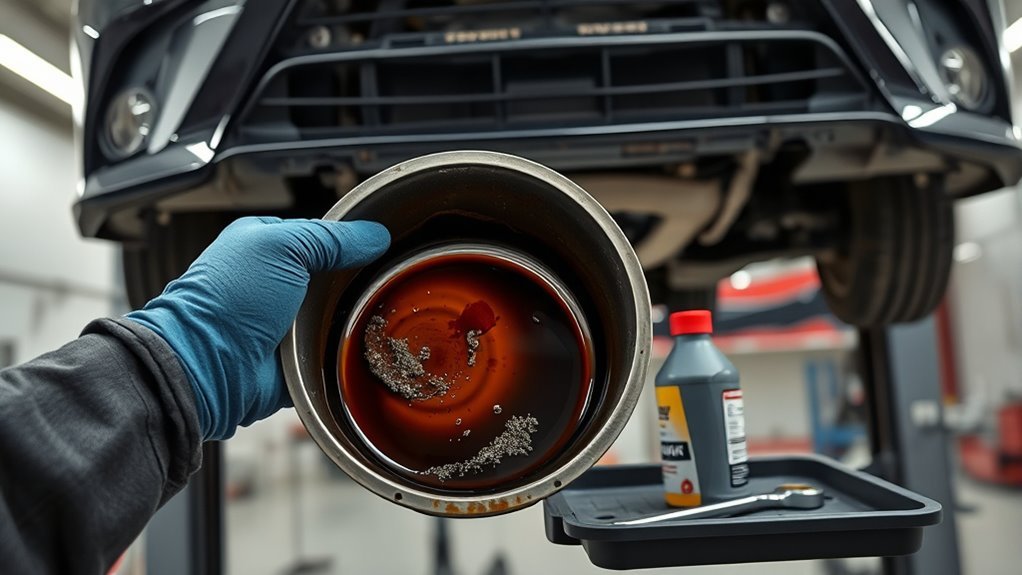
Knowing what fluid to use helps prevent problems, but you still need to spot when the transmission is failing so you can act fast. You’ll want to recognize clear indicators that demand immediate attention: gear slippage symptoms, grinding noise causes, delayed shifts, and contaminated fluid. Don’t ignore warning lights— they’re the car’s call for diagnosis.
Knowing the right fluid helps prevent issues, but spot slippage, grinding, delayed shifts, or warning lights—act fast.
- Gear slippage and hesitation: if the transmission unexpectedly shifts or won’t engage, you’re facing slippage symptoms that can damage driveline components rapidly.
- Grinding or clunking during shifts: unusual grinding noises when shifting point to worn gears, low or burnt fluid, or failing synchronizers—inspect fluid and internals immediately.
- Fluid condition and warning lights: dark, burnt-smelling fluid or a persistent check engine light implies contamination or sensor-detected faults; continue driving risks catastrophic failure.
Act quickly: pull over safely, check fluid level and color, and seek professional diagnosis. Your freedom to drive depends on decisive, informed action.
Camry Transmission Maintenance Checklist and Schedule
Checklist and schedule: keep your 2018 Camry’s transmission healthy by changing the fluid every 40,000 miles, checking fluid color regularly, and logging each service to track intervals. You should follow a tight, practical routine: perform a drain-and-fill at 40k-mile intervals, inspect fluid color (bright red is good; dark means change), and watch for slippage or delayed shifts that demand earlier service. Record date, mileage, fluid type, and technician notes to reclaim control of your vehicle’s care and extend transmission longevity.
| Task | Frequency |
|---|---|
| Drain & fill | Every 40,000 miles |
| Fluid color check | At each oil change |
| Log service entries | After every transmission visit |
Stick to Toyota-recommended procedures—filter or pan removal isn’t typically required—so you minimize unnecessary intervention. This focused fluid maintenance plan frees you from surprise breakdowns and preserves performance with efficient, predictable steps.
Frequently Asked Questions
How Often Do You Change Transmission Fluid on a Toyota Camry?
You should change it roughly every 30,000–60,000 miles, adjusting for heavy use; monitor fluid types and condition, prioritize transmission maintenance, and consult your manual so you can protect performance, avoid failures, and stay mechanically independent.
How Much Does It Cost to Change Transmission Fluid in a Camry?
You’ll pay about $100–$200 to change Camry transmission fluid; cost factors include fluid price, labor, filter, and location. For liberation and savings, use DIY tips: buy correct fluid, drain fully, and reuse tools wisely.
How Long Does Toyota Automatic Transmission Fluid Last?
Typically it lasts 30,000–60,000 miles, though “lifetime” claims vary; you’ll extend life by following fluid maintenance tips, debunking transmission longevity myths, checking fluid condition, and servicing under heavy or towing use regularly.
Conclusion
Keep Camry transmission care simple and consistent: change fluid per Toyota’s schedule, sooner if you tow or hit heavy traffic, and always check level and color before long trips. Coincidentally, a routine drain-and-fill often prevents the same problems that make you hunt for a shop; a timely pan/filter service often restores smooth shifts just when you were about to worry. Stay practical, follow specs, and you’ll keep shifts smooth and repair bills rare.