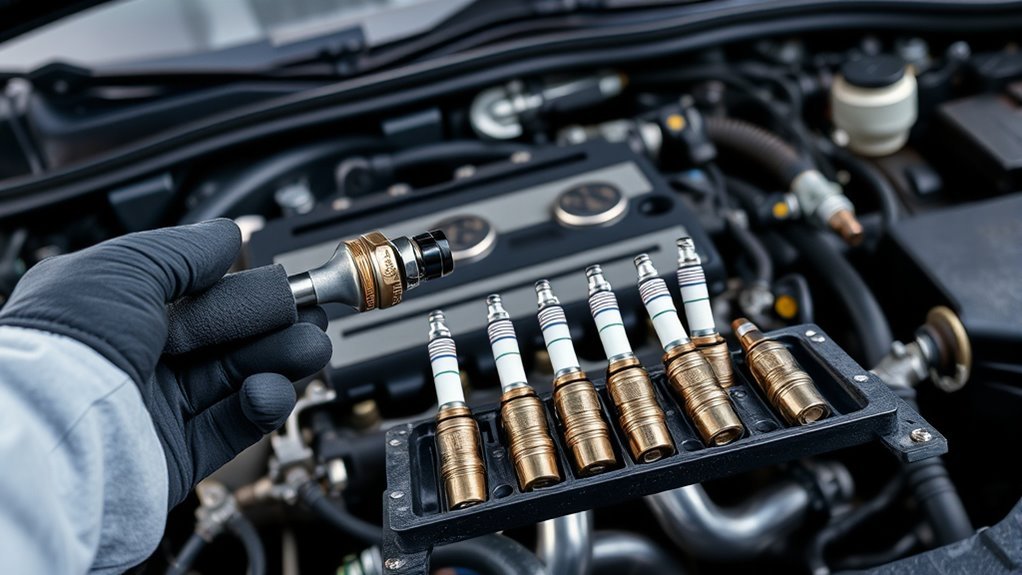
You should replace Toyota Camry spark plugs at 120,000 miles (144 months) for most engines; the 3.5L V6 needs replacement at 60,000 miles (72 months). Iridium plugs used by Toyota give long life and consistent spark, but harsh driving, towing, short trips, or poor fuel can force earlier changes. Watch for rough idle, reduced fuel economy, misfires, or a check-engine light. Continue for inspection tips, cost estimates, and OEM vs aftermarket guidance.
Toyota Camry Spark Plug Replacement Interval (Short Answer)
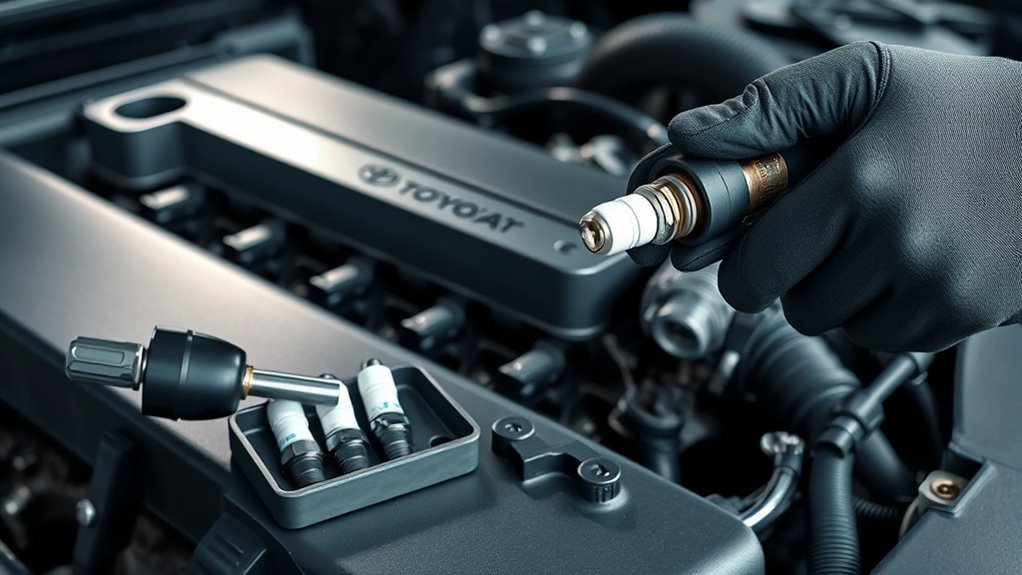
For most Toyota Camry models, you should replace the spark plugs at 120,000 miles or 144 months; if you have the 3.5L V6, change them at 60,000 miles or 72 months. You’ll follow those intervals as a baseline, but you should inspect plugs during regular service to confirm condition. Monitor fuel efficiency, idle quality, and acceleration; declines suggest earlier replacement. Harsh driving—stop-and-go traffic, towing, or frequent short trips—can accelerate wear and force you to act sooner than the schedule indicates. Use maintenance tips: check gap, electrode wear, and deposits, and record findings to resist manufactured uncertainty. Know the recommended spark plug types for your engine and fit only specified parts to preserve combustion control and emissions performance. You want freedom from unexpected failure, so pair interval discipline with condition-based checks. When symptoms appear, replace by symptom or schedule—whichever comes first—to maintain reliability and control of your vehicle’s performance.
Why Camry Uses Iridium Plugs and What That Means for Lifespan
Because Toyota prioritizes long-term reliability and efficiency, Camrys come equipped with iridium spark plugs that dramatically outlast traditional copper or platinum types. You’ll gain clear iridium benefits: a fine-wire iridium tip produces a stronger, more consistent spark, improving ignition efficiency and fuel economy while reducing misfires. That technical edge means less degradation over time, so spark plug longevity commonly reaches 120,000 miles or more under normal operation.
You’ll also reduce ancillary wear: iridium’s lower voltage requirement eases strain on coils and wiring, extending related component life. Corrosion and electrode wear resistances cut replacement frequency and maintenance cost, aligning with Toyota’s materials-driven strategy for dependable performance. For someone seeking freedom from frequent service, this choice liberates you from routine tune-ups without sacrificing efficiency. In short, iridium plugs deliver measurable durability, stable combustion, and lower life-cycle costs—practical engineering that translates directly into extended replacement intervals and more miles between interventions.
Factory Schedule vs. Common Owner Practices for Camry Plugs
While Toyota lists a 120,000-mile (or 144-month) interval for Camry spark plugs based on iridium’s durability, many owners opt to replace them earlier—commonly between 60,000 and 100,000 miles—to preserve peak performance and reduce perceived risk. You’ll find the factory schedule assumes iridium spark plug longevity under ideal conditions; it’s conservative, engineered to minimize warranty claims and service variability. In practice, owners trade theoretical lifespan for control: earlier swaps reduce misfire risk, tighten fuel trim margins, and simplify diagnostics. Don’t buy replacement myths that say earlier changes always boost economy dramatically; benefits are incremental and situation-dependent. Use empirical checks—compression, gap measurements, and symptom-driven inspections—to decide. If you value independence, set a proactive interval aligned to your tolerance for risk rather than blind adherence to the manual. That lets you reclaim agency over maintenance while still respecting the proven durability of iridium plugs.
Driving Conditions That Require Earlier Camry Spark Plug Changes
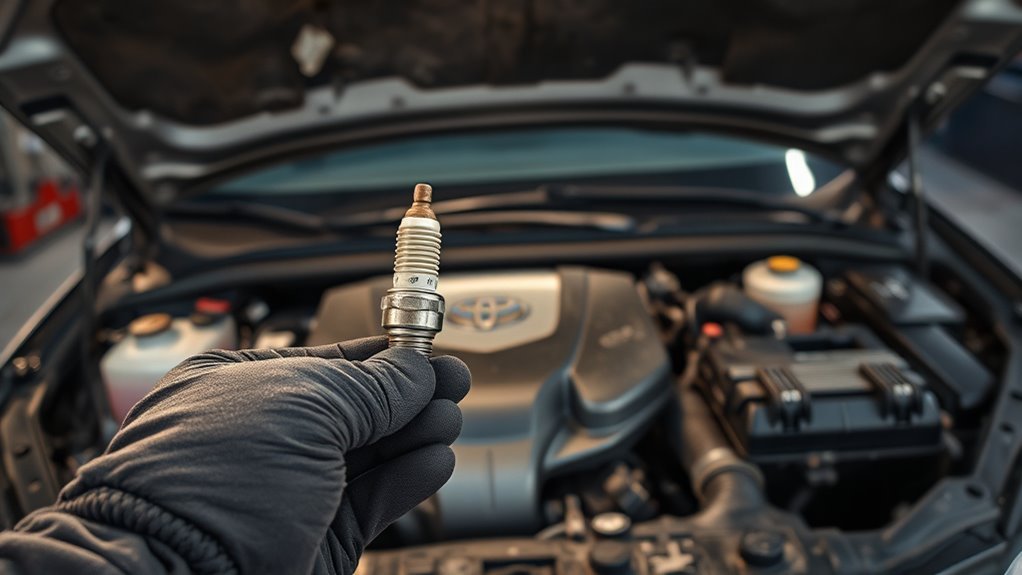
If you drive your Camry mostly in stop-and-go traffic, tow heavy loads, use low-quality fuel, or frequently run short, cold trips and long idles, expect spark plugs to wear faster than the nominal interval and plan replacements sooner. You should treat the factory 80,000-mile guideline as conditional: traffic impact, towing stress, and fuel quality all shorten service life. Monitor driving patterns and be proactive to maintain power and emissions control.
- Increased stop-and-go traffic elevates thermal cycling and electrode wear.
- Towing heavy loads raises cylinder temperatures and mechanical stress.
- Low-grade or contaminated fuel accelerates carbon fouling and deposits.
- Short cold trips and long idling prevent proper combustion and cleaning cycles.
- Extreme ambient conditions amplify deterioration rates and demand earlier service.
You’re aiming for freedom from breakdowns; adjust your maintenance rhythm based on usage. Check records, inspect plugs during other services, and replace sooner when these adverse conditions are routine.
How to Tell a Camry Spark Plug Is Failing (Symptoms to Watch)
Watch the check engine light and note any persistent codes—misfires or ignition faults often point to worn spark plugs or their wiring. You’ll also feel rough idling, hear irregular engine noise, or notice reduced throttle response as plugs fail to fire consistently. If these symptoms appear together, inspect or test the spark plugs promptly to prevent further engine damage.
Check Engine Light
When your Camry’s check engine light comes on, it often signals ignition or combustion problems—failing spark plugs are a common cause and can trigger diagnostic trouble codes related to misfires. You should treat the light as a prompt to diagnose spark plug symptoms before damage spreads. Use a scan tool to read codes; P030x codes point to cylinder misfires tied to spark issues. You’ll also notice reduced engine performance and drivability changes.
- Difficulty starting or frequent stalling
- Increased fuel consumption from poor combustion
- Poor acceleration or hesitation under load
- Noticeable changes in engine performance (loss of power)
- Unusual engine noises indicating misfires
Addressing these signs restores control and prevents costly repairs—replace plugs per interval or at first consistent fault.
Rough Idle/Performance
Because failing spark plugs don’t fire consistently, you’ll often notice a rough idle and degraded performance in your Camry that points directly to ignition issues. You’ll feel vibrations at idle and hesitation under load—clear idle issues caused by inconsistent combustion. Difficulty starting signals weak sparks that can’t ignite the air-fuel mix reliably. Expect higher fuel consumption because inefficient combustion wastes fuel and reduces range. Frequent misfires or unusual engine noises are technical indicators that plugs need inspection or replacement. The check engine light may illuminate, but don’t wait for diagnostics alone; combine codes with these symptoms. For liberated control of your vehicle, monitor these signs, prioritize performance tuning that includes plug replacement, and restore reliable ignition to reclaim efficiency and responsiveness.
How Techs Inspect Camry Spark Plugs and What the Report Shows
When you hand over a Camry, the tech starts with a visual electrode inspection to note carbon buildup, erosion, discoloration, and any cracked insulators that can impair spark. They’ll then perform compression and firing tests to verify each cylinder’s ability to ignite and hold pressure, pinpointing weak plugs or misfires. The report summarizes these findings, recommends replacements or repairs, and sets maintenance intervals based on measured gaps and test results.
Visual Electrode Inspection
A visual electrode inspection lets a technician quickly assess each Camry spark plug for wear, erosion, and deposits that signal underlying engine issues. You’ll use inspection techniques focused on electrode wear, color, gap, and insulator condition to judge service needs. A clear report records each plug’s state so you can decide on targeted replacements and liberation from recurring failures.
- Check electrode tip for rounded edges, pitting, or erosion indicating replacement.
- Note electrode color: light brown/gray is healthy; black/oily means fuel or oil issues.
- Measure the electrode gap; confirm it matches Toyota specs for ignition efficiency.
- Inspect the ceramic insulator for hairline cracks or damage causing misfires.
- Document findings per cylinder for precise maintenance decisions.
Compression And Firing Tests
Although visually inspecting electrodes gives useful clues, compression and firing tests provide the definitive data you need to pinpoint why a Camry is misfiring or running poorly. You’ll perform Compression Testing to measure pressure in each cylinder; low or uneven readings reveal sealing issues, worn rings, or head gasket failure that can mimic spark plug faults. For Firing Capability you’ll evaluate spark plugs under load, checking for proper spark strength and timing while noting carbon buildup, electrode erosion, and deposits. The combined report differentiates plug-related misfires from mechanical failures: consistent compression with weak firing points to ignition components or fouled plugs, while poor compression redirects you to engine repair. These tests free you from guesswork and guide precise, effective interventions.
Typical Time and Cost to Replace Camry Spark Plugs
If your Camry needs new spark plugs, plan on spending roughly 30 minutes to two hours depending on engine layout and accessibility, with costs typically between $100 and $300 including parts and labor. You’ll assess spark plug accessibility first: inline four-cylinder engines are quicker, while V6 layouts need extra disassembly. You can save labor fees by doing it yourself, but you’ll need proper replacement tools and torque specs to avoid damage.
- Inspect plug wells and coil boots before removal to gauge difficulty.
- Use a quality socket, extension, and torque wrench for safe installation.
- Expect higher labor time if intake components or brackets must be removed.
- Factor in potential complications like stuck plugs from carbon buildup.
- Schedule replacements at recommended intervals (iridium ≈120,000 miles) to maintain performance.
You’ll act efficiently, armed with technical know-how and the right tools, reclaiming control of maintenance while minimizing surprises and cost.
OEM vs. Aftermarket: Which Spark Plugs Are Best for a Camry?
Which plugs should you pick for your Camry depends on priorities like longevity, cost, and exact engine spec. You’ll find OEM Benefits in genuine Toyota spark plugs: engineered fit, exact heat range, and materials (often iridium) matched to your Camry’s ignition system. That reduces misfire risk, preserves fuel economy, and can extend interval up to 120,000 miles on iridium designs, lowering lifecycle cost despite higher upfront price.
Aftermarket Risks are real: quality and compatibility vary, and some units use inferior alloys or incorrect gaps, shortening life and harming efficiency. If you seek autonomy over maintenance and lower immediate expense, select reputable aftermarket brands that specify compatibility and use iridium or platinum electrodes. Still, if you want predictable performance, emissions control, and minimized service frequency, stick with OEM iridium plugs. Your choice balances immediate savings against long-term reliability and the freedom to drive without frequent tune-ups.
When to Schedule Service and What to Ask Your Toyota Advisor

When your Camry approaches 120,000 miles (or 144 months), schedule a spark plug service and have the advisor inspect them sooner if you notice rough idle, hard starts, or decreased fuel economy; driving in heavy stop-and-go traffic or towing can justify earlier replacement, so bring your maintenance history and ask the advisor to verify plug type, gap, and condition rather than relying solely on mileage-based replacement.
You should ask targeted questions to own your vehicle’s performance and maximize spark plug longevity. Request a documented inspection, condition photos, and explicit gap measurements. Confirm OEM vs. aftermarket recommendations and insist on torque specs and reinstall procedures. Use maintenance reminders—digital or paper—to trigger future checks based on use, not just miles. If you’ve had misfires, map sensor codes, compression results, and fouling evidence. Demand clarity on parts warranties and whether a multi-point inspection covered ignition coils, fuel system, and valve condition. This lets you act decisively, prevents avoidable failures, and preserves freedom from unexpected breakdowns.
- Ask for inspection photos
- Verify plug gap and type
- Track maintenance history
- Set timed reminders
- Confirm warranty details
Frequently Asked Questions
How Do You Know if Your Spark Plugs Are Bad on a Toyota Camry?
You’ll notice spark plug symptoms like misfires, rough idling, hard starts, decreased engine performance and higher fuel use; if the check engine light or stalling appears, inspect and replace plugs to restore reliable, efficient operation.
How Long Does a Toyota Spark Plug Last?
About 80,000–120,000 miles—iridium variants last longest. You’ll want to follow maintenance tips: inspect plugs regularly, adjust for harsh driving, and replace per schedule so you’re free from poor fuel economy and engine damage.
What Is the 100000 Mile Service on a Toyota Camry?
The 100,000-mile service is a thorough inspection and replacement checklist to preserve engine performance and follow the maintenance schedule: you’ll replace spark plugs if due, check coolant, belts, fluids, filters, and perform system diagnostics.
Conclusion
Keep your Camry’s iridium plugs on their scheduled diet — Toyota recommends replacement around 120,000 miles, though heavy use may demand an earlier swap. Iridium’s longevity masks gradual wear, so don’t wait for a dramatic failure; catch symptoms like misfire, rough idle, or poor fuel economy. Ask your advisor for OEM plugs, request a spark-plug inspection report, and budget modest labor and parts. A timely replacement keeps performance polite and trouble discreet.