Last updated: August 8, 2026 — Updated for the sixth-generation 2026 Toyota 4Runner, including trim-specific ground-clearance and off-road-geometry figures.
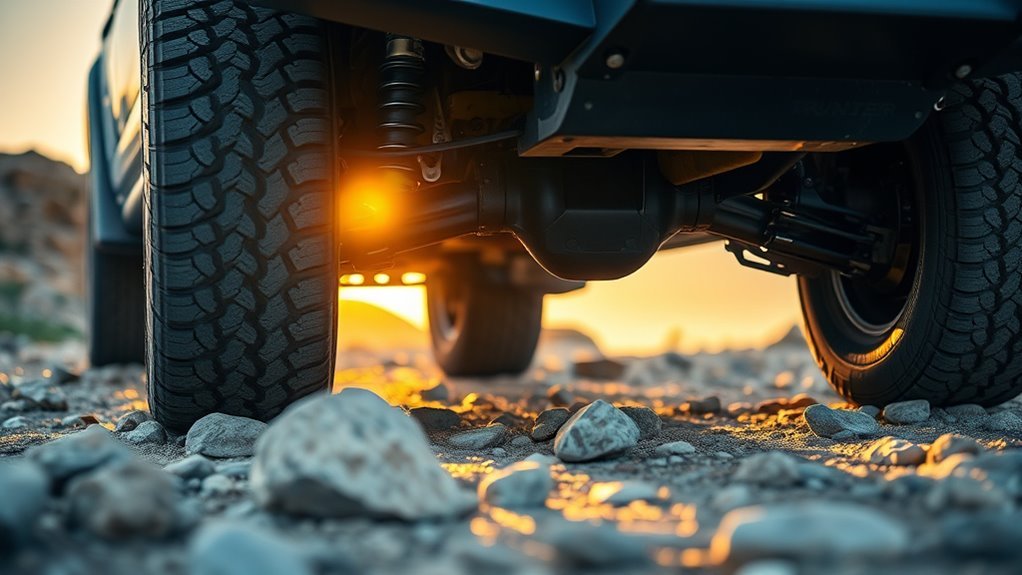
The 2026 Toyota 4Runner ground clearance ranges from 8.1 to 10.1 inches, depending on trim. The SR5 starts at 8.1 inches, TRD Sport, TRD Sport Premium, Limited, and Platinum are listed at 8.8 inches, TRD Off-Road and TRD Off-Road Premium reach 9.1 inches, and the TRD Pro and Trailhunter top the range at 10.1 inches. Toyota therefore describes the current 4Runner as offering up to 10.1 inches of ground clearance. The often-quoted 9.0-inch 2WD and 9.6-inch 4WD figures belong to the previous-generation 4Runner and should not be used as a universal 2026 specification.
2026 Toyota 4Runner Ground Clearance: 8.1 to 10.1 Inches
Quick Answer
There is no single ground-clearance figure for every 2026 4Runner. Clearance changes with trim, suspension, tires, and exterior geometry. For buyers who regularly encounter rocks, ruts, steep trail entrances, or washouts, the TRD Pro and Trailhunter provide the most factory clearance at 10.1 inches. The TRD Off-Road grades provide a useful middle ground at 9.1 inches, while the SR5 starts at 8.1 inches.
| 2026 4Runner Trim Group | Ground Clearance | Approach Angle | Departure Angle |
|---|---|---|---|
| SR5 | 8.1 in. | 18° | 22° |
| TRD Sport / TRD Sport Premium | 8.8 in. | 18° | 22° |
| Limited / Platinum | 8.8 in. | 18° | 22° |
| TRD Off-Road / TRD Off-Road Premium | 9.1 in. | 19° | 24° |
| TRD Pro / Trailhunter | 10.1 in. | 33° | 24° |
Source note: Current Toyota 2026 model information confirms ground clearance of up to 10.1 inches, while current trim-level specification data separates the SR5, Sport/Limited/Platinum, Off-Road, and TRD Pro/Trailhunter configurations shown above.
Key Takeaways
- 8.1 inches: the starting point for the 2026 SR5.
- 8.8 inches: common on the street- and luxury-focused Sport, Limited, and Platinum groups.
- 9.1 inches: TRD Off-Road and TRD Off-Road Premium.
- 10.1 inches: TRD Pro and Trailhunter, the highest-clearance factory configurations.
- Ground clearance is only one part of trail capability. Approach angle, departure angle, breakover geometry, tires, underbody protection, traction systems, and driver line choice matter too.
Why Do Some 4Runner Pages Still Say 9.6 Inches?
The answer is generation change. On the fifth-generation 4Runner, Toyota commonly listed 9.0 inches of clearance for 2WD configurations and 9.6 inches for 4WD configurations. The 4Runner was redesigned for the 2025 model year, and the sixth-generation 2025–2026 lineup uses a wider range of trim-specific clearance figures.
That distinction matters when comparing used and new 4Runners. A 2024 4Runner specification cannot automatically be applied to a 2026 model simply because both vehicles carry the same name.
How 4Runner Clearance Is Measured and Why Numbers Vary
Ground clearance describes the vertical space between the road or trail surface and a vehicle’s limiting underside point. It is different from overall vehicle height and different from approach, departure, and breakover angles. Those measurements work together, but they answer different off-road questions.
Measuring Ground Clearance
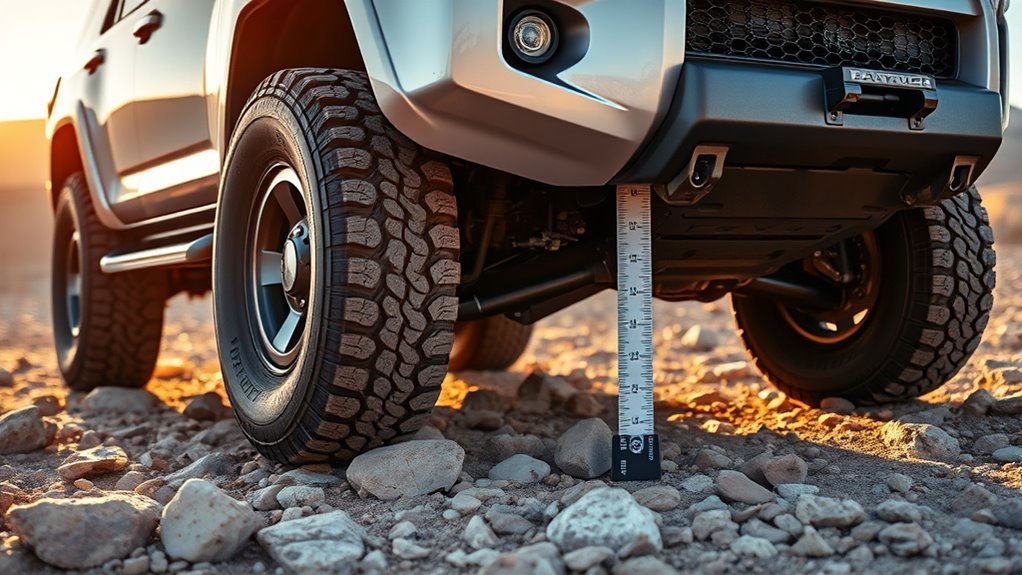
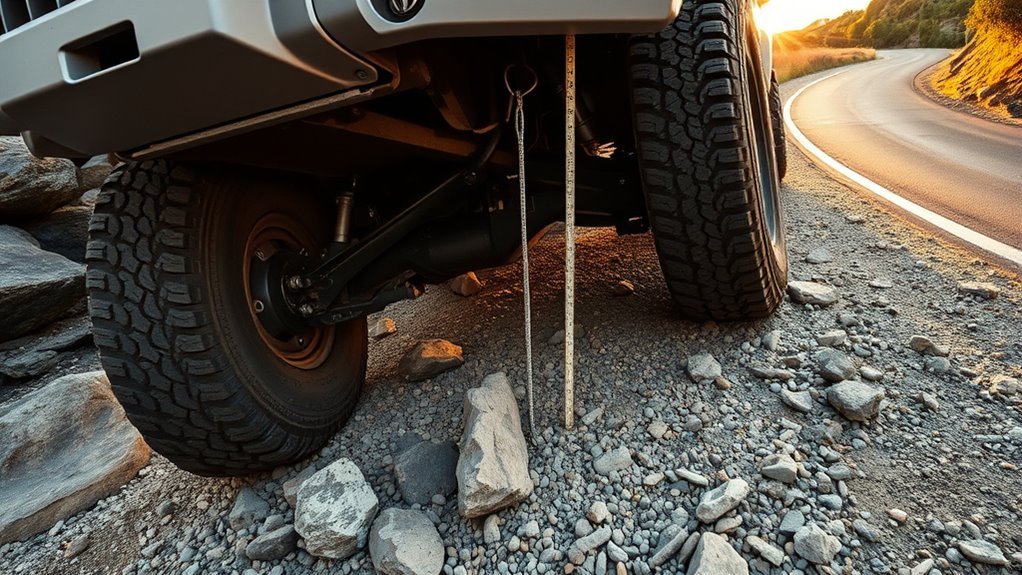
If you measure your own 4Runner, park it on level ground, use the correct tire pressure, and keep the vehicle near its normal unloaded condition. Inspect the full underside rather than measuring only the rocker panel or frame rail. Depending on configuration, a differential housing, suspension component, skid plate, aerodynamic piece, or another underbody component may become the practical limiting point.
Your tape-measure result may differ slightly from a published specification because tire pressure, tread wear, cargo, accessories, spring settling, and the exact measurement location can all change the number. Factory specifications are therefore the best baseline for comparing stock trims, while an actual vehicle measurement is useful after modifications.
Why Numbers Differ
The biggest reason 4Runner clearance numbers differ online is that sources may be describing different generations or trims. The 2010–2024 fifth generation commonly produced the familiar 9.0- and 9.6-inch figures. The redesigned 2025–2026 sixth generation ranges from 8.1 to 10.1 inches.
Even within the current generation, suspension tuning, tire diameter, bumper design, skid plates, running boards, and trim-specific hardware affect usable trail clearance. That is why comparing only one ground-clearance number can be misleading.
Ground Clearance vs. Approach, Departure, and Breakover Angles
- Ground clearance: helps determine whether a low underbody point can pass over an obstacle.
- Approach angle: determines how steep an obstacle the front of the vehicle can meet before the bumper or lower fascia contacts it.
- Departure angle: performs the same job at the rear of the vehicle.
- Breakover angle: describes the risk of the center of the vehicle contacting a crest as the front and rear axles sit on opposite sides.
This distinction explains why the TRD Pro and Trailhunter have a much larger advantage than the raw clearance number alone suggests. Their 10.1-inch clearance is useful, but their approximately 33-degree approach angle is especially important when entering a steep ledge or climbing over an abrupt obstacle.
Which Trims, Tires, and Parts Change Clearance and Approach Angle
For the best factory clearance and approach geometry, the 2026 TRD Pro and Trailhunter are the clear choices. Both reach 10.1 inches of published ground clearance and use off-road-focused suspension, high-clearance exterior geometry, and 33-inch all-terrain tires. Toyota equips the TRD Pro with TRD-tuned FOX shocks and the Trailhunter with Old Man Emu shocks.
The TRD Off-Road and TRD Off-Road Premium sit between the base and flagship off-road trims. Their 9.1-inch clearance is lower than the TRD Pro and Trailhunter, but they add equipment that matters on actual trails, including an electronically locking rear differential, off-road suspension tuning, Multi-Terrain Select, and CRAWL Control availability. Toyota also specifies 18-inch wheels with 33-inch all-terrain tires on the current TRD Off-Road.
Do not judge capability from tire diameter or suspension height alone. A taller tire can increase clearance at axle-level components because it increases rolling radius, while a suspension lift primarily raises the body, frame, and many suspension mounting points. Bumper design can improve approach angle without changing the lowest point beneath the vehicle by the same amount.
Useful rule of thumb: if tire diameter increases by 2 inches, the theoretical axle-height increase is roughly 1 inch because ground clearance follows the change in tire radius, not the full diameter. Real results can be slightly different because of loaded tire radius, pressure, tread, and vehicle weight.
[Products Worth Considering]
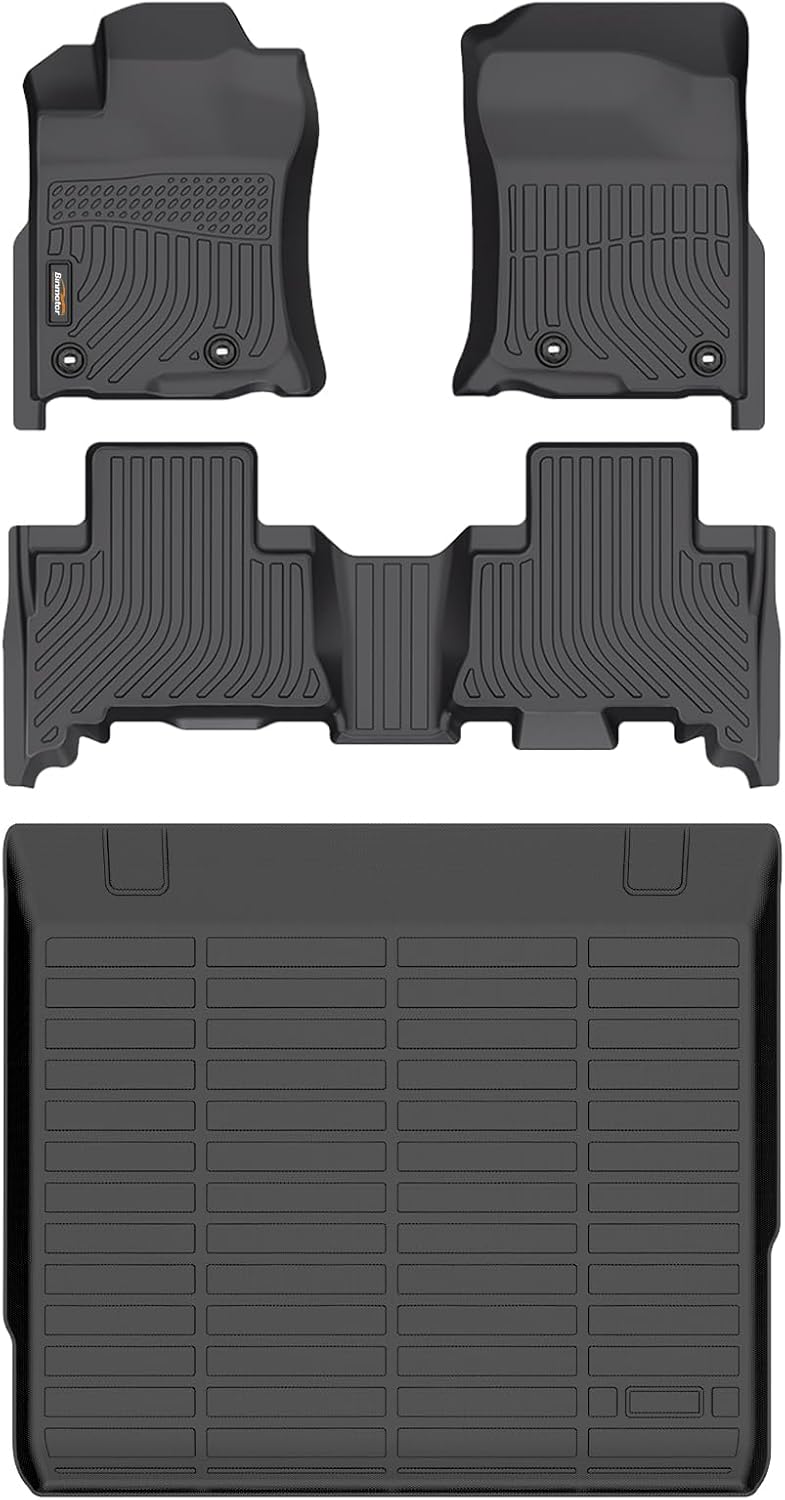
These custom-fit floor mats and cargo liner are designed for select Toyota 4Runner models and provide full-coverage protection for your interior. Made from durable TPE material with raised edges and non-slip buckles, they help contain dirt, spills, snow, and debris while staying securely in place. The waterproof design is easy to clean, making them a practical all-weather upgrade for everyday driving.

Upgrade your Toyota 4Runner with these heavy duty roof rack cross bars designed for raised side rails and secure cargo transport. The aluminum construction, anti-theft locking system, and tie-down loops help keep gear stable on the road while the low-profile design helps reduce wind noise. Easy to install with no drilling required, they provide a durable and convenient solution for road trips, hauling, and outdoor adventures.
Armor All Extreme Wheel and Tire Cleaner is a powerful spray designed to cut through stubborn dirt, grease, tar, and brake dust on wheels and tires. It is safe for use on factory and aftermarket finishes, including alloy, steel, chrome, and plastic wheel trims, while its fast-acting formula works in just seconds. The deep-cleansing action helps reach hard-to-clean areas and leaves wheels looking clean and shiny.
Daily Driving Trade-Offs of the 4Runner’s High Clearance
More trail clearance is useful, but do not assume ground clearance alone determines how a 4Runner behaves on pavement. Suspension calibration, tire construction, wheel size, vehicle weight, powertrain, and aerodynamic hardware all contribute to ride comfort, steering response, body motion, and fuel economy.
The TRD Pro and Trailhunter are designed around more serious off-road use, while Sport and luxury-oriented grades use different suspension and wheel setups. A driver who spends nearly all of the time commuting may therefore prefer a road-focused trim even though it gives up some clearance.
Likewise, it is too simplistic to assign a specific fuel-economy penalty to an extra inch of clearance. Larger all-terrain tires, additional underbody hardware, vehicle weight, gearing, powertrain choice, and aerodynamic changes can all affect efficiency at the same time.
When Extra Clearance Matters Most
- Deep ruts where the center of the trail is raised
- Embedded rocks or ledges
- Washouts and uneven forest roads
- Steep trail entrances where approach angle becomes the limiting factor
- Cresting terrain where breakover geometry matters
- Snow, mud, or debris deep enough to contact underbody components
For ordinary pavement, parking lots, gravel roads, and maintained dirt roads, the difference between an 8.8-inch and 10.1-inch trim may matter less than tire choice, ride quality, cost, and drivetrain equipment.
Lifting a 4Runner: What Actually Changes Ground Clearance
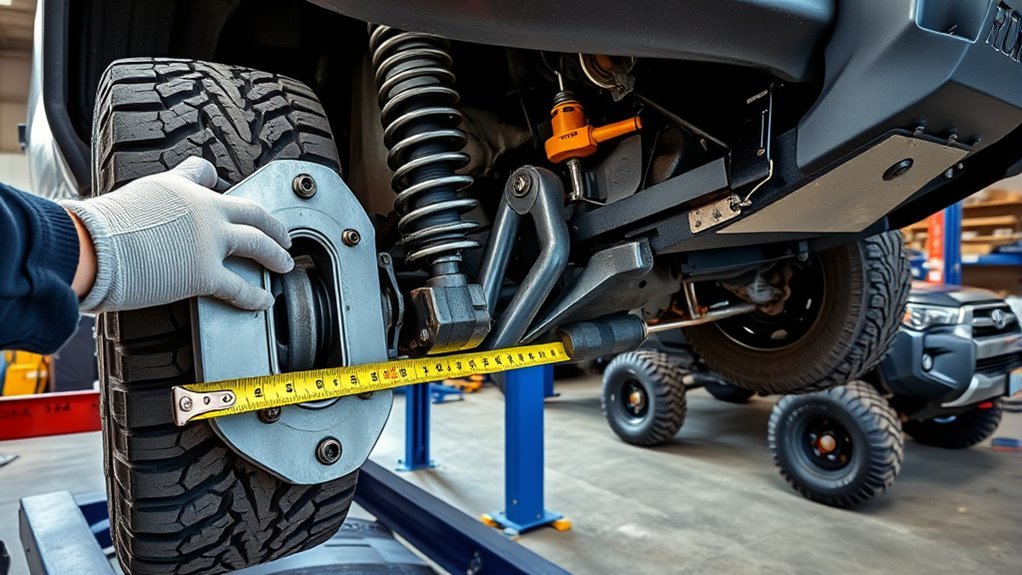
A lift can improve a 4Runner’s obstacle clearance, approach geometry, breakover geometry, and space for larger tires, but the result depends on what is being lifted. Raising the suspension is not identical to installing a taller tire, and neither modification should be selected from advertised lift height alone.
[Products Worth Considering]
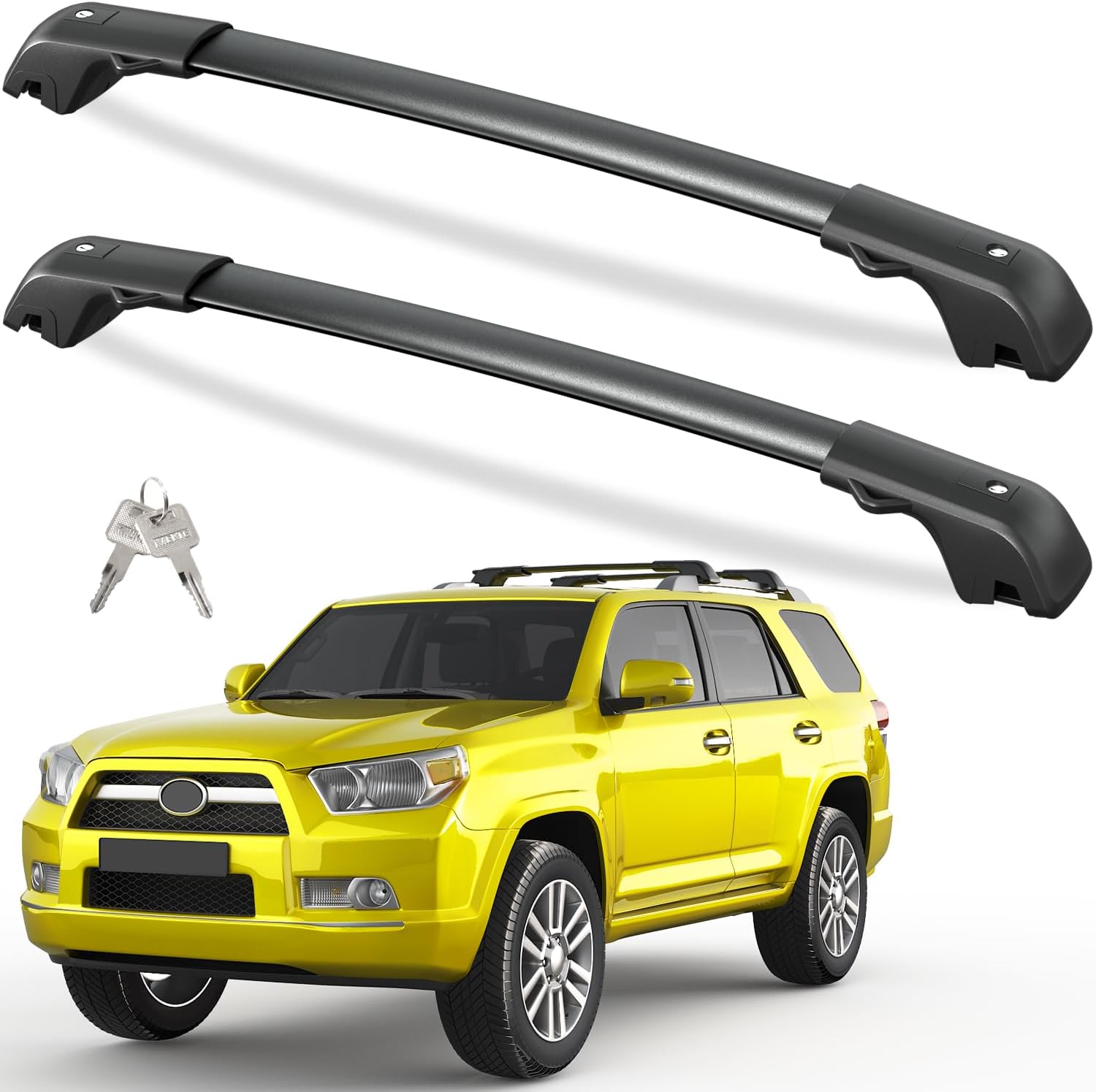
Designed specifically for Toyota 4Runner models with side roof rails, these lockable cross bars provide a secure and practical way to carry luggage, ladders, and other cargo. The aluminum construction, anti-theft metal lock, and tie-down loops add durability and confidence, while the low-profile design helps reduce wind noise during travel. Easy to install and backed by a 12-month warranty, they offer a dependable upgrade over standard crossbars.
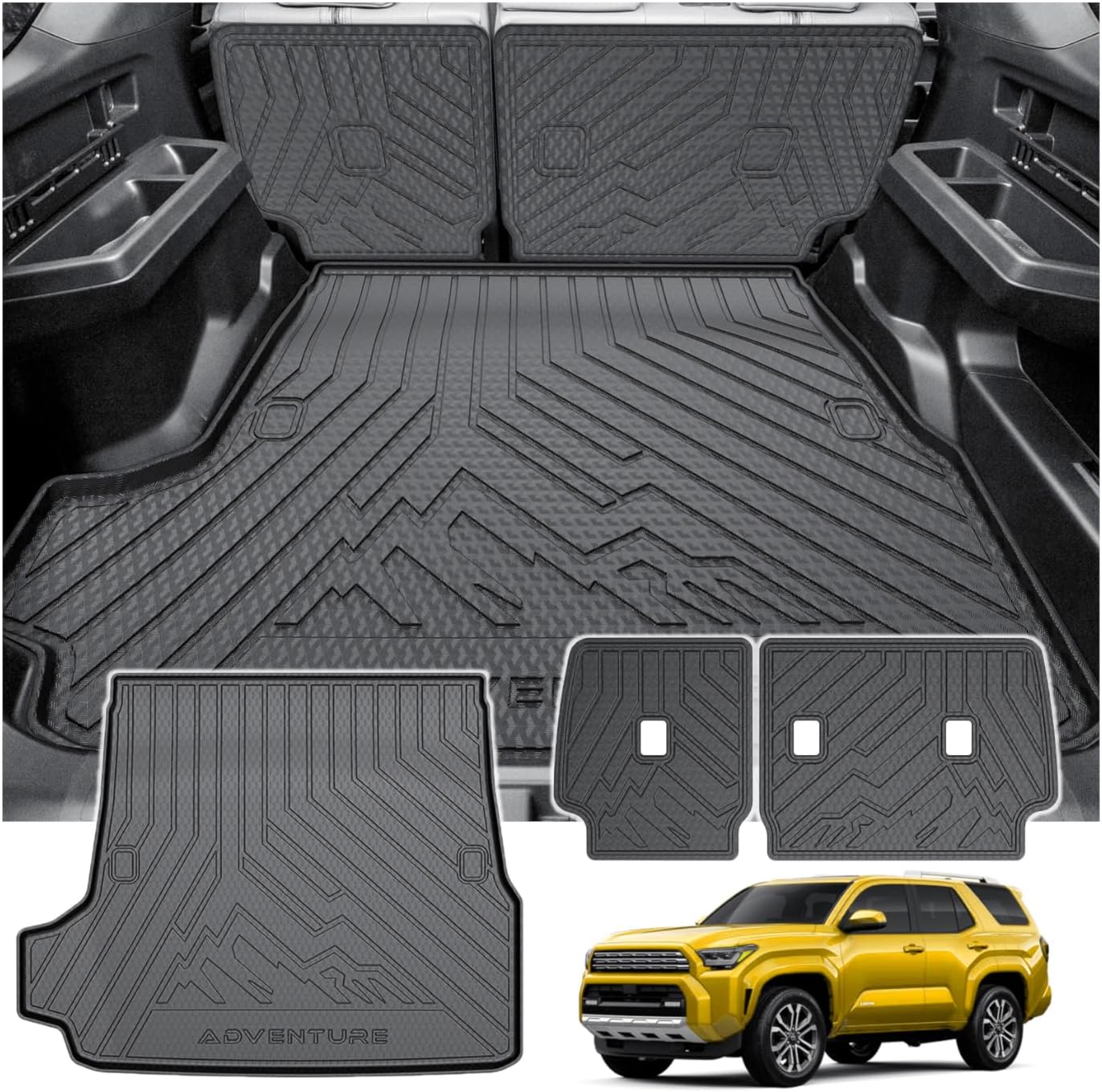
This custom-fit cargo mat is designed for 2025-2026 Toyota 4Runner gas models with 5 seats, offering full coverage for the trunk and back seat area. Made from durable TPE material with raised edges, it helps protect against mud, spills, dust, and everyday wear while staying easy to remove and clean.
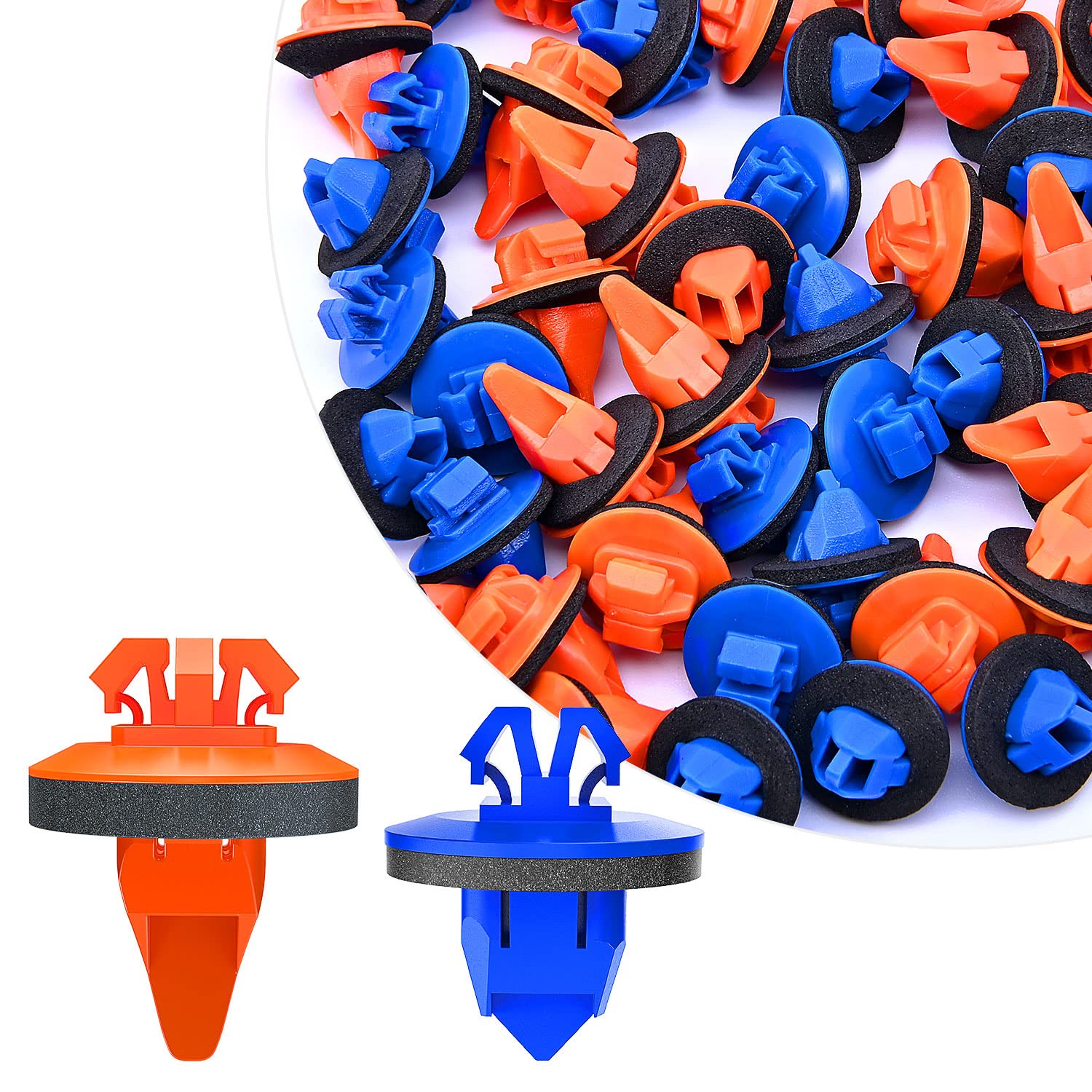
These replacement fender flare clips are designed to restore secure body trim mounting on compatible Toyota vehicles. The kit includes both rocker moulding and wheel flare moulding clips with sealers, helping ensure a proper fit for common applications on 4Runner, FJ Cruiser, Highlander, RAV4, and Tacoma models. With a mixed 100-piece assortment, this set is ideal for repairs, trim replacement, and maintenance.
Lift Kit Options
Common approaches include spacer or leveling systems, replacement coilovers and springs, and more complete suspension packages. For the sixth-generation 4Runner, compatibility must be checked specifically for the 2025-and-newer platform rather than assumed from a 2010–2024 kit.
Toyota also offers a genuine 2.5-inch lift system for the current platform. Toyota describes its setup as using Bilstein-tuned shocks and a forged upper control arm and specifically addresses lift and tire configurations in current Toyota Safety Sense documentation. That is important because suspension and tire changes can affect the operating assumptions of camera- and radar-based driver-assistance systems.
Before modifying a 2025–2026 4Runner, check:
- Exact model-year and trim compatibility, including TRD and Stabilizer Disconnect Mechanism equipment.
- Alignment range after the new ride height is installed.
- CV-joint and steering geometry at normal ride height and full suspension travel.
- Brake hose, ABS wire, and sensor clearance throughout the steering and suspension range.
- Tire rubbing at full steering lock and suspension compression.
- Toyota Safety Sense compatibility when changing suspension height or tire diameter.
Have the vehicle aligned after suspension work, and recheck fasteners according to the component manufacturer’s installation instructions. A lift that looks correct while parked can still create contact, binding, or alignment problems when the suspension is compressed or the steering is at full lock.
Lowering Considerations
Lowering is usually the opposite of what a ground-clearance-focused 4Runner owner needs. It reduces space beneath the vehicle and can reduce approach, departure, or breakover capability depending on the components used.
If the goal is better street handling rather than off-road access, suspension tuning, tire selection, wheel choice, and alignment should be evaluated as a complete system. Do not assume that reducing ride height alone will automatically produce better handling without trade-offs in suspension travel, geometry, and ride quality.
Should You Buy Based on Clearance? A Use-Case Buying Guide
Ground clearance should influence your 4Runner trim choice only when your terrain actually requires it. For most buyers, drivetrain, tires, suspension, price, comfort, cargo needs, and intended trail difficulty deserve equal consideration.
- Mostly pavement, gravel, and mild dirt roads: An SR5, TRD Sport, Limited, or similar road-oriented configuration may provide all the clearance you realistically need.
- Regular moderate trails: TRD Off-Road or TRD Off-Road Premium provides 9.1 inches of clearance plus more meaningful trail hardware, including a locking rear differential and off-road drive systems.
- Steeper obstacles and more technical terrain: TRD Pro and Trailhunter provide the best factory geometry, with 10.1 inches of clearance and a 33-degree approach angle.
- Overlanding with added equipment: Consider not only unloaded clearance but also cargo weight, suspension load capacity, tire durability, underbody protection, and how accessories affect overall vehicle height.
Do not buy a higher trim only to chase the largest ground-clearance number. A carefully driven stock TRD Off-Road can be more useful for many owners than a heavily modified vehicle whose suspension, tire size, and added weight do not match the terrain.
[Products Worth Considering]

This DIY toe alignment tool kit helps home mechanics quickly check and adjust front-end toe after suspension, steering, or tire service. Stainless steel toe plates and dual tape measures provide a simple, reliable reference for reducing uneven tire wear and improving straight-line tracking without needing a full alignment machine.

This wheel alignment tool makes it easy to check and adjust toe-in and toe-out at home for better handling, stability, and more even tire wear. Designed for one-person use, it includes tape-measure slots for simple setup and accurate measurements without extra help. Its stainless steel construction and broad vehicle compatibility make it a practical addition to any DIY garage.

Designed for 2013-2024 Toyota 4Runner models with 5-passenger seating, this custom-fit set delivers full interior coverage with floor mats, a cargo liner, rear seat back protectors, and door sill guards. The all-weather TPE construction helps block spills, dirt, and pet messes while raised edges and secure clips keep everything in place for daily driving. Installation is simple, and cleaning is quick with just water.
A Simple Clearance Decision Rule
If your current vehicle regularly scrapes the center underbody, prioritize ground clearance and tire radius. If the front bumper contacts steep obstacles first, prioritize approach angle. If the vehicle touches down when cresting hills, examine breakover geometry. If traction stops progress before anything touches the ground, tires, gearing, lockers, and driver technique may matter more than another inch of clearance.
Frequently Asked Questions
What Is the 2026 Toyota 4Runner Ground Clearance?
The 2026 Toyota 4Runner has approximately 8.1 to 10.1 inches of factory ground clearance, depending on trim. SR5 is listed at 8.1 inches, Sport/Limited/Platinum groups at 8.8 inches, TRD Off-Road grades at 9.1 inches, and TRD Pro and Trailhunter at 10.1 inches.
Which 2026 4Runner Has the Most Ground Clearance?
The TRD Pro and Trailhunter have the highest published factory ground clearance at 10.1 inches. They also provide approximately a 33-degree approach angle and 24-degree departure angle, making their bumper geometry substantially more trail-friendly than lower trims.
Why Do Older 4Runner Specifications Say 9.6 Inches?
The familiar 9.6-inch figure generally refers to four-wheel-drive versions of the fifth-generation 4Runner. Toyota redesigned the 4Runner for 2025, and the sixth-generation 2025–2026 models use trim-specific clearance figures ranging from 8.1 to 10.1 inches.
Does a Lift Increase 4Runner Ground Clearance?
A suspension lift raises the body, frame, and many underbody points and can improve approach and breakover geometry. Larger tires additionally raise axle-level components because they increase tire radius. The exact increase at the vehicle’s lowest point therefore depends on the lift design, tire size, and which component limits clearance.
Does Ground Clearance Affect Towing Capacity?
Ground clearance itself does not determine the manufacturer’s towing rating. Toyota advertises a maximum towing capacity of up to 6,000 pounds for the 2026 4Runner lineup, although specific trim and configuration ratings can be lower. A lift, oversized tires, or other modifications can change handling, braking feel, hitch height, and stability, but they do not increase Toyota’s published tow rating.
How Does Clearance Impact Parking Garage Access?
Ground clearance is not the measurement you should use for parking garages. Check the vehicle’s overall height, including roof racks, cargo boxes, tents, antennas, lift height, and larger tires. A vehicle can have plenty of underbody clearance and still be too tall for a low garage entrance.
Can Clearance Cause Accelerated Tire Wear?
Ground clearance by itself does not cause abnormal tire wear. Problems usually come from incorrect alignment, worn suspension components, improper tire pressure, or suspension modifications that leave camber, caster, or toe outside the correct range. Have the alignment checked after changing suspension height.
Is Insurance Affected by a Lifted 4Runner?
Insurance treatment of a lifted 4Runner varies by insurer, policy, modification, and jurisdiction. Disclose significant suspension, wheel, tire, and other vehicle modifications to your insurer and confirm whether they affect coverage, declared vehicle value, or premiums. Do not assume that every lift automatically increases—or leaves unchanged—your insurance cost.
Do Taller Drivers Prefer Higher Clearance?
Driver height does not reliably determine whether someone should choose a higher-clearance 4Runner trim. Seat position, step-in height, running boards, roof height, headroom, steering-wheel adjustment, and personal mobility matter more. Choose ground clearance primarily for terrain and underbody-clearance needs rather than driver height.
Sources Used for the 2026 Update
- Toyota 2026 4Runner model information: current maximum ground-clearance statement and model positioning.
- Toyota USA Newsroom — 2026 4Runner: current trim lineup, suspension equipment, tires, drivetrain, off-road hardware, and towing information.
- Current 2026 trim specification data: cross-check of SR5, Sport, Limited, Platinum, TRD Off-Road, TRD Pro, and Trailhunter clearance and approach/departure figures.
- Toyota previous-generation documentation: confirmation that the older 9.0-inch 2WD and 9.6-inch 4WD figures apply to fifth-generation models rather than the redesigned 2026 lineup.
Conclusion
The correct answer for the 2026 Toyota 4Runner ground clearance is not 9.6 inches across the lineup. Current models range from 8.1 inches on the SR5 to 10.1 inches on the TRD Pro and Trailhunter, with the TRD Off-Road grades sitting between them at 9.1 inches.
Use that number together with approach, departure, and breakover geometry. If you drive mostly on pavement and maintained roads, maximum clearance may add little practical value. If you regularly tackle rocks, ruts, ledges, and steep trail entrances, the higher-clearance off-road trims provide a real advantage. Modify only when your actual terrain identifies a limitation, and match suspension, tires, alignment, and vehicle-safety systems as one complete setup.